100% Original, Ready to Ship!

AI-Driven Industrial Automation Trends Accelerate Smart Manufacturing Transformation In 2026
The industrial automation industry is entering a new stage of digital transformation in 2026, with artificial intelligence (AI), industrial IoT, and advanced control technologies becoming key drivers for smart manufacturing development. Manufacturers worldwide are increasingly upgrading traditional production lines with intelligent PLC systems, DCS platforms, edge computing devices, and AI-based optimization solutions to improve efficiency, reliability, and operational flexibility.
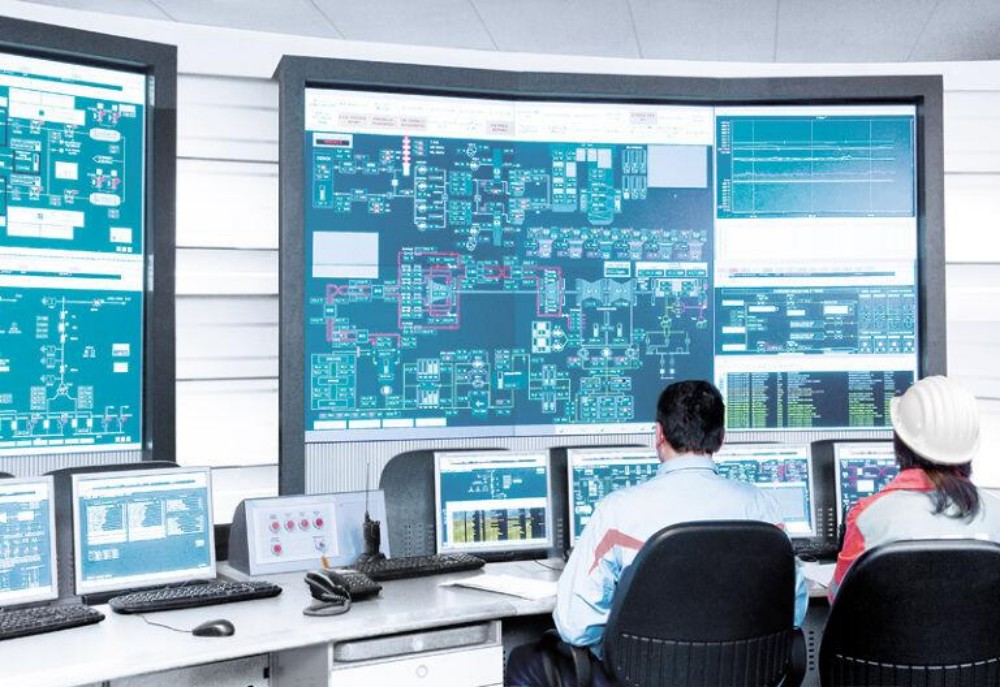
Modern industrial automation is no longer limited to traditional control functions. Advanced automation systems are now capable of collecting real-time production data, analyzing equipment performance, predicting potential failures, and automatically optimizing manufacturing processes. This evolution is creating stronger demand for intelligent controllers, industrial communication modules, smart sensors, and digital factory solutions.
For PLC and DCS applications, artificial intelligence is changing how engineers design and maintain industrial systems. Traditional automation relies mainly on programmed logic and fixed parameters, while AI-enhanced automation introduces predictive maintenance and adaptive control capabilities. By analyzing historical operating data, AI algorithms can identify abnormal equipment conditions before failures occur, reducing unexpected downtime and improving production continuity.
Industrial companies are also focusing on integrating automation hardware with cloud platforms and industrial software. Technologies such as digital twins, remote monitoring, and real-time analytics allow engineers to simulate production environments, optimize processes, and manage equipment from different locations.
Leading automation manufacturers are investing heavily in software-defined automation architectures. These solutions combine PLC controllers, industrial networks, sensors, robotics, and AI applications into a unified ecosystem. The result is a more flexible manufacturing environment that can quickly adapt to changing production requirements.
The growing adoption of smart manufacturing is creating significant opportunities for suppliers of automation components, including PLC modules, DCS spare parts, communication boards, industrial sensors, and control system accessories. Companies operating in industries such as energy, automotive, chemical processing, pharmaceuticals, and food manufacturing are increasingly searching for reliable automation equipment to support their digital transformation strategies.
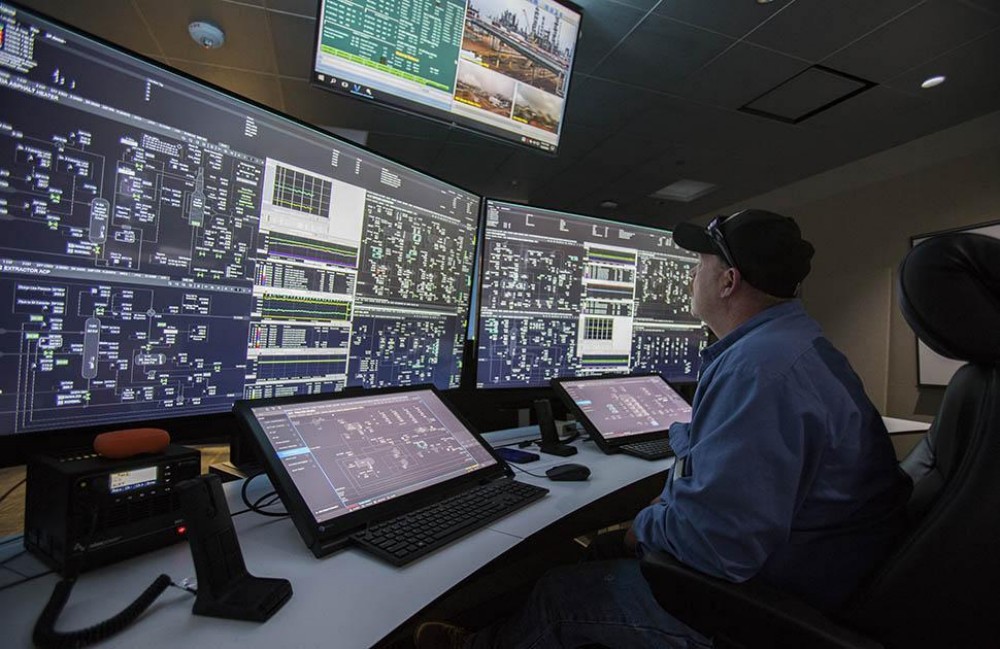
As factories continue moving toward intelligent operation, AI-driven industrial automation will remain one of the most important trends shaping the future of PLC, DCS, and industrial control technologies.
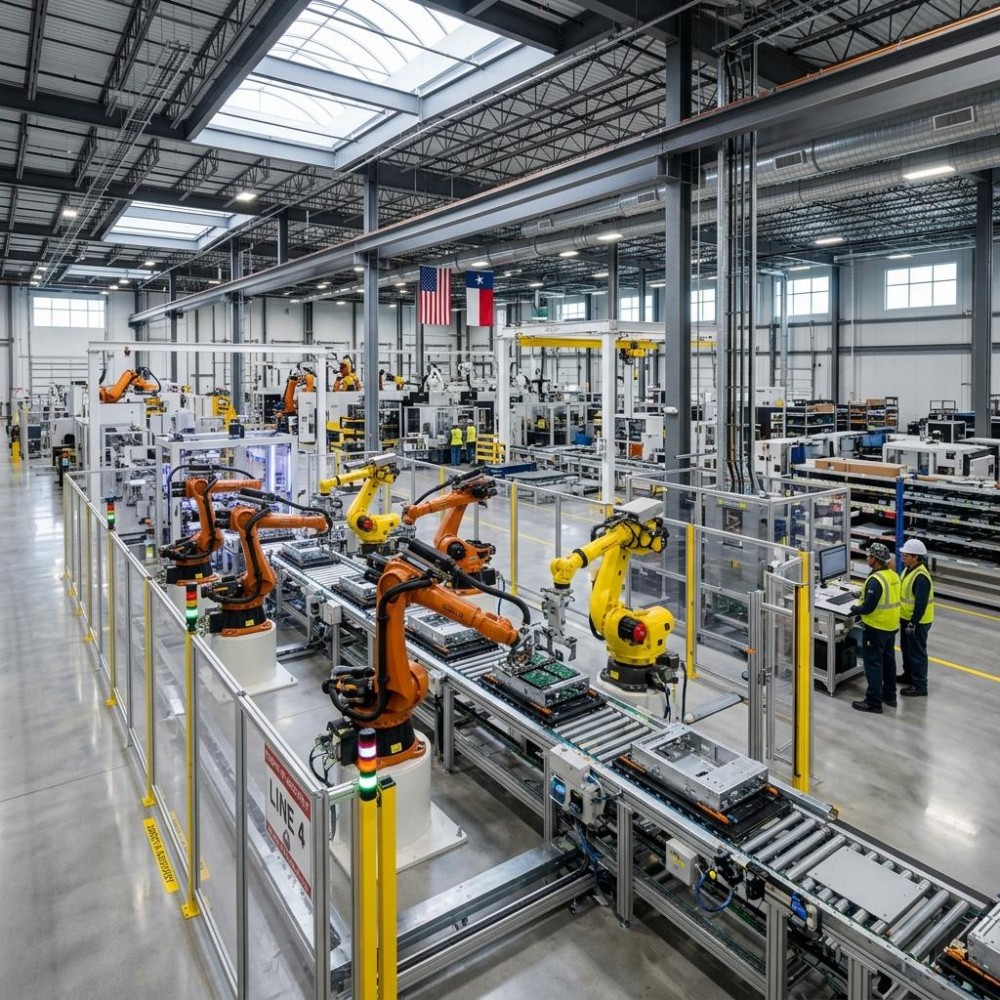 U.S. Industrial Robot Installations Rise 11% As Flexible Automation Expands
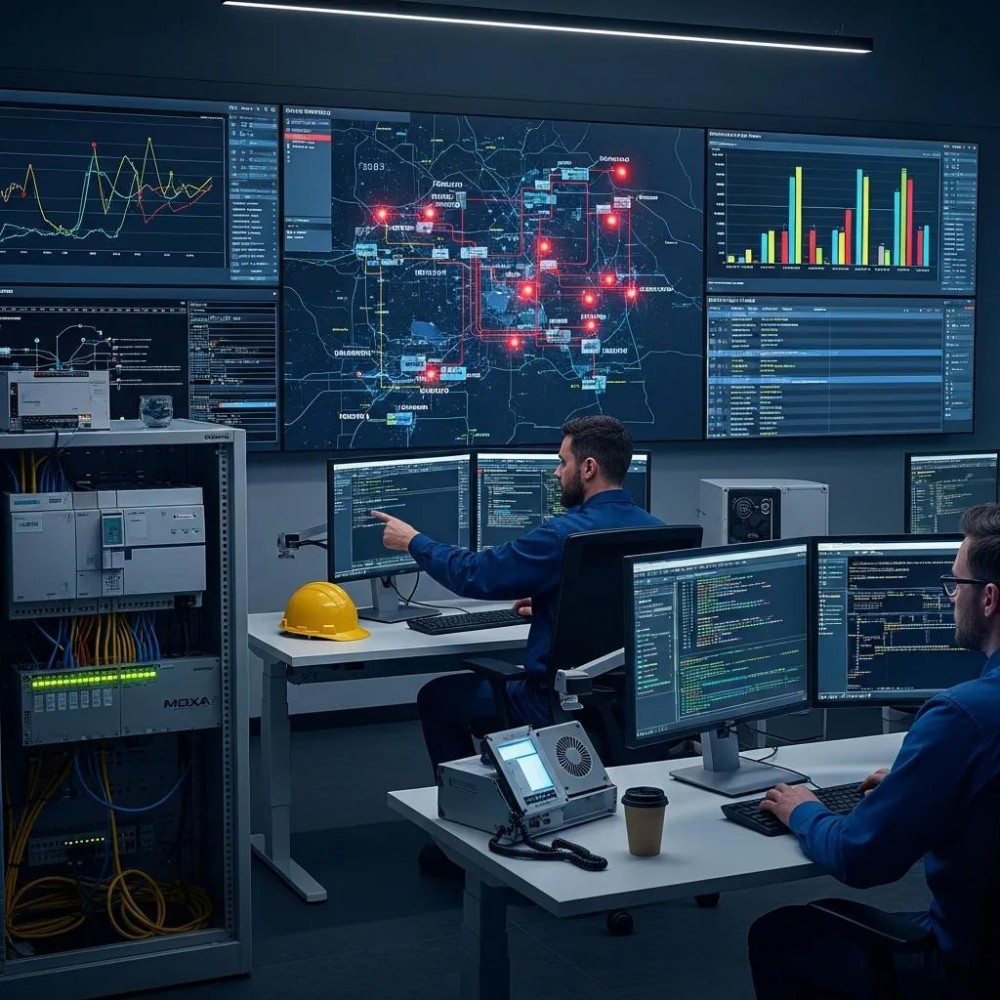 Siemens S7 PLC Cybersecurity Warning Highlights Growing OT Security Risks
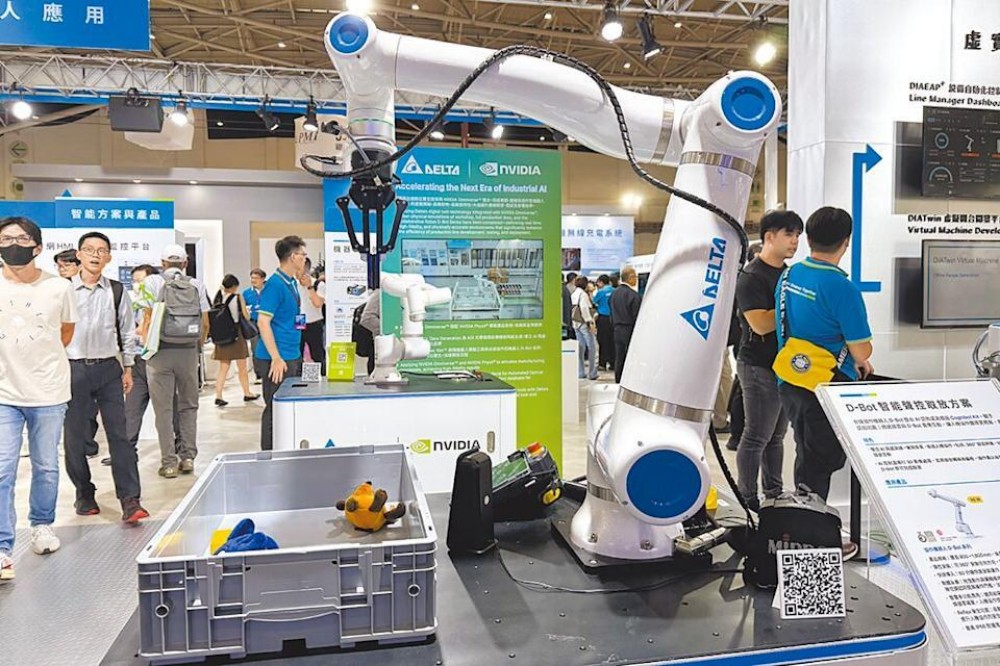 Delta’s Embodied AI And Digital Twins Signal A New Era For Industrial Automation
 Schneider Electric Advances Software-Defined Automation For PLC And DCS Modernization