100% Original, Ready to Ship!

Industrial Robotics And Automation Systems Expand As Manufacturers Adopt Flexible Production Solutions
Industrial robotics is becoming a key technology in modern manufacturing as companies worldwide increase investment in flexible automation solutions. In 2026, robotic systems are being widely integrated with PLC controllers, industrial networks, machine vision technology, and intelligent software platforms to create highly efficient automated production environments.
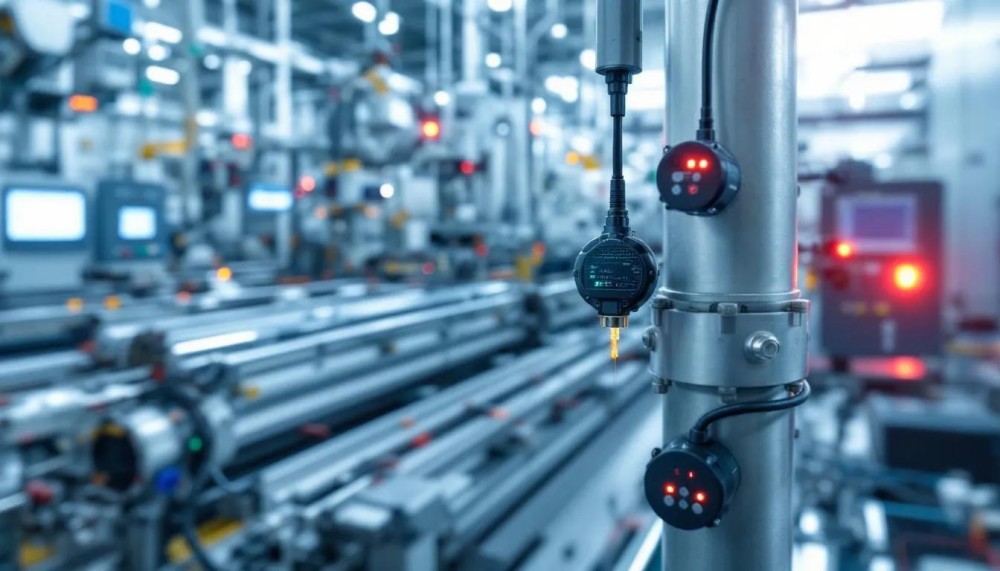
Traditional manufacturing systems often rely on fixed automation equipment designed for specific tasks. However, modern industrial robots provide greater flexibility and can support multiple applications, including assembly, welding, inspection, packaging, material handling, and quality control.
The connection between robotics and PLC automation systems has become increasingly important. PLC controllers serve as the central control unit that manages communication between robots, sensors, drives, and other industrial equipment. Through advanced industrial communication technologies, automated production lines can achieve faster response times and improved operational stability.
Artificial intelligence and machine vision are also improving the capabilities of industrial robots. Intelligent robots can recognize objects, analyze production conditions, and automatically adjust operation parameters. These technologies are especially valuable in industries that require high precision and strict quality control.
The electronics, automotive, semiconductor, and pharmaceutical industries are among the major sectors adopting advanced robotic automation. Companies are using intelligent robotic systems to increase production speed, improve accuracy, and reduce manual operation risks.
Collaborative robots, also known as cobots, are another important development in industrial automation. Unlike traditional industrial robots that usually operate in isolated areas, collaborative robots are designed to work safely alongside human operators. They provide flexible automation solutions for small-batch production and customized manufacturing environments.
The growth of industrial robotics is creating increasing demand for automation hardware, including PLC modules, remote I/O systems, servo controllers, industrial communication interfaces, and safety components. Reliable control equipment is essential for maintaining stable operation in robotic production systems.
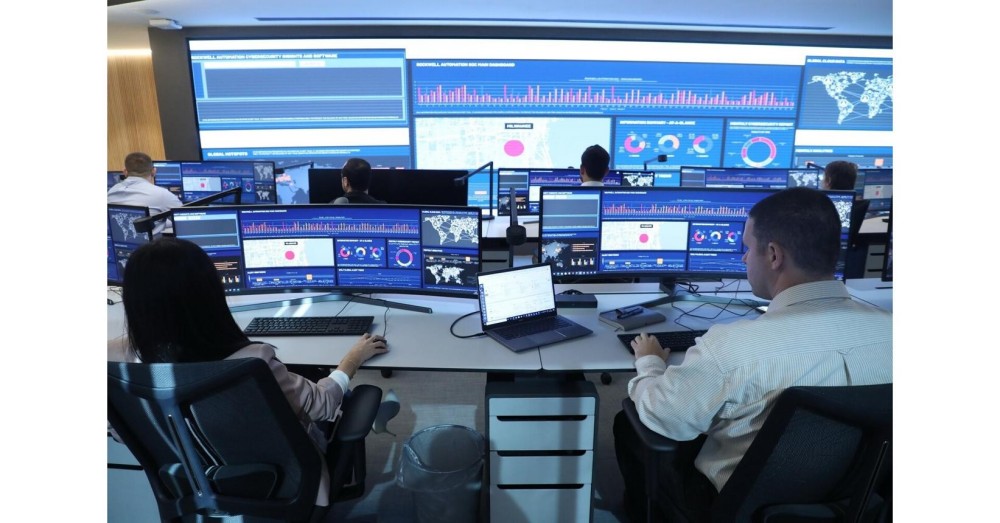
Future industrial automation development will depend on deeper integration between robotics, PLC systems, artificial intelligence, and industrial software platforms. Smart factories will increasingly rely on connected automation systems that can analyze data, optimize processes, and improve manufacturing efficiency.
With continuous advancements in robotics technology, flexible automated production will become a major competitive advantage for manufacturers seeking higher productivity and improved operational performance.
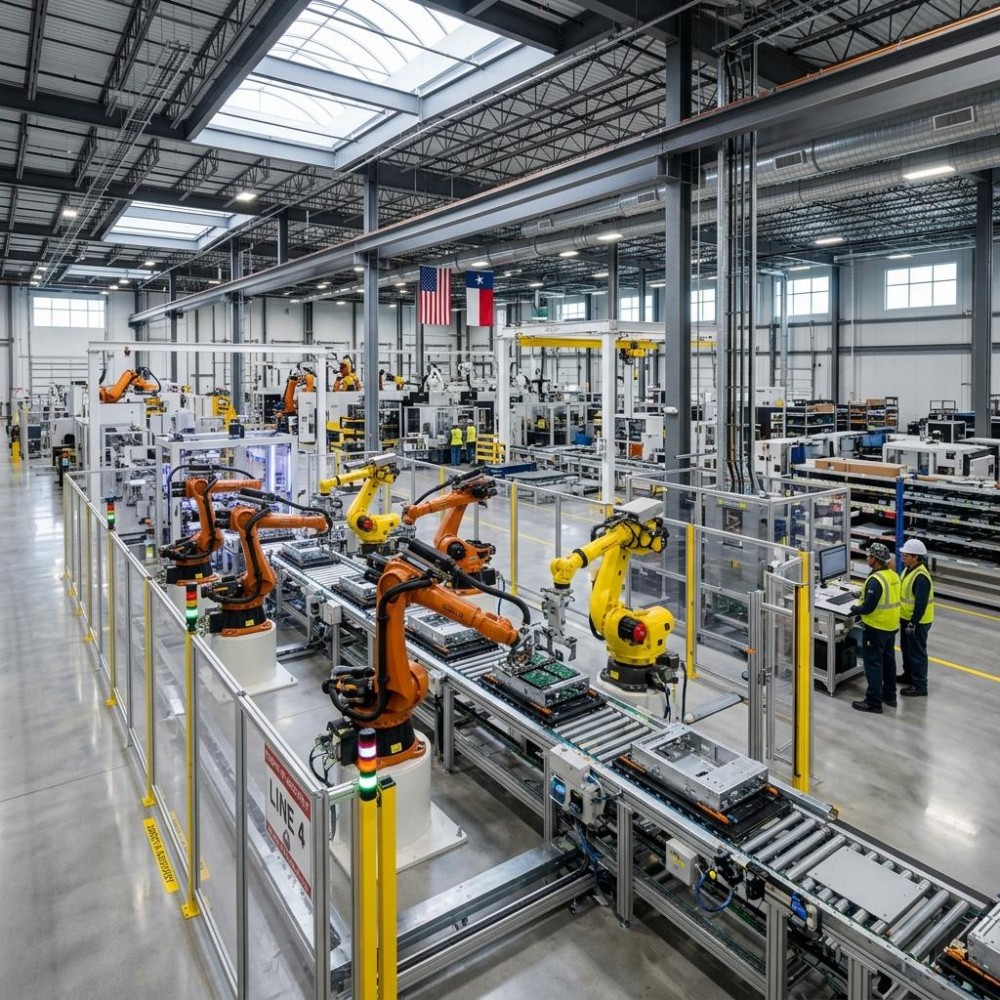 U.S. Industrial Robot Installations Rise 11% As Flexible Automation Expands
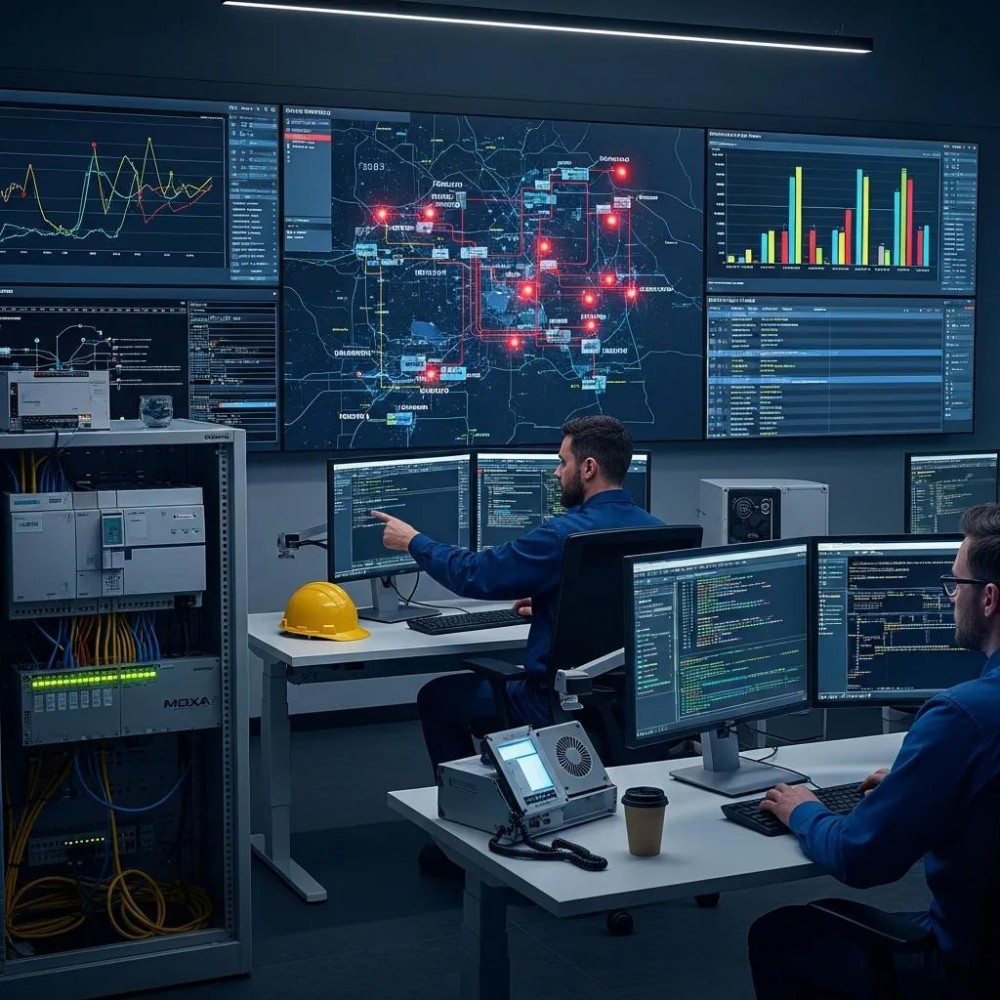 Siemens S7 PLC Cybersecurity Warning Highlights Growing OT Security Risks
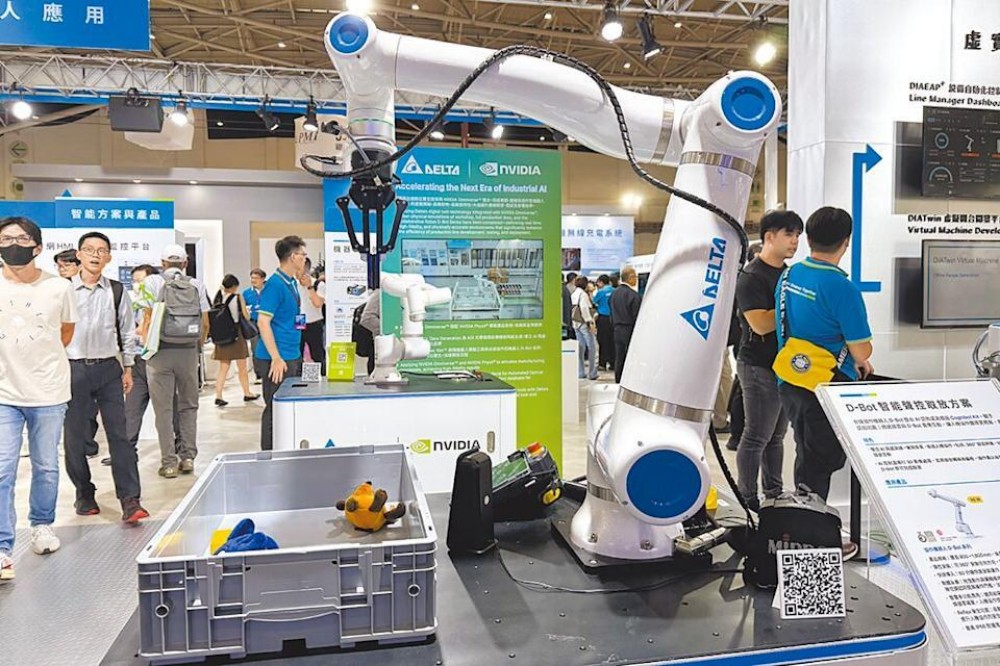 Delta’s Embodied AI And Digital Twins Signal A New Era For Industrial Automation
 Schneider Electric Advances Software-Defined Automation For PLC And DCS Modernization