100% Original, Ready to Ship!

Smart PLC And DCS Technology Development Drives Next Generation Industrial Automation Systems
The development of smart PLC and DCS technologies is accelerating the transformation of industrial control systems. Modern manufacturers are upgrading their automation infrastructure to achieve higher efficiency, improved reliability, stronger cybersecurity, and better integration with digital technologies.
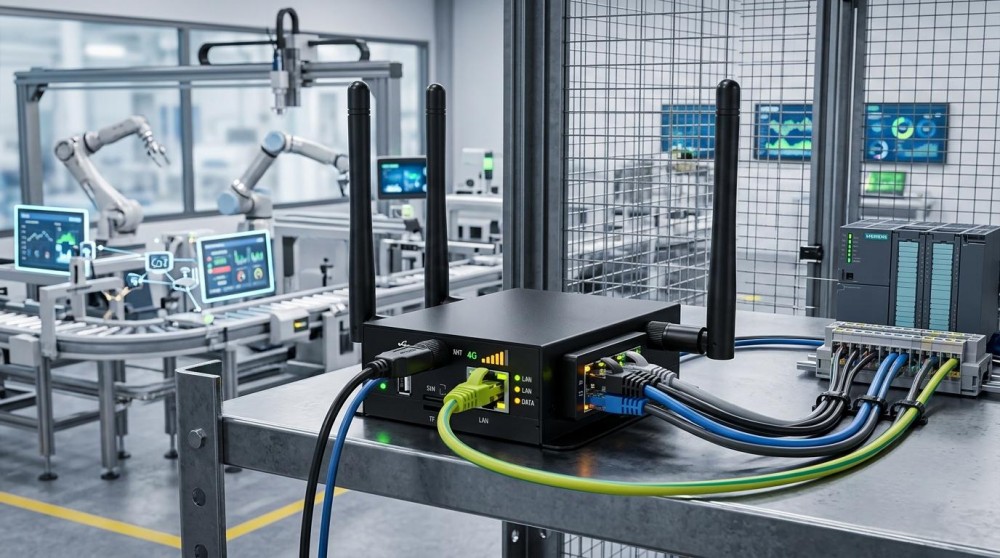
PLC systems remain one of the most widely used solutions in industrial automation. New-generation PLC controllers are evolving from traditional logic devices into intelligent control platforms with powerful processing capabilities, advanced communication functions, and improved data management features.
Modern PLC systems can support complex automation tasks, connect with multiple industrial devices, and provide real-time information for production optimization. These improvements make PLC technology suitable for applications ranging from machine automation to large-scale manufacturing systems.
At the same time, DCS platforms continue to play a critical role in process industries. Industries such as oil and gas, power generation, chemical processing, and water treatment rely on DCS technology for stable process control, centralized monitoring, and continuous operation management.
A major trend in industrial automation is the integration of PLC, DCS, and industrial software systems. By connecting field devices, controllers, and enterprise platforms, manufacturers can create complete digital ecosystems that support real-time monitoring and intelligent decision-making.
Industrial cybersecurity has also become a key consideration during automation upgrades. As factories become increasingly connected through industrial Ethernet, remote monitoring systems, and cloud platforms, protecting automation networks has become essential for maintaining safe and reliable operations.
Edge computing and intelligent sensors are further improving industrial control performance. Instead of transferring all information to centralized systems, edge devices can process data closer to production equipment, allowing faster response and reducing communication delays.

The modernization of industrial facilities continues to drive demand for PLC modules, DCS components, industrial communication boards, control cards, I/O modules, and automation spare parts.
As global industries move toward smart factories and digital manufacturing, advanced PLC and DCS technologies will remain the foundation of reliable automation systems. The combination of intelligent control, connected devices, and data-driven optimization will shape the future of industrial production.
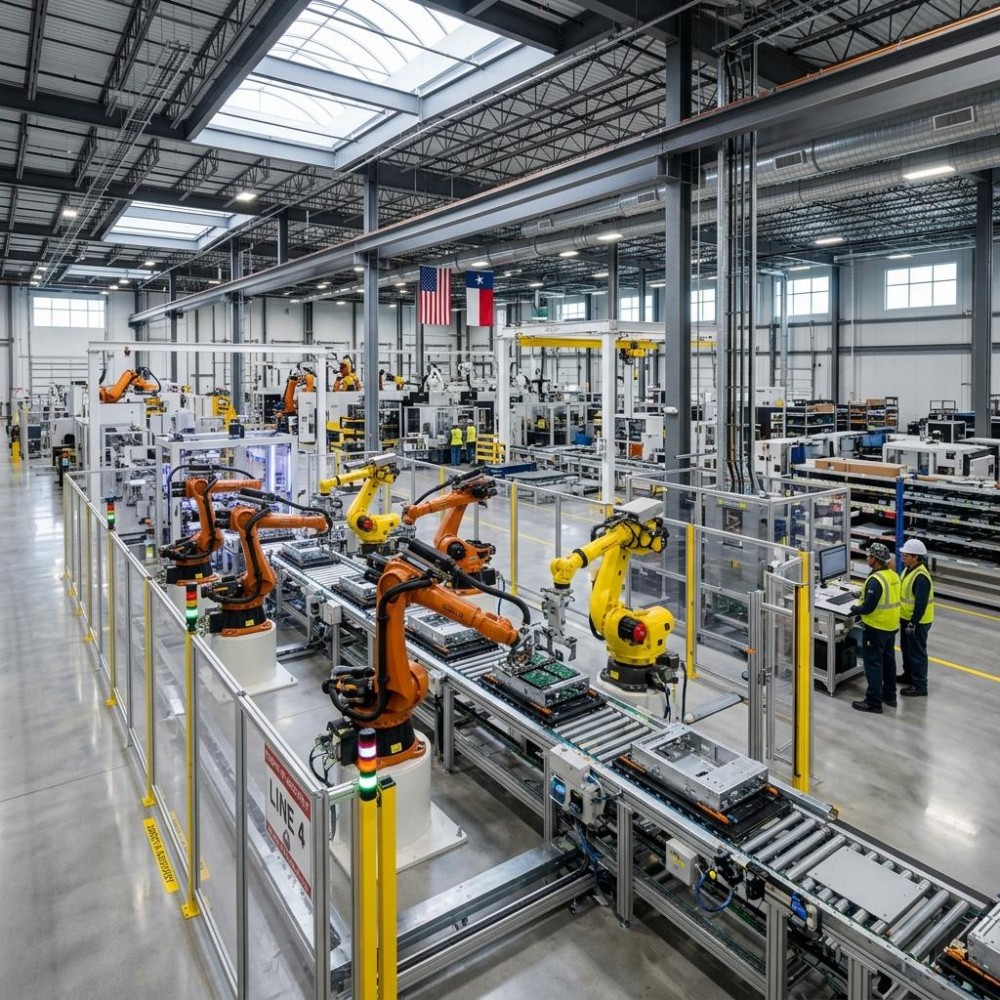 U.S. Industrial Robot Installations Rise 11% As Flexible Automation Expands
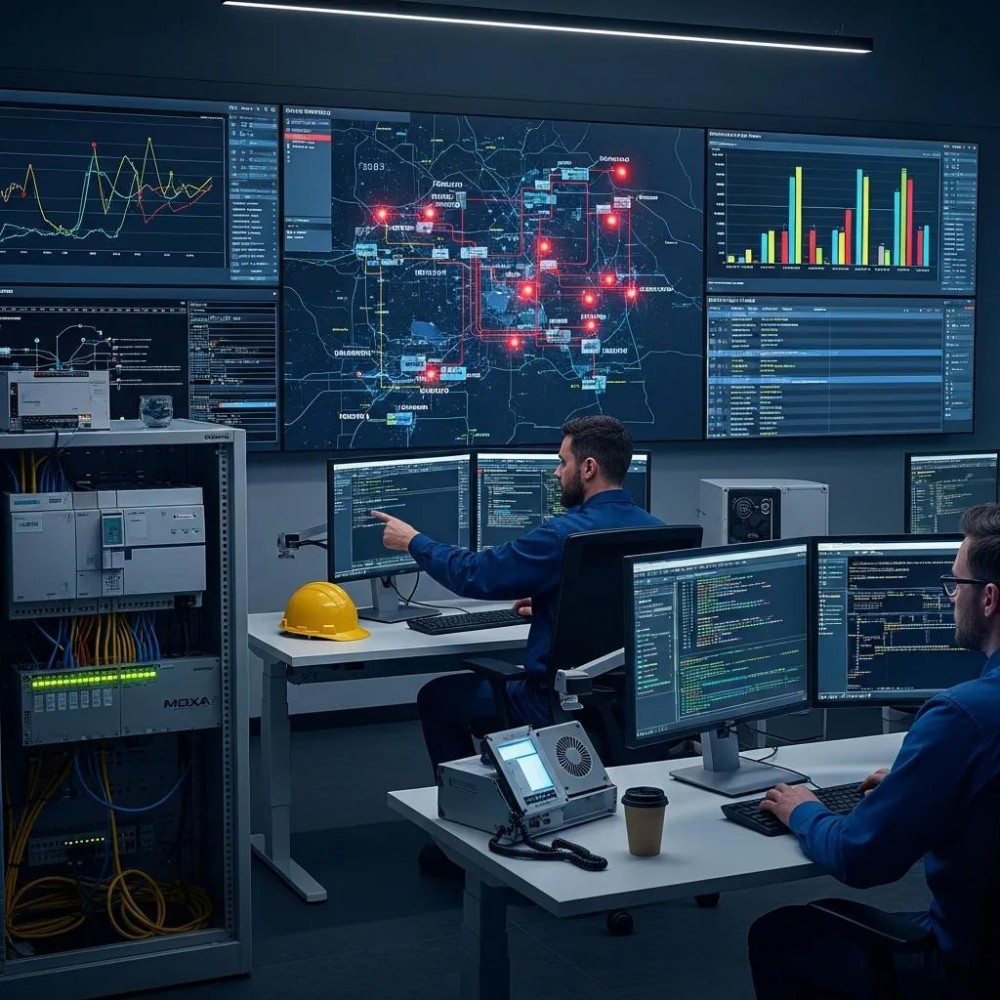 Siemens S7 PLC Cybersecurity Warning Highlights Growing OT Security Risks
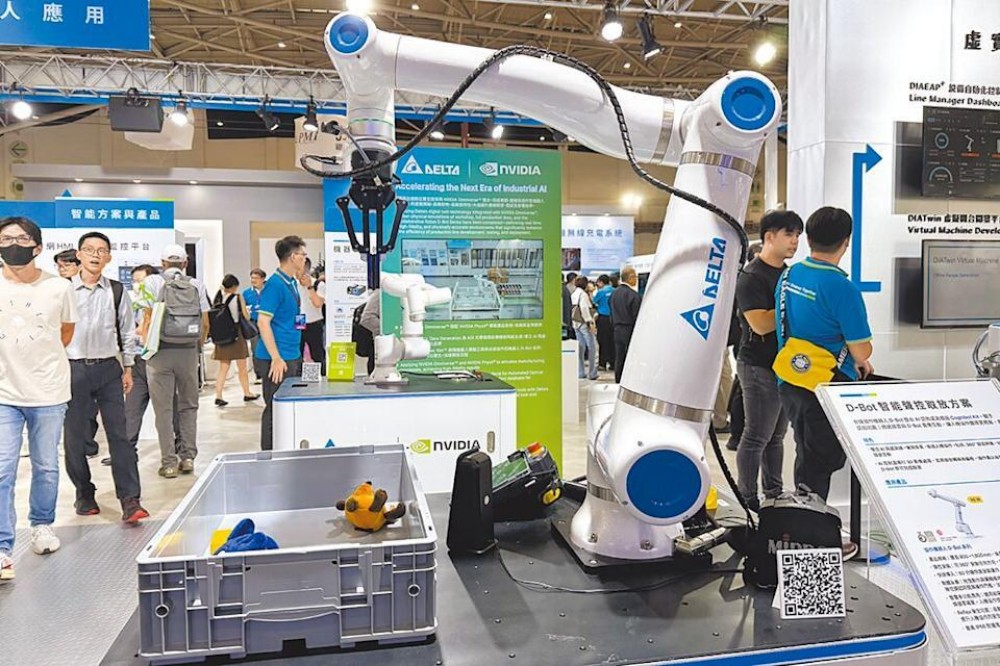 Delta’s Embodied AI And Digital Twins Signal A New Era For Industrial Automation
 Schneider Electric Advances Software-Defined Automation For PLC And DCS Modernization