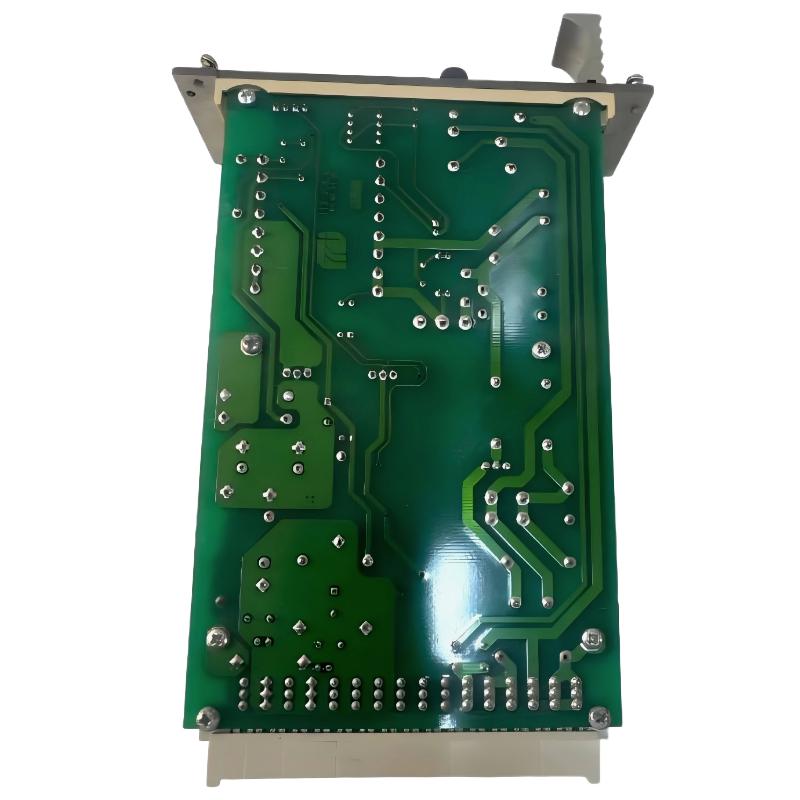
ABB 23NG23 1K61005400R5001 Power Module Fault Diagnosis Introduction
ABB 23NG23 1K61005400R5001 Power Module faults usually appear as DC voltage loss, PLC Controller shutdown, or RTU232 communication interruption. Effective Troubleshooting starts with signal analysis instead of immediate module replacement.
ABB 23NG23 Power Module Fault Symptoms Identification
Typical ABB 23NG23 Troubleshooting situations include:
- Green LED indicator is OFF.
- +5V DC output disappears.
- +24V DC voltage decreases under load.
- RTU232 system loses communication.
- Connected PLC Controller restarts randomly.
Common Causes of ABB 23NG23 Power Module Failure
- Input voltage instability.
- Damaged or incorrect fuse.
- Loose terminal connection.
- Excessive system load.
- Cabinet temperature affecting power conversion efficiency.
- Poor grounding causing electrical disturbance.
ABB 23NG23 Fault Diagnosis Engineering Process
A practical Fault Diagnosis method begins from the power source and moves toward the load side.
- Check incoming AC voltage.
- Inspect fuse status.
- Measure DC output without load.
- Measure output during system operation.
- Compare voltage drop before and after load connection.
ABB 23NG23 Diagnostic Logic:

IF LED = OFF
    Check fuse and input voltage

IF +24VDC < specification
    Check load current and wiring resistance

IF PLC communication fails
    Check power stability first
ABB 23NG23 Power Module Repair and Recovery Method
Repair decisions should be based on measurement results. Replacing a Power Module without confirming the root cause may lead to repeated failures.
- Replace damaged fuse with correct specification.
- Repair loose terminals.
- Remove overload conditions.
- Replace defective module after confirming internal failure.
- Verify system operation after recovery.
ABB 23NG23 Troubleshooting Case Study from Field Maintenance
During a maintenance project, engineers received an alarm indicating RTU232 communication failure. Initial inspection showed the ABB 23NG23 Power Module LED was unstable.
The measured output changed between 24.2V DC and 22.5V DC during operation. The team performed signal analysis and found excessive current demand from an external device connected to the DC supply line.
After removing the abnormal load, the ABB 23NG23 output returned to 24.1V DC and the communication system operated continuously for 48 hours without interruption.
ABB 23NG23 1K61005400R5001 Troubleshooting FAQ
Why does ABB 23NG23 Power Module lose output voltage?
Possible reasons include fuse problems, input power instability, overload conditions, or internal component failure.
How can engineers confirm whether the module is damaged?
Engineers should compare input voltage, output voltage, and load conditions before replacing the module.
Can unstable DC power cause PLC communication faults?
Yes. Many communication problems originate from unstable power supply conditions rather than communication hardware.
What is the first step in ABB 23NG23 Fault Diagnosis?
The first step is checking power input and output measurements before analyzing the control network.
Why should fuse replacement use the same specification?
Incorrect fuse selection can reduce protection performance and create additional system risks.
ABB 23NG23 Troubleshooting General Overview
ABB 23NG23 1K61005400R5001 Power Module Troubleshooting requires practical measurement, load analysis, and system-level thinking. Experienced engineers usually solve failures faster by verifying power quality first and then investigating hardware faults.