100% Original, Ready to Ship!

Schneider Electric Promotes Industrial Automation Modernization For Future Smart Manufacturing
Global manufacturers are accelerating automation upgrades as industries demand higher productivity, improved efficiency, and more intelligent production management. Industrial automation modernization has become a major strategy for companies looking to improve existing factories while reducing operational risks.
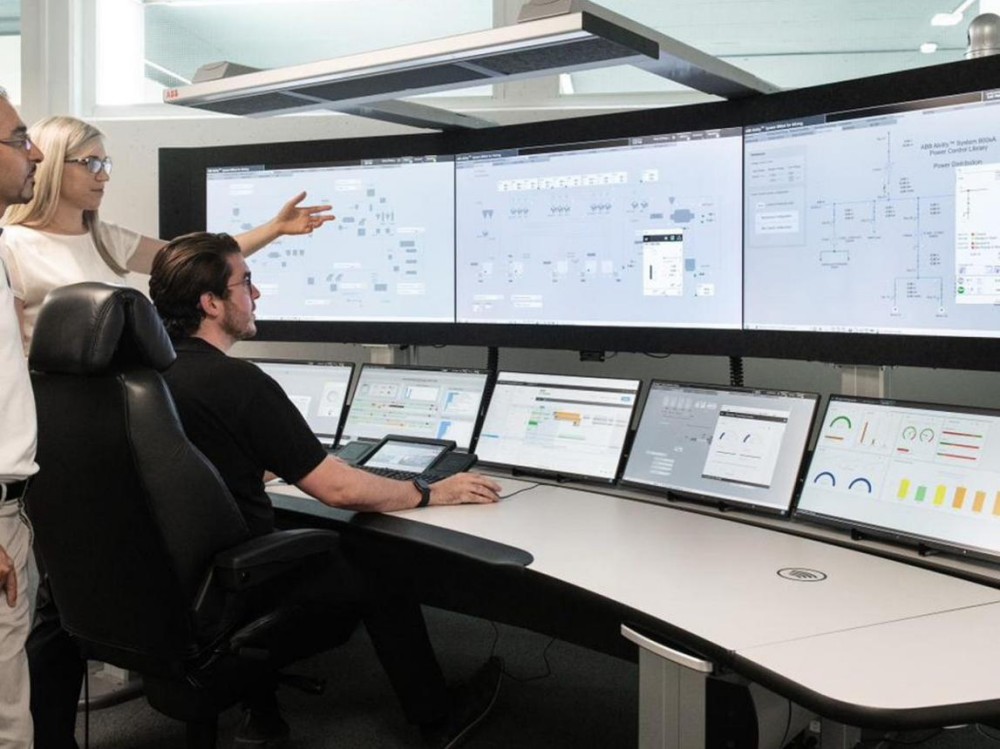
Many industrial facilities still operate with older PLC systems, control modules, communication networks, and automation equipment. Although these systems may continue working reliably, maintaining aging technology can become increasingly difficult due to limited spare parts availability, outdated software platforms, and cybersecurity challenges.
Automation modernization provides manufacturers with an effective solution by upgrading existing control infrastructure without requiring complete factory reconstruction. Through controller replacement, software upgrades, network improvements, and system integration, companies can extend equipment lifetime while achieving better production performance.
PLC technology remains one of the most important components in modern manufacturing automation. New-generation PLC controllers provide faster processing capability, stronger communication functions, and improved compatibility with industrial IoT platforms.
Smart factories rely on real-time data collection and intelligent analysis. Sensors, PLC systems, industrial networks, and monitoring platforms work together to provide accurate production information. This enables manufacturers to optimize processes, improve quality control, and reduce machine downtime.
Energy efficiency has also become a key factor driving automation investment. Intelligent control systems allow factories to monitor energy consumption, optimize machine operation, and reduce unnecessary resource usage.
Industries including automotive manufacturing, food processing, packaging, chemical production, and machinery manufacturing are increasingly adopting automation upgrade projects. These improvements help companies achieve higher productivity and stronger market competitiveness.
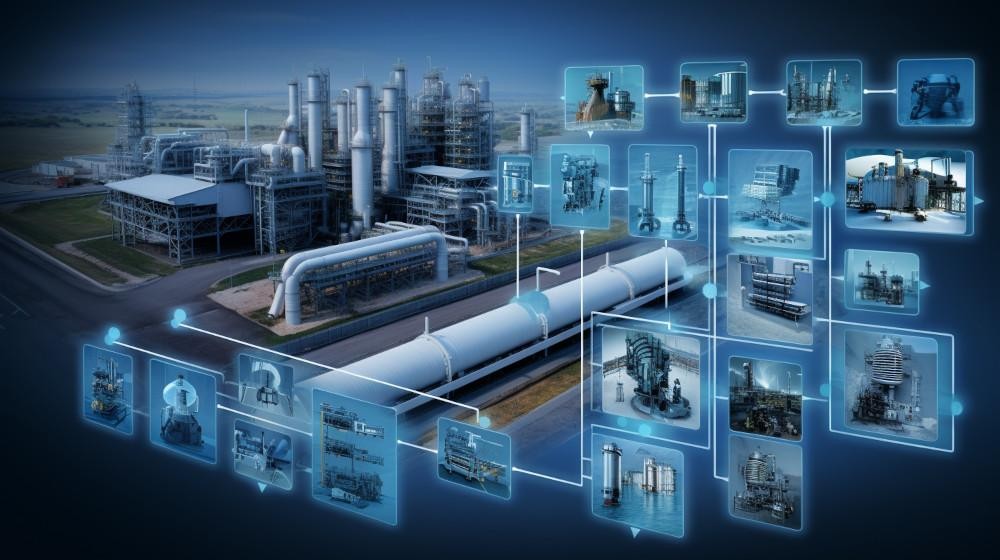
The future of industrial automation will depend not only on installing new equipment but also on intelligently upgrading existing systems. PLC modernization, DCS upgrades, industrial communication improvements, and automation engineering services will continue to create significant opportunities in the global market.
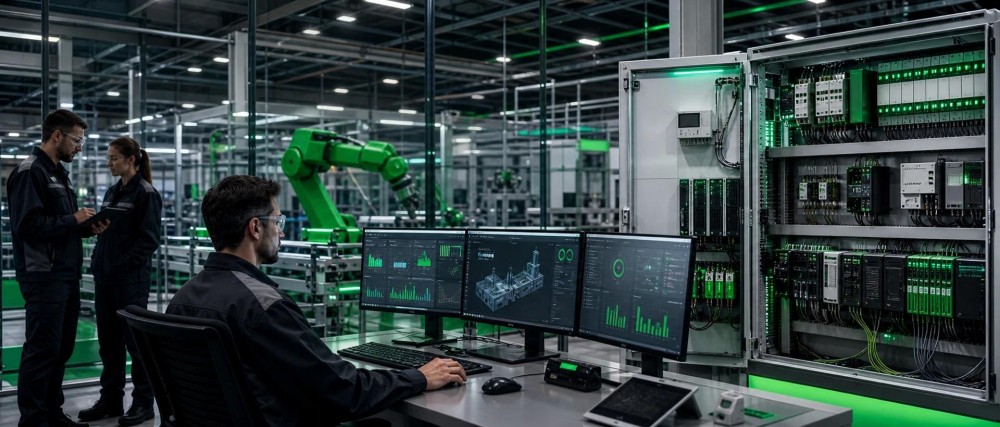 Software-Defined Automation Gains Momentum As Manufacturers Modernize Brownfield Industrial Systems
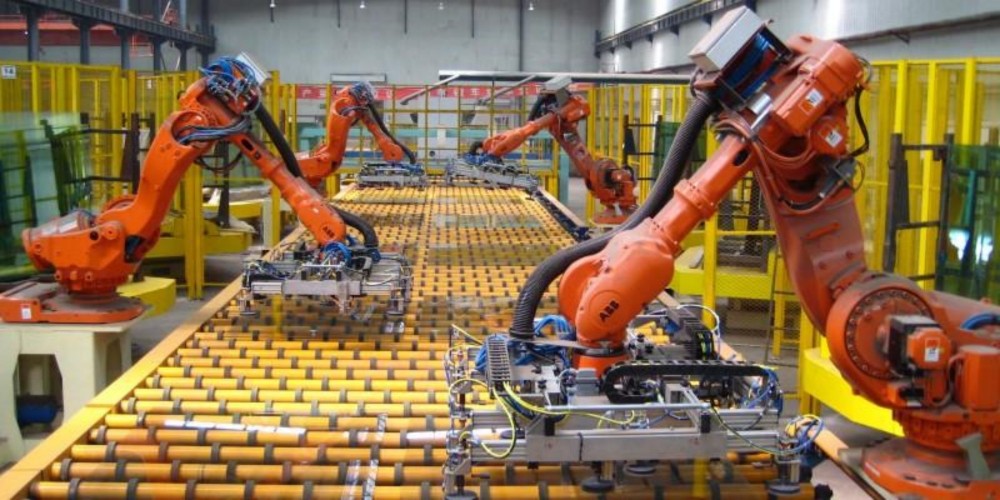 North American Robot Orders Reach $622 Million As Industrial Automation Demand Expands In 2026
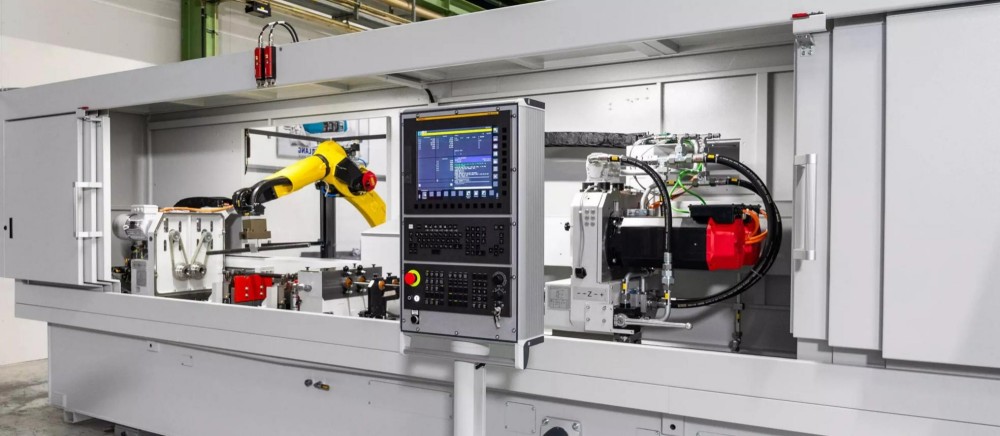 FANUC Launches 5-Axis Integrated Technology Initiative To Improve CNC Automation And Manufacturing Efficiency
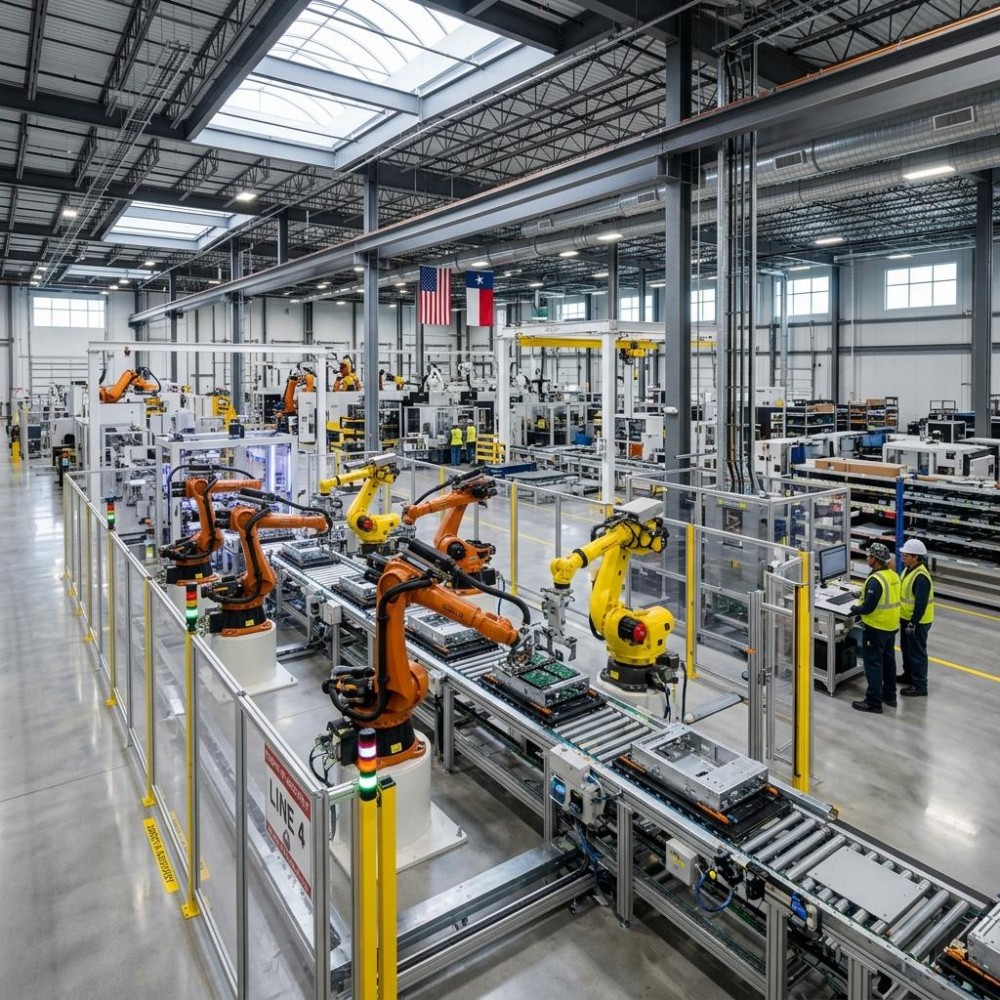 U.S. Industrial Robot Installations Rise 11% As Flexible Automation Expands