100% Original, Ready to Ship!

Industrial Robotics And PLC Automation Growth 2026: Smart Manufacturing Increases Demand For Advanced Control Systems
The global manufacturing industry is experiencing rapid growth in industrial robotics and automation adoption as companies focus on improving productivity, flexibility, and production quality. In 2026, industrial robots, intelligent sensors, PLC controllers, and automated control systems continue becoming essential technologies for smart manufacturing.
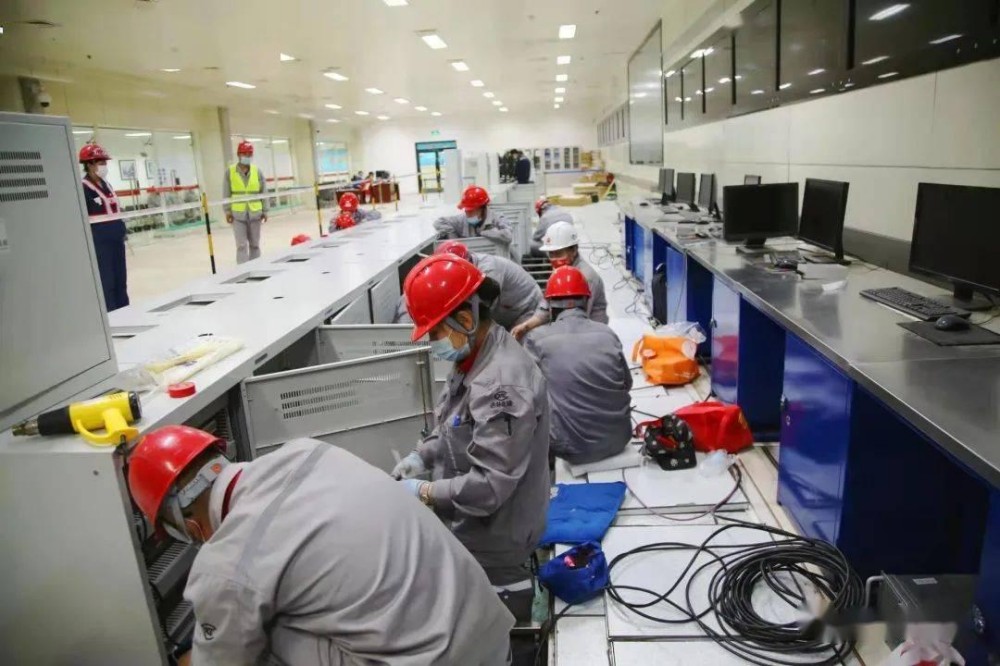
Industrial robotics is no longer limited to large automotive factories. Today, robotics applications are expanding into electronics, food processing, logistics, pharmaceuticals, and renewable energy industries. Smaller and more flexible automation solutions are allowing medium-sized manufacturers to adopt robotic technologies with lower investment requirements.
PLC systems remain the foundation of many industrial robotic applications. A PLC controller manages communication between robots, sensors, motors, safety systems, and production equipment. Through advanced programming and industrial communication networks, PLC-based automation systems provide reliable control for complex manufacturing processes.
The combination of robotics and industrial data analytics is also changing maintenance strategies. Instead of performing maintenance only after equipment failures occur, manufacturers are adopting predictive maintenance methods based on real-time operating information. Sensors installed on machines collect performance data, while intelligent software analyzes this information to identify possible problems.
Industrial communication technology is another key factor driving automation development. Modern factories require fast and reliable communication between PLCs, DCS systems, SCADA platforms, robots, and enterprise software. Industrial Ethernet technologies are helping create connected production environments where information can move efficiently across different levels of factory operations.
The increasing demand for automation upgrades is also creating opportunities in the industrial spare parts market. Many companies are extending the service life of existing equipment by replacing outdated PLC modules, processor boards, communication cards, and control components instead of completely replacing entire automation systems.
For global automation suppliers and engineering companies, this trend represents significant market opportunities. Customers need reliable components, technical support, system integration services, and maintenance solutions to keep production facilities operating efficiently.
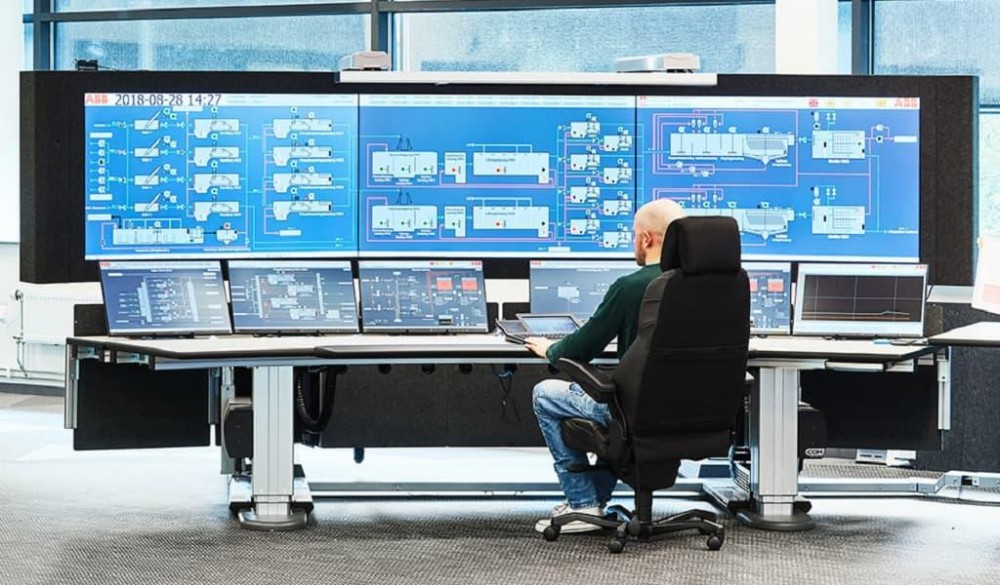
As manufacturing continues moving toward intelligent and connected operations, industrial automation technologies will remain a critical foundation for global industry development. PLC, DCS, robotics, and digital control solutions will continue supporting factories in achieving higher efficiency, improved reliability, and sustainable production.
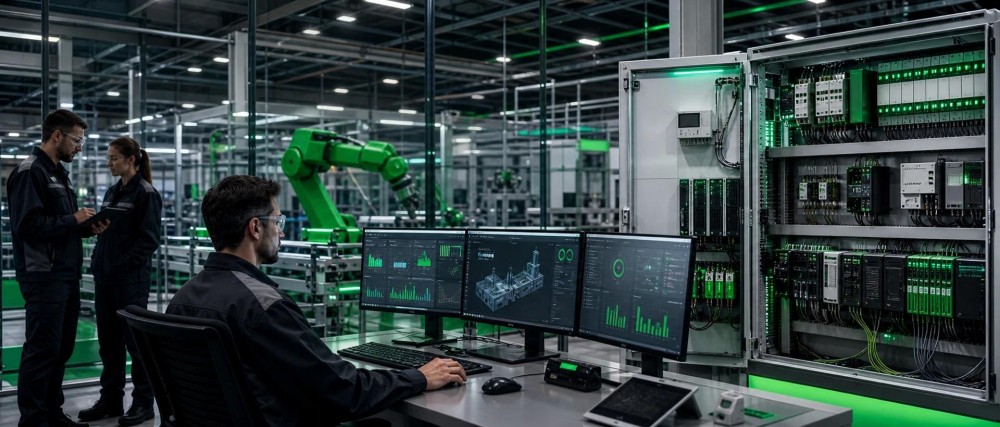 Software-Defined Automation Gains Momentum As Manufacturers Modernize Brownfield Industrial Systems
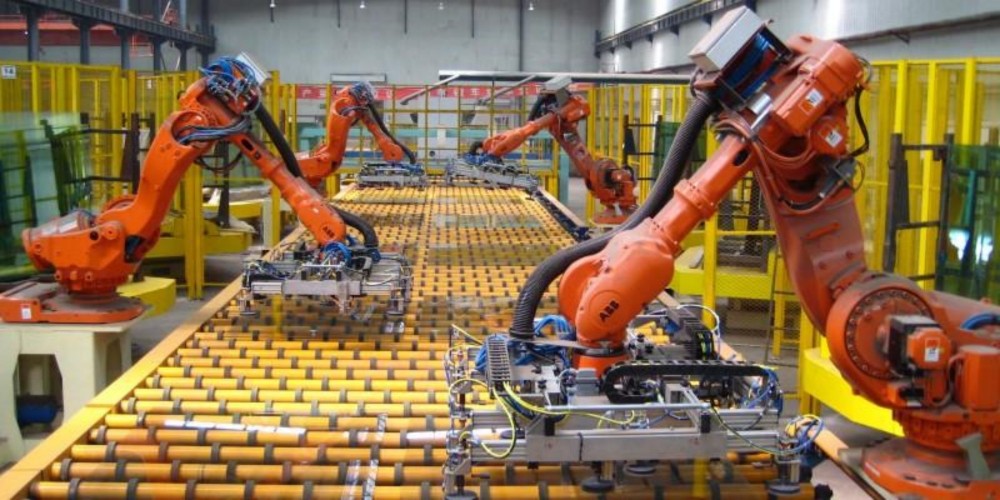 North American Robot Orders Reach $622 Million As Industrial Automation Demand Expands In 2026
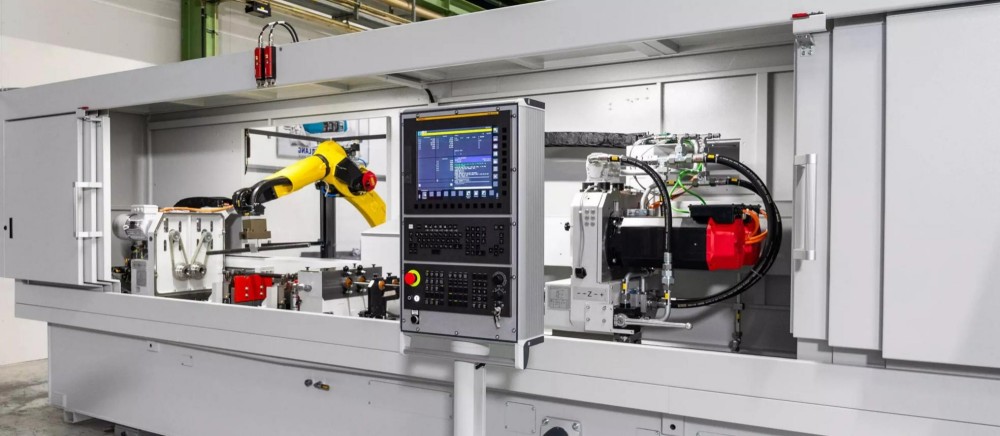 FANUC Launches 5-Axis Integrated Technology Initiative To Improve CNC Automation And Manufacturing Efficiency
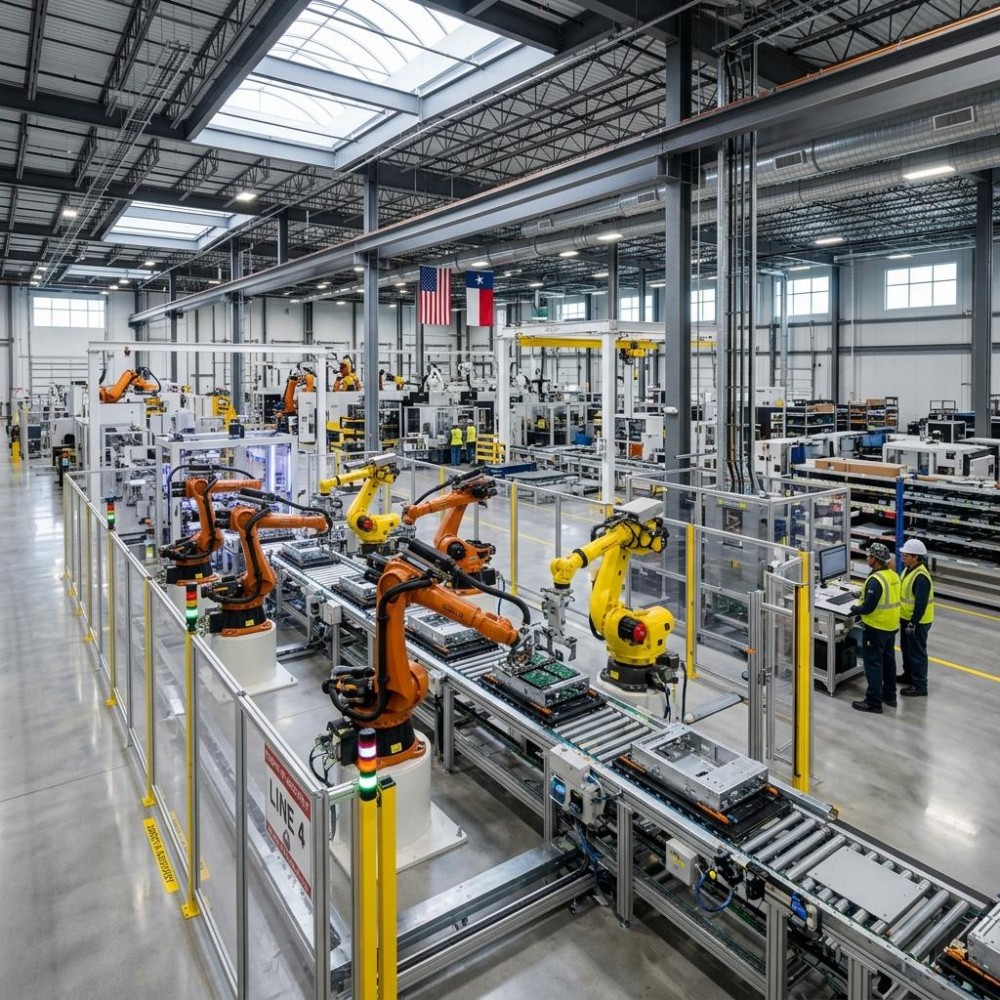 U.S. Industrial Robot Installations Rise 11% As Flexible Automation Expands