100% Original, Ready to Ship!

North American Robot Orders Rise 4.3% In Q2 2026 As Industrial Automation Demand Broadens
The North American industrial automation market continued to show resilience in the second quarter of 2026, with companies increasing their investment in industrial robots across a wider range of manufacturing sectors. New data released by the Association for Advancing Automation shows that North American companies ordered 8,940 robots worth approximately $622 million during Q2 2026. Compared with the same quarter in 2025, robot unit orders increased by 4.3%, while order value rose by 21.3%.
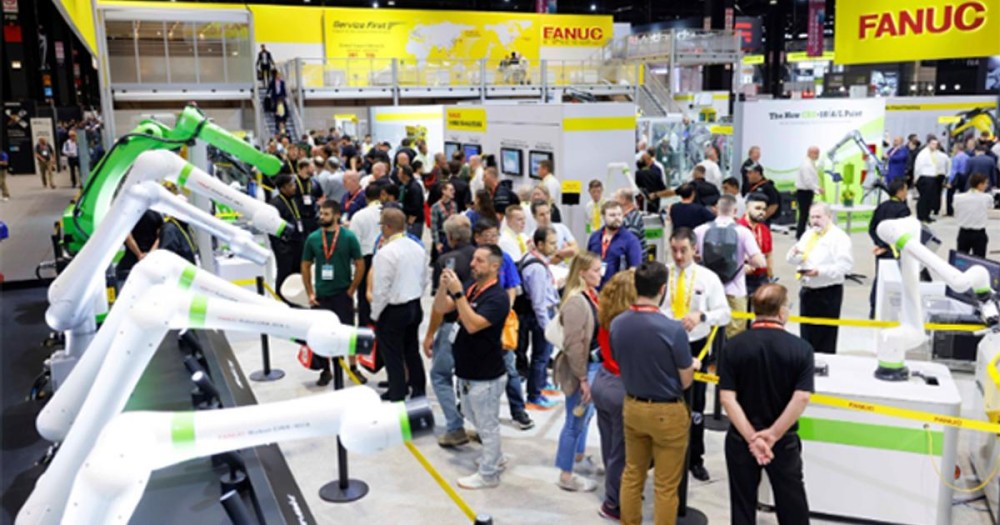
The latest figures are particularly significant because automation demand is becoming less dependent on the traditional automotive sector. During the first half of 2026, North American companies ordered 17,995 robots with a combined value of approximately $1.166 billion. This represents a 2.0% increase in units and a 6.6% increase in order value compared with the first half of 2025.
Industrial Automation Expands Beyond Automotive
Automotive manufacturing remains an important market for industrial robotics, but the latest figures show stronger diversification. During the first half of 2026, robot orders increased significantly in several industries.
Semi-conductor, electronics and photonics companies increased robot orders by 35%, while life sciences, pharmaceutical and biomedical applications increased by 32%. Automotive component manufacturers recorded 24% growth, followed by food and consumer goods at 17%. Plastics and rubber increased by 6%, while metals grew by 3%.
This shift is important for automation suppliers because it creates demand for more flexible control architectures. Manufacturers in electronics, pharmaceuticals, food processing and general industrial production often require different combinations of PLCs, motion controllers, machine vision systems, industrial networks, sensors and robotic systems.
Collaborative Robots Continue to Gain Attention
Collaborative robots are also becoming an important part of the industrial automation market. During the first half of 2026, companies ordered 2,774 collaborative robots worth approximately $114 million. Cobots represented 15.4% of total robot units ordered during the period.
Their adoption is particularly strong in applications where manufacturers need flexible automation without completely redesigning existing production lines. Electronics, life sciences, pharmaceutical production and smaller assembly operations can benefit from robotic systems that work alongside human operators.
For PLC and automation engineers, this trend also increases the importance of communication between robots, safety systems, PLC controllers, sensors and higher-level manufacturing software.
What This Means for Factory Automation
The Q2 2026 data suggests that industrial automation is increasingly being treated as a long-term competitiveness strategy rather than a technology limited to automotive production.
Manufacturers are investing in automation to improve productivity, maintain consistent quality, address labor shortages and increase production flexibility. As a result, demand is likely to continue expanding for PLC systems, industrial control modules, motion control, machine vision, safety controllers, industrial Ethernet and robotic integration.
For suppliers and system integrators, the broader market creates opportunities across both new installations and modernization projects. Existing factories are also increasingly combining legacy PLC and DCS equipment with modern robotics, edge computing and industrial communication technologies.
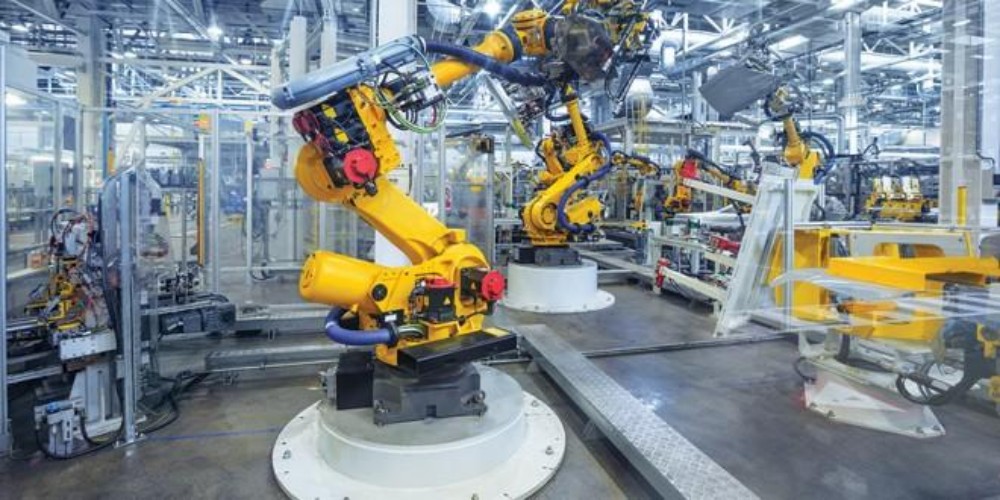
The latest robot-order figures therefore point to an important direction for the automation industry: growth is becoming broader, more distributed and increasingly connected to flexible manufacturing rather than a single industrial sector.
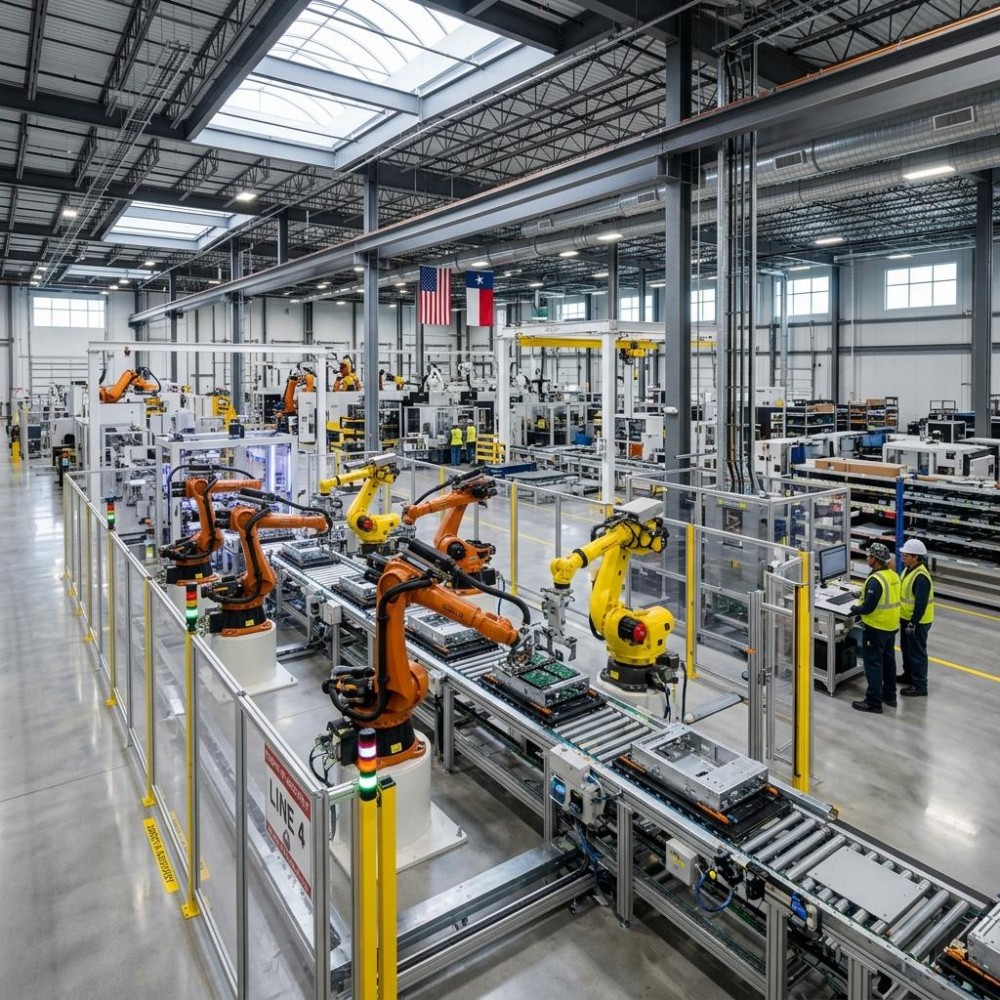 U.S. Industrial Robot Installations Rise 11% As Flexible Automation Expands
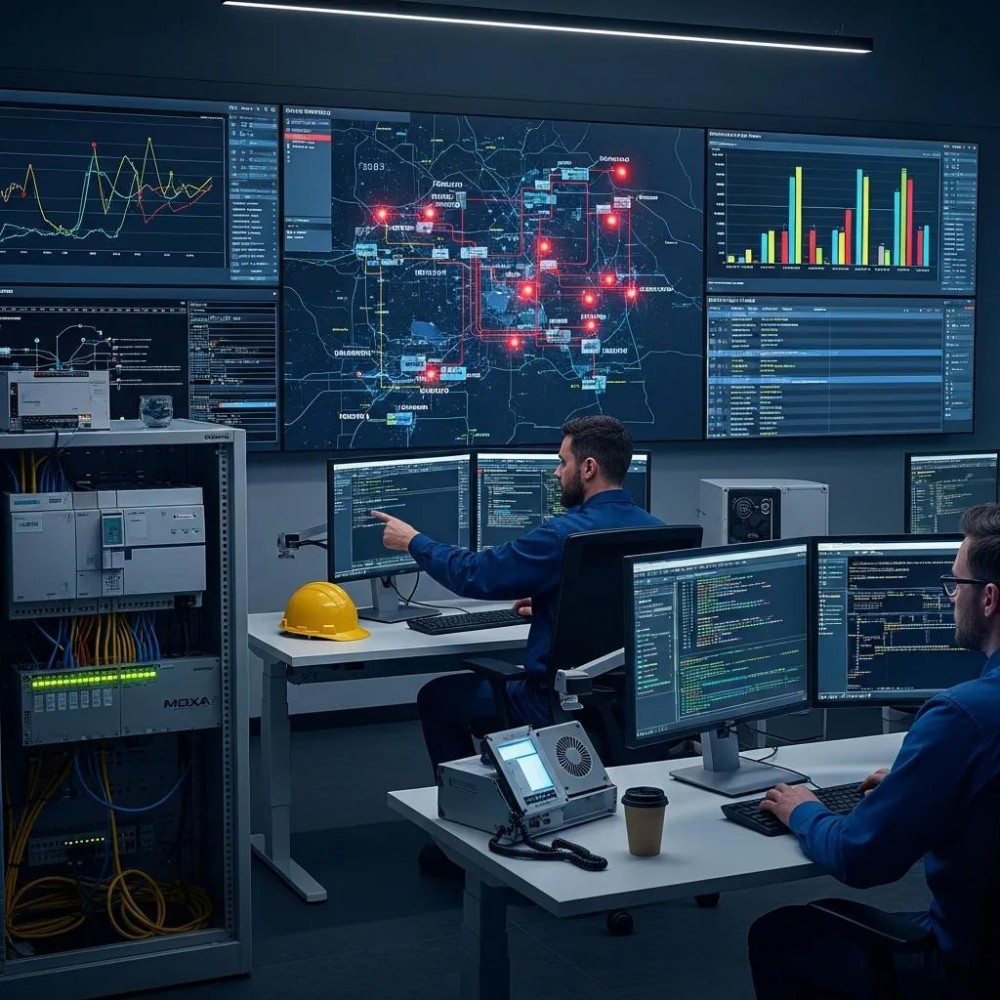 Siemens S7 PLC Cybersecurity Warning Highlights Growing OT Security Risks
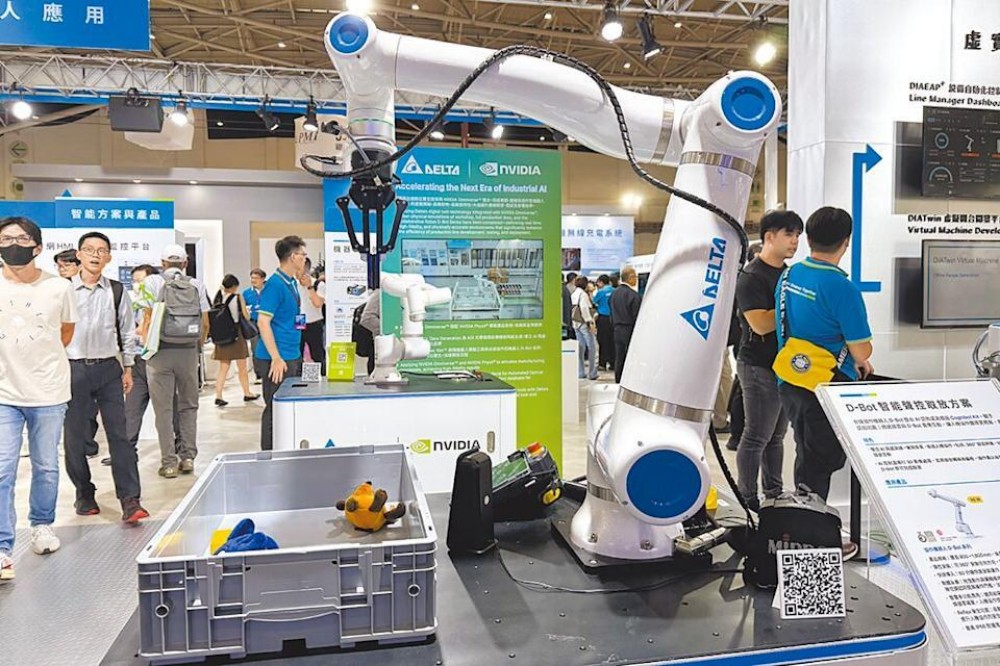 Delta’s Embodied AI And Digital Twins Signal A New Era For Industrial Automation
 Schneider Electric Advances Software-Defined Automation For PLC And DCS Modernization