100% Original, Ready to Ship!

Seeing Machines Wins Advanced Robotics Contract For Factory Automation And Human-Robot Interaction
Industrial automation is moving beyond traditional machine control as computer vision and artificial intelligence become increasingly important in factory environments. On August 12, 2026, Seeing Machines announced that it had secured an Advanced Development Contract with a global industrial technology company focused on factory automation and human-robot interaction.
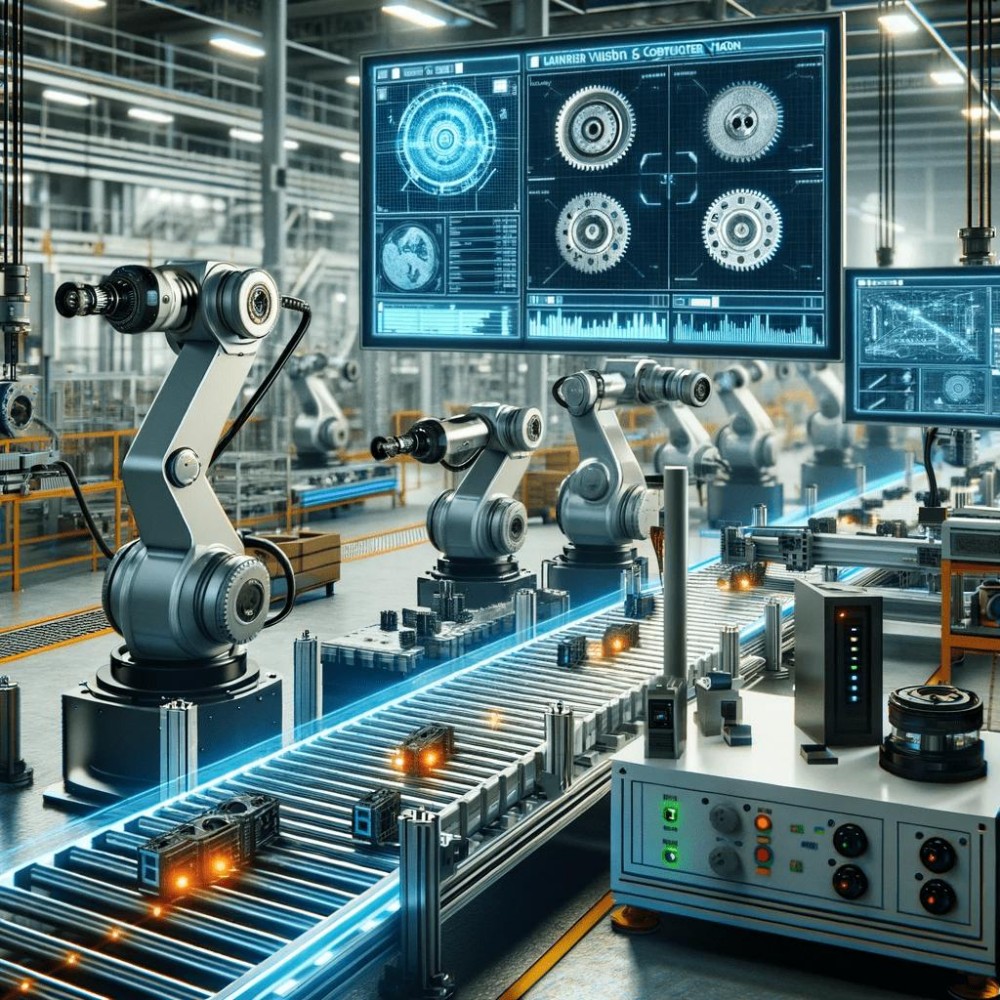
The initial program will develop a robotics proof-of-concept application for a factory automation environment. The project is expected to create a foundation for additional collaborative development in industrial automation and robotics.
From Driver Monitoring to Industrial Robotics
Seeing Machines is known for its computer-vision and human-monitoring technology, but the new development contract demonstrates how its technology can move into industrial applications.
The project builds on the company’s Perception Map technology and Human-Centred AI capabilities. Instead of focusing only on vehicle operators, the technology is being applied to environments where people and machines need to interact safely and efficiently.
This is becoming an increasingly important area of factory automation. Traditional industrial robots normally operate according to predefined programs, while human workers provide supervision, maintenance and process intervention. As factories become more flexible, robots need better awareness of people, workspaces and changing operating conditions.
Computer vision can provide an additional layer of information for these systems.
Human-Robot Interaction Becomes an Automation Priority
Modern manufacturing environments increasingly combine industrial robots, PLC controllers, safety systems, machine vision, sensors and industrial communication networks.
A robot may perform repetitive assembly or material-handling operations while a human operator performs inspection, adjustment or maintenance. In such applications, the ability to understand human movement and operating conditions can become an important part of the overall automation architecture.
The latest Seeing Machines project highlights this transition from conventional automation toward more intelligent human-machine interaction.
The company says its Human-Centred AI approach is designed to help machines better understand people and their environments, anticipate potential risks and support safer, more intuitive interaction.
Why This Matters for PLC and Automation Engineers
For PLC and DCS professionals, the development is relevant because AI-based perception does not necessarily replace conventional control systems. Instead, it can add a new intelligence layer around existing automation infrastructure.
A future robotic cell could combine PLC-based sequencing, safety PLC functions, servo drives, industrial Ethernet, machine vision, AI perception and robot controllers within one integrated architecture.
The PLC remains responsible for deterministic control and machine sequencing, while AI and vision technologies can provide additional information for higher-level decisions.
This creates opportunities for system integrators to develop more advanced automation solutions without abandoning established industrial control technologies.
The Next Stage of Factory Automation
The new robotics development contract is another indication that industrial automation is expanding from fixed machine programming toward systems capable of understanding their surroundings.
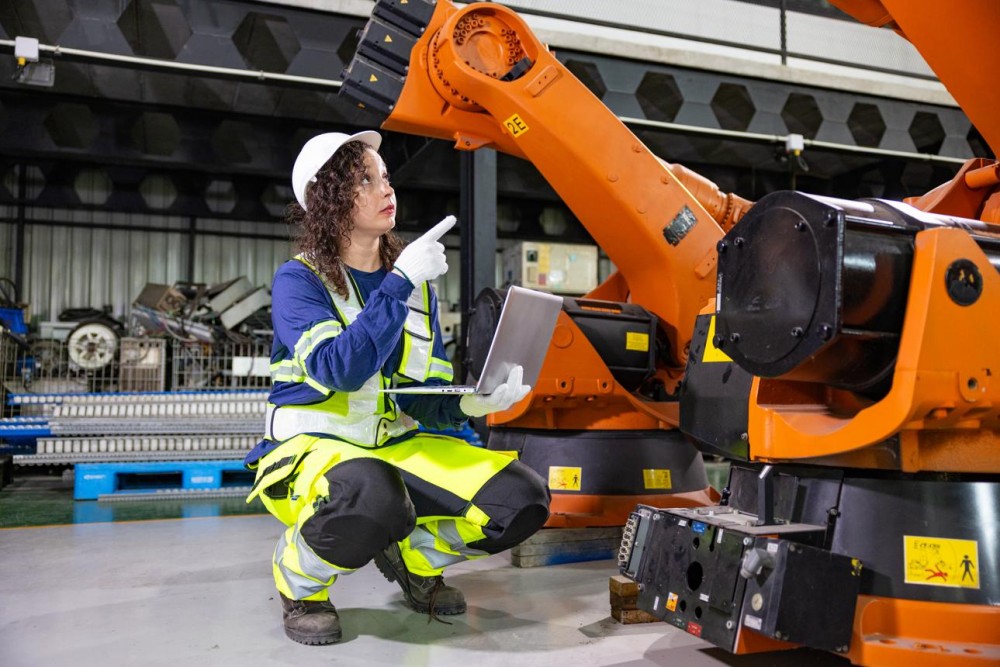
As manufacturers demand greater flexibility, human-robot collaboration, computer vision and AI-assisted control are likely to become increasingly connected with PLCs, safety systems and industrial networks.
For the global automation market, the development represents a practical step toward more human-centred factories where robots do not simply execute predefined commands but can increasingly respond to people and changing production environments.
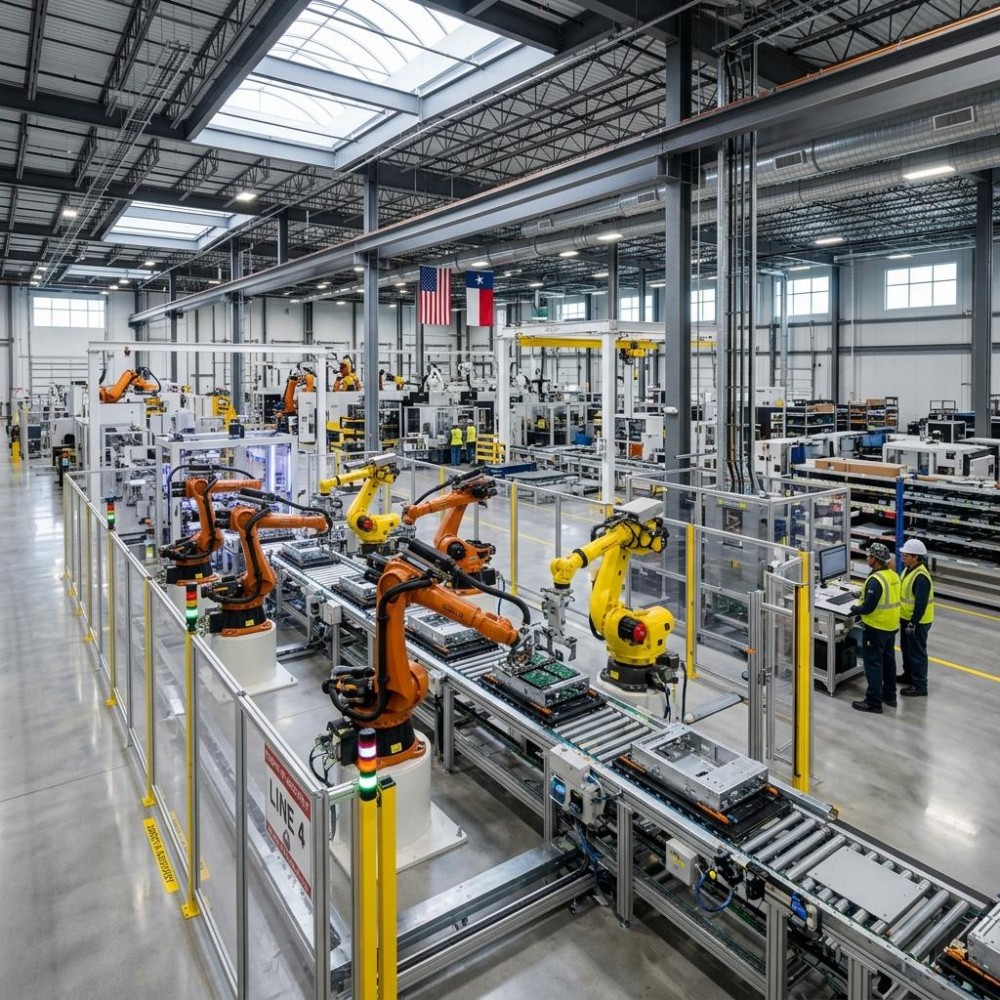 U.S. Industrial Robot Installations Rise 11% As Flexible Automation Expands
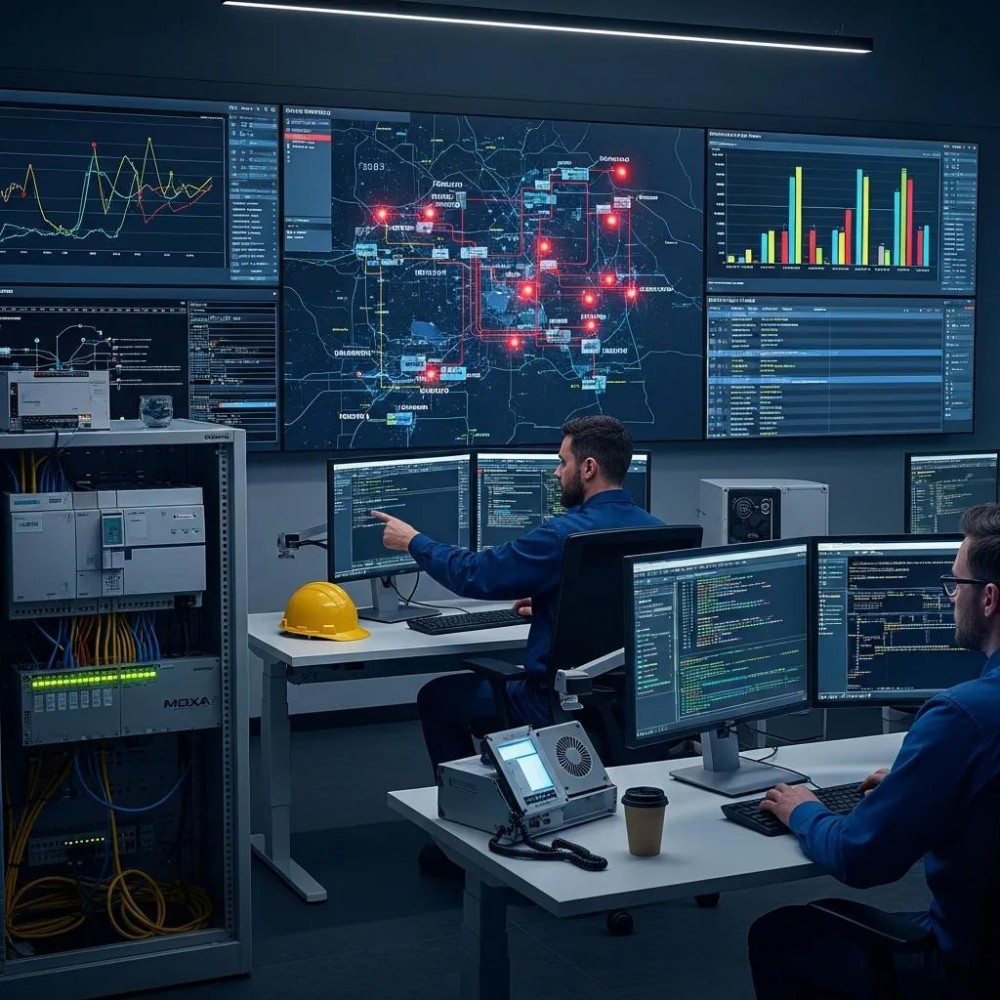 Siemens S7 PLC Cybersecurity Warning Highlights Growing OT Security Risks
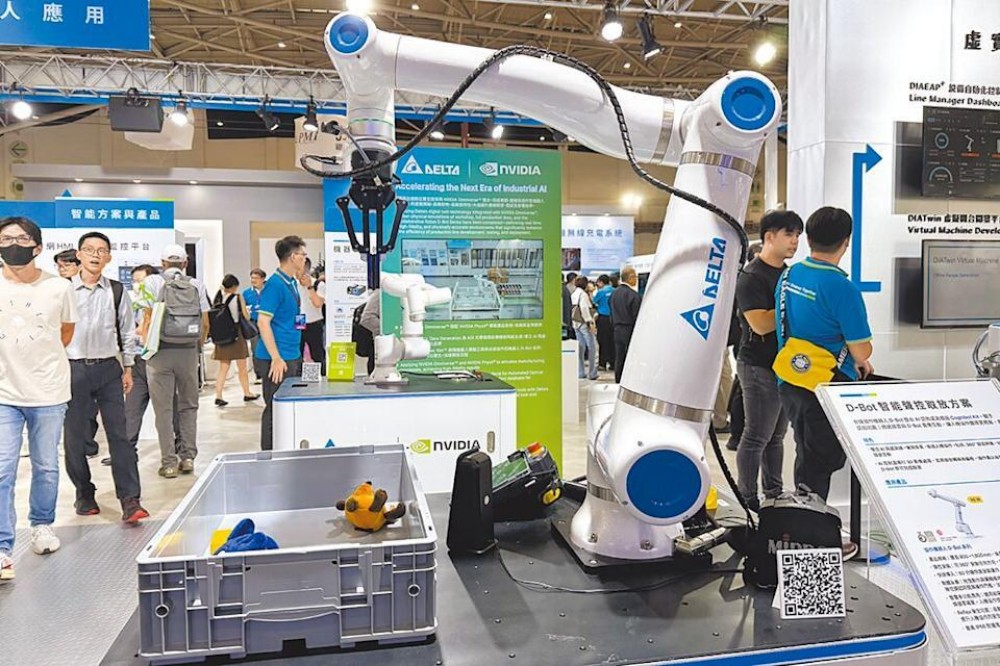 Delta’s Embodied AI And Digital Twins Signal A New Era For Industrial Automation
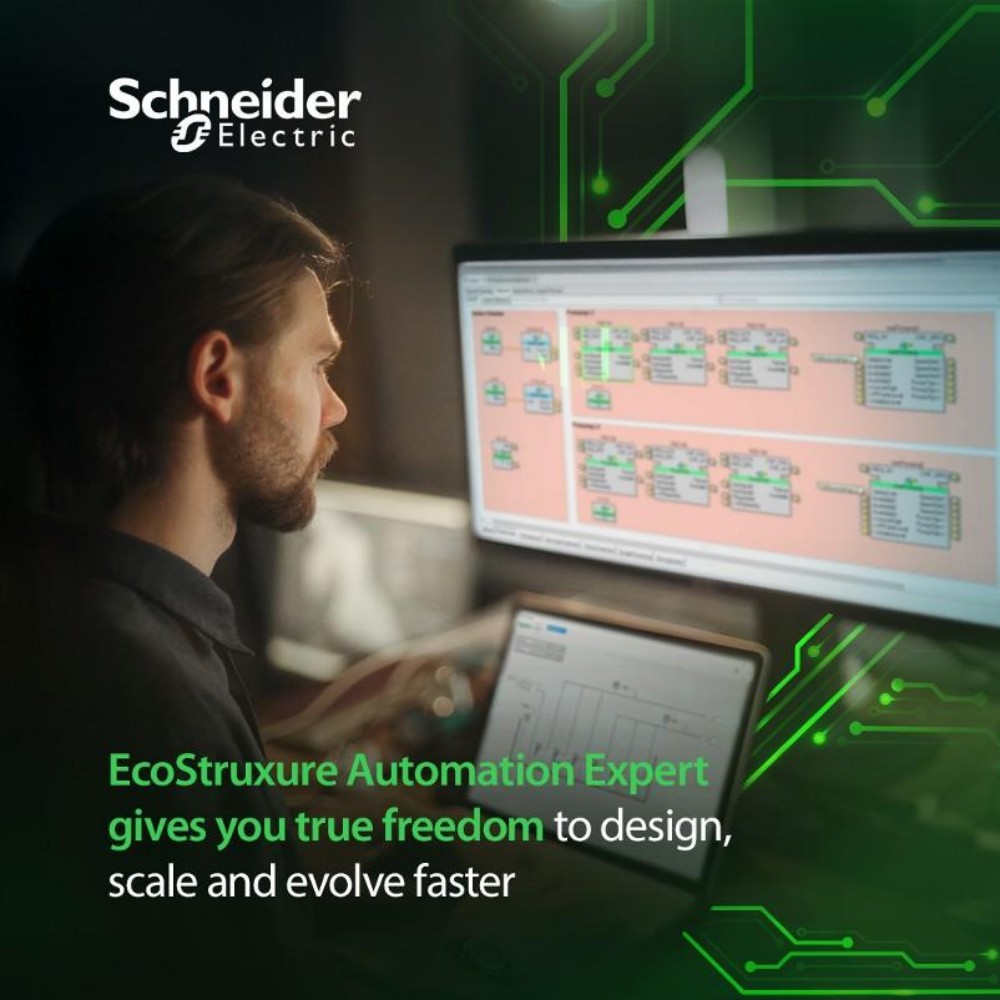 Schneider Electric Advances Software-Defined Automation For PLC And DCS Modernization