100% Original, Ready to Ship!

Siemens And HD Hyundai Launch AI-Powered Digital Shipyard For Next-Generation Industrial Automation
Siemens and HD Hyundai are accelerating the digital transformation of shipbuilding with a new AI-powered digital shipyard initiative, marking another important step in the development of smart manufacturing and industrial automation. The partnership combines Siemens industrial software and automation technologies with HD Hyundai’s shipbuilding expertise to create a more connected and data-driven production environment.
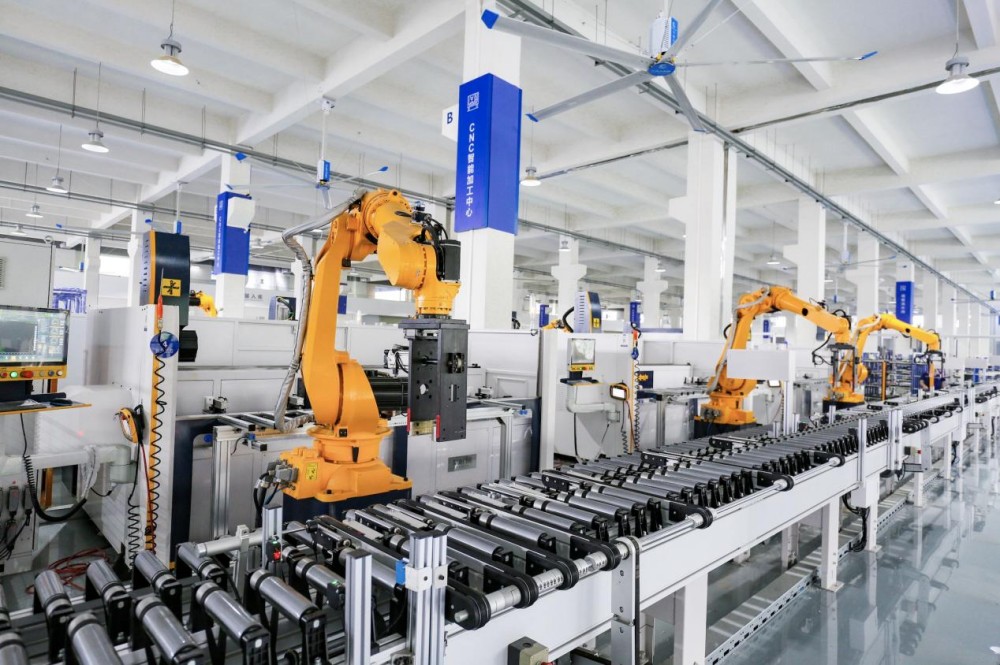
The new digital shipyard concept is designed to connect major stages of the shipbuilding process through a unified digital platform. Instead of treating engineering, production, logistics, quality inspection and maintenance as separate activities, the new approach aims to establish continuous data flow across the entire manufacturing lifecycle.
One of the key technologies behind this transformation is the digital twin. By creating virtual representations of products, equipment and production processes, engineers can evaluate manufacturing scenarios before changes are implemented on the physical production floor. This can help identify potential production problems earlier, improve engineering coordination and reduce unnecessary rework.
Industrial automation is also becoming increasingly important in this model. PLC systems, industrial control platforms, robotics, sensors and production software can generate large volumes of operational data. When this information is connected with engineering and manufacturing systems, companies can gain better visibility into production performance and equipment conditions.
For automation engineers, the project demonstrates how traditional control technologies are increasingly becoming part of a larger digital ecosystem. PLC and automation systems remain responsible for reliable machine control, while higher-level software platforms provide data integration, simulation, analytics and optimization.
The project also highlights the growing role of artificial intelligence in industrial environments. AI can analyze large quantities of engineering and production information, helping manufacturers identify patterns, optimize workflows and support faster decision-making. However, the value of industrial AI depends heavily on reliable data from automation systems and connected equipment.
The digital shipyard approach could become an important reference for other complex manufacturing industries. Automotive, aerospace, energy equipment and heavy machinery manufacturers face similar challenges involving engineering complexity, fragmented production data and the need for greater manufacturing flexibility.
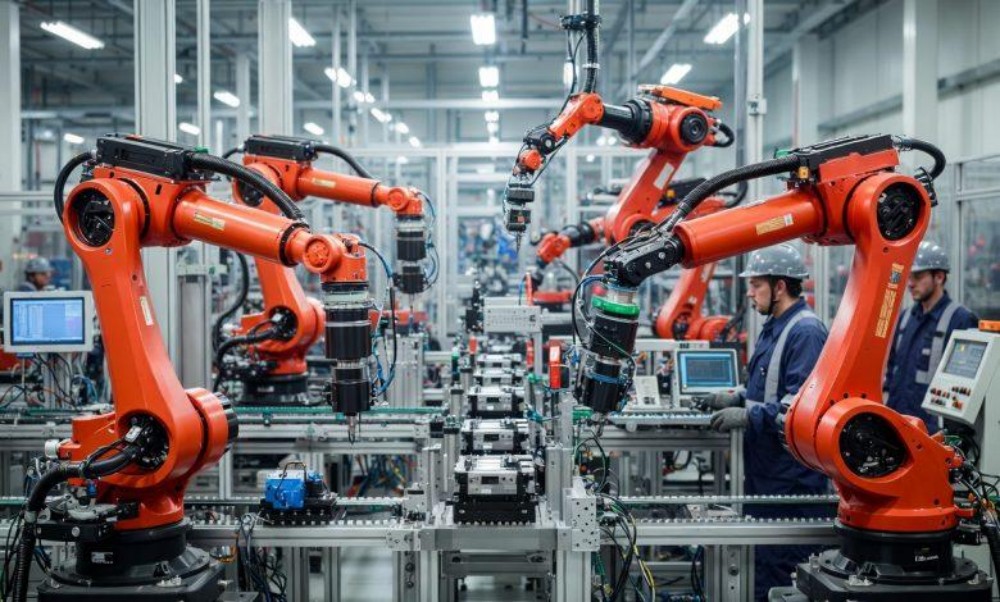
As industrial companies continue investing in smart manufacturing, the integration of PLC automation, industrial software, digital twins, AI and real-time production data is expected to become increasingly important. The Siemens and HD Hyundai collaboration demonstrates how industrial automation is moving beyond individual machines toward fully connected production ecosystems.
For global manufacturers, the future of automation will not only be about controlling machines. It will also be about connecting engineering, production and business information to create smarter, more flexible and more efficient industrial operations.
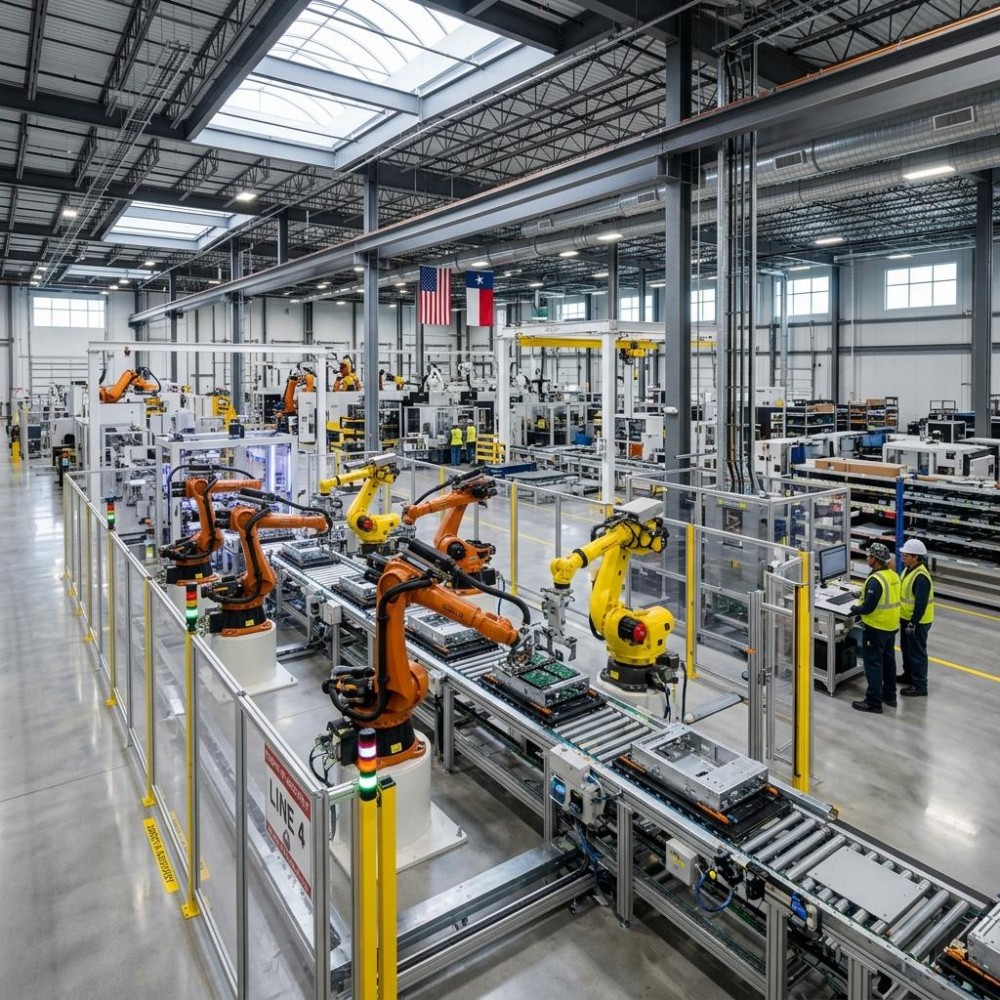 U.S. Industrial Robot Installations Rise 11% As Flexible Automation Expands
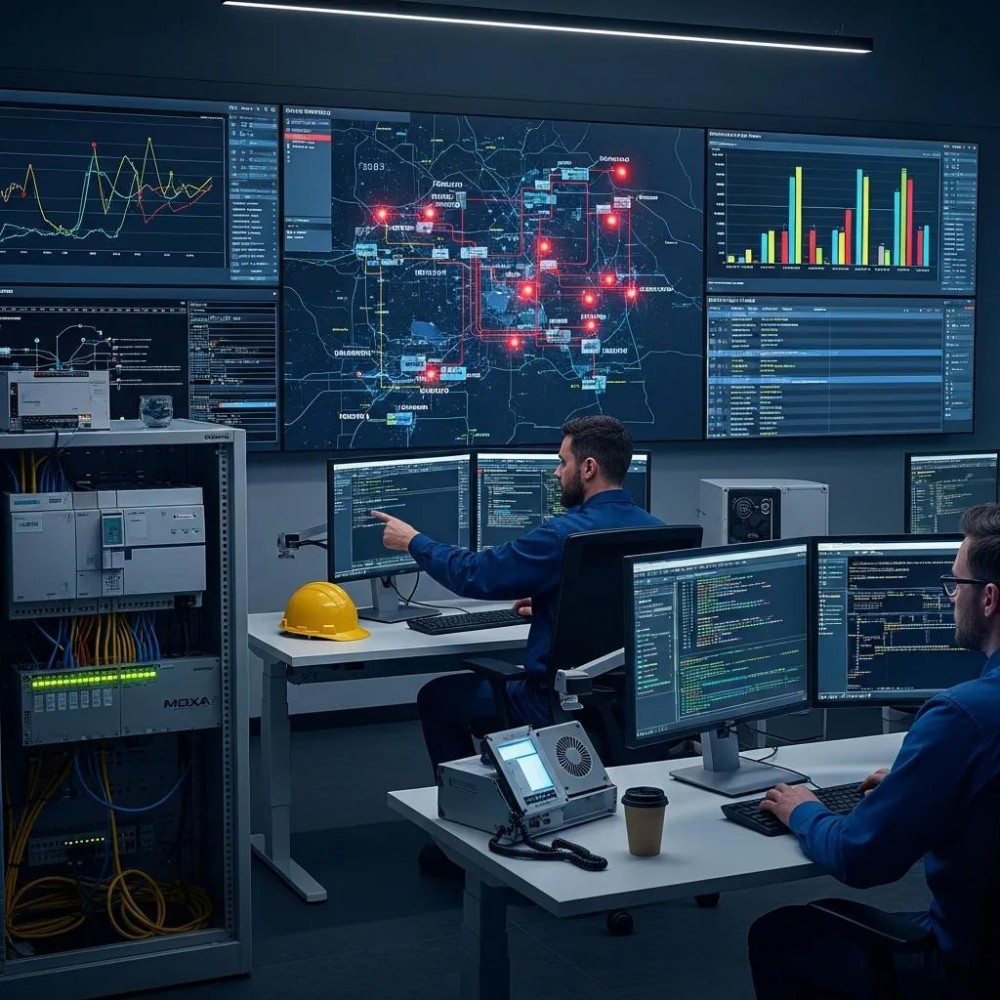 Siemens S7 PLC Cybersecurity Warning Highlights Growing OT Security Risks
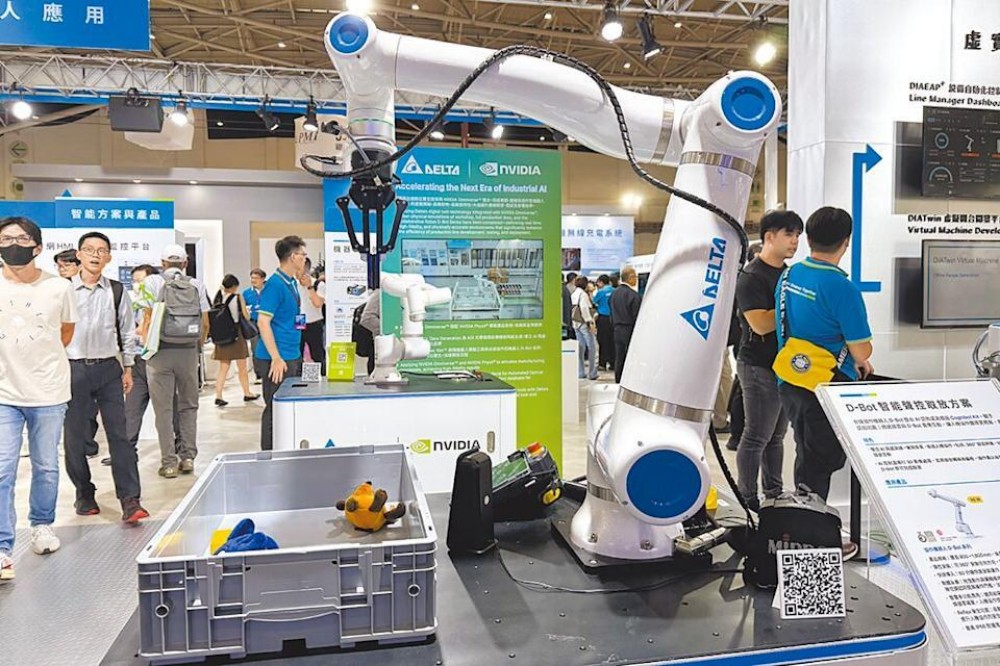 Delta’s Embodied AI And Digital Twins Signal A New Era For Industrial Automation
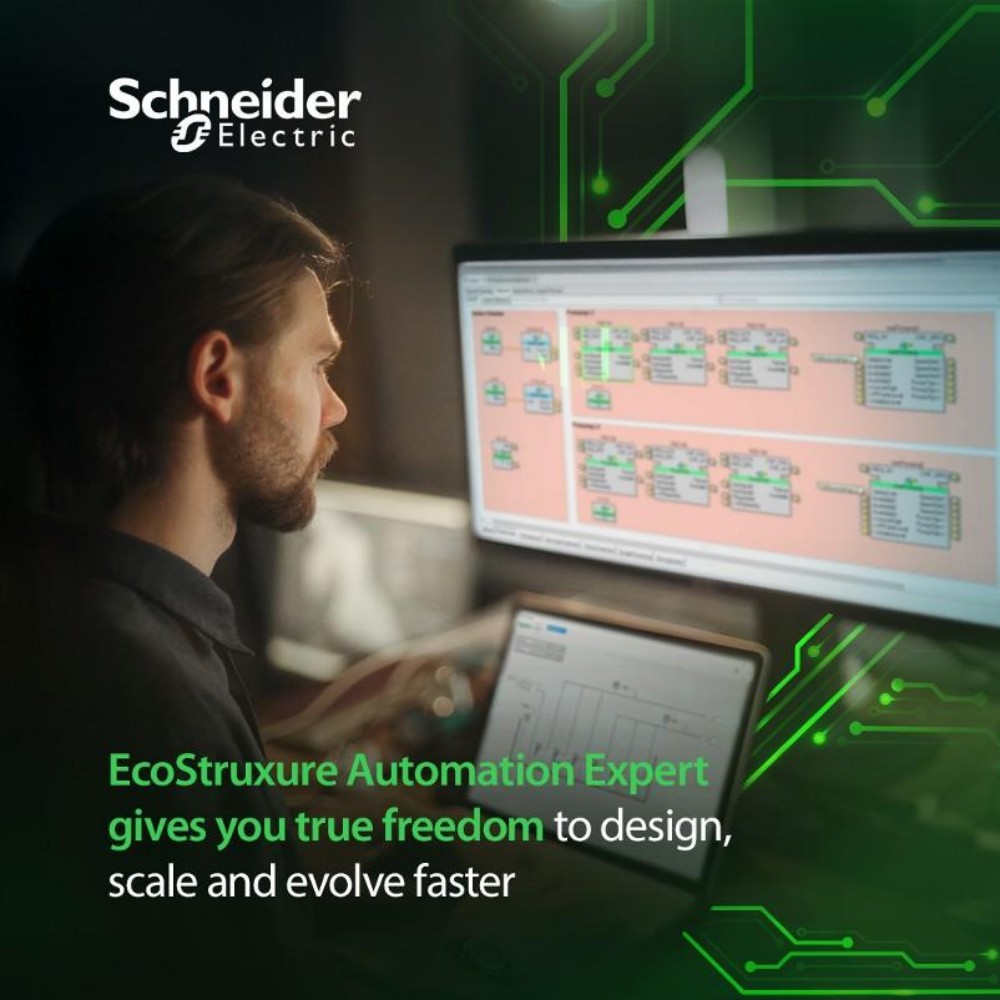 Schneider Electric Advances Software-Defined Automation For PLC And DCS Modernization