100% Original, Ready to Ship!

XPENG Robotics Raises More Than $900 Million As Humanoid Robots Move Toward Industrial Automation
XPENG is accelerating its humanoid robotics strategy after its robotics business raised more than US$900 million in a new financing round announced in August 2026. The funding has placed XPENG Robotics at a valuation of more than US$6.3 billion and is expected to support humanoid robot development, artificial intelligence research, production infrastructure, and commercialization.
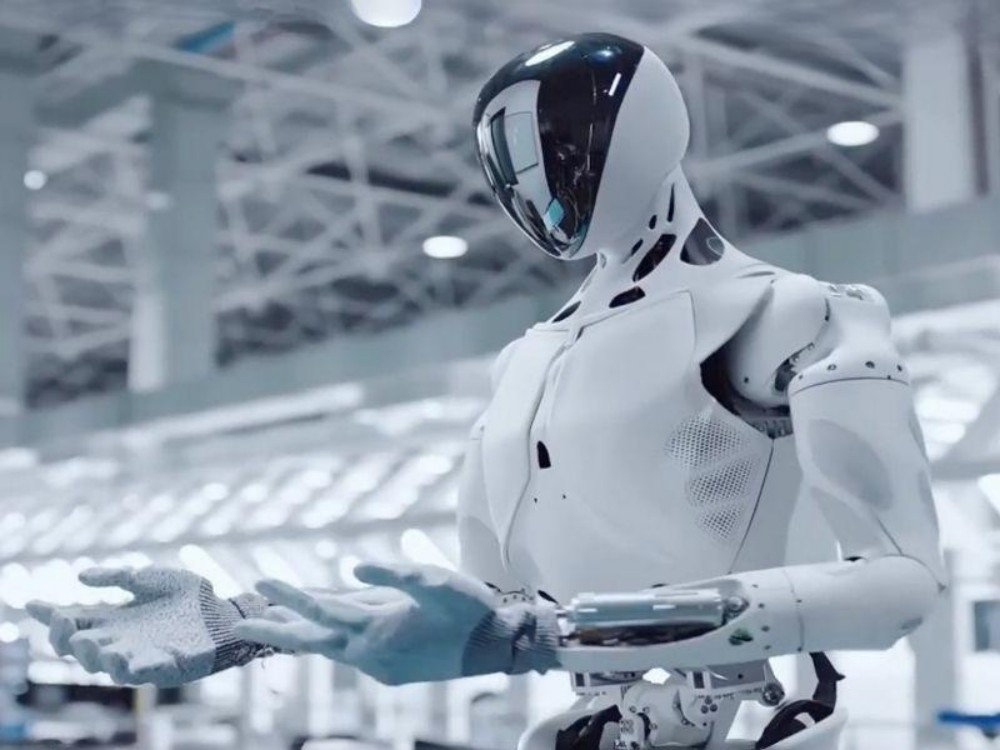
The investment represents another major development in the rapidly growing Physical AI and robotics industry. Companies with experience in electric vehicles, autonomous driving, sensors, batteries, embedded computing, and intelligent control are increasingly applying these technologies to humanoid robots.
XPENG’s humanoid robot, known as IRON, is being developed as a general-purpose Physical AI platform. The company plans to move toward mass production, with initial applications expected to include commercial and industrial environments.
Humanoid robots have attracted significant attention from manufacturers because their human-like physical structure could allow them to operate in environments already designed for people. This could potentially reduce the need for major changes to factory layouts and production infrastructure.
However, industrial deployment presents much greater challenges than laboratory demonstrations. A production robot must provide reliable operation, accurate motion control, safe interaction with people, and consistent performance over long operating periods.
Humanoid robots also require the integration of multiple technologies. These include high-performance processors, sensors, actuators, motor drives, batteries, artificial intelligence models, motion-control systems, communication networks, and software.
For traditional automation engineers, this creates an interesting relationship between humanoid robots and PLC-based automation. PLCs remain highly effective for deterministic machine control, safety interlocks, sequencing, I/O management, and industrial process control. Humanoid robots could potentially complement these systems rather than directly replace them.
A future smart factory could therefore contain PLCs controlling production equipment while AI-enabled robots perform flexible material handling, inspection, assembly, logistics, and other tasks.
XPENG’s investment also demonstrates the increasing convergence between automotive technology and industrial robotics. Experience in large-scale manufacturing, supply-chain management, quality control, batteries, sensors, and intelligent software can potentially be transferred from electric vehicles to robotic platforms.
The company has indicated that it plans to use the new funding to advance robot hardware and software, train AI models, collect high-quality data, develop production facilities, and expand internationally.
For the industrial automation market, the most important question is now whether humanoid robots can move from demonstrations into reliable, economically viable production applications.
If manufacturers can achieve sufficient reliability, safety, cycle-time performance, and cost efficiency, humanoid robots could become another important layer in future factory automation architectures.
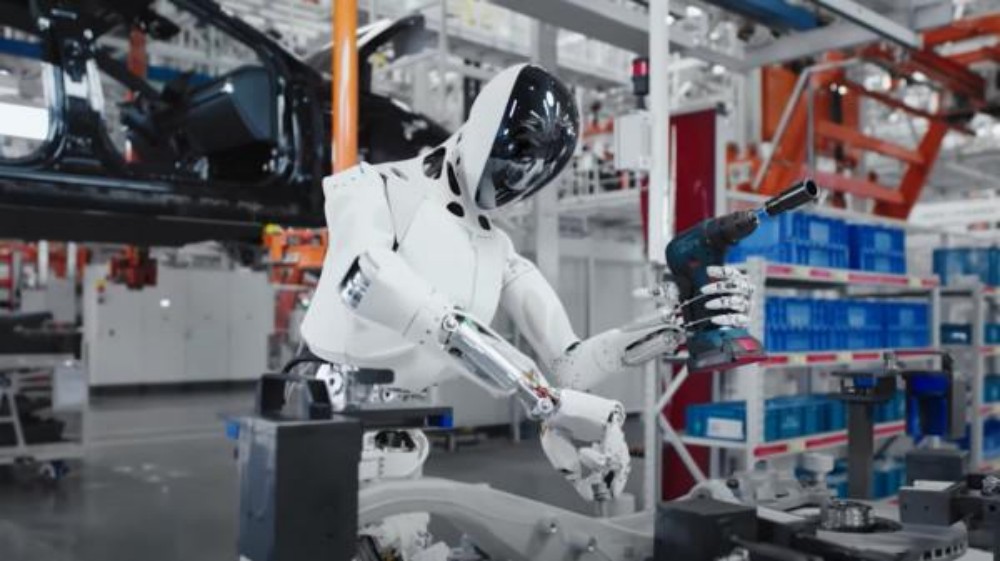
For PLC, DCS, SCADA, motion control, and robotics professionals, the rapid development of Physical AI suggests that industrial automation is entering a new stage in which conventional control systems and AI-powered machines increasingly work together.
 AI-Powered Robots Demonstrate The Future Of Industrial Automation In Europe
 ABB Appoints New B&R President To Drive Machine Automation And Industrial Innovation
 Schneider Electric Invests €150 Million In France To Strengthen Industrial Automation And Manufacturing
 Rockwell Automation Reports Rapid Growth In AI Adoption Across Smart Manufacturing