100% Original, Ready to Ship!

Physical AI And Robotics Drive The Next Generation Of Industrial Automation
The combination of artificial intelligence, robotics, sensors and industrial control technology is rapidly changing the automation industry. New developments in physical AI are creating opportunities for machines to perceive their surroundings, process information and respond to changing conditions in real time.
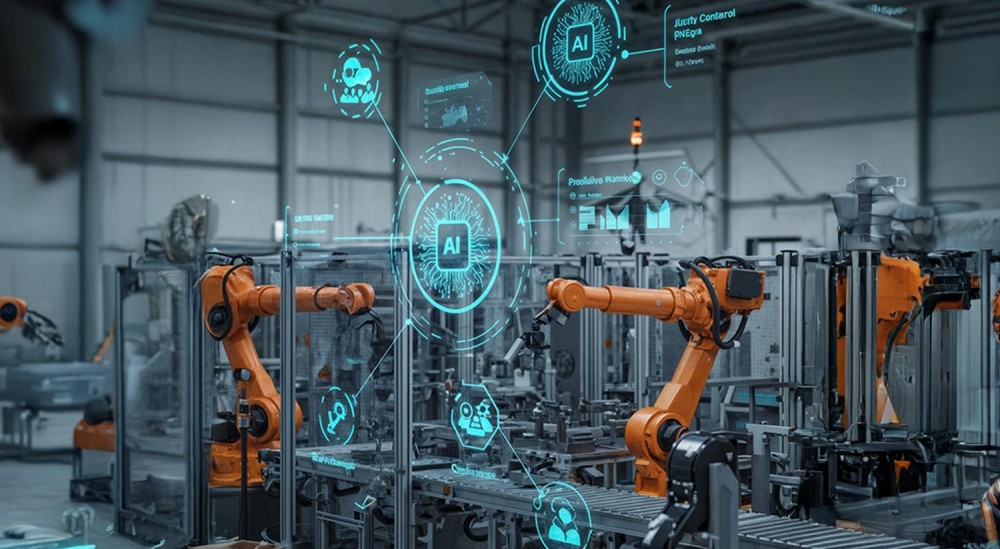
In August 2026, Renesas announced the establishment of a Physical AI and Robotics Lab in Beijing. The new laboratory is intended to support system-level demonstrations, validation and joint development for robotics and physical AI applications.
Physical AI represents an important development beyond traditional software-based artificial intelligence. Instead of operating only in a digital environment, physical AI is designed to interact with the real world through sensors, motors, robots and embedded computing systems.
This technology has significant potential for industrial automation. Modern production equipment already combines PLCs, servo drives, motion controllers, industrial communication networks, sensors and machine vision. Adding AI capabilities could allow automated machines to respond more intelligently to variations in products, production conditions and operating environments.
For example, AI-powered vision systems can help robots identify objects and determine their position before performing a task. Intelligent inspection systems can analyze products and identify defects. Edge computing can process sensor information locally, reducing the need to send every piece of data to a remote cloud platform.
Traditional PLCs will continue to play an important role in these systems. PLC technology provides deterministic control, machine sequencing, I/O management, safety functions and communication with field devices. AI and robotics are more likely to work alongside PLCs rather than completely replace them.
The combination of PLC control and AI could create a new automation architecture in which different technologies perform different functions. PLCs can manage reliable real-time control, while AI systems can support perception, optimization, prediction and higher-level decision-making.
Robotics is also becoming more flexible. Traditional industrial robots are excellent at repetitive tasks in controlled environments, but new AI-enabled robots are being developed to handle more variable operations. This could eventually make automation practical for applications that have historically required significant human involvement.
However, physical AI still faces important engineering challenges. Industrial robots must operate safely, reliably and consistently. AI-based decisions need to be validated, while cybersecurity and functional safety remain critical requirements.
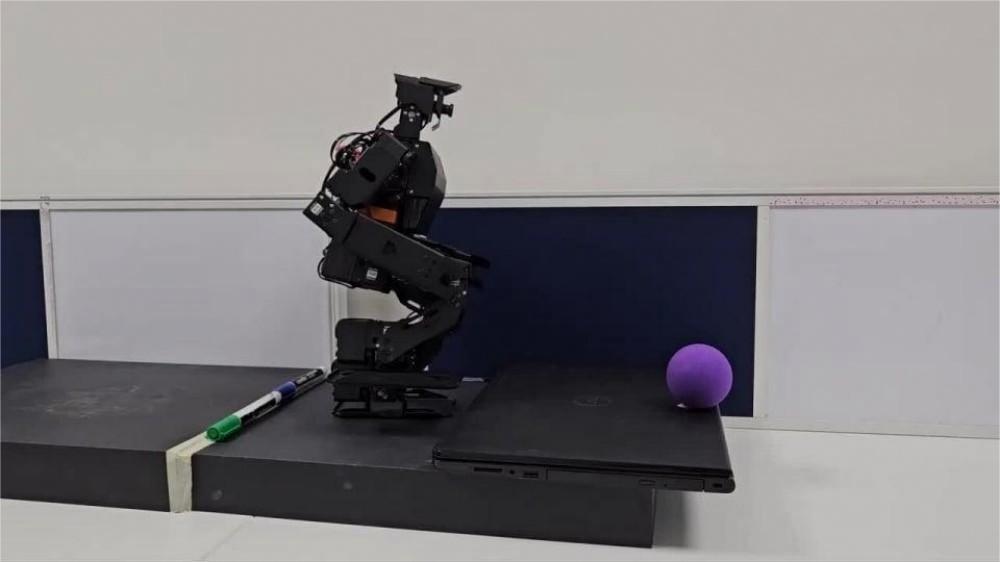
For manufacturers and automation system integrators, the convergence of PLCs, robotics, machine vision, AI and edge computing represents a major opportunity. The factories of the future are likely to combine deterministic industrial control with intelligent software and autonomous machines.
As physical AI technology matures, its impact could extend across manufacturing, logistics, inspection, material handling and process automation, making intelligent robotics an increasingly important component of modern industrial automation.
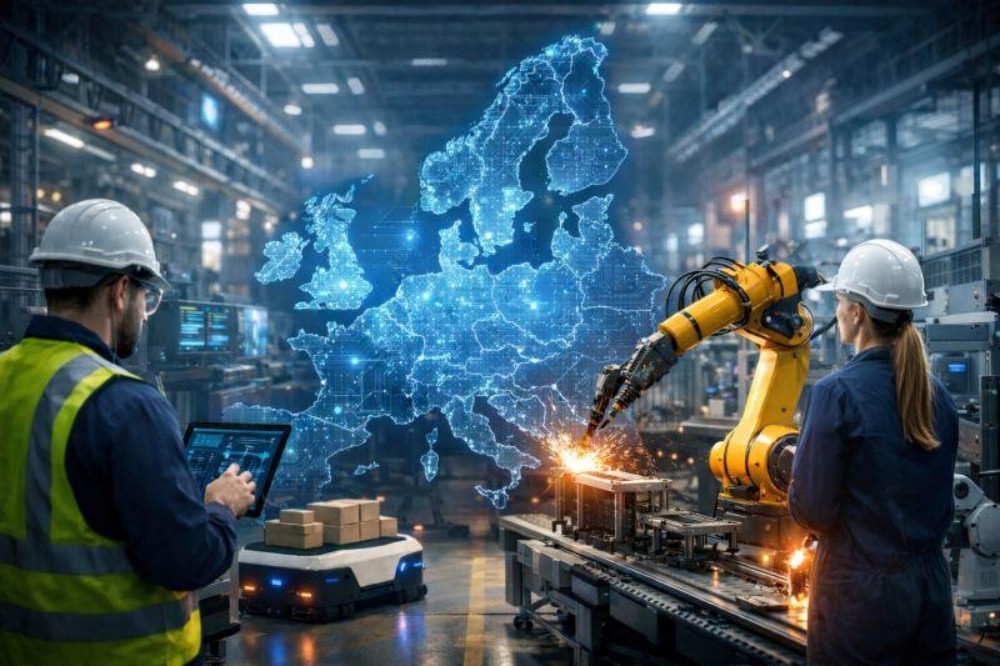 AI-Powered Robots Demonstrate The Future Of Industrial Automation In Europe
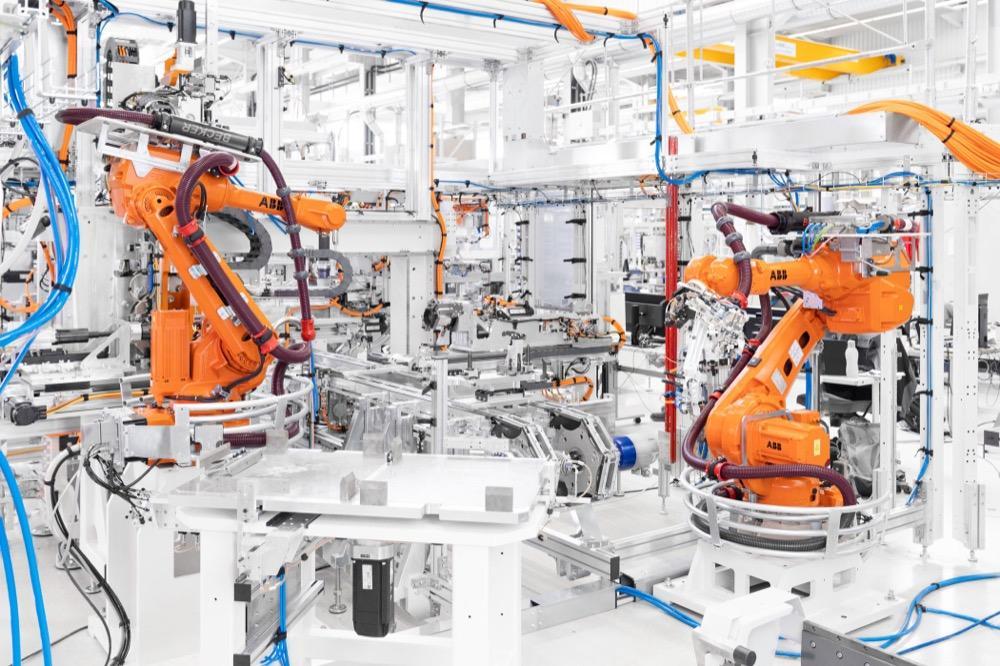 ABB Appoints New B&R President To Drive Machine Automation And Industrial Innovation
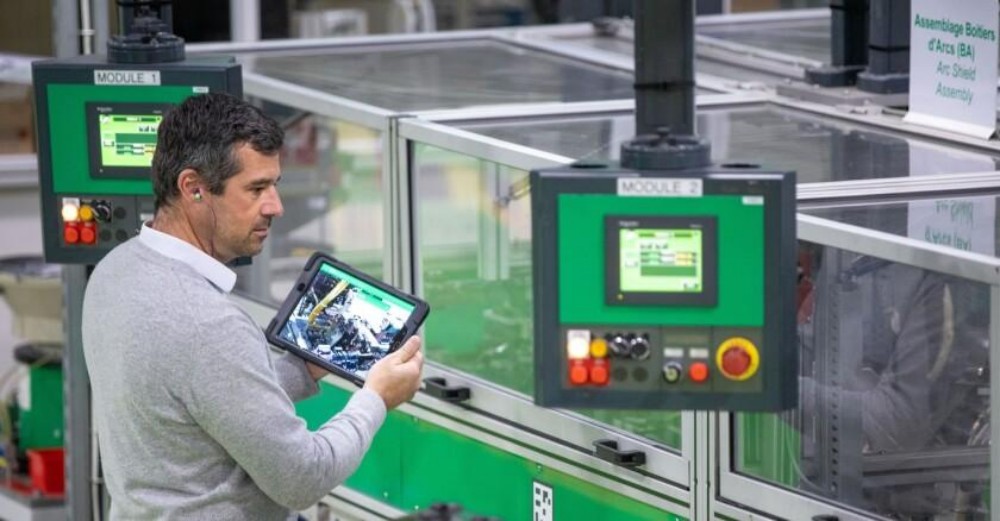 Schneider Electric Invests €150 Million In France To Strengthen Industrial Automation And Manufacturing
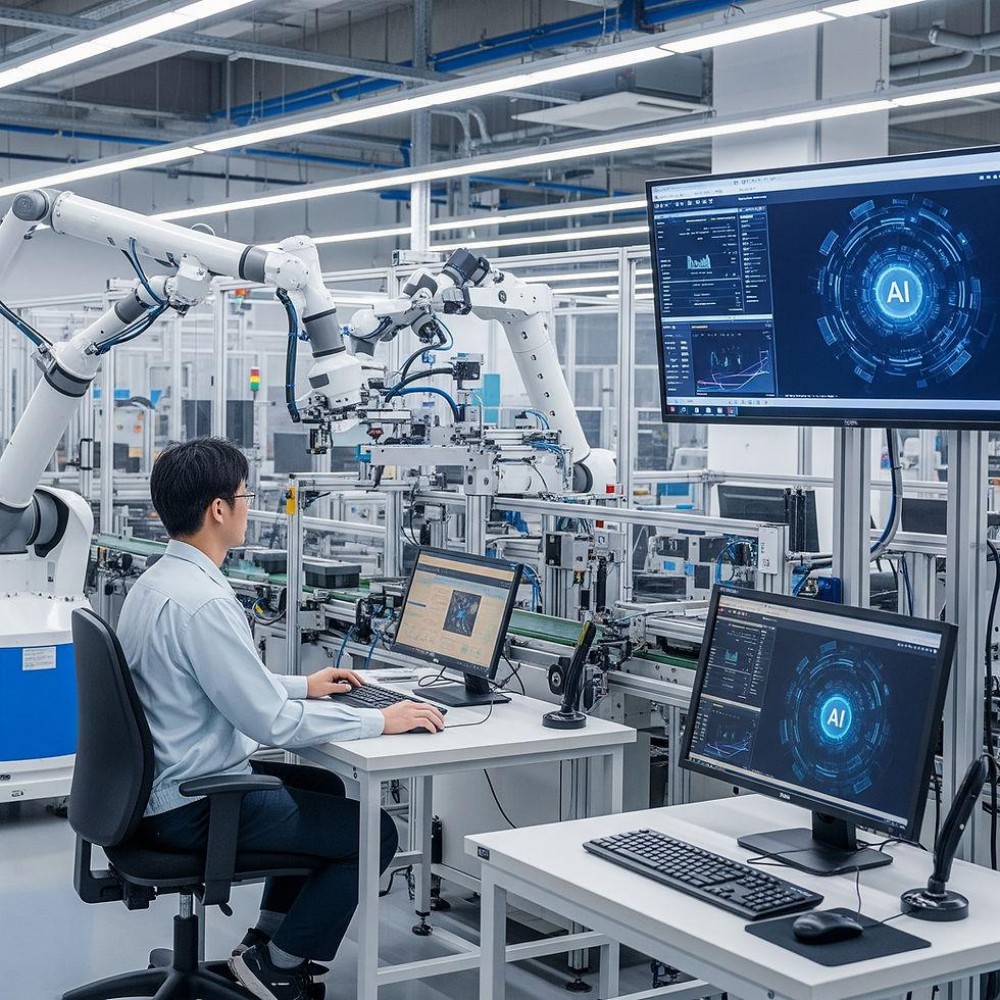 Rockwell Automation Reports Rapid Growth In AI Adoption Across Smart Manufacturing