100% Original, Ready to Ship!

PLC Cybersecurity Becomes A Critical Priority For Water And Industrial Infrastructure
Cybersecurity is becoming an increasingly important part of industrial automation as attackers continue to target operational technology, PLC systems and critical infrastructure. Recent cybersecurity incidents involving companies supporting water utilities have highlighted the risks associated with industrial control systems.
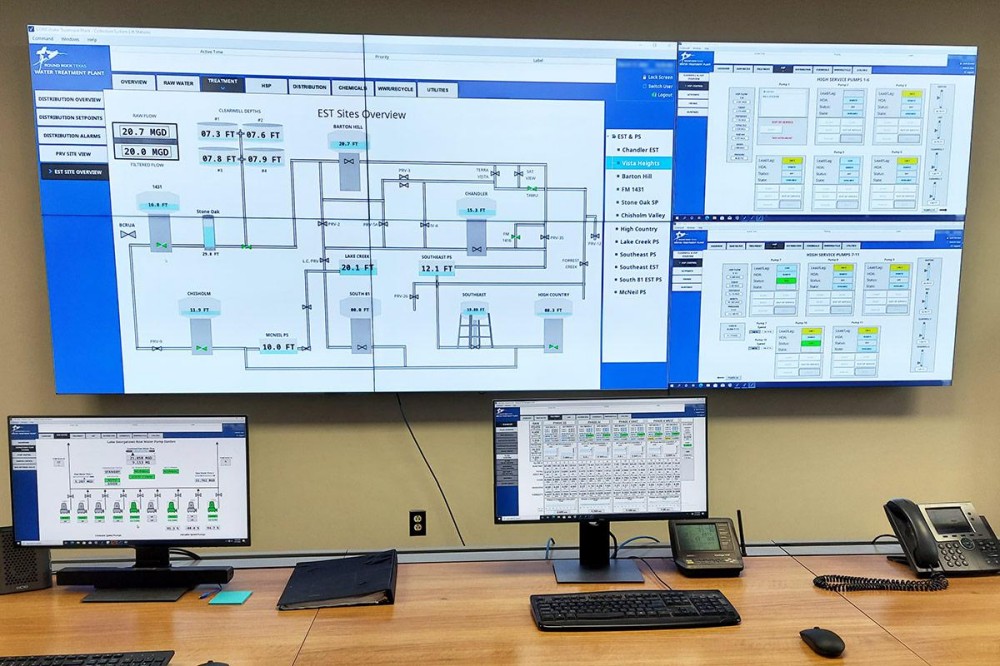
Programmable logic controllers are widely used in water treatment, wastewater processing, manufacturing, energy and other industrial applications. These controllers can operate pumps, motors, valves, sensors and other equipment, making their security directly connected to the reliability of physical operations.
A recent cyberattack involving a technology supplier serving the water sector has increased attention on the security of PLC-related information. Even when an incident does not directly interrupt plant operations, stolen technical information, system diagrams or other engineering data could potentially provide attackers with useful information about industrial environments.
This situation demonstrates why PLC cybersecurity cannot be treated solely as an IT responsibility. Industrial control systems operate differently from conventional office networks. A PLC may need to run continuously for years, and stopping a production process simply to perform software maintenance may not always be practical.
Industrial facilities should therefore consider cybersecurity during the entire lifecycle of an automation system. Network segmentation, secure remote access, strong authentication, controlled engineering workstations and regular security assessments can all help reduce the risk of unauthorized access.
Legacy PLC and SCADA systems require particular attention. Many factories continue to use automation equipment that was installed years ago. Some older controllers and communication systems were designed before today’s cybersecurity threats became widespread. Connecting these systems to modern networks without proper protection can increase their exposure.
Remote maintenance is another important consideration. Automation suppliers and system integrators increasingly need remote access to PLCs, HMIs, drives and industrial networks for diagnostics and technical support. While remote access can reduce maintenance costs and improve response times, it must be carefully controlled.
Cybersecurity is also becoming increasingly important as factories adopt Industrial IoT, cloud platforms, edge computing and AI-based monitoring. Connecting more devices can provide valuable production data, but it also creates additional communication paths that must be protected.
For manufacturers, the objective is not simply to protect computers. The goal is to protect the entire operational environment, including PLCs, DCS controllers, SCADA systems, HMIs, industrial Ethernet networks, remote-access gateways and engineering stations.
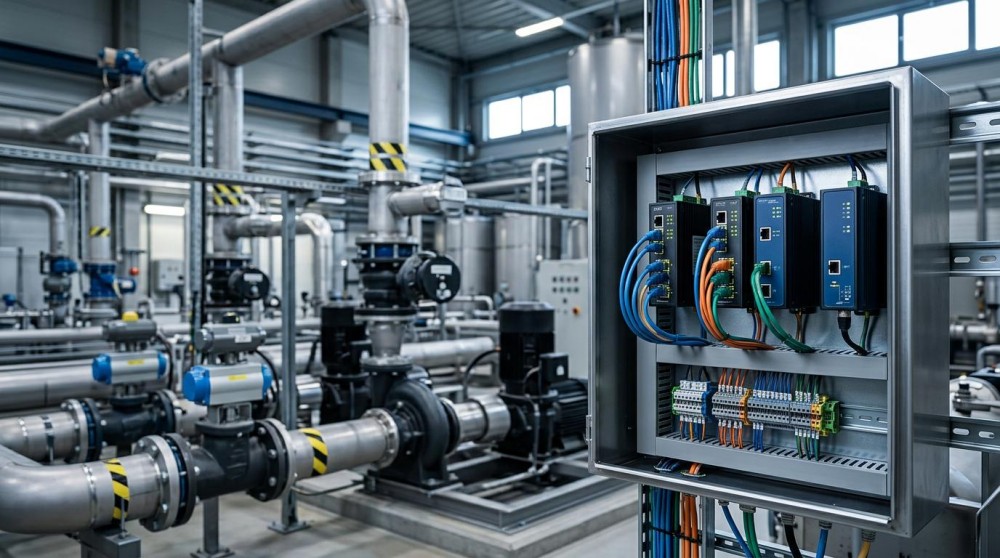
As industrial automation becomes more connected, PLC cybersecurity will increasingly become a fundamental part of plant reliability. Companies that integrate cybersecurity into automation design from the beginning will be better positioned to protect production continuity and reduce operational risks.
 AI-Powered Robots Demonstrate The Future Of Industrial Automation In Europe
 ABB Appoints New B&R President To Drive Machine Automation And Industrial Innovation
 Schneider Electric Invests €150 Million In France To Strengthen Industrial Automation And Manufacturing
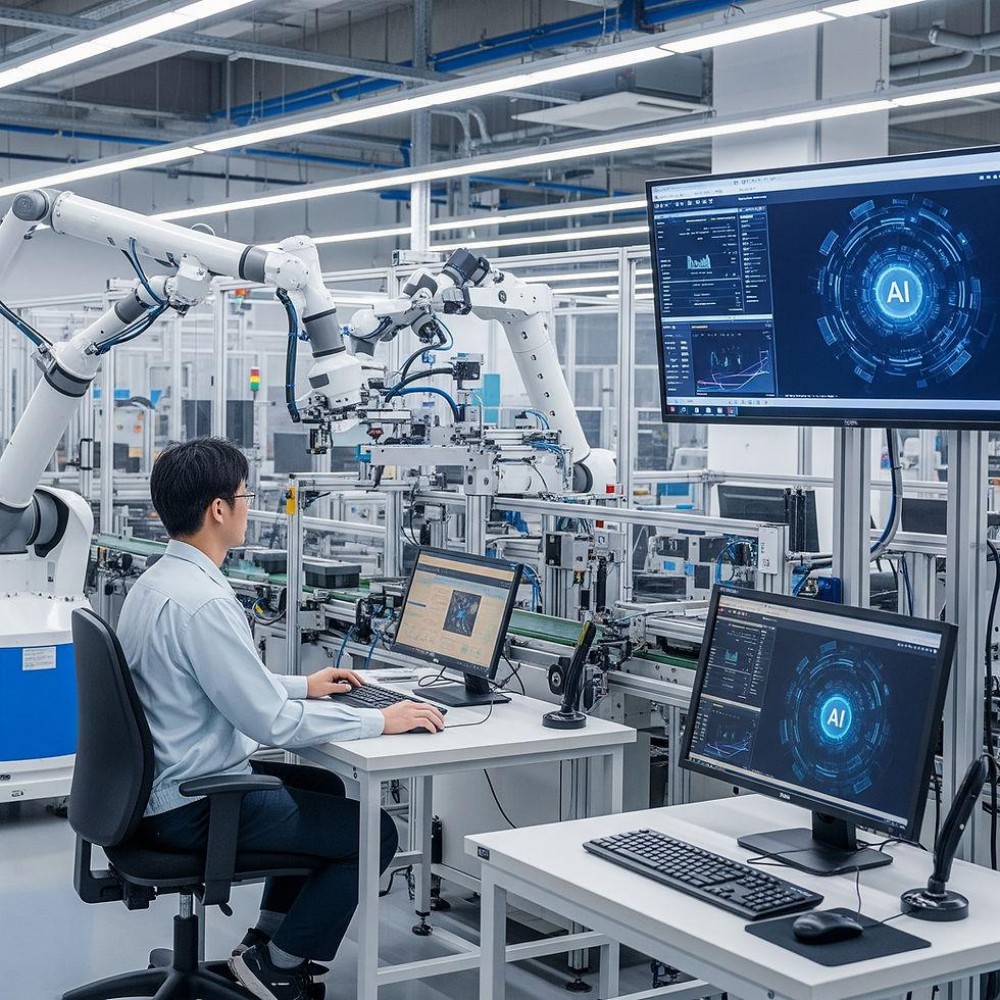 Rockwell Automation Reports Rapid Growth In AI Adoption Across Smart Manufacturing