100% Original, Ready to Ship!

Siemens Launches Eigen Engineering Agent To Transform PLC And Industrial Automation Engineering
Siemens has introduced the Eigen Engineering Agent in Thailand, highlighting the growing role of artificial intelligence in industrial automation and PLC engineering. The new technology is designed to assist engineers with practical automation tasks and represents a broader move toward AI-supported engineering workflows.
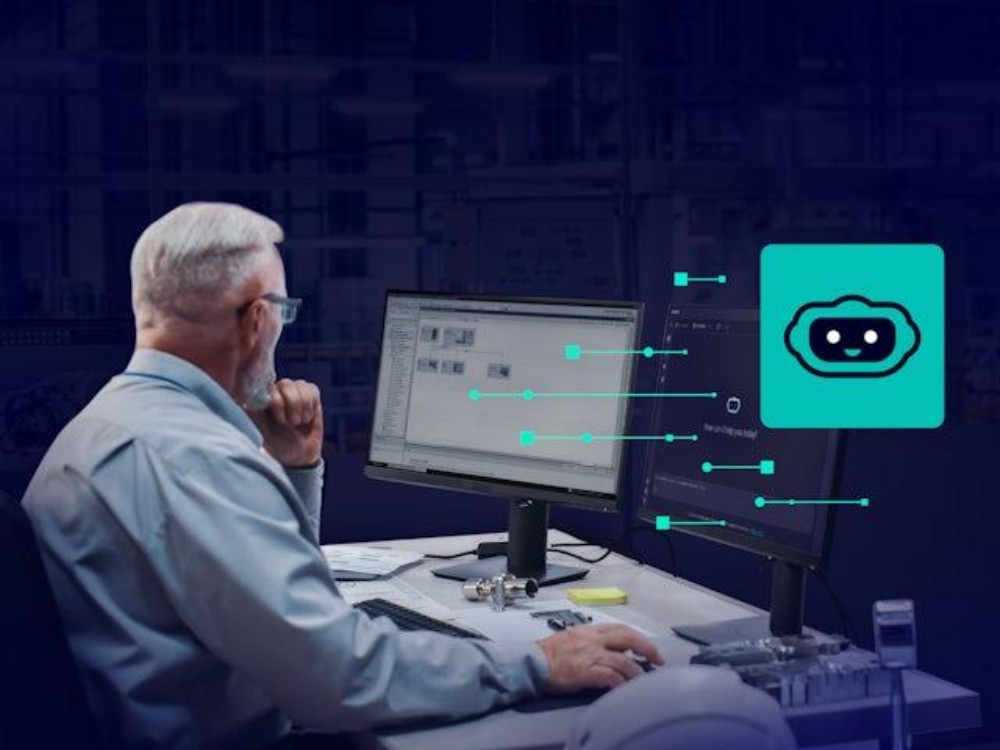
The Eigen Engineering Agent is designed to work with Siemens TIA Portal, a widely used engineering platform for PLC, HMI, drive and automation system configuration. Rather than functioning only as a general AI assistant, the engineering agent is designed to understand relationships between different elements of an automation project.
For PLC engineers, this development could significantly change how control programs are created and maintained. Engineering teams can spend considerable amounts of time developing repetitive PLC logic, configuring hardware, creating HMI interfaces, preparing documentation and checking engineering projects. AI-assisted engineering has the potential to reduce some of this repetitive workload.
The technology can support tasks including PLC software development, HMI configuration, device setup, testing and engineering documentation. This allows engineers to focus more attention on system architecture, process optimization, commissioning and safety-related decisions.
The development is particularly relevant as manufacturers around the world face a shortage of experienced automation engineers. Modern factories are becoming increasingly complex, with PLCs, industrial networks, variable-frequency drives, robots, sensors, HMIs and higher-level manufacturing systems working together. As system complexity increases, engineering productivity becomes an important factor in successful automation projects.
AI-assisted engineering could also become useful when maintaining existing production systems. Engineers may eventually be able to use intelligent tools to understand large PLC programs, identify relationships between program blocks, analyze configuration information and support troubleshooting activities.
However, AI does not eliminate the need for experienced automation professionals. PLC programs used in real production environments must be reviewed, tested and validated before deployment. Functional safety, cybersecurity, process requirements and machine-specific operating conditions still require qualified engineering decisions.
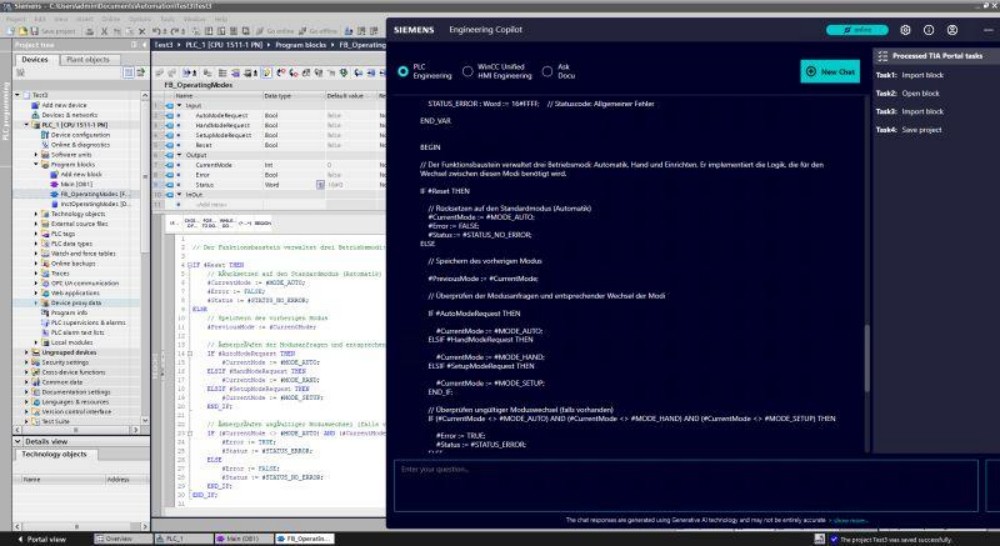
The development of AI-powered engineering tools shows that industrial automation is moving beyond traditional programming methods. In the future, PLC engineers may increasingly work alongside AI systems that assist with programming, testing, documentation and troubleshooting.
For manufacturers, system integrators and automation suppliers, this trend could create new opportunities for smarter engineering workflows and faster project development. The combination of PLC technology and industrial AI is likely to become an increasingly important part of the next generation of factory automation.
 AI-Powered Robots Demonstrate The Future Of Industrial Automation In Europe
 ABB Appoints New B&R President To Drive Machine Automation And Industrial Innovation
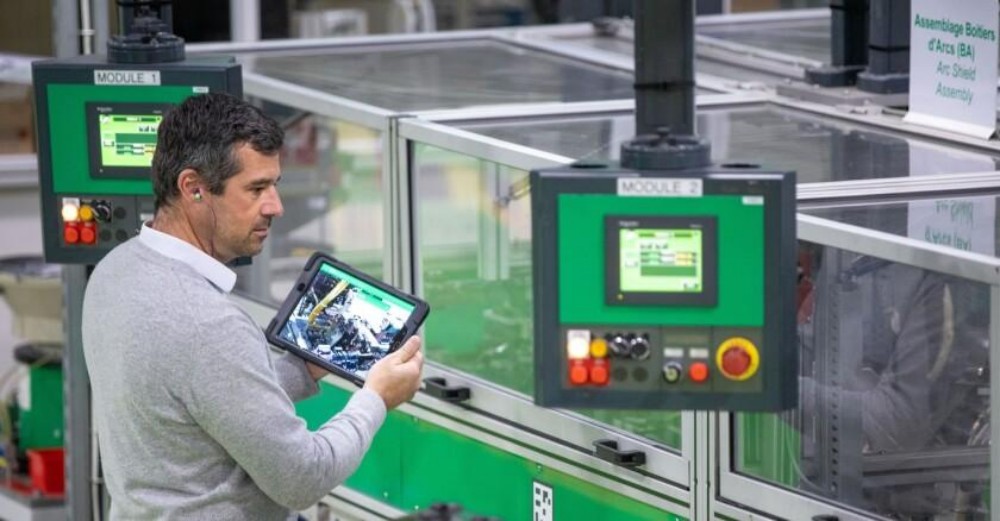 Schneider Electric Invests €150 Million In France To Strengthen Industrial Automation And Manufacturing
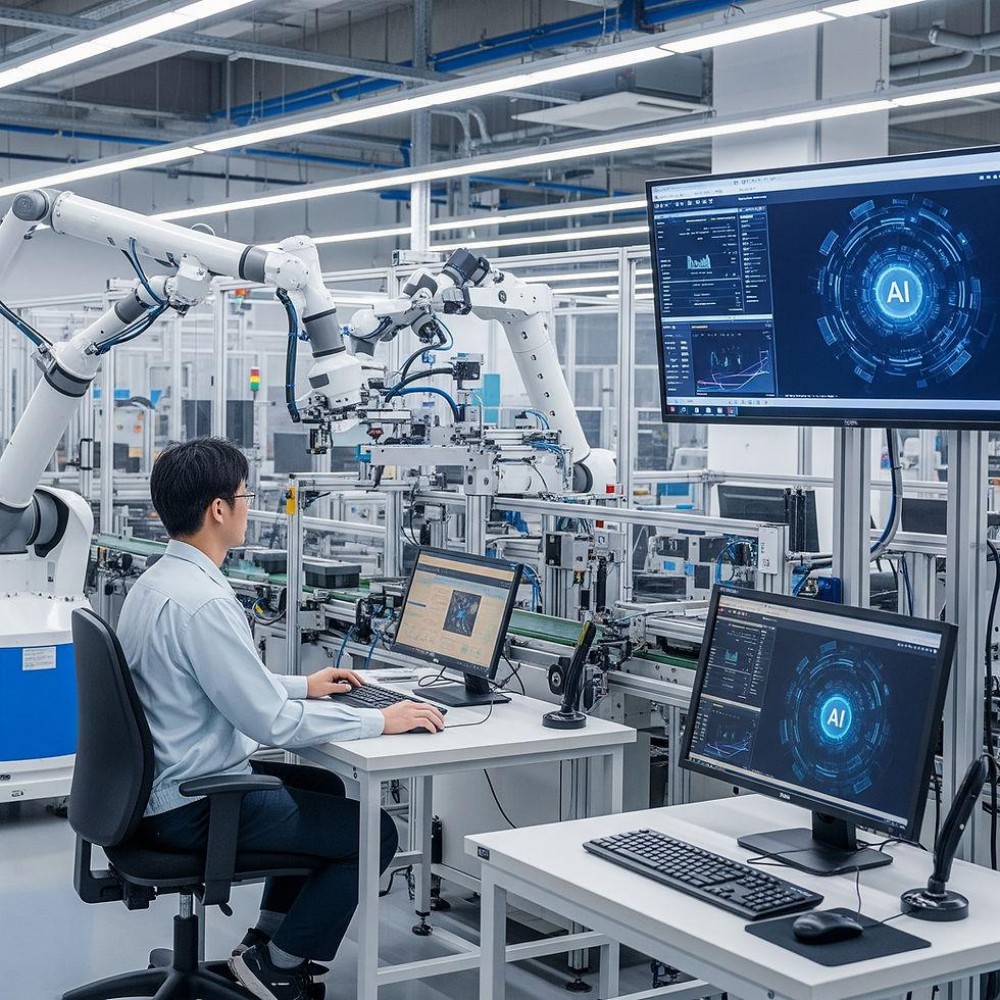 Rockwell Automation Reports Rapid Growth In AI Adoption Across Smart Manufacturing