100% Original, Ready to Ship!

Siemens Energy Prepares Standalone Future For Transformation Of Industry Business
Siemens Energy has announced plans to prepare its Transformation of Industry business for a standalone future, marking an important development for the global industrial technology and automation market.
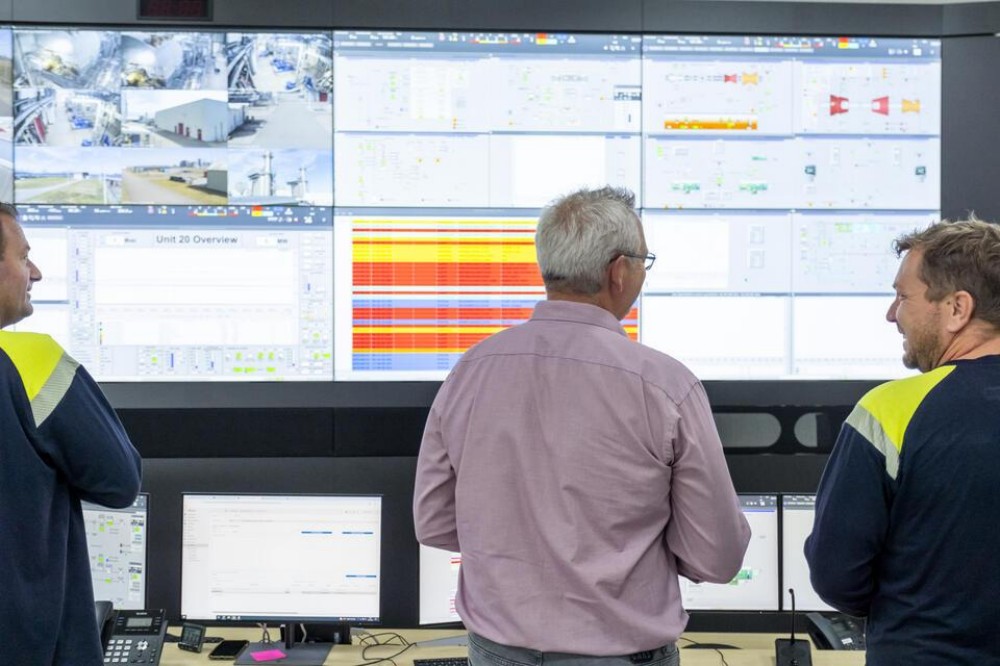
The announcement in August 2026 covers a business serving industrial sectors such as oil and gas, chemicals, cement and other process industries. Its technology portfolio includes steam turbines, compressors, generators, motors and electrolyzers.
The change is significant for the industrial automation sector because large industrial machines increasingly depend on advanced control systems to achieve stable operation, higher efficiency and better asset management.
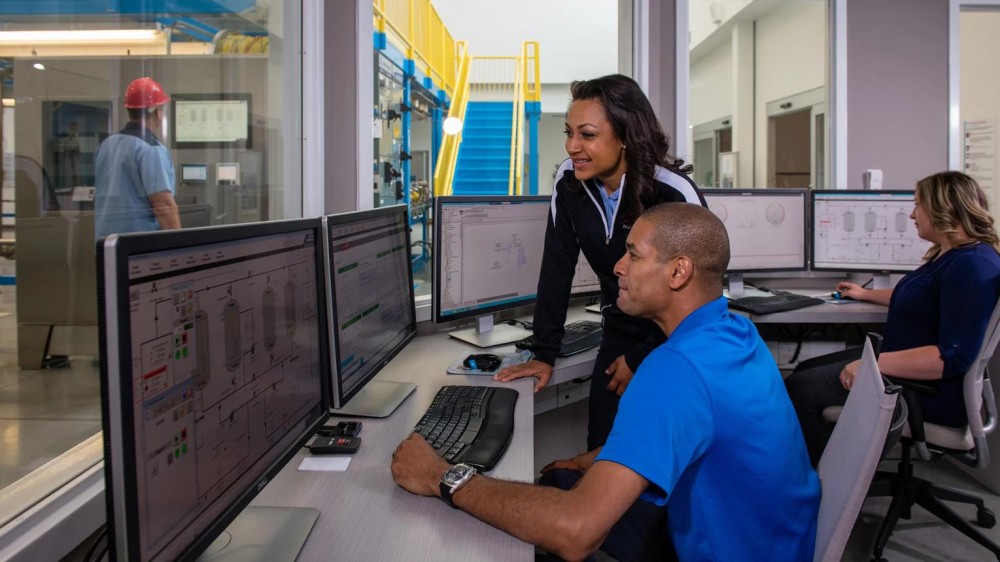
In modern process plants, equipment such as turbines and compressors does not operate independently. Control systems, sensors, PLCs, DCS platforms, drives and industrial communication networks work together to monitor operating conditions and maintain production processes.
The planned transformation also reflects a broader trend within the industrial technology market. Companies are increasingly adjusting their business structures to respond to changing investment patterns, energy demand and industrial digitalization.
For automation companies and system integrators, industrial modernization remains an important opportunity. A large number of factories and process plants still operate equipment installed many years ago. Completely replacing these facilities can require major capital investment and lengthy shutdown periods.
As a result, many plant operators choose gradual automation upgrades. These projects can include replacing obsolete PLC modules, upgrading DCS controllers, installing new communication interfaces, improving HMI systems and integrating modern sensors while keeping important mechanical equipment in service.
Digital technologies are also changing how industrial assets are maintained. Modern control systems can collect operating information from turbines, compressors, pumps and other machines. Engineers can use this data to identify abnormal operating conditions, improve maintenance planning and optimize energy consumption.
This trend is creating demand for both new automation systems and replacement components for legacy equipment.
For international suppliers, the industrial automation market therefore continues to offer opportunities across multiple areas, including PLC spare parts, DCS components, control boards, I/O modules, communication modules and industrial sensors.
The Siemens Energy development also demonstrates the increasingly close relationship between industrial equipment and automation technology. As companies focus more heavily on efficiency, electrification and energy transition, industrial control systems will remain an important part of the infrastructure required to operate complex facilities.
The coming years could bring further changes across the industrial technology sector as manufacturers and energy companies adjust their strategies to meet growing demand for efficient, connected and flexible industrial operations.
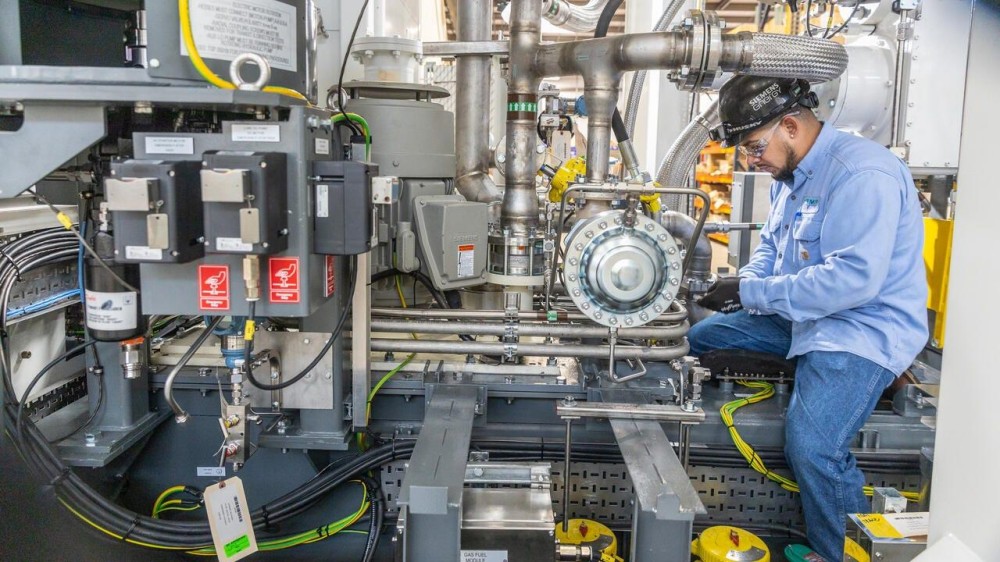
For PLC, DCS and automation professionals, these changes are worth watching because they may influence future investment in process automation, equipment modernization and industrial digitalization.
 Schneider Electric Launches Foxboro Software-Defined DCS To Advance Industrial Automation
 Rockwell Automation Introduces FactoryTalk Conductor: A New AI Platform For Industrial Automation
 Rockwell Automation Expands Industrial AI Capabilities With NVIDIA Nemotron Support
 Rockwell Automation Introduces FactoryTalk Conductor To Advance AI-Driven Industrial Automation