100% Original, Ready to Ship!

AI-Powered PLC Cybersecurity Becomes A Major Industrial Automation Concern In 2026
Programmable Logic Controllers (PLCs) are becoming an increasingly important part of the industrial cybersecurity landscape. Recent security research has demonstrated that artificial intelligence can assist researchers in adapting existing vulnerabilities and developing attack techniques for PLC platforms, highlighting a new challenge for manufacturers operating industrial control systems.
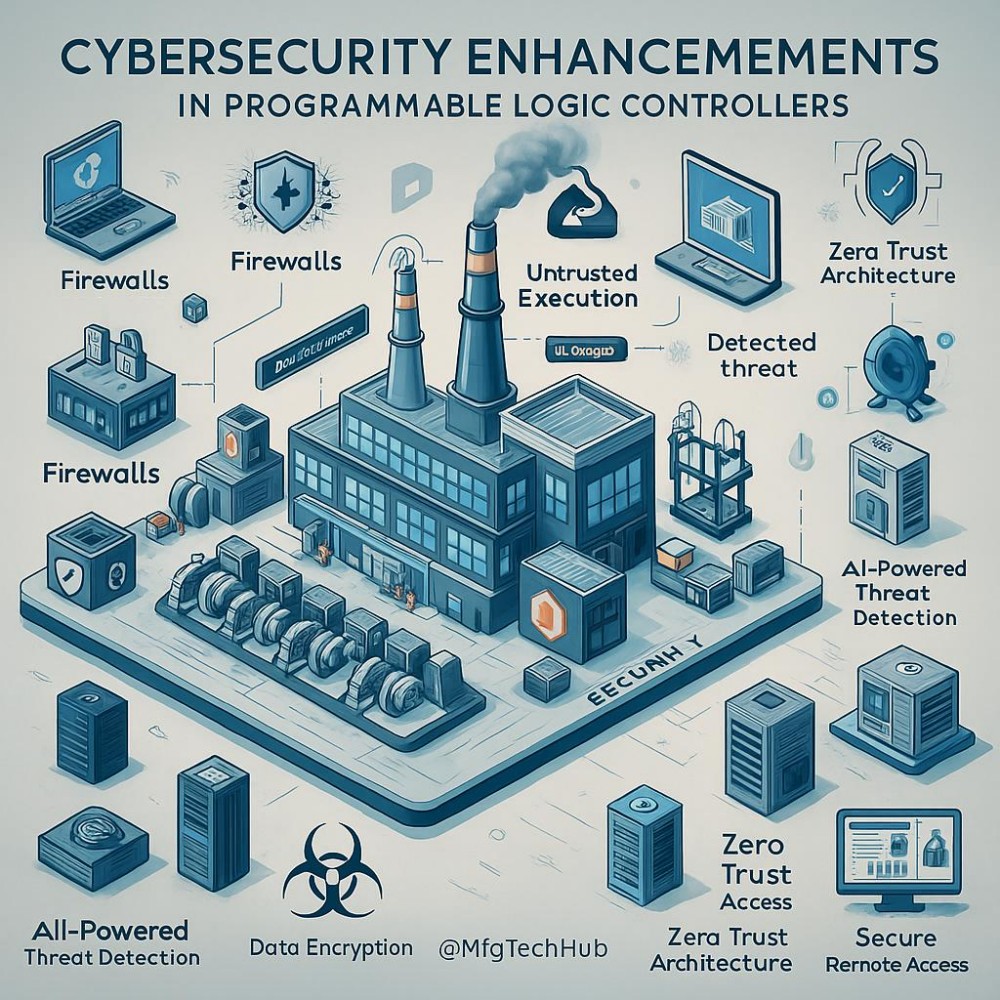
The research focused on PLC technology and examined how AI could support different stages of vulnerability analysis, software development, binary analysis and exploit testing. Although human expertise was still required, the research demonstrated that AI can potentially reduce the time and technical effort needed for certain cybersecurity tasks.
This development is particularly important for factories, power facilities, water treatment plants and other critical infrastructure that depend on PLC-based automation. Modern industrial environments increasingly connect PLCs, HMIs, SCADA systems, engineering workstations and enterprise networks. While this connectivity improves production visibility and remote maintenance, it can also increase the potential attack surface.
For automation engineers, PLC cybersecurity can no longer be treated as a separate IT responsibility. Network segmentation, controlled remote access, firmware management, vulnerability monitoring and appropriate authentication should become part of the overall automation lifecycle.
Legacy automation equipment also presents an important challenge. Many industrial plants continue to operate PLCs and control hardware installed years or even decades ago. Replacing an entire control system may not always be practical, so operators need to combine network protection, monitoring and carefully planned modernization with existing equipment.
At the same time, AI can provide new defensive capabilities. Security teams can use intelligent systems to analyze network behavior, identify abnormal PLC communications and prioritize potential vulnerabilities. However, industrial environments require carefully validated security processes because incorrect automated decisions could affect production reliability and safety.
The latest development reinforces a broader trend in industrial automation: PLC connectivity, cybersecurity and intelligent control are becoming increasingly interconnected. As manufacturers adopt connected PLC, SCADA, DCS and IIoT architectures, cybersecurity will become a fundamental engineering requirement rather than simply an IT concern.
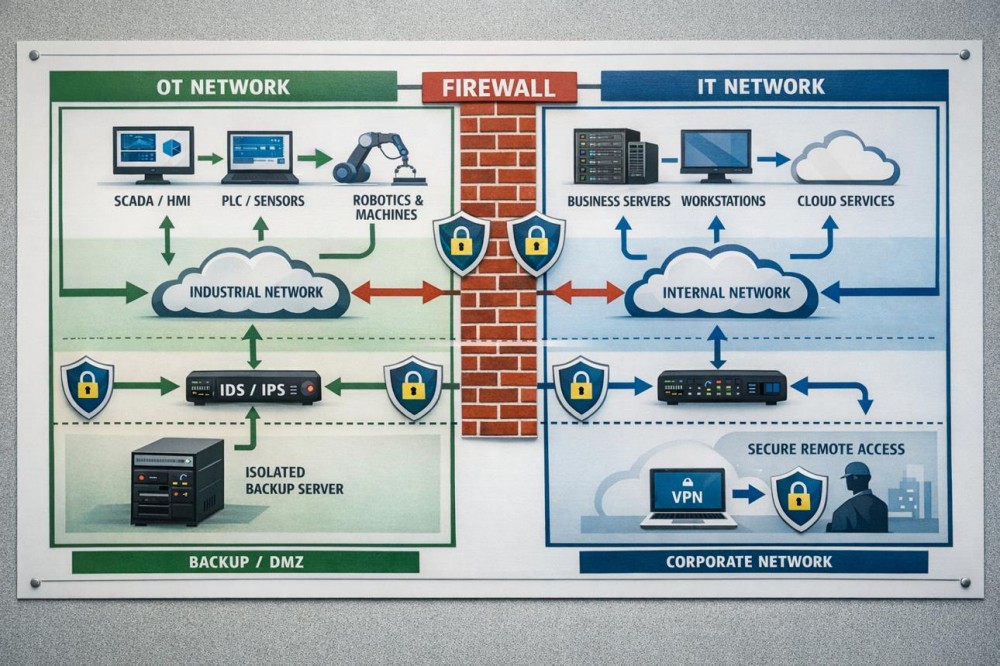
For industrial automation companies, system integrators and plant operators, the priority is clear: modernize industrial connectivity while maintaining strict control over which devices, services and users can access operational technology environments.
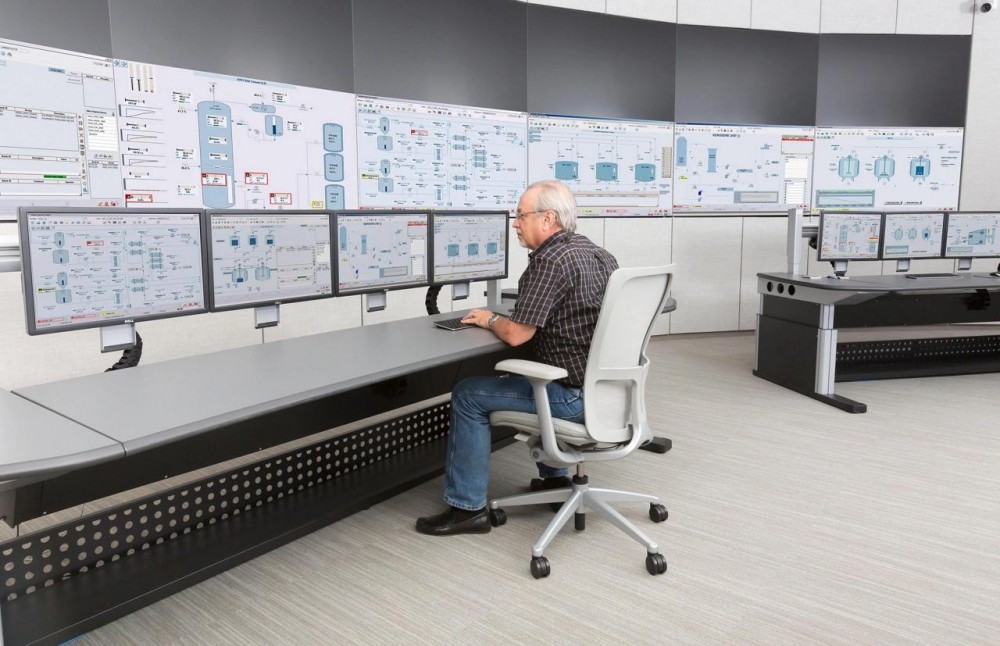 Schneider Electric Launches Foxboro Software-Defined DCS To Advance Industrial Automation
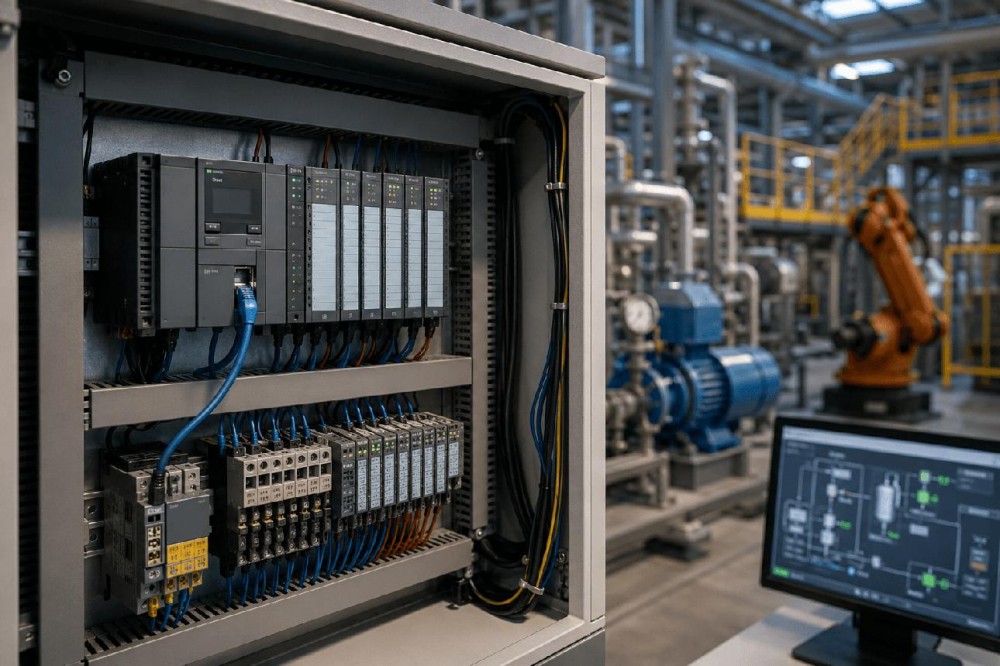 Rockwell Automation Introduces FactoryTalk Conductor: A New AI Platform For Industrial Automation
 Rockwell Automation Expands Industrial AI Capabilities With NVIDIA Nemotron Support
 Rockwell Automation Introduces FactoryTalk Conductor To Advance AI-Driven Industrial Automation