100% Original, Ready to Ship!

Collaborative Robots And Embodied AI Drive The Next Generation Of Industrial Automation
The industrial robotics industry is moving toward a new generation of automation in which collaborative robots, artificial intelligence and advanced connectivity work together to create more adaptable manufacturing systems.
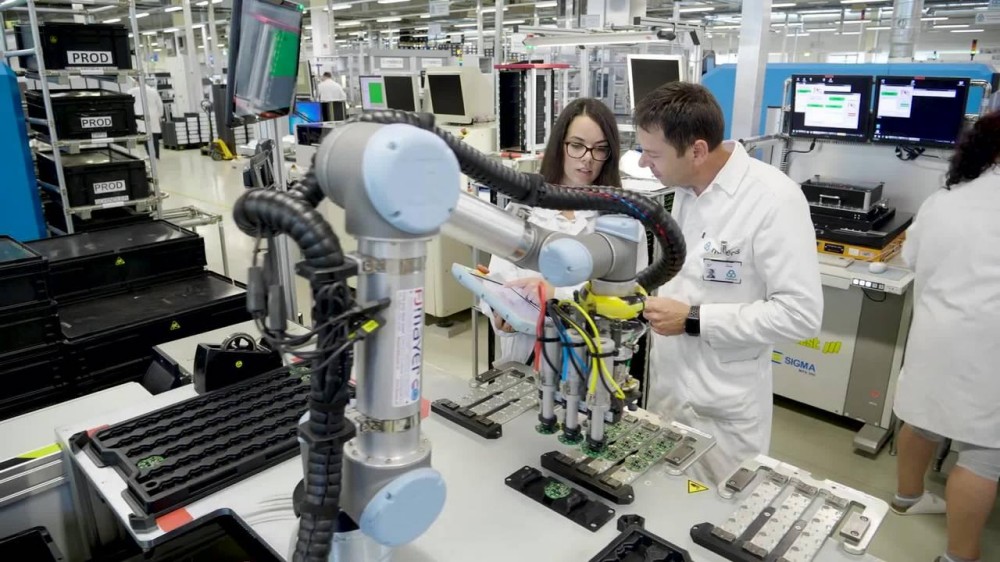
Recent developments in embodied AI are attracting increasing attention because they allow robots to interact more intelligently with their physical surroundings. Instead of simply following a fixed sequence, AI-enabled robots can use information from cameras, force sensors and other industrial sensors to understand objects and adjust their actions.
Collaborative robots, commonly known as cobots, are particularly suitable for this development. Cobots are designed for applications where robots and human operators may work in close proximity under appropriate safety conditions. They can be used for assembly, machine tending, inspection, packaging, material handling and other repetitive manufacturing tasks.
The combination of cobots and embodied AI could make automation more flexible for manufacturers. Traditional robotic cells often require carefully controlled environments, dedicated fixtures and extensive programming. AI-based perception and improved robot software can potentially reduce some of these requirements.
Connectivity is another critical part of the development. Robots need reliable electrical connections, communication networks and flexible cabling to operate continuously in industrial environments. Industrial Ethernet, I/O systems, sensors and motion-control technologies all contribute to the performance of an intelligent robotic cell.
For PLC engineers and system integrators, this trend creates new opportunities as well as new engineering challenges. A modern robotic workstation may include a PLC, safety controller, servo drives, robot controller, machine vision system, force sensors and industrial communication networks.
The PLC remains responsible for many deterministic control functions, machine sequencing and safety-related coordination, while AI-based systems can provide additional capabilities such as object recognition, adaptive motion and process decision-making.
Another advantage of collaborative automation is scalability. Manufacturers can deploy robots in individual workstations rather than replacing an entire production line. This approach can be attractive to companies producing multiple product variants or operating high-mix manufacturing environments.
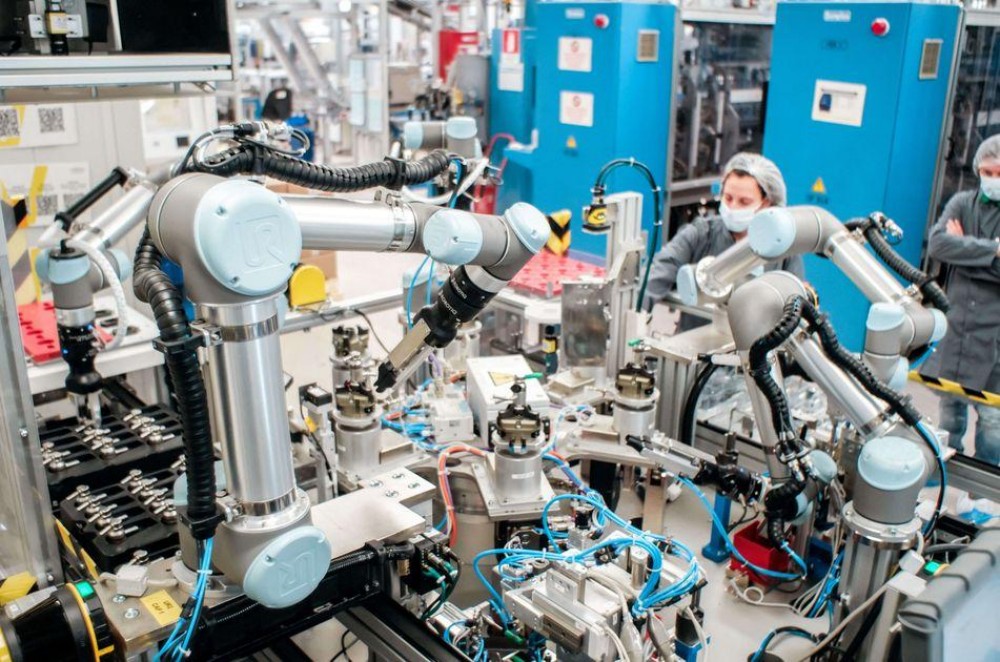
As AI technology becomes more integrated with physical machines, the boundary between robotics, industrial control and intelligent software is becoming less distinct.
The next generation of factory automation is therefore likely to combine reliable PLC control with robotics, sensors, machine vision, industrial networking and AI. This integrated approach could help manufacturers build production systems that are not only automated, but also more flexible and responsive to real-world manufacturing conditions.
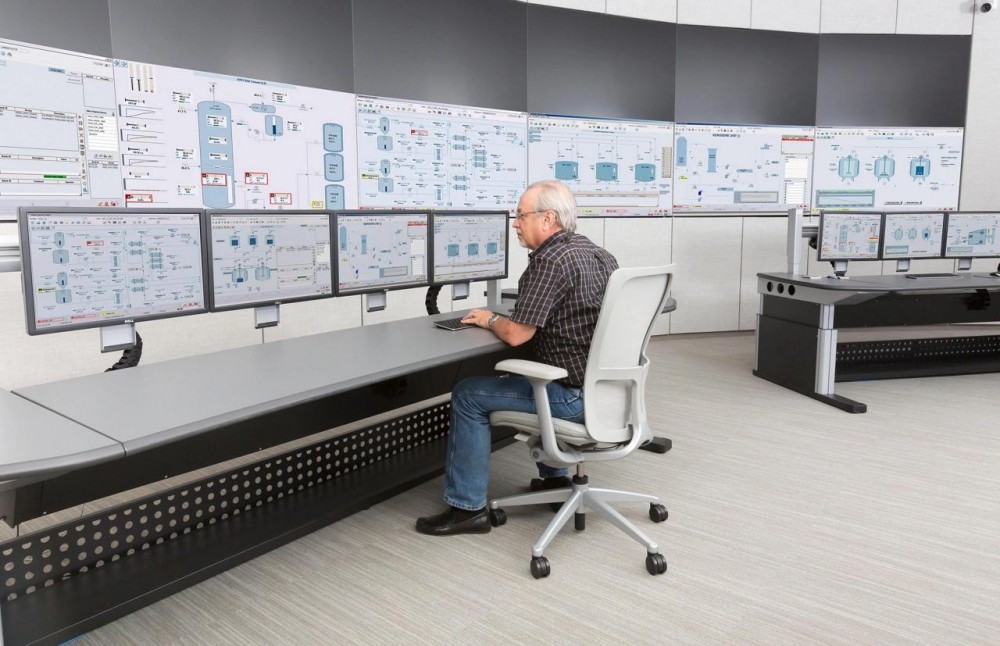 Schneider Electric Launches Foxboro Software-Defined DCS To Advance Industrial Automation
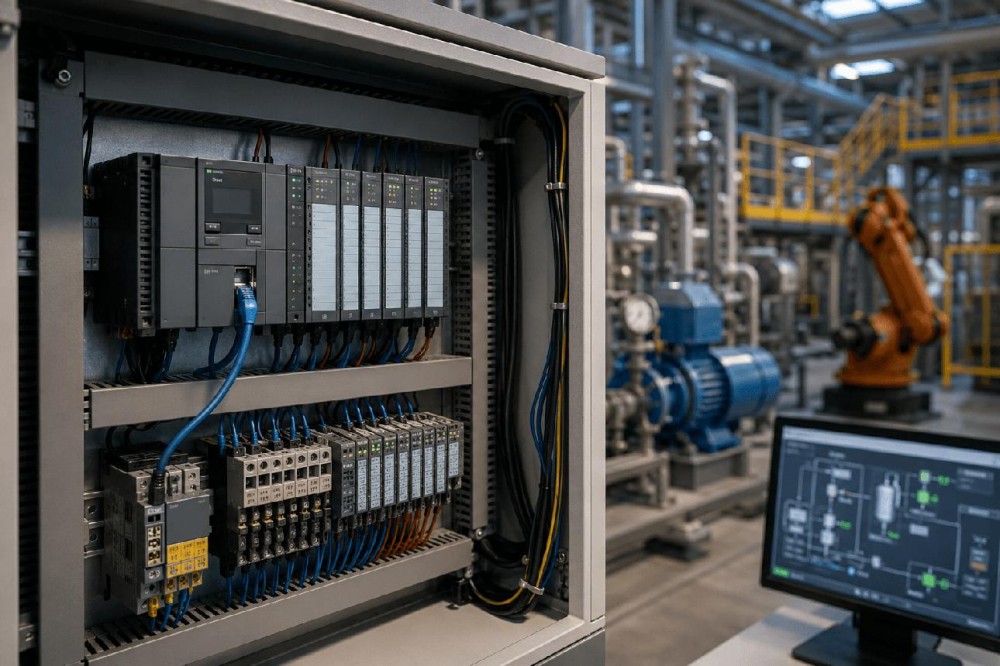 Rockwell Automation Introduces FactoryTalk Conductor: A New AI Platform For Industrial Automation
 Rockwell Automation Expands Industrial AI Capabilities With NVIDIA Nemotron Support
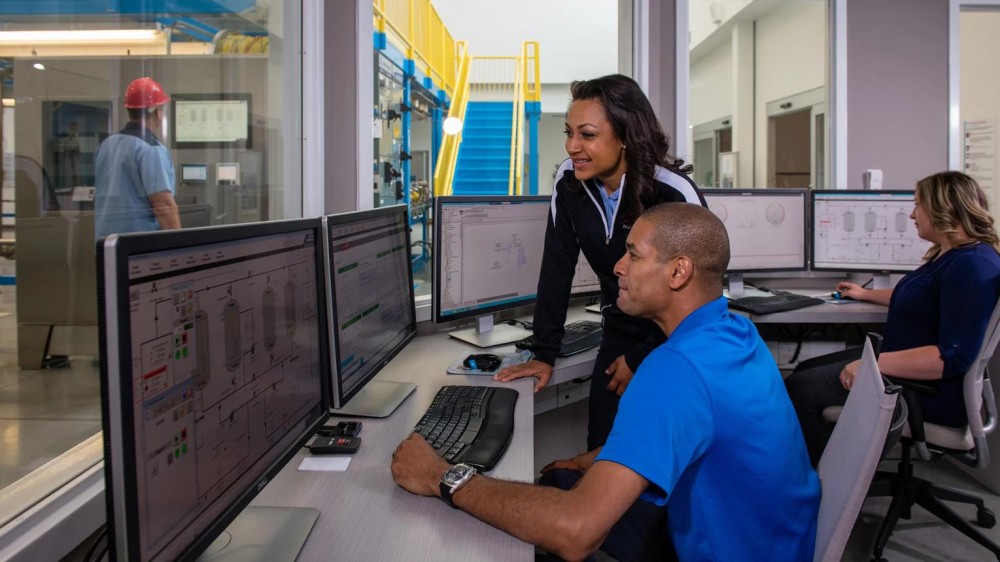 Rockwell Automation Introduces FactoryTalk Conductor To Advance AI-Driven Industrial Automation