100% Original, Ready to Ship!

FANUC Physical AI And Robotics Automation Take Center Stage At IMTS 2026
FANUC is set to demonstrate its latest robotics, automation and CNC technologies at IMTS 2026 in Chicago, with Physical AI becoming one of the major themes of its manufacturing technology showcase.
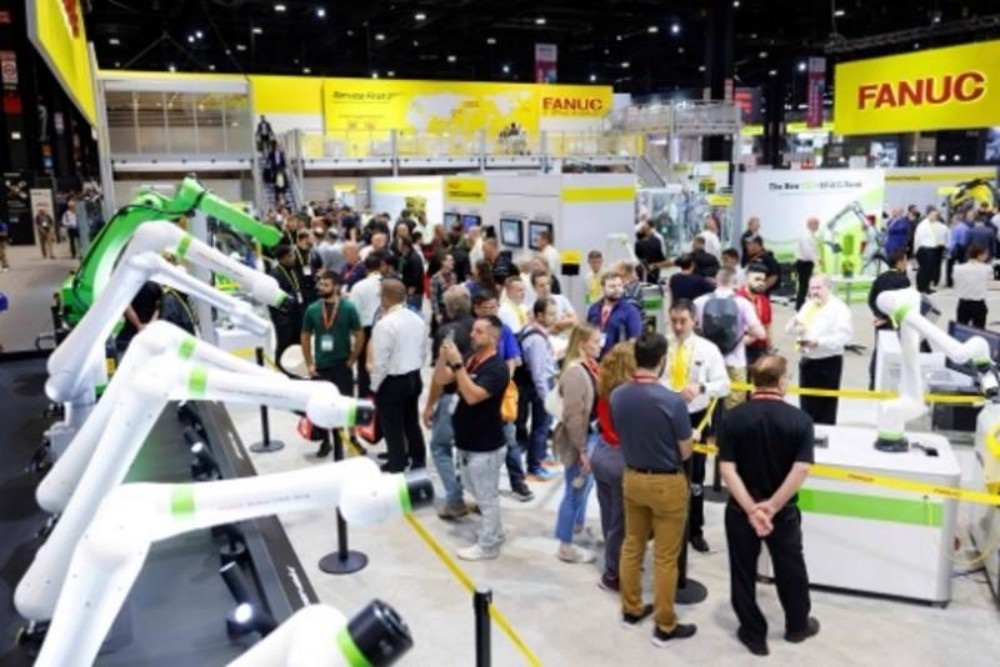
The company will demonstrate how artificial intelligence can be combined with industrial robots, collaborative robots, CNC equipment, machine vision and digital twin technologies to create more flexible manufacturing systems. The objective is to help manufacturers improve productivity while reducing the time required to program, test and deploy new automation applications.
One of the most important developments is the growing use of Physical AI in industrial robotics. Unlike conventional automation, which generally depends on predefined programs and fixed production conditions, Physical AI enables robots to use information from cameras, sensors and other inputs to understand their environment and respond to changing situations.
FANUC will also demonstrate applications involving collaborative robots and autonomous mobile platforms. These technologies can provide manufacturers with greater flexibility when production layouts or product requirements change.
Another important area is virtual commissioning. Digital twin technology allows engineers to create virtual representations of machines, robots and manufacturing processes before installing the physical equipment. Production sequences, robot movements and potential process problems can be evaluated digitally, helping engineering teams reduce commissioning time and minimize risks.
AI-assisted programming is also becoming increasingly important. Natural-language commands and AI-based software can simplify certain robot programming tasks, potentially making automation easier to deploy for manufacturers with limited robotics programming resources.
For PLC and industrial automation engineers, the development represents a significant change in automation architecture. PLC controllers, robot controllers, servo systems, industrial Ethernet, sensors and AI software are increasingly being integrated into connected production environments.
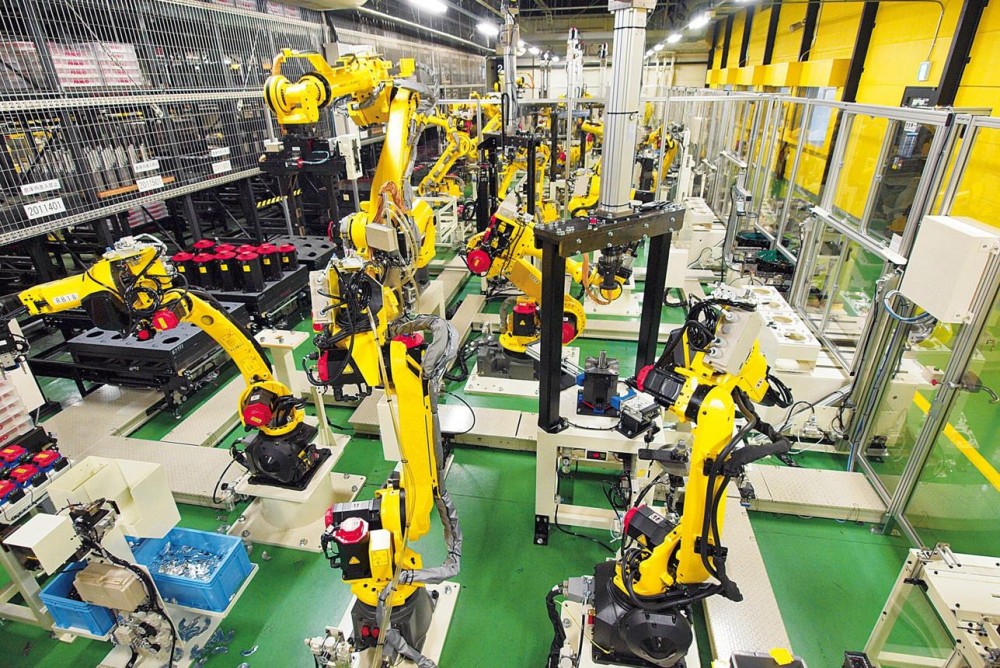
The evolution of Physical AI does not mean traditional control technologies are becoming obsolete. Instead, PLCs, safety systems, motion controllers and industrial networks remain essential for deterministic machine control, while AI can provide an additional layer of perception, reasoning and adaptability.
As manufacturers continue looking for flexible automation solutions, the combination of robotics, CNC, industrial control and artificial intelligence is expected to become an increasingly important part of smart manufacturing.
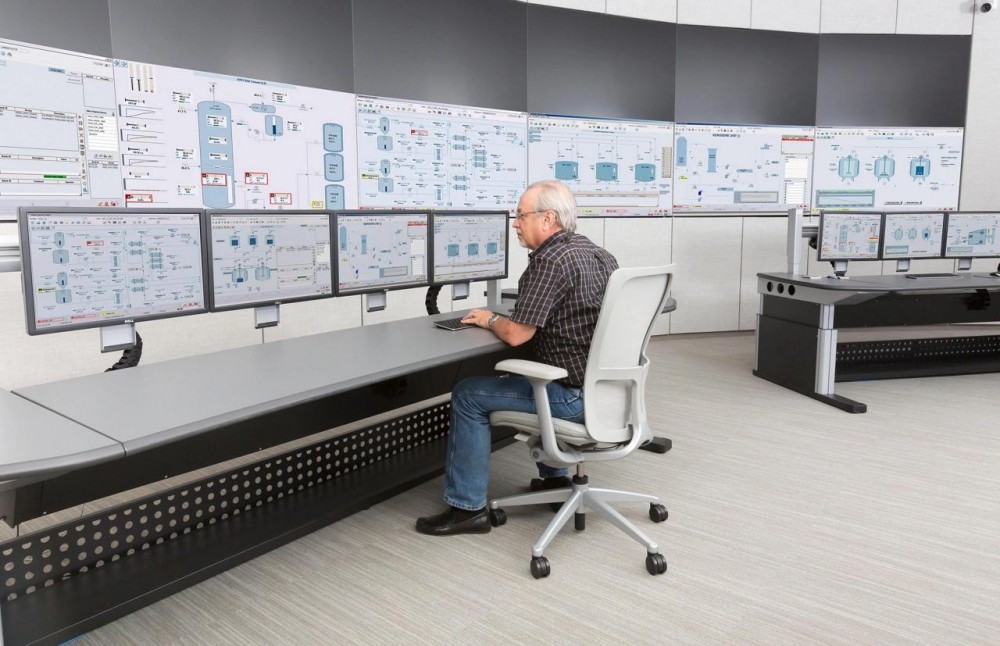 Schneider Electric Launches Foxboro Software-Defined DCS To Advance Industrial Automation
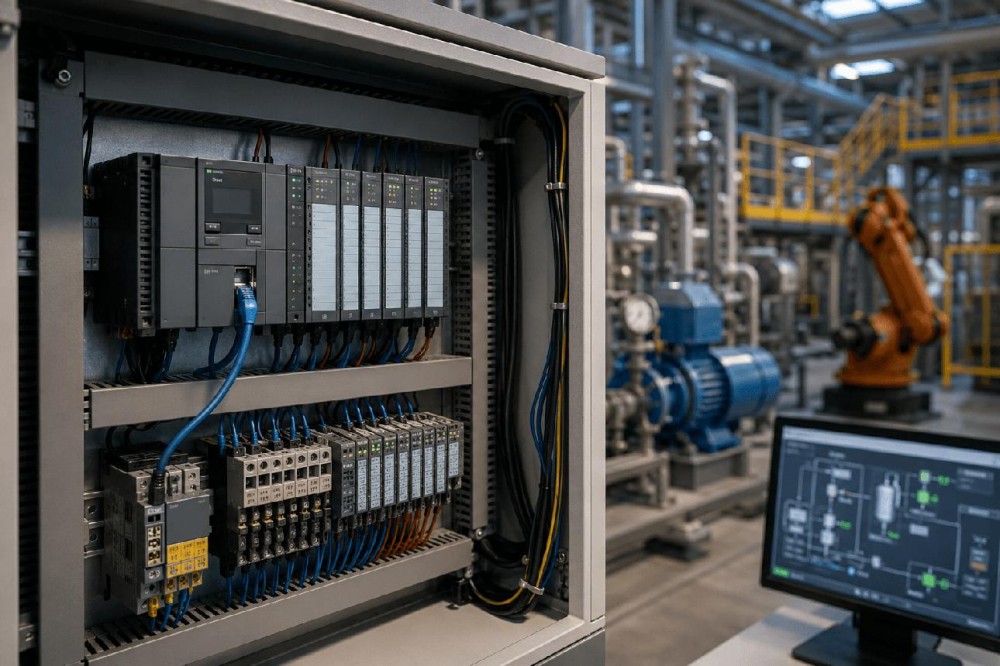 Rockwell Automation Introduces FactoryTalk Conductor: A New AI Platform For Industrial Automation
 Rockwell Automation Expands Industrial AI Capabilities With NVIDIA Nemotron Support
 Rockwell Automation Introduces FactoryTalk Conductor To Advance AI-Driven Industrial Automation