100% Original, Ready to Ship!

Caterpillar And FieldAI Advance Physical AI And Robotics For Industrial Automation
Caterpillar is advancing its work in industrial automation through a collaboration with FieldAI focused on physical artificial intelligence, autonomous systems, and robotics. The development reflects a growing shift in industrial automation from traditional programmed operations toward intelligent machines capable of responding to changing real-world environments.
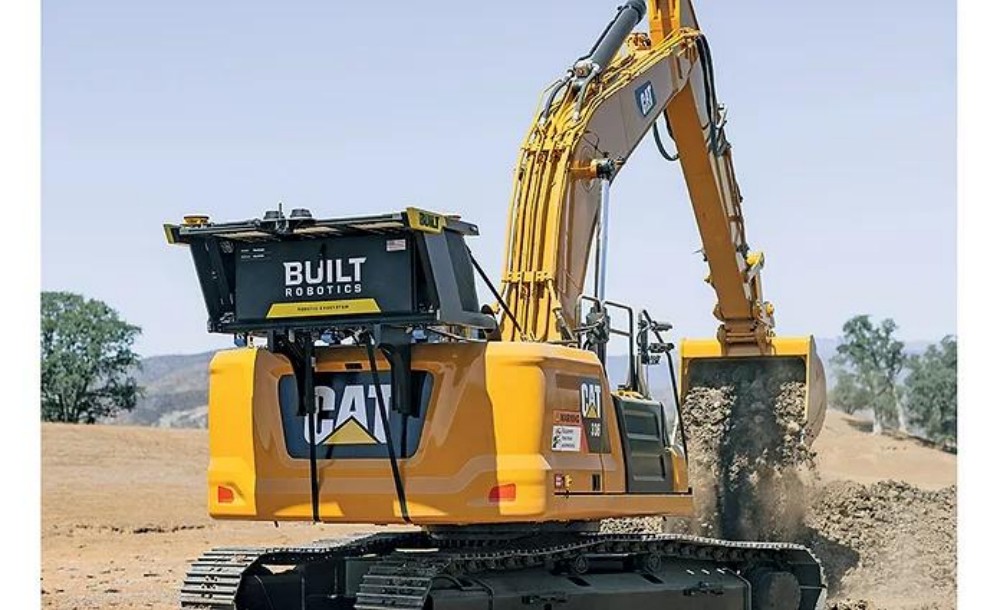
Physical AI is becoming an important technology for industries where machines must interact directly with equipment, materials, workers, and complex operating environments. Unlike conventional software applications, physical AI combines artificial intelligence with sensors, robotics, automation systems, and machine perception.
The collaboration between Caterpillar and FieldAI is focused on applications that can improve safety, operational efficiency, inspection capabilities, and decision-making. Potential applications include autonomous inspections, digital twins, situational awareness, and operational optimization.
Autonomous inspection is particularly relevant to industrial facilities and large-scale equipment. Robots equipped with cameras, sensors, and intelligent software can collect operational information while reducing the need for workers to enter hazardous or difficult-to-access areas. The resulting data can also support predictive maintenance and help identify abnormal equipment conditions before they become serious failures.
Digital twin technology is another important part of this trend. A digital twin can provide a virtual representation of physical equipment or an industrial environment, allowing engineers to analyze operating conditions, simulate processes, and evaluate potential improvements.
For the PLC, DCS, and SCADA industries, the development of physical AI does not mean traditional control systems are becoming obsolete. Instead, AI-based technologies are increasingly being positioned above established automation infrastructure. PLCs can continue to provide deterministic machine control, while DCS platforms manage complex process operations and AI systems provide advanced analysis, prediction, and optimization.
Industrial sensors, edge computing, industrial Ethernet, robotics, and intelligent controllers can therefore become part of a larger automation architecture. Data collected at the field level can be processed locally and then used by higher-level software to improve operational decisions.
The increasing adoption of physical AI is also closely connected with labor shortages and the demand for safer industrial operations. Automated inspection, transportation, monitoring, and repetitive tasks can reduce manual workload while allowing skilled engineers and technicians to focus on higher-value activities.
For automation equipment manufacturers, system integrators, and industrial users, the Caterpillar and FieldAI collaboration highlights a major direction for the future of industrial automation. The industry is moving beyond simple machine programming toward intelligent, connected, and increasingly autonomous systems.
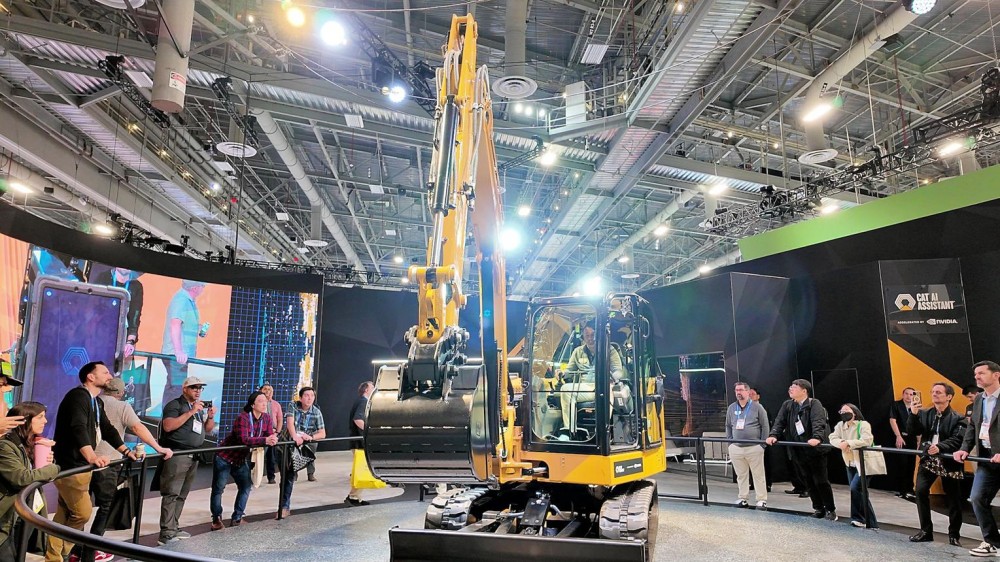
As robotics, AI, sensors, digital twins, and industrial control technologies continue to converge, physical AI could become an important component of next-generation smart factories, construction sites, mining operations, and other industrial environments.
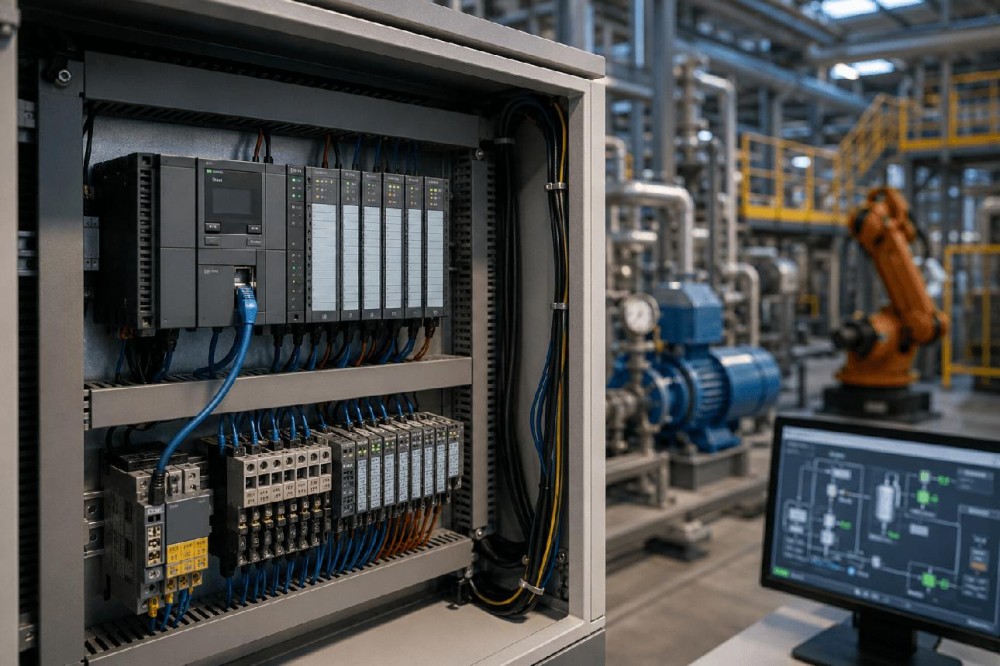 Rockwell Automation Introduces FactoryTalk Conductor: A New AI Platform For Industrial Automation
 Rockwell Automation Expands Industrial AI Capabilities With NVIDIA Nemotron Support
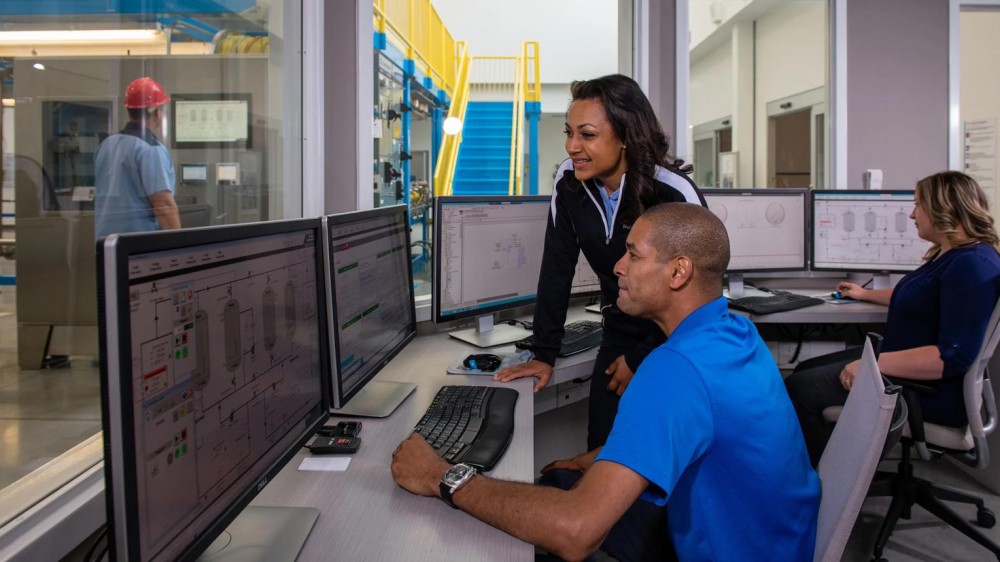 Rockwell Automation Introduces FactoryTalk Conductor To Advance AI-Driven Industrial Automation
 ABB And Boliden Advance DCS Modernization With Ethernet-APL Industrial Automation