100% Original, Ready to Ship!

Hyundai Advances Robot Automation Across The Automotive Supply Chain In 2026
The automotive industry is continuing to expand the use of robotics beyond traditional welding and assembly applications, and Hyundai is highlighting how automation can increasingly extend throughout the supply chain. Recent developments show a growing focus on combining industrial robots, autonomous mobile robots, artificial intelligence and intelligent logistics systems.
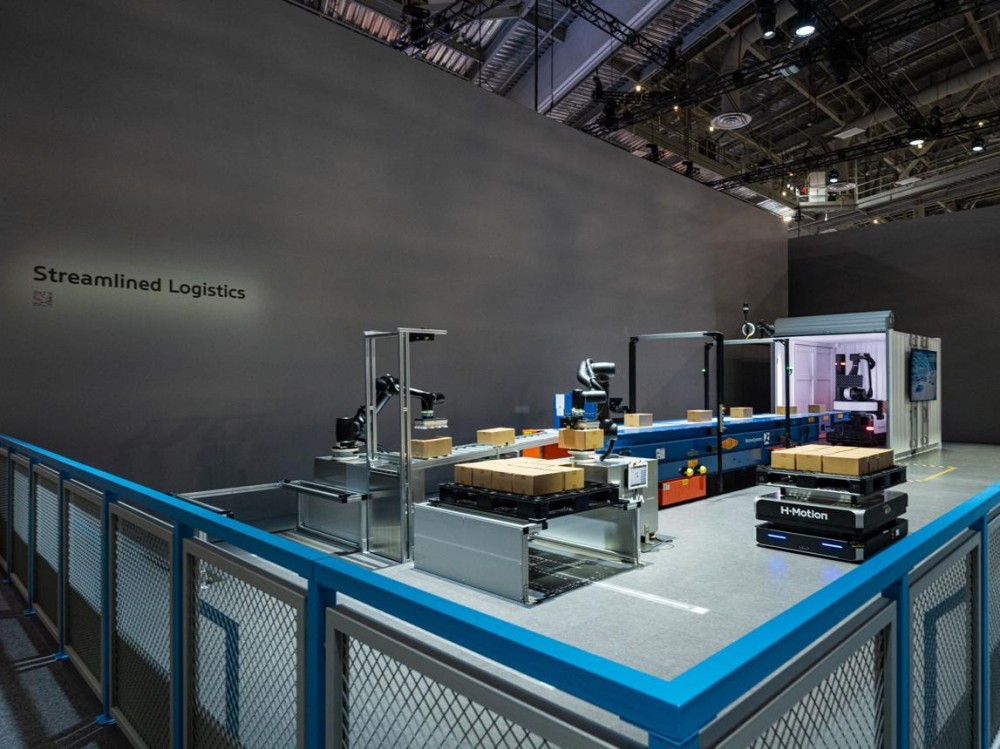
Hyundai’s automation strategy reflects a major shift in modern manufacturing. Instead of using robots only for individual production tasks, manufacturers are increasingly connecting robotic equipment across material handling, warehousing, production and logistics operations.
One important application is automated material movement. Autonomous mobile robots can transport components and finished goods between different areas of a factory, while robotic arms can perform picking, loading and palletizing operations. When these systems are connected through industrial control software, manufacturers can create more flexible production environments with fewer manual material-handling operations.
The development is particularly relevant to the concept of the smart factory. In a traditional factory, production equipment, warehouse systems and transportation processes may operate as separate systems. A modern automated facility can connect these systems through industrial Ethernet, sensors, PLCs, manufacturing execution systems and centralized data platforms.
Artificial intelligence is also becoming more important. AI-based systems can analyze production conditions, optimize robot movements, improve route planning and support decision-making when production requirements change. This is particularly valuable for automotive manufacturing, where product configurations and production schedules can change frequently.
Another important trend is the development of more autonomous production environments. Hyundai has demonstrated concepts involving automated logistics, robotic handling and intelligent production equipment that could contribute to highly automated or even largely unmanned manufacturing operations.
However, implementing this type of automation requires more than simply purchasing robots. Engineers must consider PLC programming, industrial communication, safety systems, sensors, motion control, machine vision and network cybersecurity. Reliable communication between robots, PLCs, drives and other automation equipment is essential for maintaining stable production.
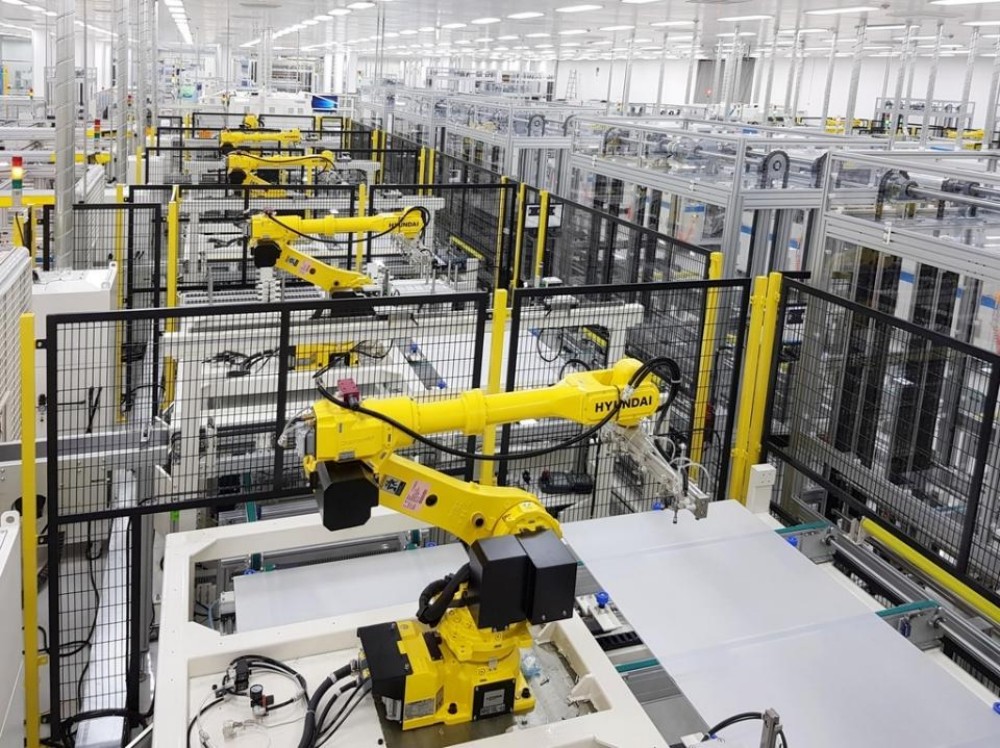
For automation suppliers and system integrators, this trend creates opportunities across multiple technology areas. Industrial robots may perform the physical work, but PLC controllers, I/O modules, sensors, servo drives and industrial networks remain critical to the overall automation architecture.
The automotive sector therefore provides an important example of where industrial automation is heading. The future factory is not simply a collection of automated machines. It is increasingly an integrated ecosystem in which robots, PLCs, sensors, software and AI work together to create more flexible, connected and data-driven manufacturing operations.
 Rockwell Automation Introduces FactoryTalk Conductor: A New AI Platform For Industrial Automation
 Rockwell Automation Expands Industrial AI Capabilities With NVIDIA Nemotron Support
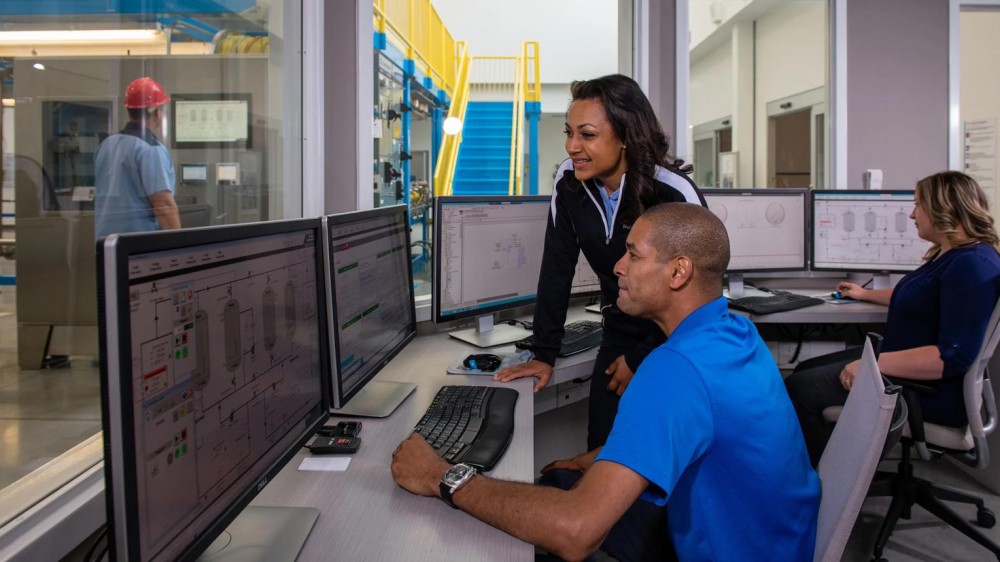 Rockwell Automation Introduces FactoryTalk Conductor To Advance AI-Driven Industrial Automation
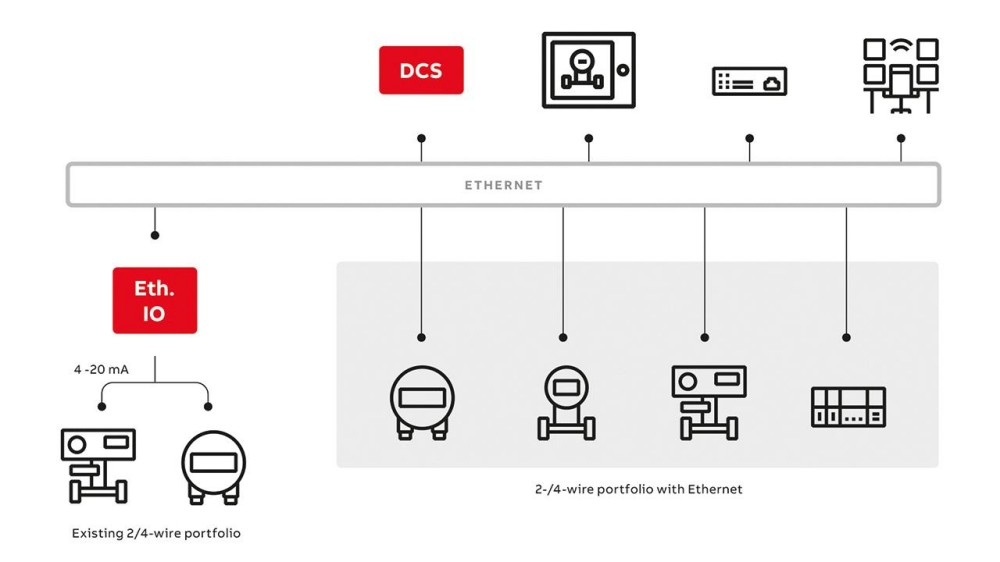 ABB And Boliden Advance DCS Modernization With Ethernet-APL Industrial Automation