Emerson has announced updates to its turbomachinery protection and asset health monitoring technologies, highlighting the growing role of real-time data and predictive maintenance in industrial automation. The latest software developments focus on improving continuous monitoring and providing deeper insight into critical rotating equipment.
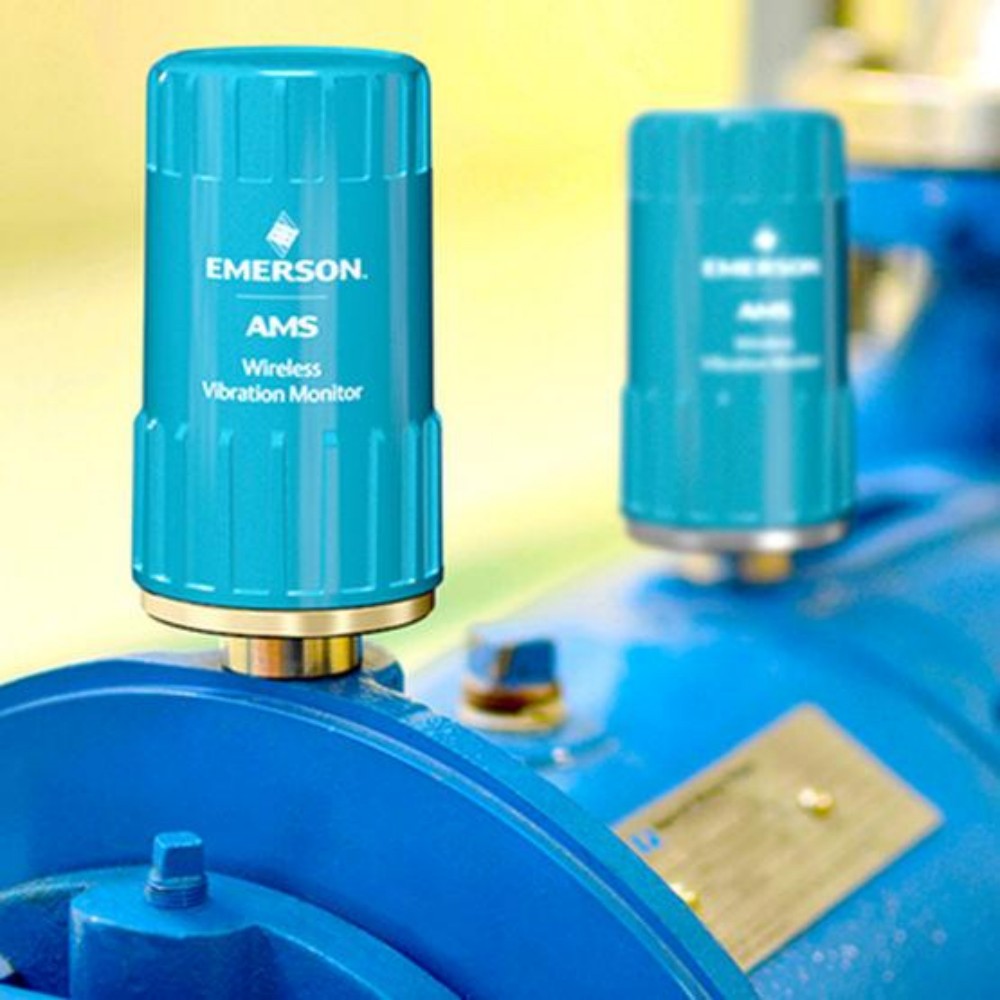
The updated technologies include AMS 6500 ATG version 5.0 and AMS Machine Works version 2.4. These solutions are designed to help industrial operators collect and analyze machinery data continuously, particularly during important operating conditions such as equipment startup and shutdown.
Turbomachinery such as compressors, turbines, pumps and other rotating assets can experience rapidly changing operating conditions. Traditional periodic inspection methods may not capture every abnormal event. Continuous condition monitoring provides engineers with a more detailed picture of vibration, machine behavior and equipment health.
This approach is becoming increasingly important for industries including oil and gas, power generation, petrochemical processing, chemical manufacturing and other process industries. Unexpected failure of a critical rotating machine can result in production losses, maintenance costs and safety risks.
Modern asset monitoring systems combine sensors, data acquisition hardware, industrial networks and software analytics. Vibration and other equipment measurements can be collected continuously and analyzed to identify abnormal operating patterns. Maintenance teams can then investigate potential problems before they develop into major equipment failures.
The development also reflects a wider transition from preventive maintenance toward predictive maintenance. Instead of replacing components according to fixed schedules, operators can use actual equipment condition and historical data to make better maintenance decisions.
For DCS and process automation engineers, asset health monitoring is becoming increasingly connected to the wider control architecture. Data from machinery monitoring systems can complement information from PLCs, DCS platforms, SCADA systems and plant historians. This creates a more complete view of both the production process and the physical condition of the equipment supporting it.
Cybersecurity and data integration are also important considerations. As industrial assets become more connected, engineers must ensure that monitoring systems can exchange information without compromising the reliability or security of operational technology networks.
The latest Emerson developments demonstrate how industrial automation is moving beyond basic process control. Modern automation increasingly combines control, instrumentation, condition monitoring, analytics and intelligent maintenance into a connected operational environment.
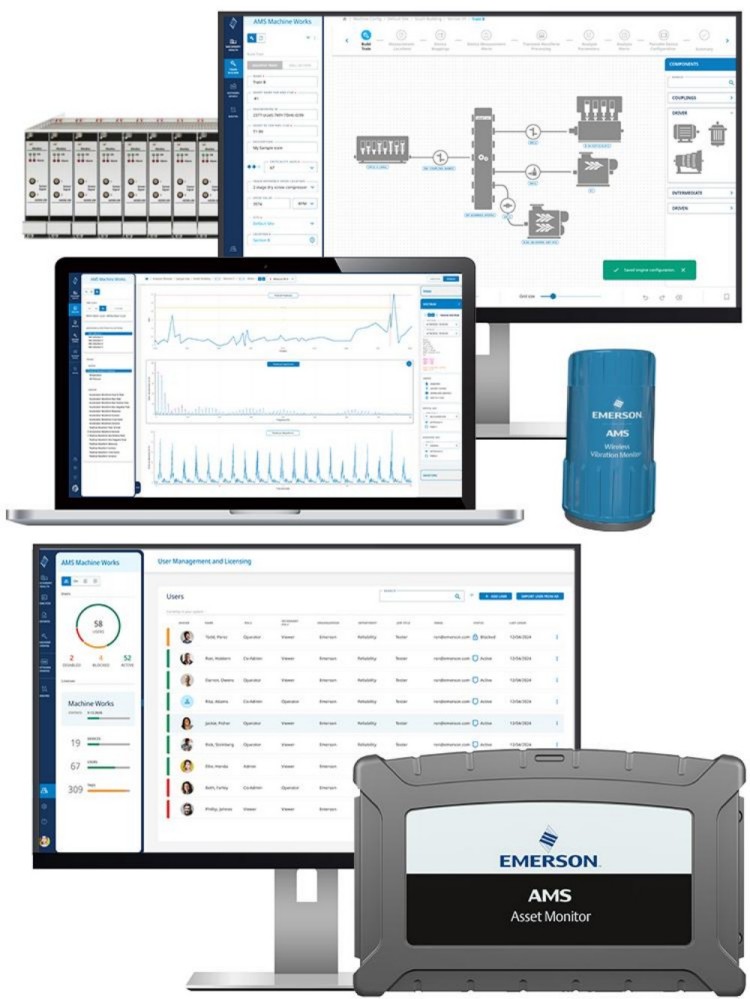
For plants operating high-value rotating equipment, this approach can improve equipment visibility, support earlier fault detection and help maintenance teams make decisions based on real operating data. As industrial facilities continue their digital transformation, predictive maintenance and asset health monitoring are likely to become increasingly important components of modern automation strategies.

 Rockwell Automation Introduces FactoryTalk Conductor: A New AI Platform For Industrial Automation
 Rockwell Automation Expands Industrial AI Capabilities With NVIDIA Nemotron Support
 Rockwell Automation Introduces FactoryTalk Conductor To Advance AI-Driven Industrial Automation
 ABB And Boliden Advance DCS Modernization With Ethernet-APL Industrial Automation