100% Original, Ready to Ship!

Siemens Unifies Automation Business To Accelerate AI-Driven Industrial Automation
Siemens is preparing a major organizational change in its industrial automation business, bringing together Factory Automation, Motion Control, Process Automation and Customer Services into a newly established Automation unit. The new organization is scheduled to take effect on October 1, 2026, with Rainer Brehm appointed as President of Automation.
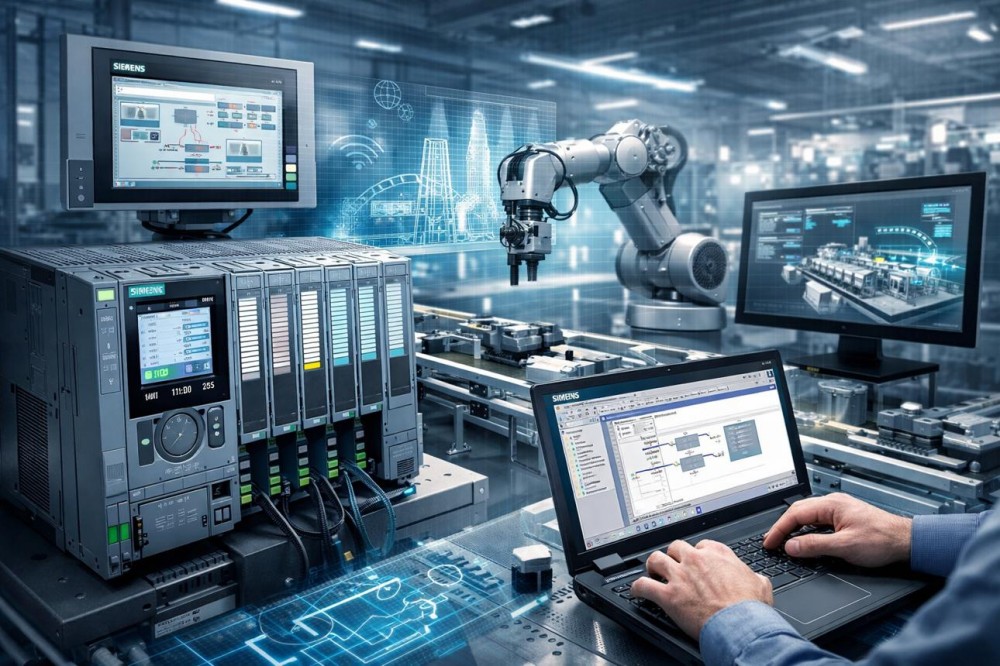
The move reflects the rapid convergence of PLC control, motion systems, process automation, industrial software and artificial intelligence. Instead of treating these technologies as separate automation disciplines, Siemens is moving toward a more integrated architecture designed to connect engineering, production and digital services.
For manufacturers, this trend is particularly important as modern automation projects increasingly require communication between PLCs, HMIs, SCADA systems, drives, robotics, MES platforms and industrial AI applications. The integration of these technologies can help engineering teams manage increasingly complex production environments while maintaining flexibility and scalability.
Siemens has also been expanding its industrial AI capabilities. Its AI engineering technologies are designed specifically for industrial automation engineering and can support tasks such as project generation, software development and validation. This represents a shift from AI that simply provides suggestions toward AI that can assist with practical engineering tasks.
The development is also relevant to process industries using DCS and hybrid automation architectures. As industrial plants generate more operational data, automation platforms are increasingly expected to connect control systems with higher-level analytics and AI applications while maintaining reliability and cybersecurity.
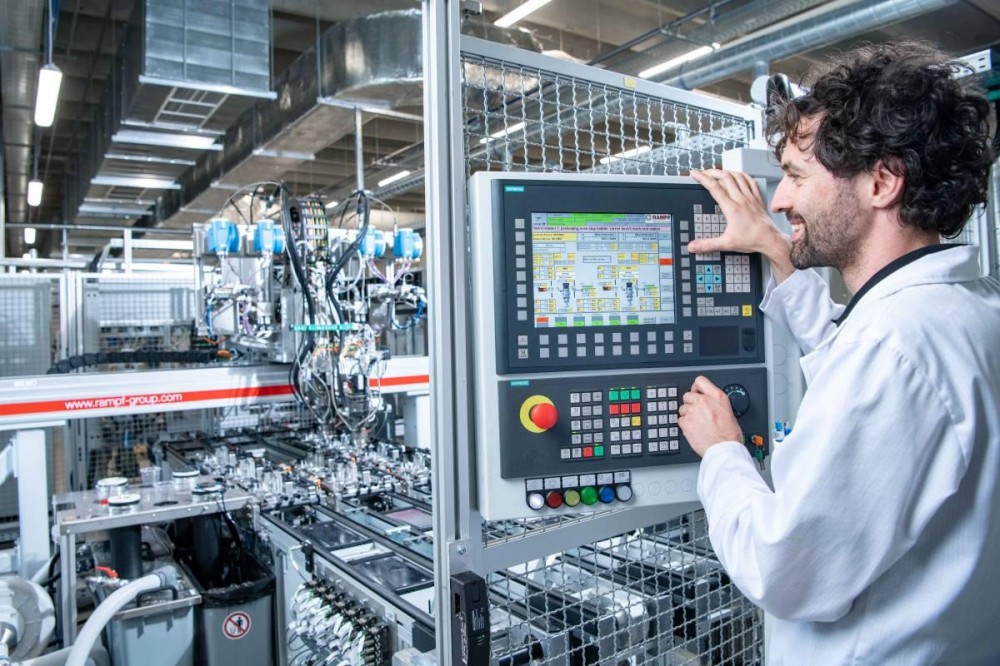
For system integrators and automation engineers, the direction is clear: future PLC and DCS projects will increasingly combine traditional control logic with software, industrial networking, data analytics and AI. This evolution could influence how factories design control architectures, maintain automation equipment and manage engineering workflows.
As Siemens moves toward its unified Automation organization, the industrial automation market continues to shift from standalone control components toward connected, software-defined and AI-enabled production systems.
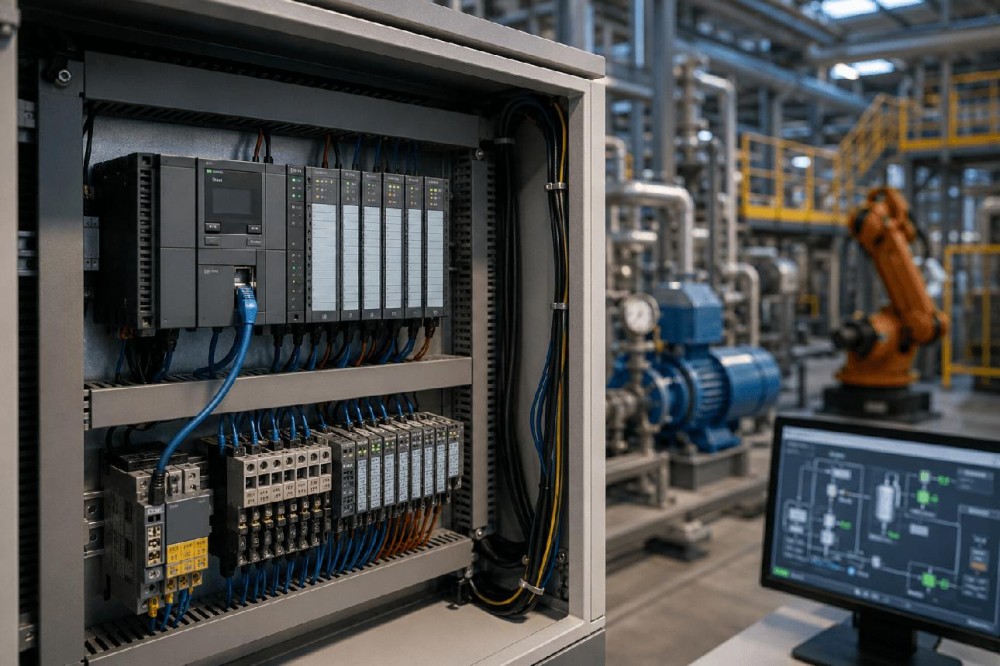 Rockwell Automation Introduces FactoryTalk Conductor: A New AI Platform For Industrial Automation
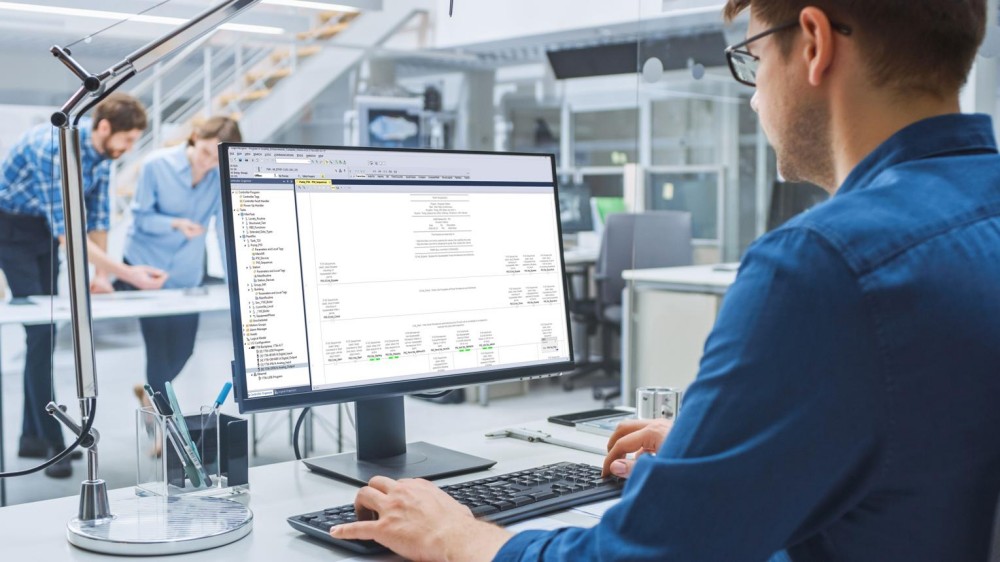 Rockwell Automation Expands Industrial AI Capabilities With NVIDIA Nemotron Support
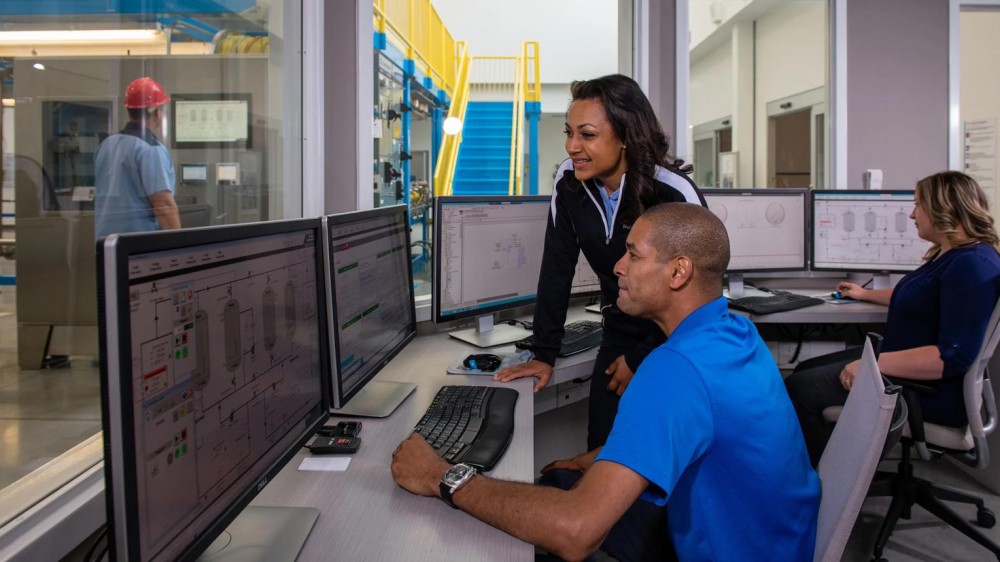 Rockwell Automation Introduces FactoryTalk Conductor To Advance AI-Driven Industrial Automation
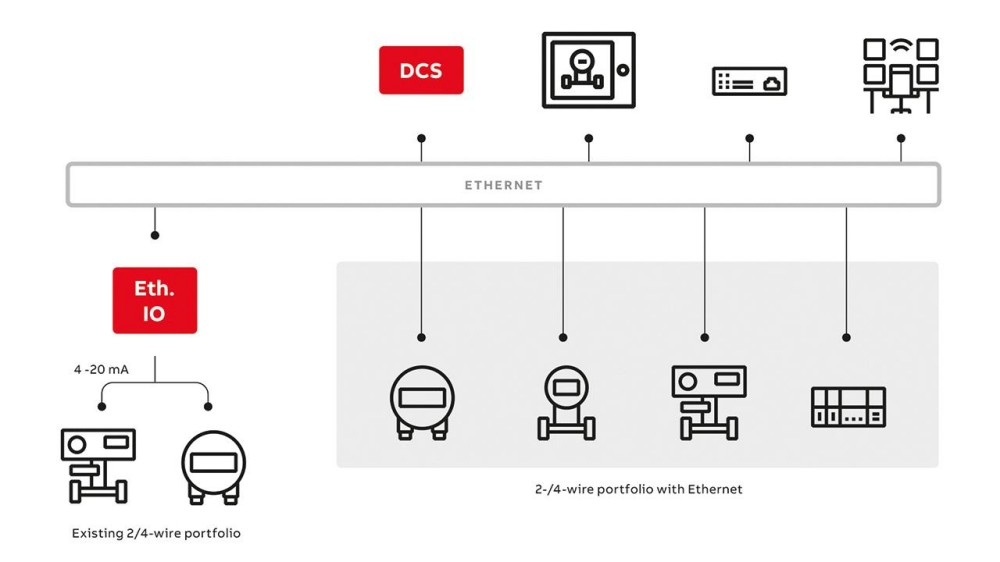 ABB And Boliden Advance DCS Modernization With Ethernet-APL Industrial Automation