100% Original, Ready to Ship!

Global Industrial Robot Installations Reach Record Levels As Factory Automation Accelerates
The global industrial automation industry continues to expand as manufacturers increase investment in robotics, intelligent production systems, and connected factory technologies. The latest industry data shows that the global operational stock of industrial robots reached approximately 5 million units in 2025, representing a significant increase compared with the previous year. More than 600,000 new industrial robots were installed worldwide during the year.
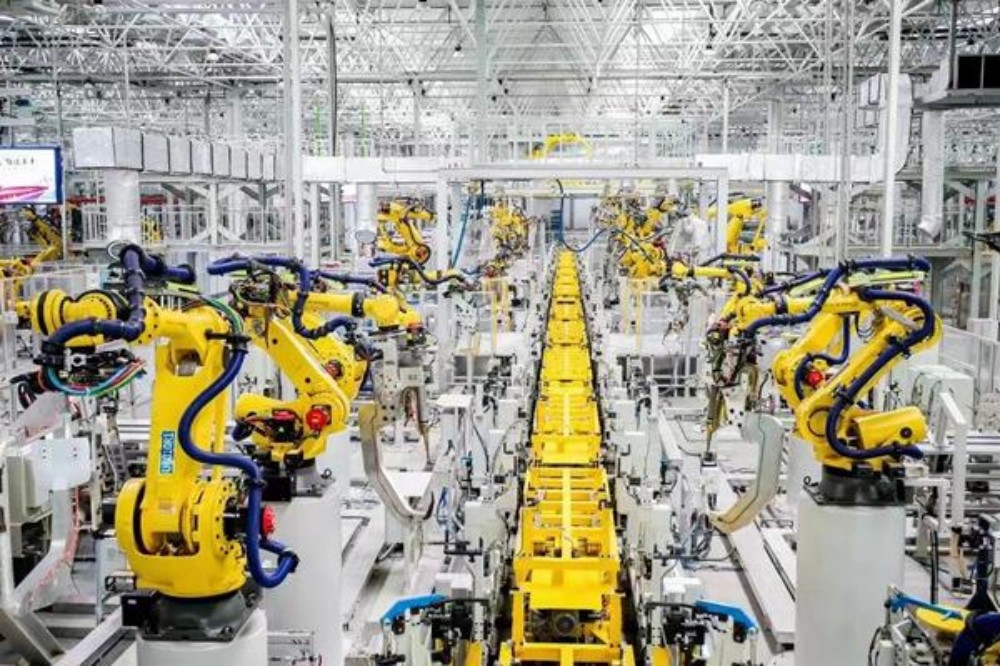
The growth highlights the continuing transformation of traditional manufacturing facilities into highly automated production environments. Industrial robots are increasingly integrated with PLC controllers, motion control systems, machine vision, industrial networks, sensors, and manufacturing execution systems. This combination allows factories to automate material handling, assembly, welding, inspection, packaging, and other repetitive operations while improving production consistency.
Asia remains the largest regional market for industrial robot deployment. China continues to account for a substantial share of global robot installations, while other major manufacturing economies are also increasing investment in automation. Labor shortages, rising production requirements, product customization, and supply-chain resilience are among the factors encouraging manufacturers to adopt industrial automation.
The latest development also demonstrates the growing relationship between robotics and artificial intelligence. Improvements in machine vision, sensing, programming, and AI-based control are expanding the range of tasks that robots can perform. Easier programming and system integration are also helping manufacturers introduce robotic automation without completely redesigning existing production lines.
For PLC and DCS engineers, this trend creates increasing demand for reliable industrial communication, distributed I/O, motion controllers, safety systems, and real-time data acquisition. Modern automation projects often require PLC systems to coordinate robots, drives, sensors, HMIs, and supervisory software as part of a single production architecture.
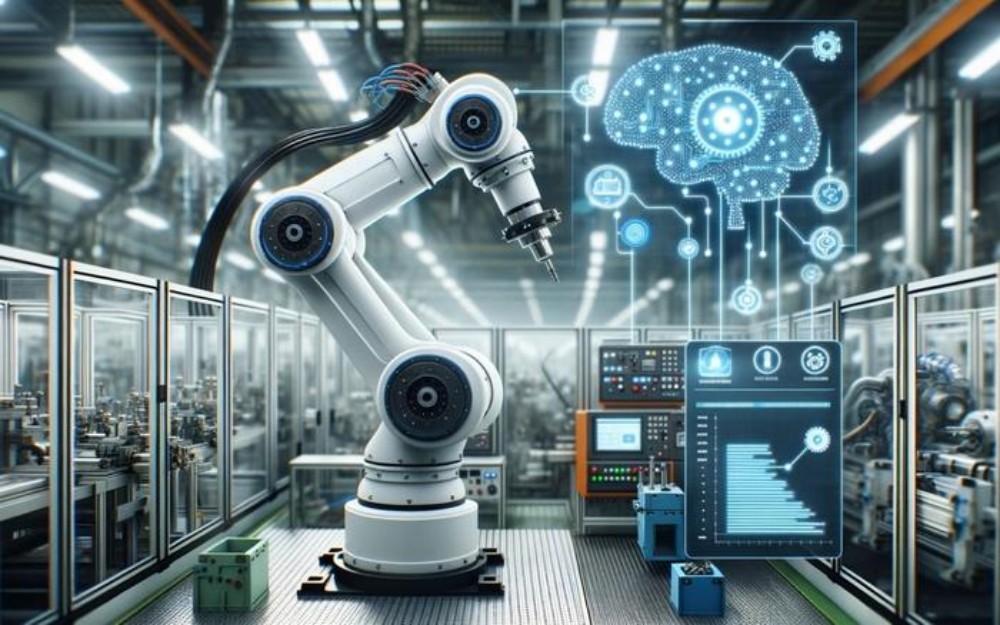
As factories pursue higher productivity and more flexible manufacturing, industrial robots are increasingly becoming integrated components of intelligent automation systems rather than standalone machines. The continued growth of robotics is expected to remain an important part of the global Industry 4.0 transformation.
 Rockwell Automation Expands Industrial AI Capabilities With NVIDIA Nemotron Support
 Rockwell Automation Introduces FactoryTalk Conductor To Advance AI-Driven Industrial Automation
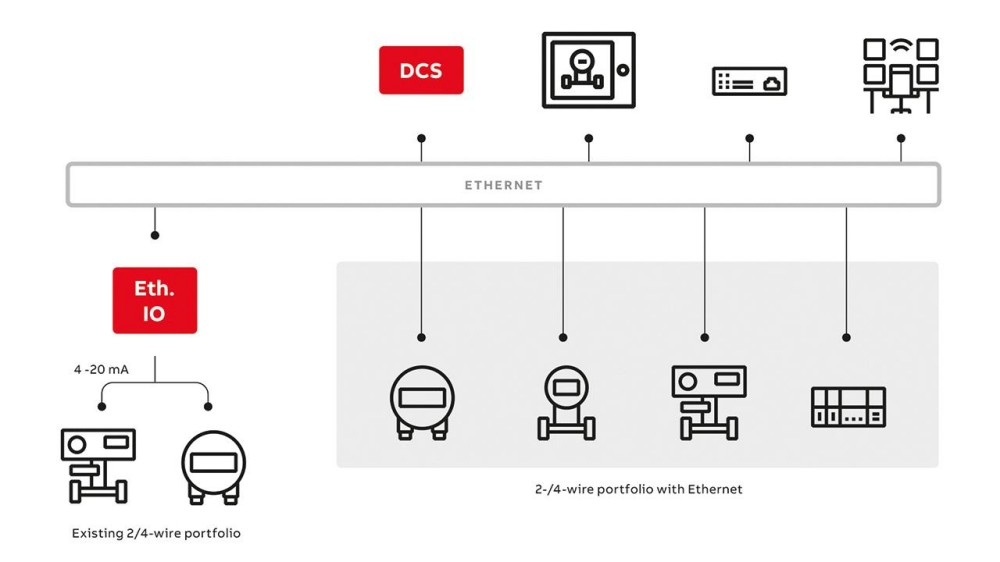 ABB And Boliden Advance DCS Modernization With Ethernet-APL Industrial Automation
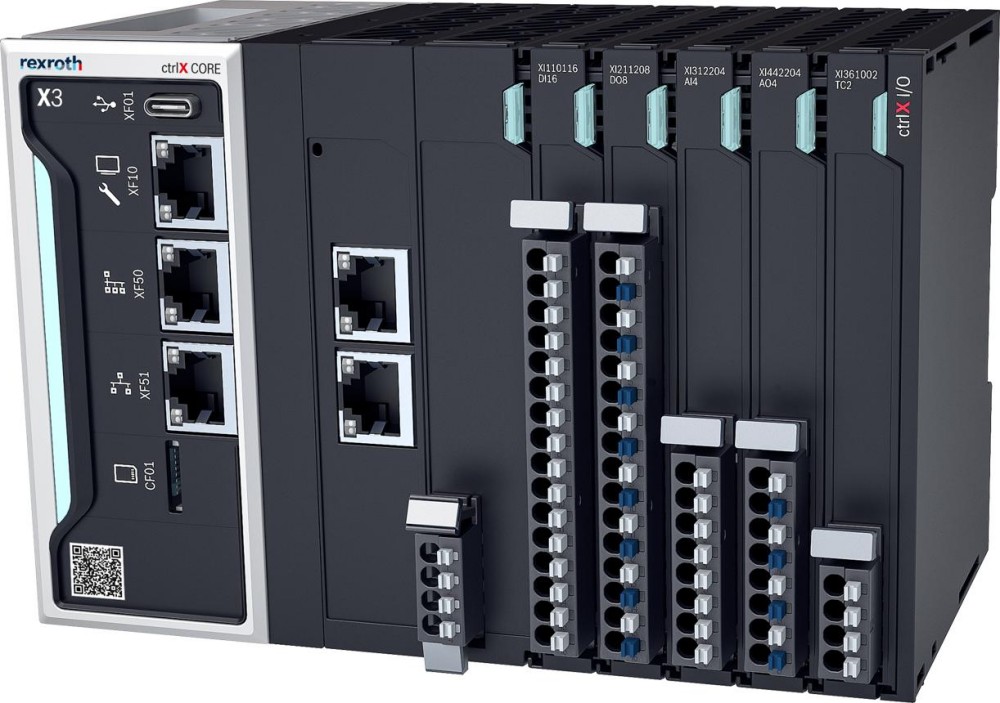 Bosch Rexroth Expands ctrlX AUTOMATION With New Safety PLC, Drive And Software Features