100% Original, Ready to Ship!

Techman Robot Achieves IEC 62443-4-2 Security Level 2 Certification For AI Collaborative Robots
Techman Robot announced on October 6, 2026, that its TM AI Cobot S Series had obtained IEC 62443-4-2 Security Level 2 cybersecurity certification following an independent assessment by DEKRA. The announcement highlights the growing importance of cybersecurity as collaborative robots and artificial intelligence become more closely integrated into connected manufacturing environments.
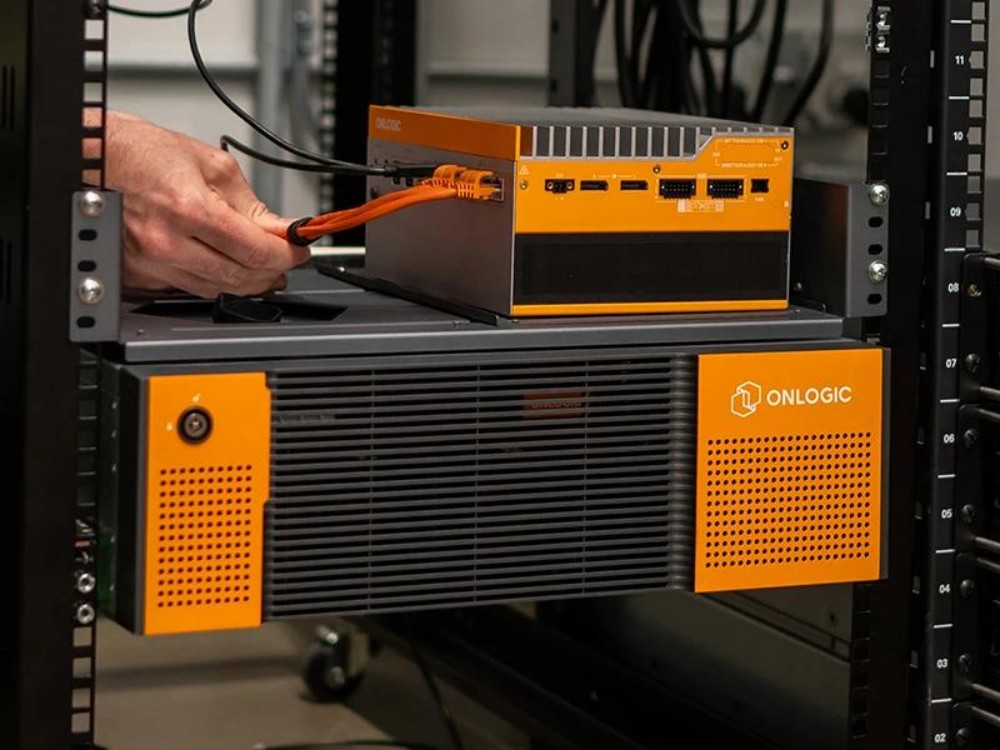
Industrial robots are no longer isolated machines performing repetitive movements. Modern collaborative robots can combine machine vision, AI-based functions, industrial communications and connections to production software. These capabilities create new opportunities for flexible manufacturing, but they also increase the importance of protecting connected equipment against unauthorized access and other cyber risks.
Why IEC 62443-4-2 Matters
IEC 62443 is a family of standards addressing cybersecurity for industrial automation and control systems. Part 4-2 defines technical security requirements for industrial automation components, helping manufacturers and users evaluate security capabilities at the device level.
Security Level 2 is associated with protection against intentional violations using relatively simple means, limited resources, common skills and low motivation. Certification provides a useful reference for equipment evaluation, although it does not mean that an entire factory network is automatically secure.
A robot’s cybersecurity also depends on how it is deployed. Network architecture, user permissions, software updates, remote-access arrangements and connections to other machines all influence the overall security posture of an installation.
Connecting AI Robotics with Industrial Control Systems
AI-enabled collaborative robots can support applications such as machine tending, assembly, material handling and vision-assisted inspection. In these environments, robots may exchange data with PLCs, programmable automation controllers, manufacturing execution systems and supervisory control platforms.
That connectivity makes secure integration essential. Engineers should identify which devices need to communicate, restrict unnecessary network paths and apply access controls appropriate to each role. Remote maintenance should use approved, monitored access methods rather than unrestricted connections to the factory network.
Manufacturers should also establish procedures for firmware updates, vulnerability handling, incident reporting and recovery. Asset inventories are particularly important in facilities that operate equipment from multiple vendors or maintain a mixture of new and legacy control systems.
Cybersecurity Is a System-Level Responsibility
The certification announced by Techman Robot represents a product-level security milestone, not a substitute for plant-wide cybersecurity management. System integrators and end users still need to assess the complete installation, including PLCs, industrial switches, engineering workstations, SCADA servers and connections to enterprise IT systems.
For critical applications, cybersecurity measures should be coordinated with functional safety and operational availability requirements. Security changes must be tested carefully so that they do not interrupt validated control functions or introduce unexpected downtime.
Before selecting a collaborative robot, buyers should review the certification scope, applicable product versions, security documentation and the manufacturer’s update policy. They should also verify whether the certificate covers the exact configuration being purchased.
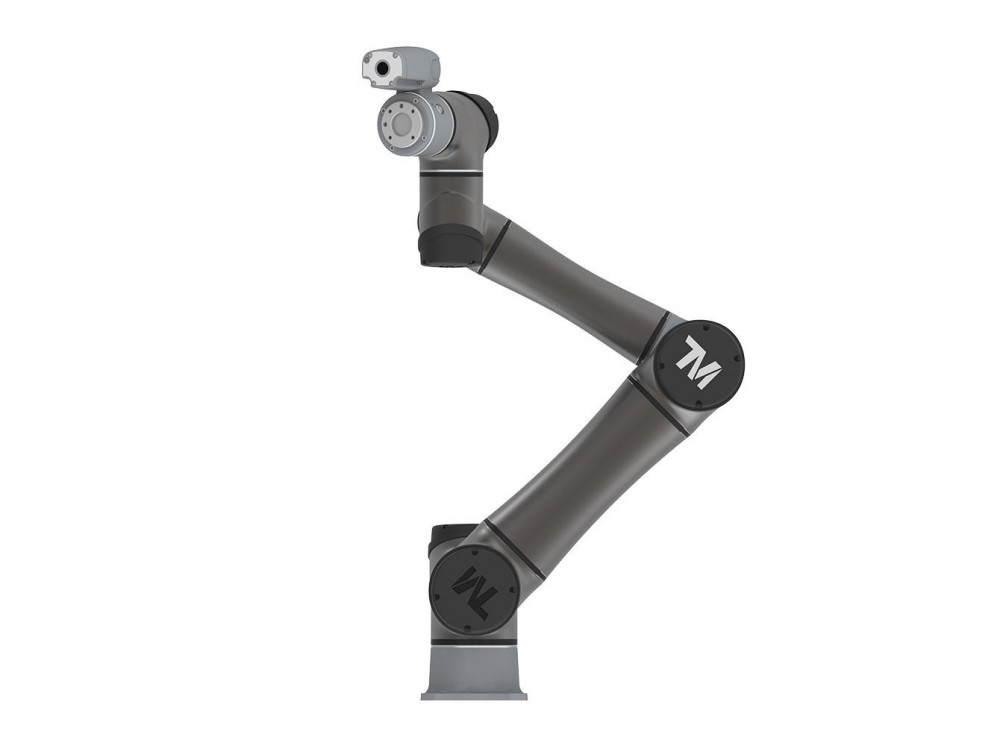
As industrial AI expands into production, manufacturers will increasingly need automation equipment that combines useful functionality with clearly documented security capabilities. Techman Robot’s announcement illustrates how cybersecurity certification is becoming an important consideration in the evaluation of connected industrial robots.
 Rockwell Automation Expands Industrial AI Capabilities With NVIDIA Nemotron Support
 Rockwell Automation Introduces FactoryTalk Conductor To Advance AI-Driven Industrial Automation
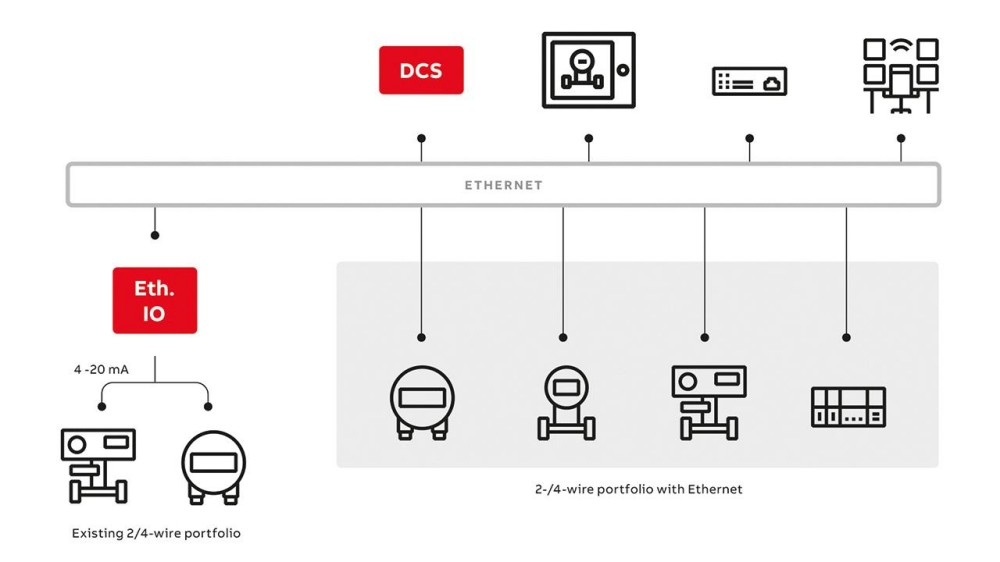 ABB And Boliden Advance DCS Modernization With Ethernet-APL Industrial Automation
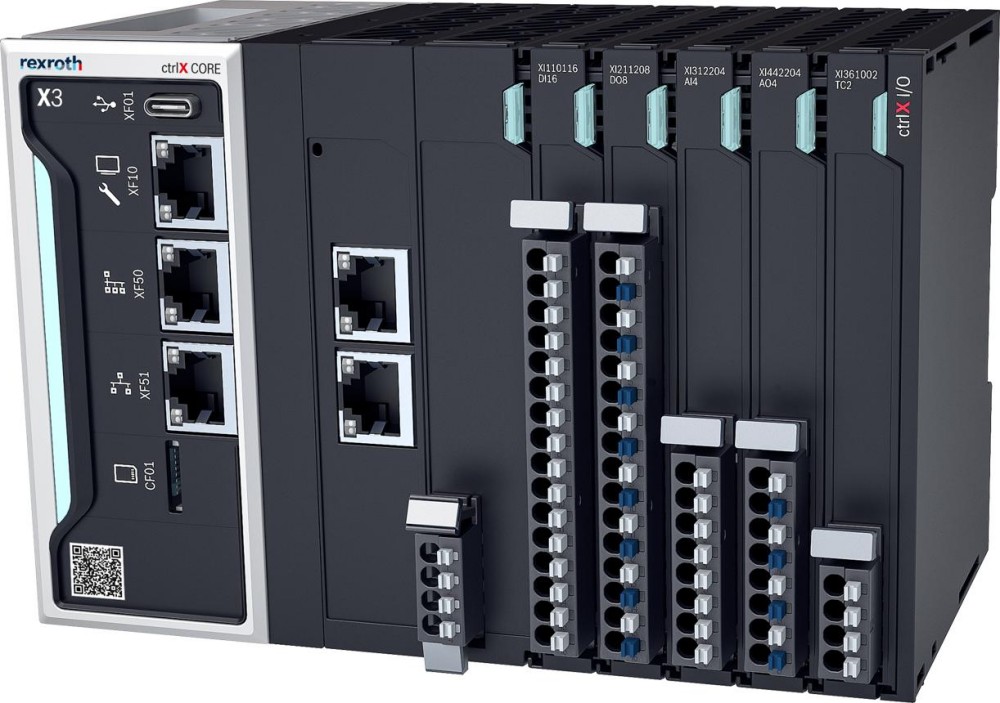 Bosch Rexroth Expands ctrlX AUTOMATION With New Safety PLC, Drive And Software Features