100% Original, Ready to Ship!

Rockwell Automation Introduces FactoryTalk Conductor To Advance AI-Driven Industrial Automation
Rockwell Automation has announced FactoryTalk Conductor, a new AI-native orchestration platform designed to coordinate artificial intelligence tasks, agents, and workflows across the industrial automation lifecycle. The software is intended to support AI-enabled activities from system design and engineering to plant operations and equipment maintenance.
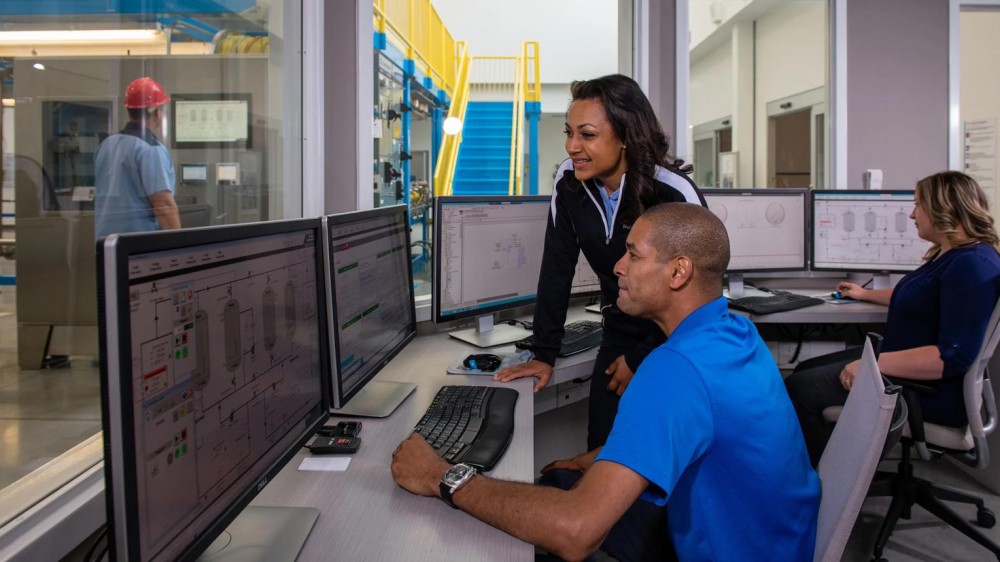
The announcement reflects a growing trend in manufacturing: moving beyond isolated AI applications toward connected digital workflows that help engineers and operators manage increasingly complex industrial systems. Rockwell plans to introduce the platform publicly at Automation Fair 2026 in Boston, with commercial availability expected in the first quarter of 2027.
Connecting AI with Industrial Automation Workflows
Industrial facilities rely on multiple technologies, including programmable logic controllers (PLCs), human-machine interfaces (HMIs), supervisory control and data acquisition (SCADA) systems, industrial networks, and manufacturing software. Although these systems generate substantial operational data, using that information efficiently across different engineering and maintenance tasks can remain challenging.
FactoryTalk Conductor is designed to coordinate AI agents, specialized capabilities, and workflows within a unified environment. Rather than treating every AI application as an independent tool, this approach aims to connect different tasks and software environments throughout the automation lifecycle.
Potential applications of industrial AI include assisting engineers with technical information, supporting fault investigation, improving access to operational knowledge, and helping maintenance teams identify issues that require attention. The actual capabilities available to users will depend on the platform’s released functionality, supported integrations, and deployment configuration.
What It Could Mean for PLC and Control System Engineers
For PLC engineers and system integrators, AI orchestration could provide another way to organize information during development, commissioning, and troubleshooting. Automation projects often involve controller programs, electrical drawings, hardware configurations, alarm histories, communication settings, and maintenance records.
When these sources are connected appropriately, AI tools may help engineers locate relevant documentation, compare system information, or narrow down possible causes of an equipment fault. Such assistance could be particularly useful in facilities operating multiple controller generations or complex production lines.
However, AI orchestration does not replace the deterministic behavior required from PLCs, motion controllers, or safety systems. Real-time control logic, interlocks, emergency stops, and safety functions must continue to operate according to their validated designs. Any AI-generated recommendation that affects production should be reviewed and tested under established engineering procedures.
Cybersecurity and Data Governance Remain Essential
Connecting AI tools to industrial software introduces important questions about access permissions, data quality, cybersecurity, and operational responsibility. Manufacturers should establish which systems AI applications can access, what actions they are permitted to perform, and whether human approval is required before changes are implemented.
A practical deployment strategy should include role-based access control, network segmentation, audit trails, backup procedures, and testing in a controlled environment. Companies should also evaluate how sensitive production data is processed and retained, particularly when connecting operational technology (OT) with enterprise IT systems.
The Future of AI-Enabled Manufacturing
Rockwell Automation’s FactoryTalk Conductor announcement highlights the industry’s movement toward more coordinated industrial AI applications. For manufacturers, the key question is not simply whether AI can be introduced, but how it can be integrated safely and effectively with existing automation infrastructure.
As the platform moves toward commercial availability, automation professionals should monitor its supported integrations, deployment requirements, security features, and practical use cases. For organizations planning digital transformation, AI orchestration may become an additional tool for connecting engineering knowledge, operational data, and maintenance workflows while keeping established control systems at the center of production.
SEO Keywords: Rockwell Automation FactoryTalk Conductor, industrial AI, PLC automation, AI orchestration platform, industrial control systems, smart manufacturing, industrial automation software, predictive maintenance, digital transformation
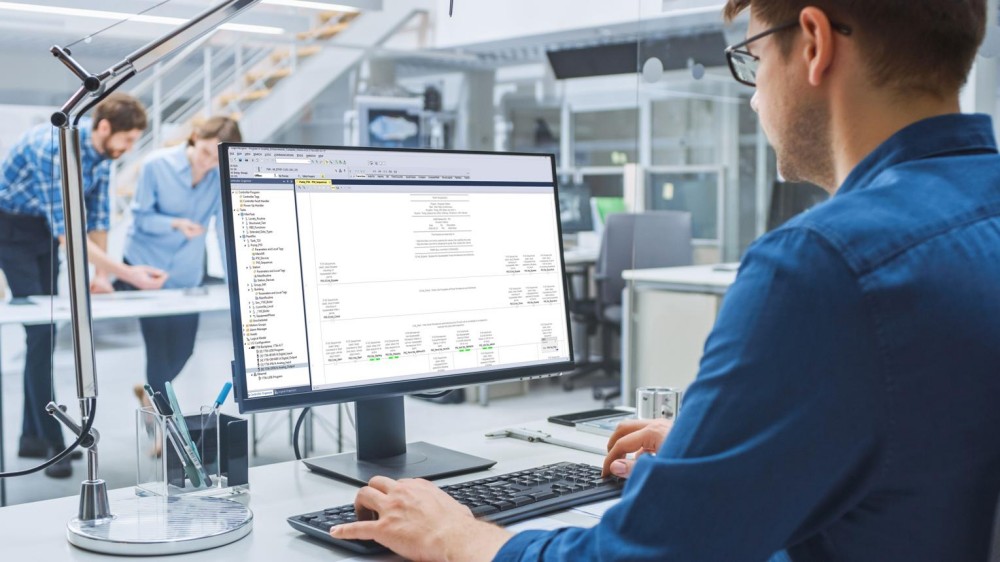 Rockwell Automation Expands Industrial AI Capabilities With NVIDIA Nemotron Support
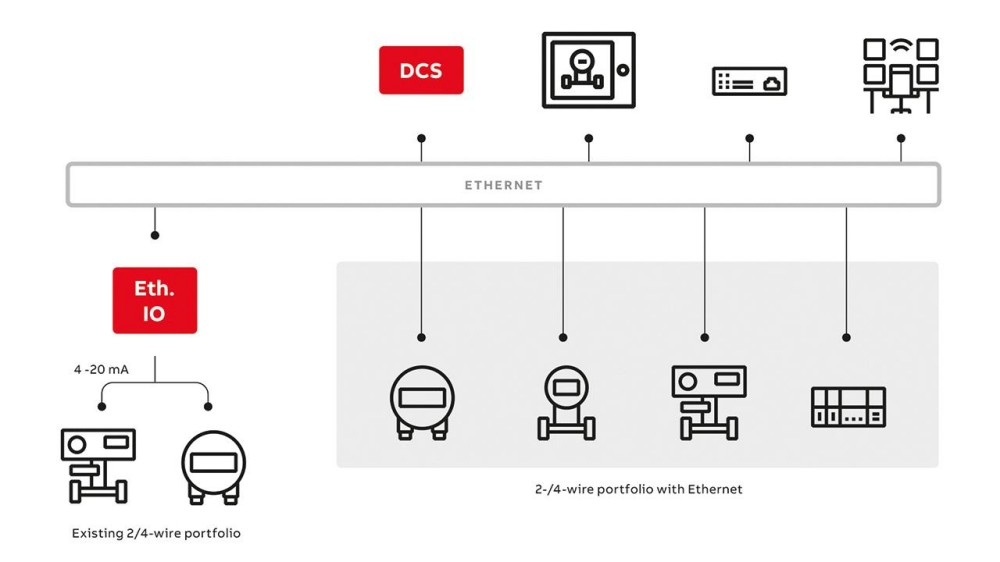 ABB And Boliden Advance DCS Modernization With Ethernet-APL Industrial Automation
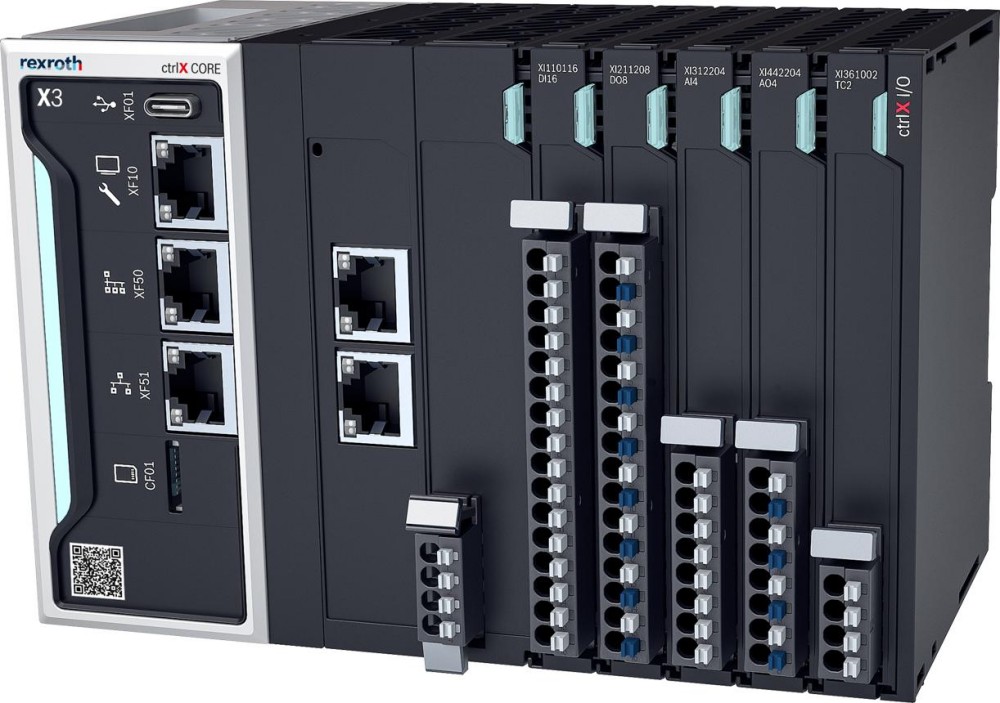 Bosch Rexroth Expands ctrlX AUTOMATION With New Safety PLC, Drive And Software Features
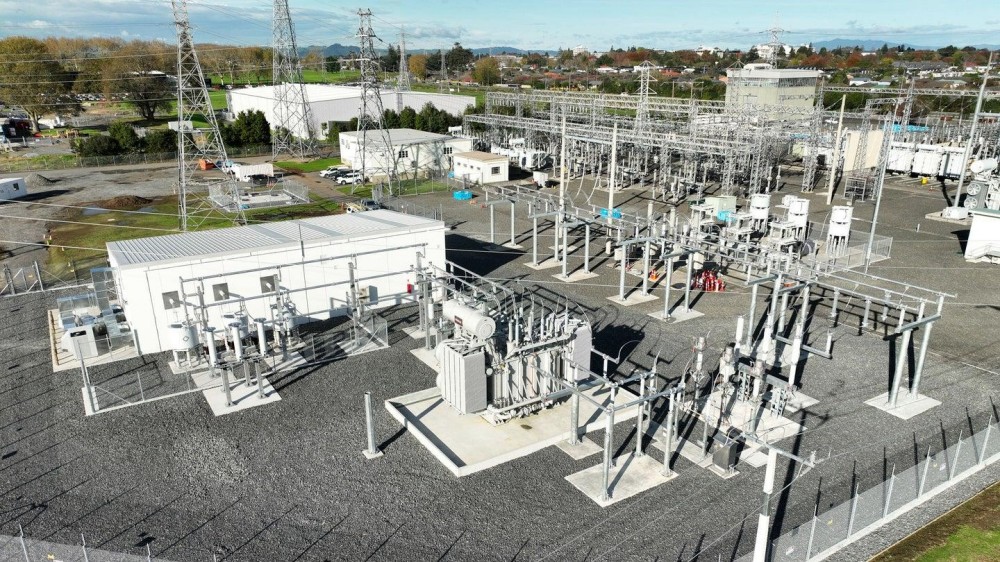 Hitachi Energy And Rockwell Automation Partner To Integrate Power And Industrial Automation