100% Original, Ready to Ship!

Schneider Electric, NVIDIA And HPE Partner To Bring Physical AI To Industrial Automation
Schneider Electric, NVIDIA, and Hewlett Packard Enterprise (HPE) have announced a strategic collaboration to accelerate the adoption of Physical AI across process and heavy industries. Announced in October 2026, the initiative introduces Industrial AI Agents at the Edge, combining industrial automation expertise, AI computing infrastructure, and intelligent software to improve industrial monitoring, cybersecurity, and energy optimization.
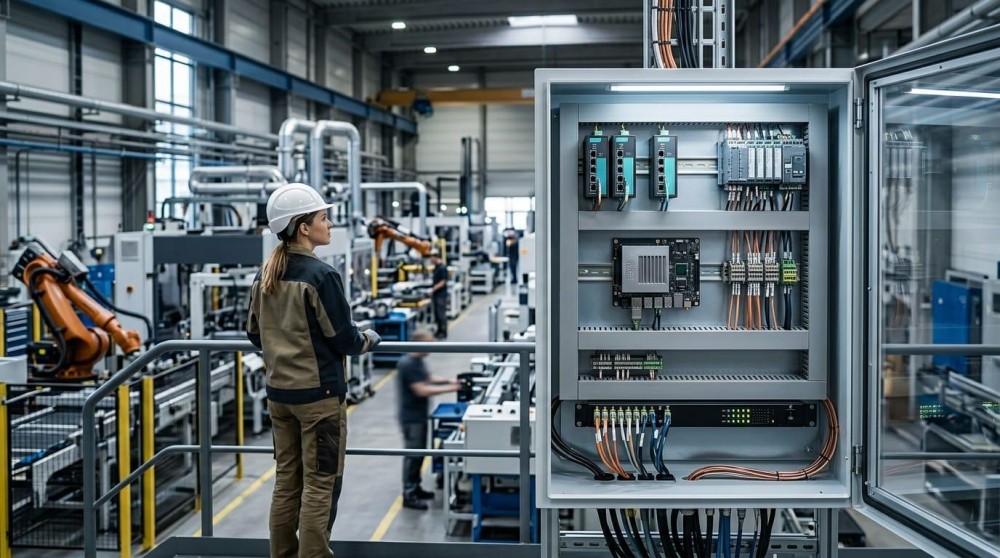
Bringing Artificial Intelligence Closer to Industrial Operations
Traditional industrial automation systems rely on programmable logic controllers (PLCs), distributed control systems (DCS), supervisory control and data acquisition (SCADA) platforms, and industrial sensors to maintain stable and efficient production. As factories become increasingly connected, manufacturers are exploring ways to combine these established control technologies with artificial intelligence.
The collaboration brings together Schneider Electric’s operational technology expertise, NVIDIA’s AI technologies, and HPE Private Cloud AI. The solution is designed to process industrial data closer to where it is generated, allowing AI applications to support operational decisions while helping organizations maintain control over sensitive information.
Unlike AI applications focused primarily on office productivity, industrial AI agents are intended to work with operational data, equipment configurations, alarms, maintenance records, and process information.
Three Key Applications for Industrial AI Agents
The initial applications focus on three important areas of industrial operations.
1. Industrial Control System Monitoring
AI agents can analyze information about control systems, servers, workstations, and industrial network equipment to help identify abnormal conditions. Earlier detection of potential issues can support maintenance planning and help engineering teams investigate faults more efficiently.
2. Industrial Cybersecurity
Industrial facilities must protect connected control systems against evolving cybersecurity threats. AI agents are designed to correlate network activity, equipment configurations, and operational events to help identify suspicious behavior and assess potential risks. Human oversight and established security procedures remain essential.
3. Energy Optimization
Energy-intensive industries can use operational data to better understand energy consumption, equipment performance, and production requirements. AI-driven analysis may help identify optimization opportunities and support more efficient operating decisions without compromising process stability.
What This Means for PLC and DCS Engineers
For PLC engineers, DCS specialists, and industrial system integrators, the development highlights the growing importance of connecting control systems with advanced analytics and AI-enabled applications.
However, AI does not replace the fundamental role of PLCs and DCS platforms. Deterministic control logic, safety systems, reliable field instrumentation, and properly engineered industrial networks remain essential to safe and predictable production.
Instead, AI can complement these technologies by helping engineers interpret operational information, investigate abnormalities, and identify potential improvements. Any control changes affecting critical equipment should continue to follow appropriate validation, authorization, and change-management procedures.
Edge Computing and Industrial Data Security
One of the main challenges in industrial AI adoption is balancing intelligent data analysis with cybersecurity, data governance, and operating costs. Processing data closer to industrial equipment can reduce the need to transfer sensitive operational information to remote environments.
The companies intend to address these challenges through an integrated approach combining edge computing, AI models, and industrial software. The practical benefits will depend on implementation, infrastructure, cybersecurity controls, and the requirements of each facility.
The Future of Industrial Automation
The collaboration between Schneider Electric, NVIDIA, and HPE reflects a broader shift toward intelligent, connected manufacturing. As AI technologies mature, industrial companies will increasingly evaluate how they can complement existing PLC, DCS, SCADA, and instrumentation systems.
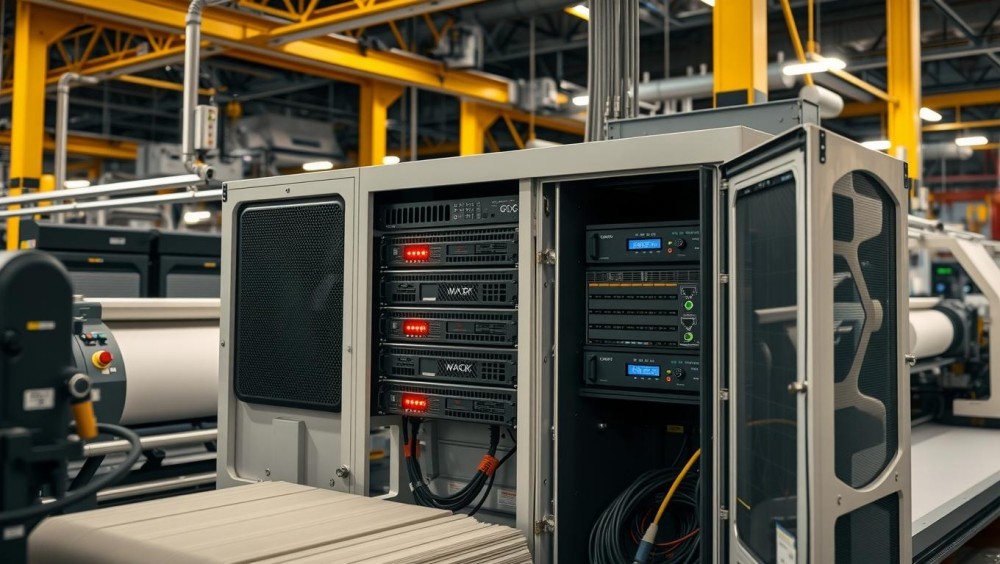
For manufacturers and automation professionals, the priority will be to adopt these capabilities in ways that improve operational visibility, support maintenance, strengthen cybersecurity, and maintain reliable industrial control.
The future of industrial automation will likely depend not on replacing established control technologies, but on integrating them with secure, well-governed AI applications that deliver measurable value on the factory floor.
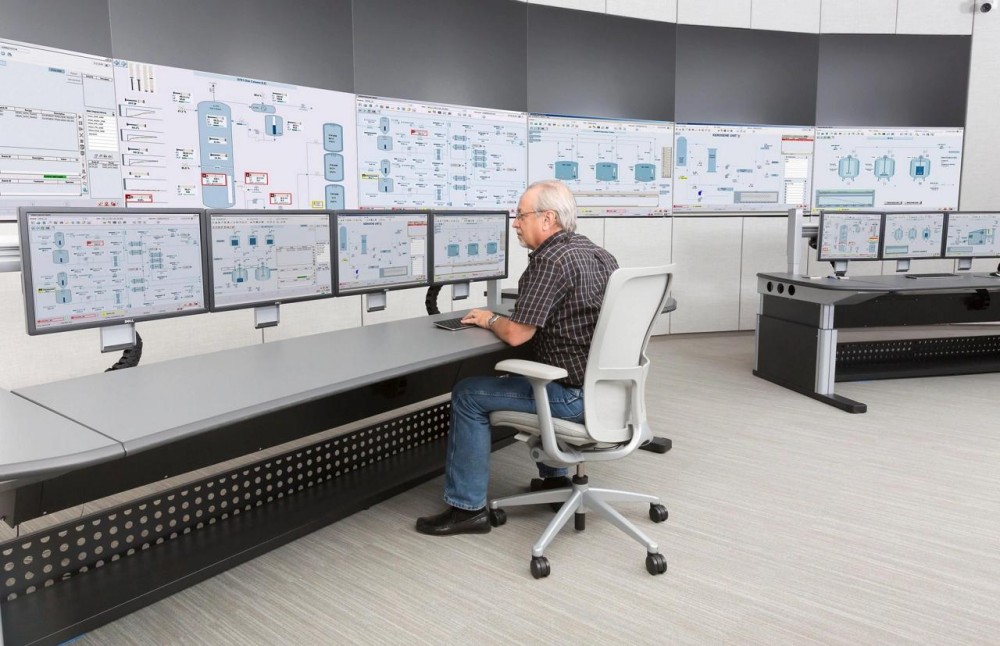 Schneider Electric Launches Foxboro Software-Defined DCS To Advance Industrial Automation
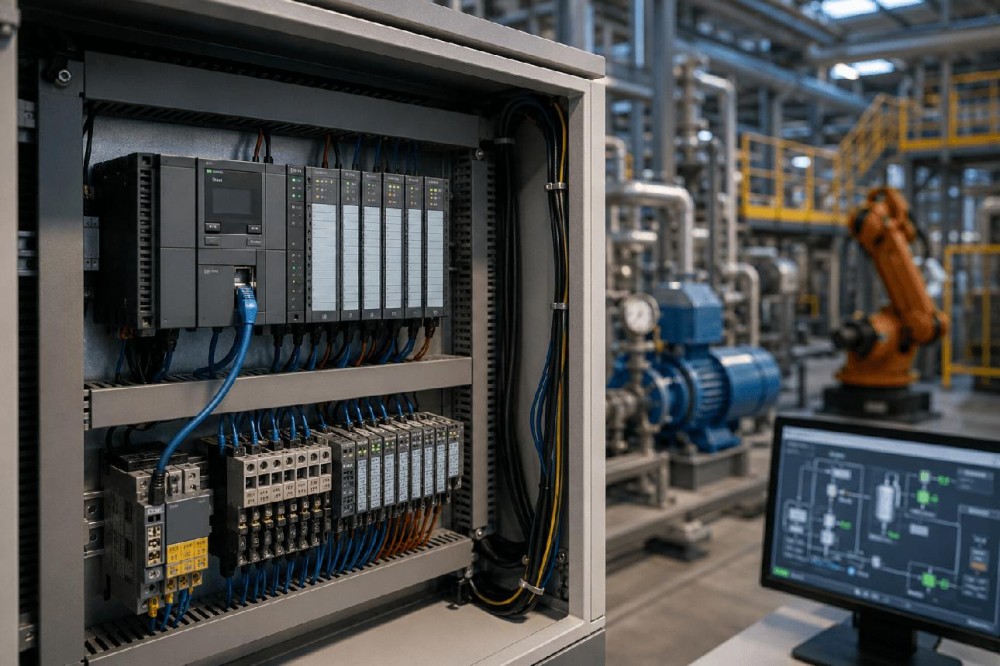 Rockwell Automation Introduces FactoryTalk Conductor: A New AI Platform For Industrial Automation
 Rockwell Automation Expands Industrial AI Capabilities With NVIDIA Nemotron Support
 Rockwell Automation Introduces FactoryTalk Conductor To Advance AI-Driven Industrial Automation