100% Original, Ready to Ship!

Carbon As A New Industrial Efficiency Metric: Honeywell On The Path Toward Zero-Carbon Factories
As China prepares to select a batch of zero-carbon factories starting in 2026, industrial manufacturing is entering a new phase of accelerated low-carbon transformation.
According to Honeywell Greater China President Yu Feng, zero-carbon factories are not simply an emissions reduction initiative, but a strategic shift that will reshape industrial competitiveness. He noted that carbon should be treated as a new efficiency metric and a core design constraint across industrial systems.
This transition will require a systematic redesign of factory planning, energy supply (850101), production processes, and supply chain management. By embedding carbon considerations into every stage of industrial operations, companies can drive a deeper efficiency revolution and enable high-quality industrial development.

For Honeywell, China’s dual-carbon strategy is already deeply integrated into its corporate development roadmap. The company is actively advancing toward carbon neutrality across global operations by 2035, including operational emissions and facilities (885919).
In China, multiple Honeywell facilities, including its Tianjin plant, have been recognized as national or provincial green factories, forming a strong foundation for its sustainability practices.
Yu emphasized that Honeywell is continuously integrating sustainable technologies into its industrial solutions, helping customers improve operational efficiency while reducing carbon emissions, and supporting the broader transition toward a low-carbon industrial future.
 Rockwell Automation Expands Industrial AI Capabilities With NVIDIA Nemotron Support
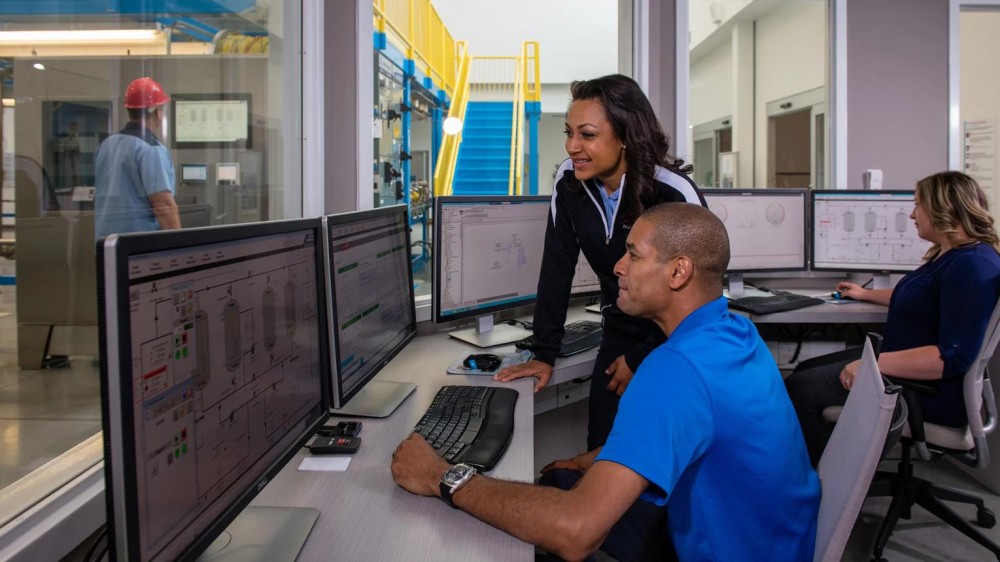 Rockwell Automation Introduces FactoryTalk Conductor To Advance AI-Driven Industrial Automation
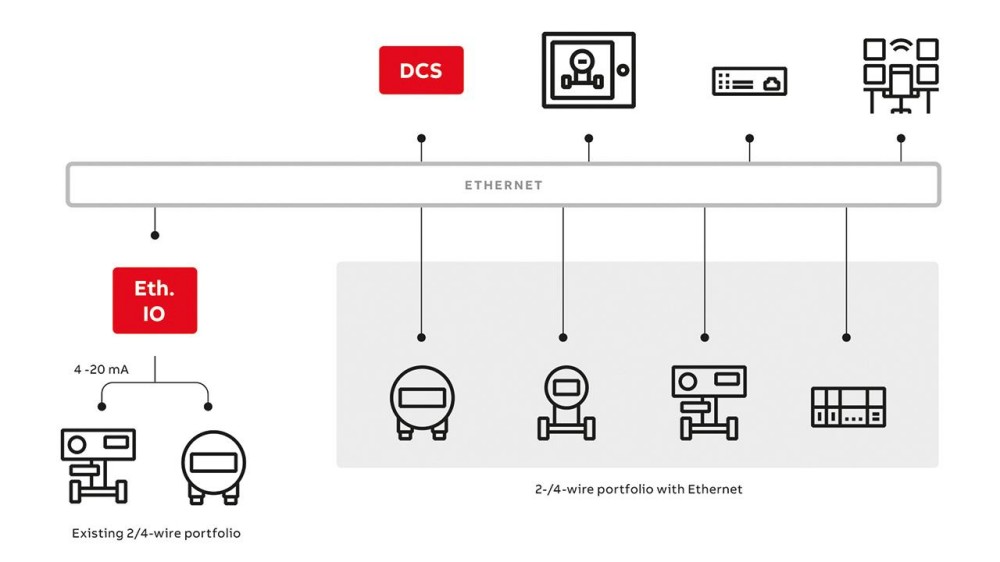 ABB And Boliden Advance DCS Modernization With Ethernet-APL Industrial Automation
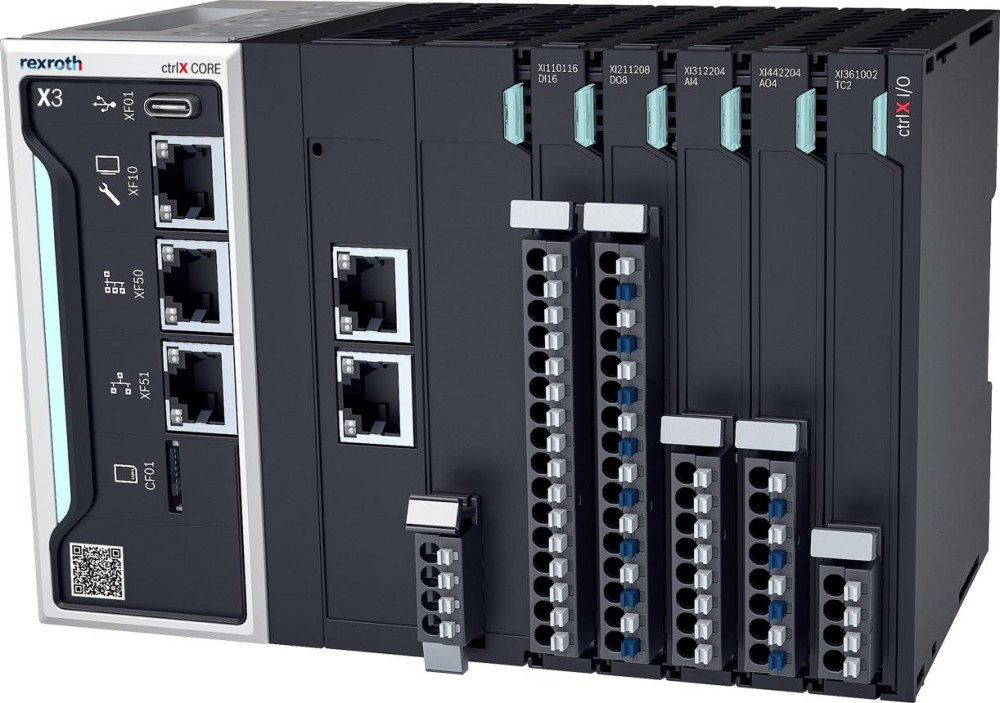 Bosch Rexroth Expands ctrlX AUTOMATION With New Safety PLC, Drive And Software Features