100% Original, Ready to Ship!

ABB Launches IRB 1700 Industrial Robots To Advance High-Precision Manufacturing Automation
ABB Robotics announced the launch of two new compact industrial robots, the IRB 1700 and IRB 1700ID, on October 12, 2026. Designed for high-speed and precision manufacturing, the new robot family aims to help manufacturers improve production efficiency, increase accuracy, and reduce operating costs across industries such as electronics, automotive, and general manufacturing.
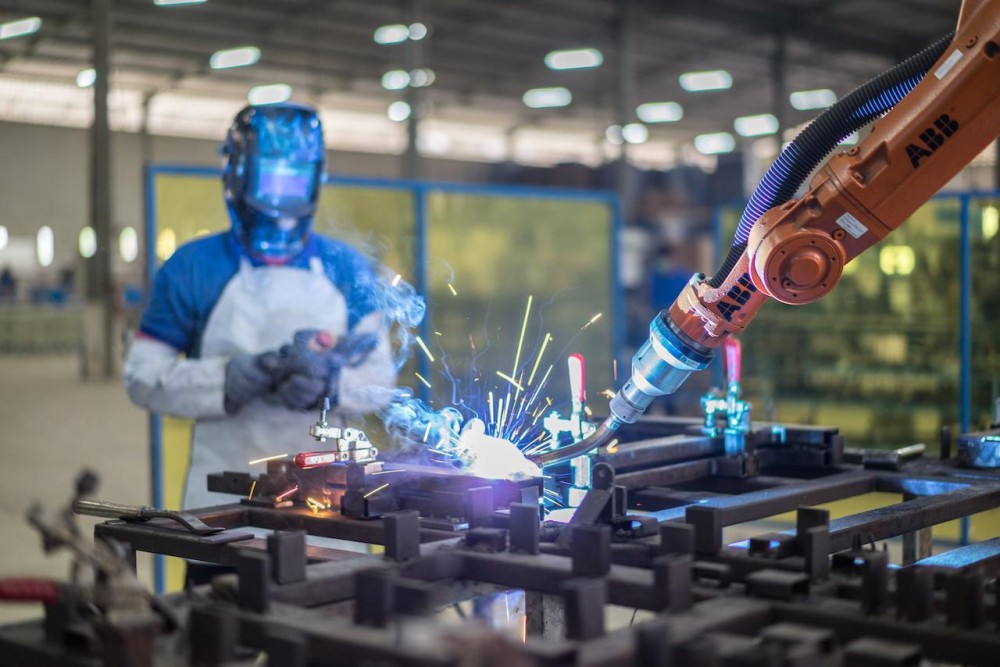
Improved Speed and Precision for Industrial Applications
The new IRB 1700 series includes five variants with payload capacities ranging from 6 kg to 12 kg. Powered by ABB’s OmniCore controllers, the robots deliver up to 20% shorter cycle times compared with comparable robots on the market.
According to ABB, the robots achieve path repeatability of up to 0.03 mm and joint speeds of up to 700 degrees per second. These capabilities make them suitable for demanding industrial applications, including material handling, arc welding, deburring, sanding, and machine tending.
For manufacturers operating automated production lines, higher motion accuracy and shorter cycle times can help improve throughput while maintaining consistent product quality.
Lower Energy Consumption and Maintenance Costs
Energy efficiency and equipment reliability are important considerations in modern industrial automation. ABB reports that the IRB 1700 can reduce power consumption by up to 15% compared with its predecessor, the IRB 1600, under the same payload conditions using OmniCore controllers.
The new robot family also offers maintenance intervals of up to 20,000 hours between oil changes. In addition, its footprint is approximately 50% smaller than that of its predecessor, helping manufacturers optimize valuable factory floor space.
The IRB 1700ID features ABB’s Integrated Dressing design, which routes cables and hoses inside the robot arm. This configuration simplifies cable management and can make installation more convenient in space-constrained production environments.
Supporting Electronics and AI Server Manufacturing
One important application highlighted by ABB is AI server rack assembly. As demand for computing infrastructure continues to grow, electronics manufacturers are facing increasing requirements for precise assembly, reliable material handling, and flexible production processes.
The IRB 1700 series is designed to support these requirements through its combination of speed, accuracy, and compact installation dimensions.
ABB also provides access to its robotics software ecosystem, including RobotStudio, AI Robot Trainer, OmniCore EyeMotion, and automatic collision-free path planning. These tools support robot programming, application development, and production-cell planning.
What This Means for Industrial Automation
The launch of the IRB 1700 series reflects the continuing development of intelligent industrial robotics. Modern manufacturing increasingly depends on the integration of industrial robots, PLC controllers, motion control systems, sensors, industrial networks, and automation software.
For system integrators and factory engineers, selecting the right robot is only one part of a successful automation project. Controller compatibility, communication interfaces, safety systems, installation requirements, and commissioning procedures must also be considered.
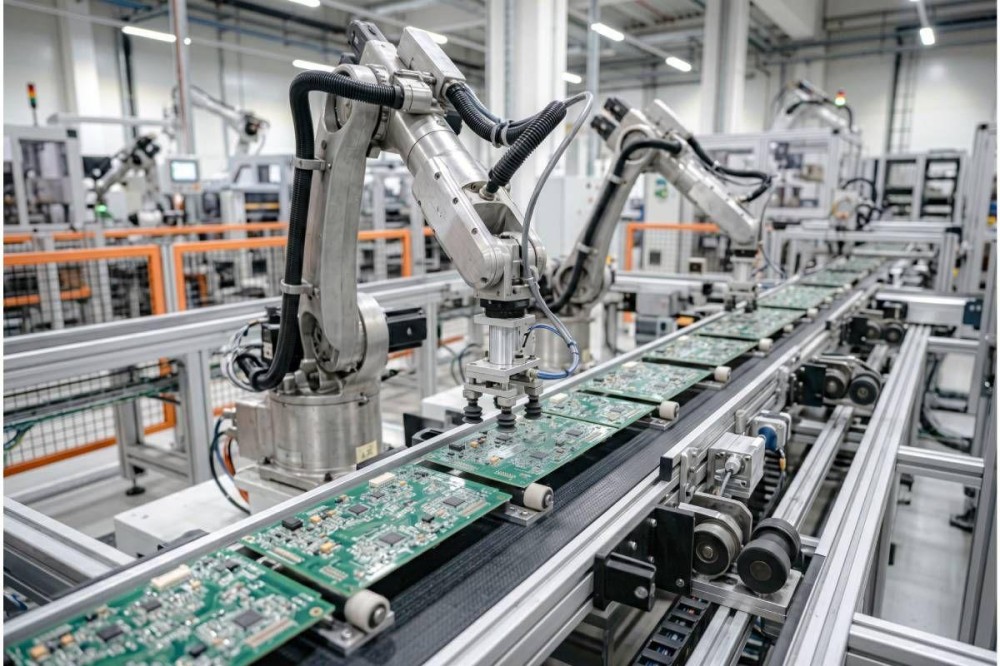
ABB’s latest robot family provides manufacturers with additional options for developing compact, high-performance production cells.
As precision manufacturing continues to evolve, the integration of robotics and industrial control technologies will remain an important factor in improving factory productivity, operational flexibility, and long-term manufacturing competitiveness.
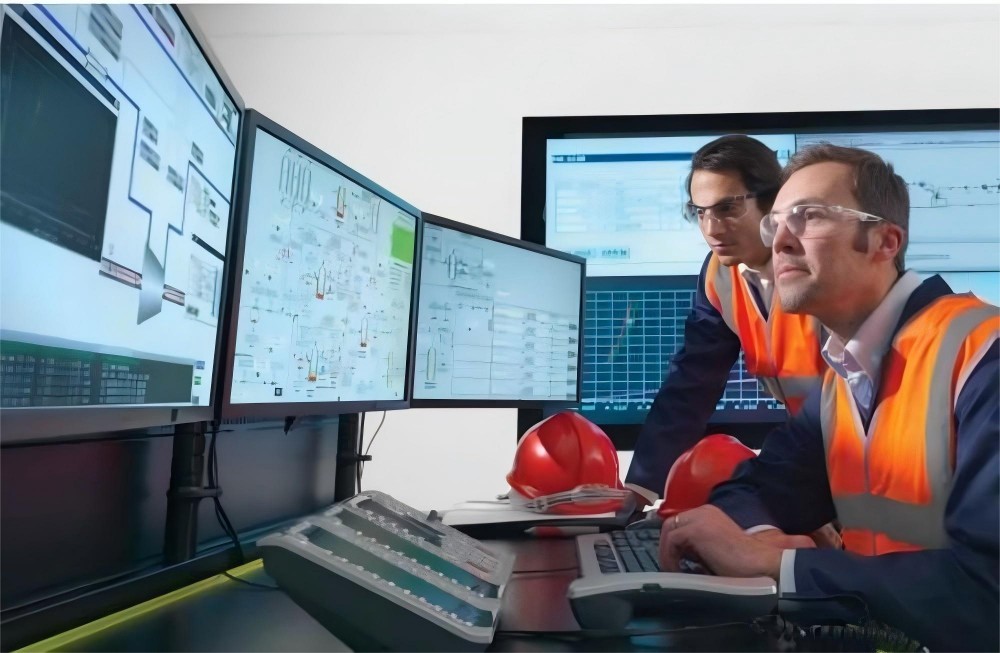 Schneider Electric Introduces Software-Defined DCS for Next-Generation Industrial Automation
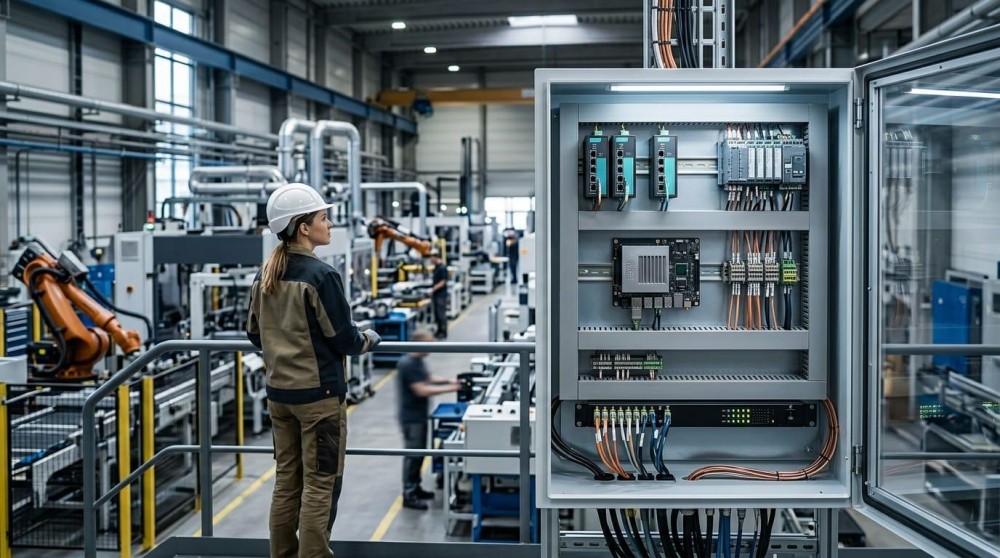 Schneider Electric, NVIDIA And HPE Partner To Bring Physical AI To Industrial Automation
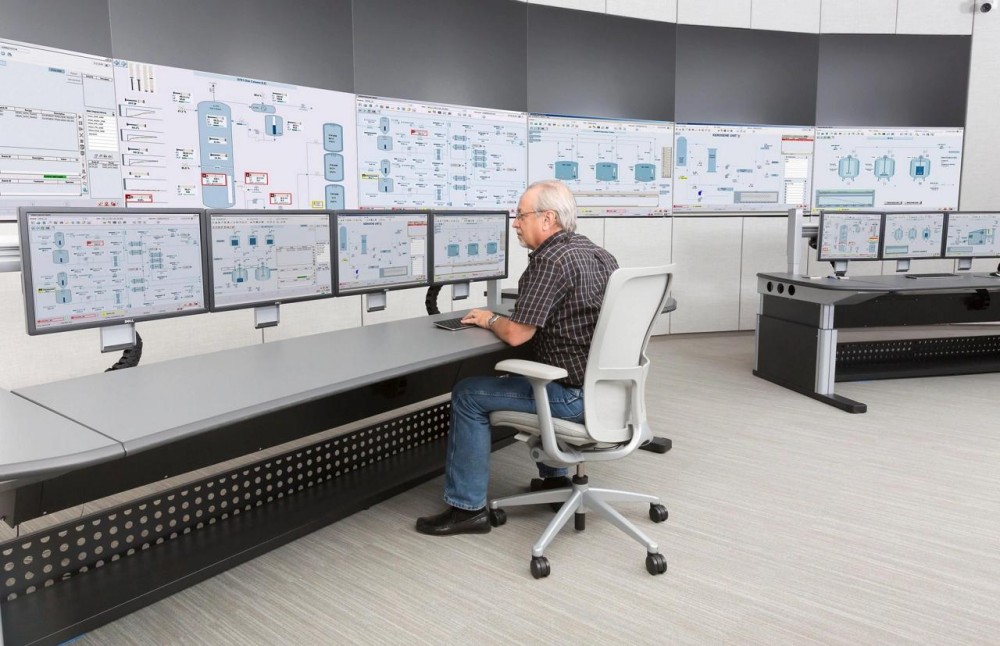 Schneider Electric Launches Foxboro Software-Defined DCS To Advance Industrial Automation
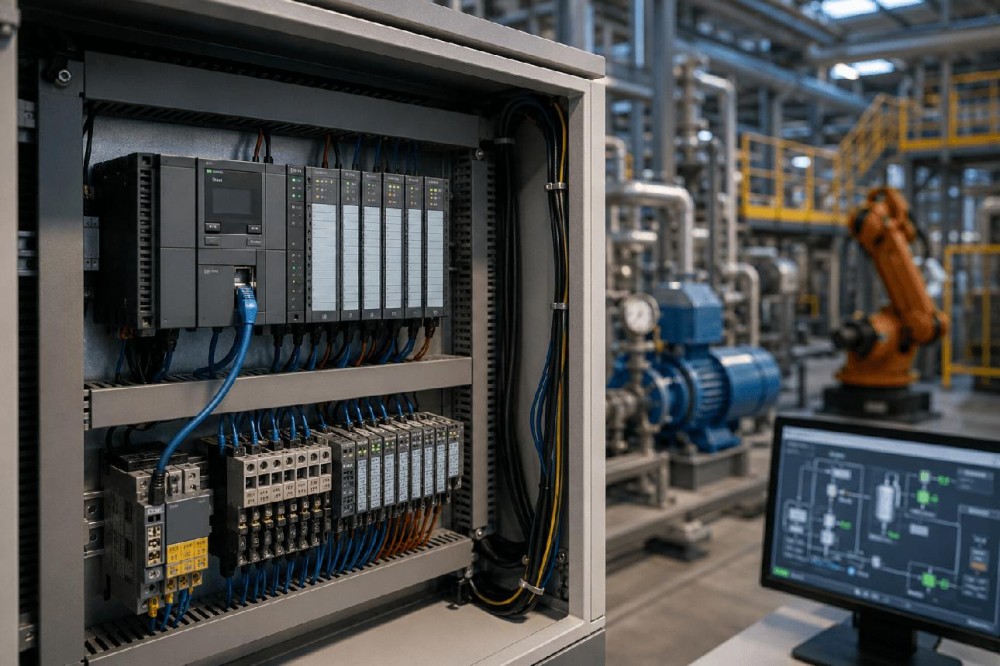 Rockwell Automation Introduces FactoryTalk Conductor: A New AI Platform For Industrial Automation