100% Original, Ready to Ship!

Schneider Electric Introduces Software-Defined DCS for Next-Generation Industrial Automation
Schneider Electric has introduced EcoStruxure™ Foxboro Software Defined Automation (SDA), an open, software-defined distributed control system (DCS) designed to help process and hybrid industries modernize their automation infrastructure. Announced in February 2026, the solution reflects a growing industry shift toward more flexible control architectures, improved interoperability, and integrated cybersecurity.
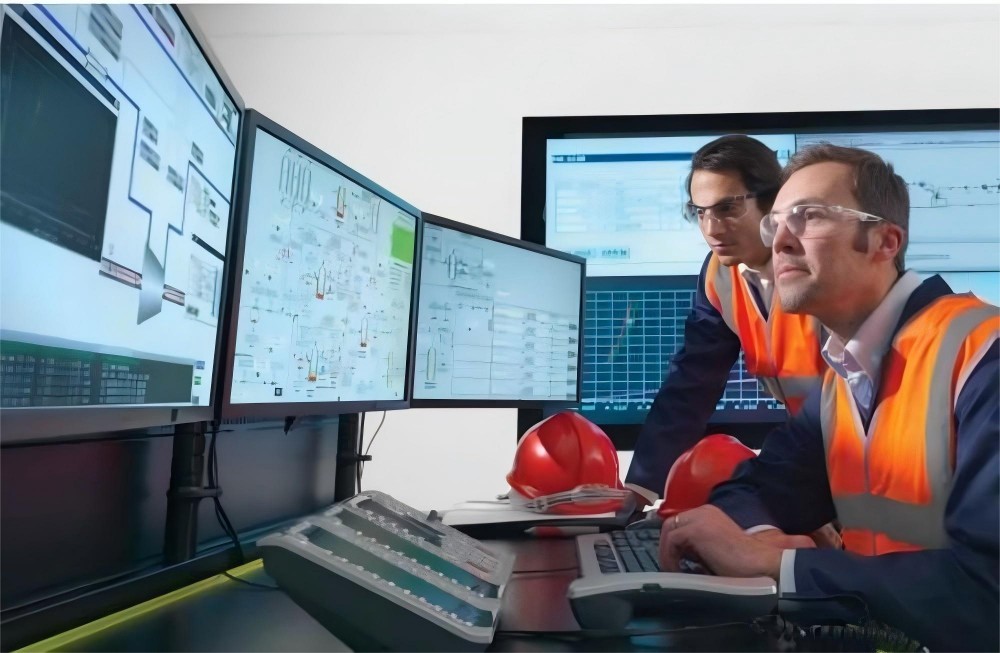
A New Approach to Distributed Control Systems
Traditional DCS platforms often rely on closely integrated hardware and software. Although this architecture has supported reliable industrial operations for decades, upgrading legacy equipment and integrating new digital technologies can present challenges for manufacturers.
EcoStruxure Foxboro SDA takes a software-defined approach by separating control software from specific hardware configurations. This architecture is intended to give industrial operators greater flexibility when deploying, expanding, and modernizing automation systems while preserving the reliability required for continuous process operations.
Supporting Industrial Modernization and Connectivity
The platform is designed to support open automation architectures, interoperability, and integration with digital technologies. These capabilities are particularly relevant to industries such as chemicals, energy, pharmaceuticals, and other process-intensive manufacturing sectors.
For DCS engineers and system integrators, flexible system architecture can create additional options for managing modernization projects. Instead of replacing an entire control infrastructure at once, plants may be able to adopt compatible technologies in stages, subject to system requirements and validated migration plans.
The broader approach also supports the integration of operational technology (OT) with information technology (IT), helping industrial organizations connect control systems with analytics and enterprise applications.
Cybersecurity and Operational Reliability
Cybersecurity remains a major consideration as industrial control systems become more connected. Schneider Electric states that Foxboro SDA incorporates secure-by-design principles and aligns with IEC 62443-3-3 cybersecurity requirements.
For industrial operators, cybersecurity must be considered throughout the system lifecycle, including engineering, commissioning, maintenance, and software updates. Compatibility assessments, network segmentation, access control, backup planning, and appropriate testing remain essential when modernizing existing DCS installations.
What This Means for the PLC and DCS Industry
The development of software-defined automation highlights a wider trend toward modular, interoperable, and digitally connected industrial control systems. Although DCS platforms remain essential for complex process control, PLCs continue to play a critical role in machine control, discrete manufacturing, and specialized automation applications.
As manufacturers invest in digital transformation, demand for compatible controllers, I/O modules, communication interfaces, industrial networking equipment, and reliable replacement components is likely to remain an important consideration.
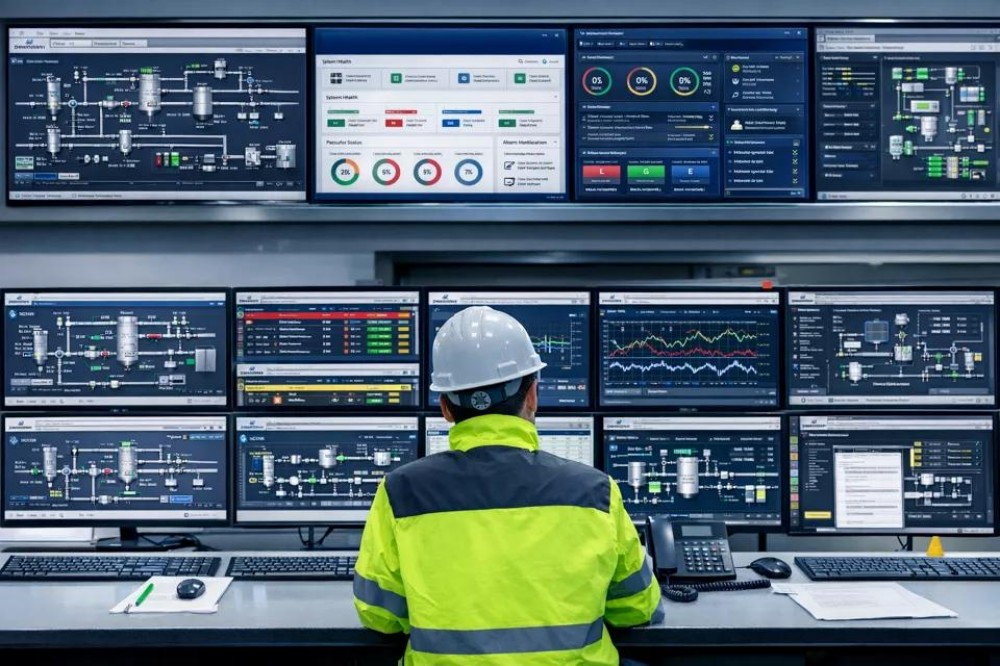
For automation professionals, the priority is to balance technological innovation with proven control performance, cybersecurity, and long-term equipment support. Software-defined automation may offer new modernization opportunities, but successful implementation will depend on application requirements, system compatibility, and careful engineering validation.
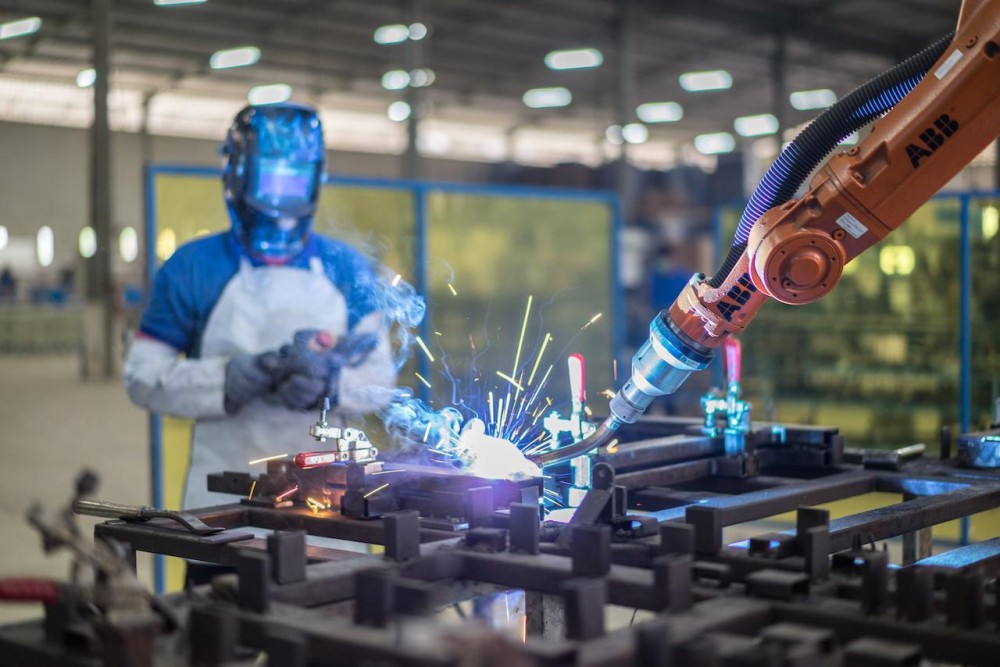 ABB Launches IRB 1700 Industrial Robots To Advance High-Precision Manufacturing Automation
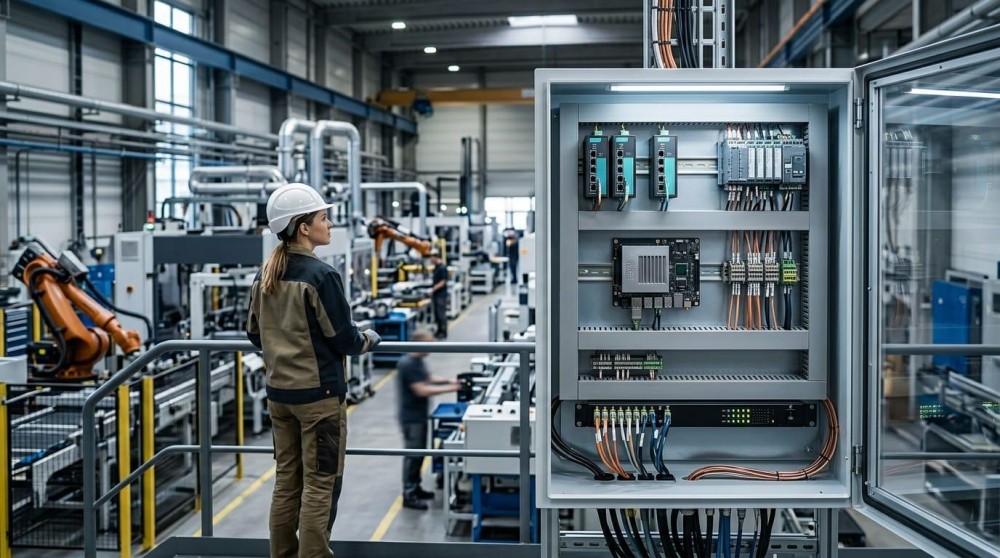 Schneider Electric, NVIDIA And HPE Partner To Bring Physical AI To Industrial Automation
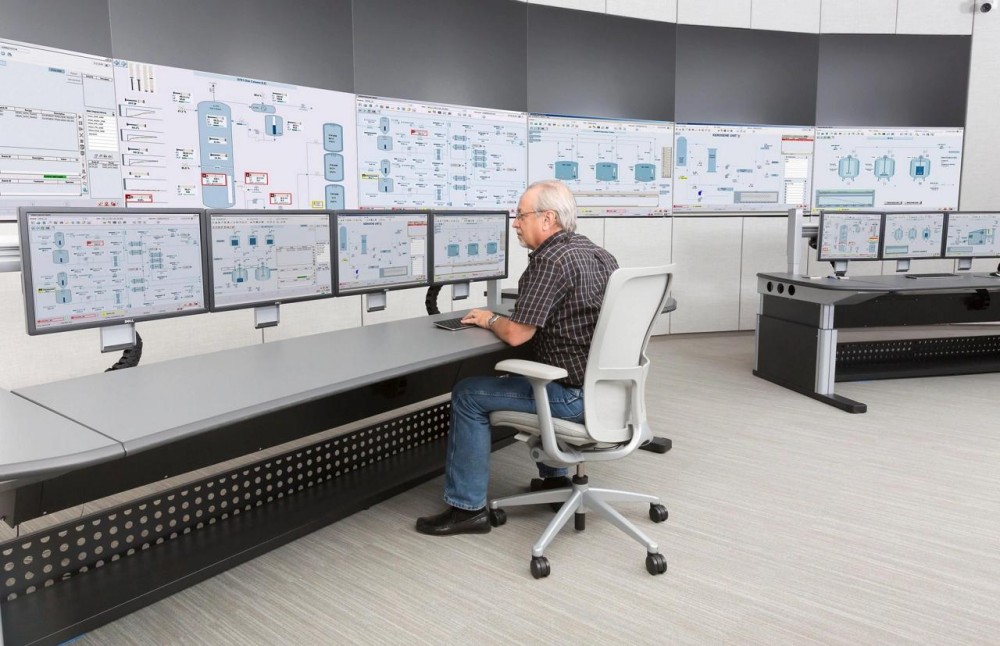 Schneider Electric Launches Foxboro Software-Defined DCS To Advance Industrial Automation
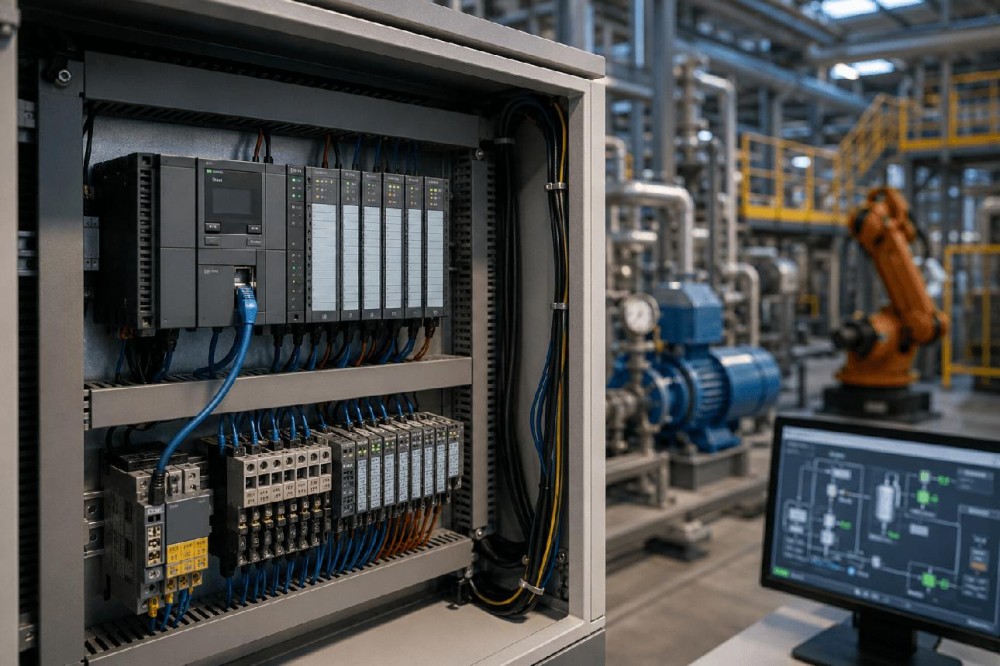 Rockwell Automation Introduces FactoryTalk Conductor: A New AI Platform For Industrial Automation