100% Original, Ready to Ship!

ABB Launches System 800xA 7.0 DCS Platform To Accelerate Next Generation Industrial Automation
The global industrial automation industry continues to experience rapid transformation as manufacturers, energy companies, and process industries demand smarter, safer, and more flexible control solutions. Distributed Control Systems (DCS), which serve as the foundation of large-scale industrial operations, are evolving beyond traditional process control into integrated digital platforms that combine automation, analytics, cybersecurity, and advanced engineering capabilities.
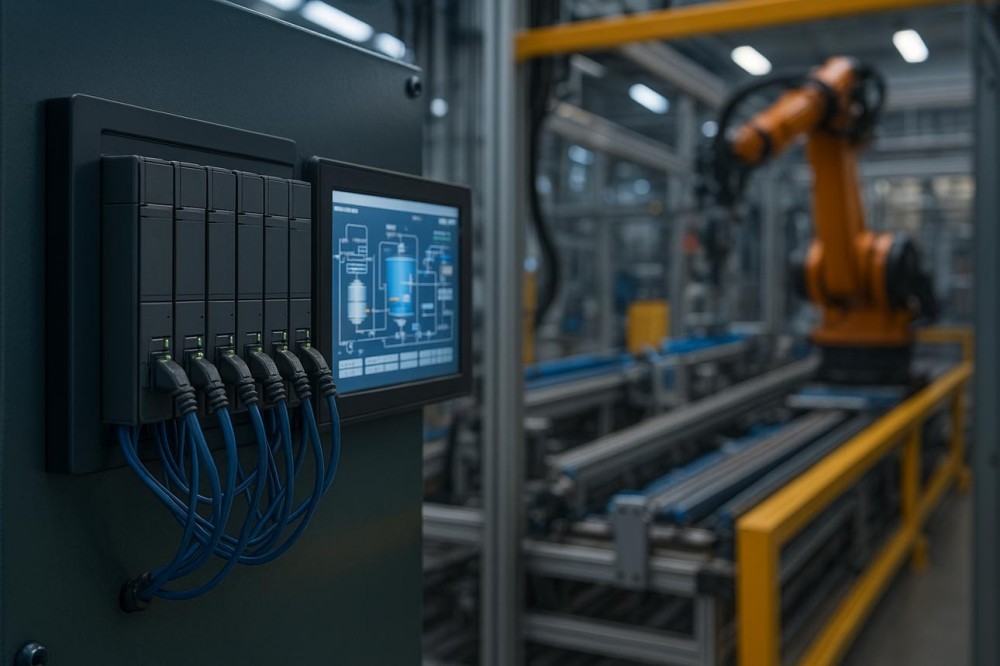
In this changing industrial environment, ABB has introduced the latest version of its flagship distributed control system, ABB Ability™ System 800xA® 7.0, designed to support modernization projects while maintaining reliability and operational continuity.
The new DCS platform represents a significant step forward for industries such as oil and gas, chemicals, power generation, pharmaceuticals, mining, and manufacturing, where stable operation and long equipment lifecycles are essential.
A New Era of Flexible DCS Modernization
Industrial facilities often operate automation systems for decades. Replacing an entire control system can involve significant downtime, engineering costs, and operational risks. Modern automation customers are therefore looking for solutions that allow gradual upgrades instead of complete system replacement.
ABB System 800xA 7.0 focuses on this challenge by providing a modernization pathway that enables companies to introduce new digital technologies while continuing to operate existing automation infrastructure.
This approach allows industrial plants to upgrade their control environment step by step, reducing project risks and improving investment protection.
For many process industries, this is becoming increasingly important because production facilities must improve efficiency while maintaining strict safety and reliability requirements.
The latest System 800xA platform supports:
- Advanced process control capabilities
- Improved engineering efficiency
- Expanded virtualization support
- Enhanced cybersecurity functions
- Long-term system lifecycle management
- Integration with modern digital technologies
These improvements help companies build automation architectures that are prepared for future industrial requirements.
Digital Transformation Driving Industrial Automation Growth
Industrial automation is no longer limited to programmable controllers, sensors, and traditional control systems. Today’s factories and process plants are becoming connected industrial ecosystems where automation data can support operational decisions, predictive maintenance, energy optimization, and production improvements.
DCS platforms are playing a critical role in this transformation.
A modern DCS system provides a centralized environment where operators, engineers, and management teams can access real-time information from different parts of the production process.
For example, industries can use automation data to:
- Detect equipment performance issues before failures occur
- Optimize production processes
- Reduce energy consumption
- Improve product quality
- Increase plant availability
ABB’s latest DCS development reflects the industry’s movement toward intelligent automation, where control systems become more adaptive, connected, and data-driven.
Importance of Cybersecurity in Modern Control Systems
As industrial networks become increasingly connected, cybersecurity has become one of the most important considerations for automation customers.
Traditional industrial systems were often isolated from external networks. However, modern factories increasingly use industrial Ethernet, cloud connectivity, remote monitoring, and digital services.
This connectivity creates new opportunities but also introduces new security challenges.
Modern DCS platforms must provide protection against:
- Unauthorized access
- Network threats
- System vulnerabilities
- Data security risks
ABB System 800xA 7.0 continues the development of secure industrial automation architectures by incorporating modern cybersecurity practices designed for critical industrial environments.
For industries such as energy production, chemical processing, and infrastructure operations, cybersecurity is now considered a fundamental requirement rather than an optional feature.
Virtualization and Lifecycle Management Improve Efficiency
One of the important trends in industrial automation is the increasing adoption of virtualization technology.
Virtualized automation environments allow companies to reduce hardware dependency, simplify system management, and improve flexibility during engineering and maintenance activities.
The latest ABB DCS platform expands virtualization capabilities, helping customers create more efficient automation infrastructures.
Benefits include:
- Reduced hardware requirements
- Easier system backup and recovery
- Simplified engineering processes
- Improved maintenance efficiency
- Faster deployment of automation applications
For international companies operating multiple production facilities, these advantages can significantly reduce operational complexity.
Impact on PLC and Industrial Automation Markets
Although DCS systems are mainly used in continuous process industries, their development also influences the broader PLC and industrial automation market.
Modern industrial projects increasingly require integration between:
- PLC control systems
- DCS platforms
- SCADA systems
- Industrial IoT platforms
- Manufacturing execution systems (MES)
The future of automation will not be defined by isolated systems but by interconnected industrial ecosystems.
PLC manufacturers, DCS suppliers, system integrators, and automation engineers are increasingly focused on creating solutions that improve communication between different automation layers.
This trend creates new opportunities for automation suppliers providing:
- PLC modules
- Control processors
- Communication interfaces
- Industrial networking products
- Replacement automation components
Supporting Long-Term Industrial Investment
Industrial customers usually expect automation systems to operate reliably for many years. Therefore, long-term support and upgrade capability are becoming major purchasing factors.
ABB System 800xA 7.0 is designed as a long-term support release, helping customers maintain stable operation while gradually adopting new automation technologies.
For industries with large installed automation bases, this approach provides several advantages:
- Lower migration risks
- Reduced downtime
- Better maintenance planning
- Extended equipment lifecycle
- Improved return on automation investment
The Future Direction of Industrial Automation
The launch of ABB System 800xA 7.0 highlights a broader industry trend: automation systems are becoming smarter, more connected, and more adaptable.
Future industrial facilities will increasingly combine:
- Artificial intelligence
- Digital twins
- Advanced analytics
- Industrial cybersecurity
- Cloud connectivity
- Intelligent control systems
DCS technology will continue to evolve from traditional process monitoring platforms into comprehensive industrial intelligence systems.
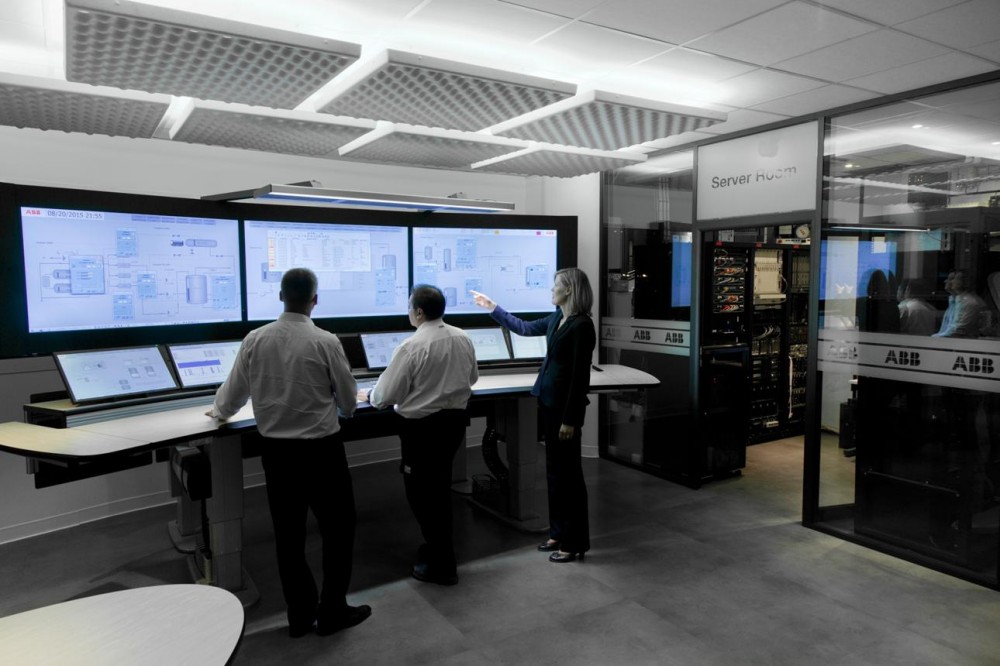
For manufacturers and process industries, investing in modern automation infrastructure is becoming essential to remain competitive in a rapidly changing global market.
As industries continue their digital transformation journey, advanced DCS platforms like ABB System 800xA 7.0 will play a key role in improving productivity, safety, and operational efficiency across the global industrial sector.
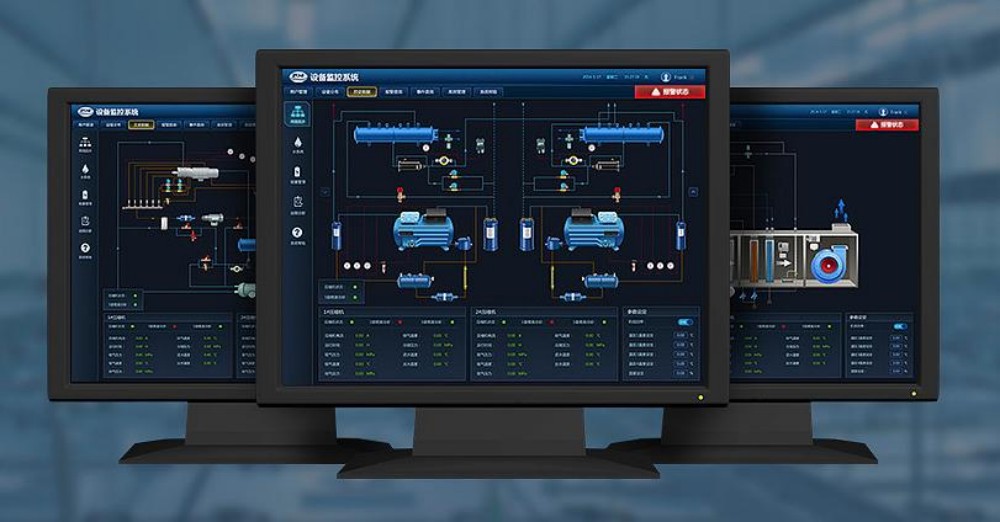 PLC And DCS Integration Becomes Key Technology Trend For Next Generation Industrial Automation Systems
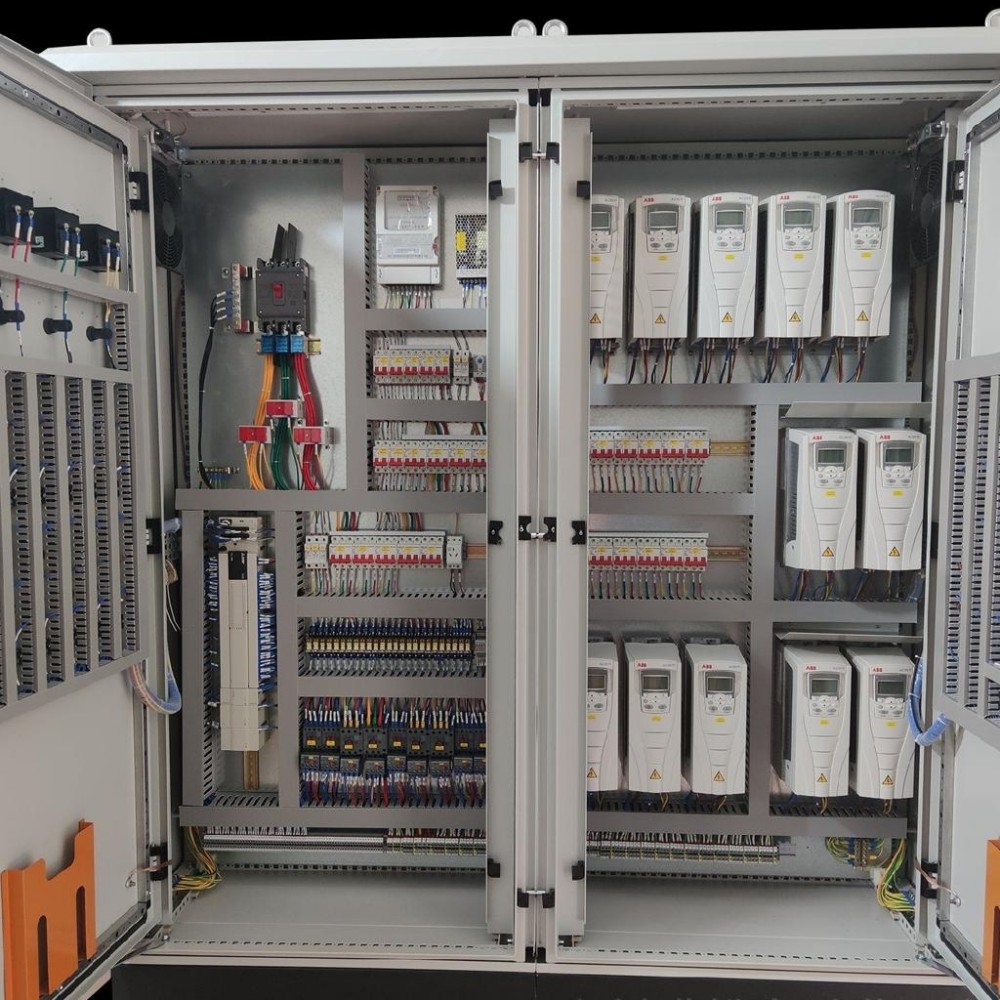 ABB Expands Industrial Automation Strategy With Advanced Electrification And Control Technology Development
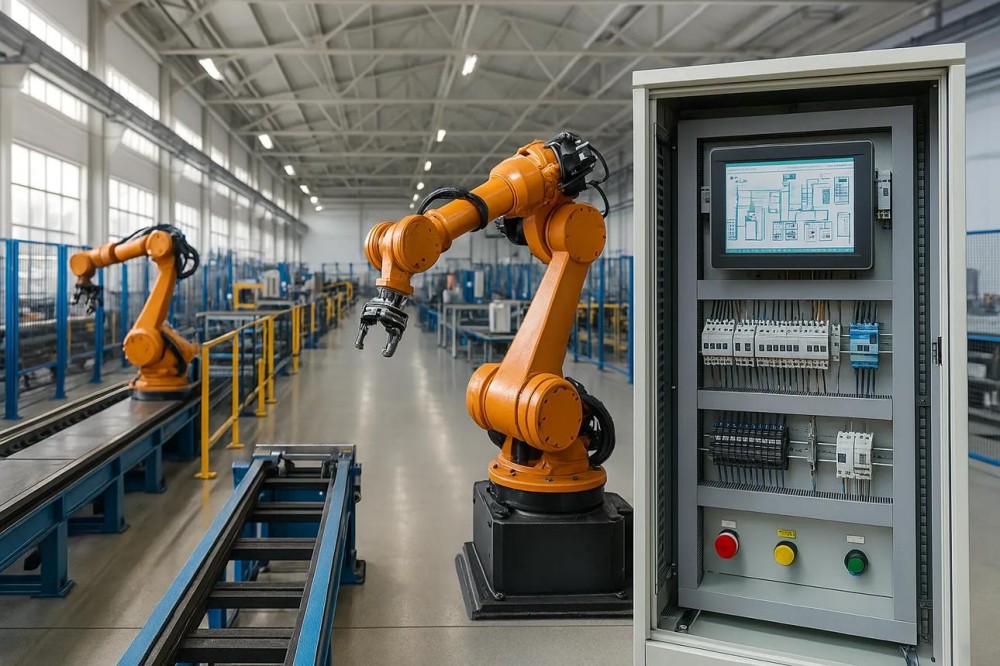 Industrial Automation Trends 2026: AI-Powered PLC And DCS Systems Accelerate Smart Factory Development
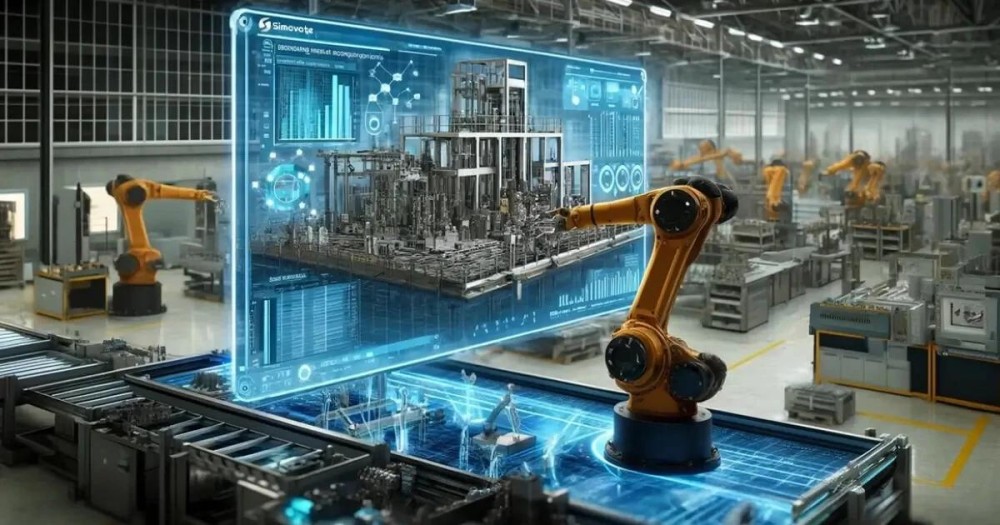 AI And Digital Twin Technologies Transform The Future Of Industrial Automation Systems