100% Original, Ready to Ship!

ABB: Leveraging Ethernet-APL For Smarter Process Automation Systems
ABB is accelerating the evolution of industrial communication technologies by promoting the adoption of Ethernet-APL (Advanced Physical Layer) in process automation environments. As industries move toward higher connectivity, improved data transparency, and seamless integration between field and control systems, Ethernet-APL is emerging as a key enabler for next-generation smart plants.
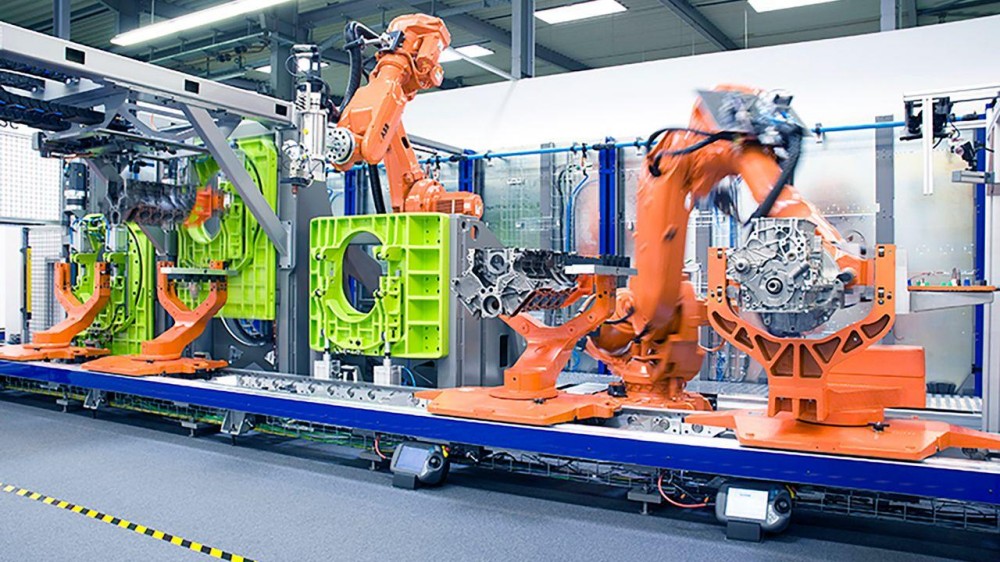
Driving The Next Generation Of Industrial Connectivity
Process industries such as oil & gas, chemicals, pharmaceuticals, and water treatment are increasingly demanding faster, more reliable, and more standardized communication infrastructures. Traditional fieldbus systems, while proven, are often limited in bandwidth and interoperability.
Ethernet-APL addresses these challenges by enabling Ethernet-based communication directly into hazardous and process-intensive environments. It supports long cable distances, intrinsic safety requirements, and high-speed data transmission over a two-wire infrastructure—making it ideal for modern industrial automation architectures.
ABB has been actively involved in advancing open standards and interoperable technologies that simplify system integration and lifecycle management for industrial operators. With Ethernet-APL, ABB strengthens its portfolio of digital automation solutions, helping customers transition toward fully connected and data-driven operations.
Enhancing Real-Time Data Availability And Process Visibility
One of the most significant advantages of Ethernet-APL in process automation is the ability to deliver real-time, high-resolution data from field instruments directly to control systems and higher-level applications.
This improved data transparency enables:
- Faster decision-making based on live process conditions
- Predictive maintenance through continuous asset monitoring
- Reduced downtime by early detection of anomalies
- Improved operational efficiency through optimized control strategies
By integrating Ethernet-APL into automation systems, industrial operators can achieve a unified communication backbone that connects sensors, actuators, controllers, and enterprise systems without complex gateways or protocol conversions.
Simplifying Industrial Network Architecture
Traditional industrial networks often rely on multiple communication layers, protocol converters, and interface modules. This complexity increases engineering effort, maintenance costs, and potential points of failure.
Ethernet-APL simplifies this architecture by extending standard Ethernet communication directly to field devices. This reduces the need for multiple communication protocols and allows seamless integration with Industrial IoT (IIoT) platforms, edge computing systems, and cloud-based analytics.
ABB’s automation strategy aligns with this simplification trend, focusing on interoperable systems that reduce engineering complexity while improving scalability and flexibility for future expansion.
Enabling Industry 4.0 And Digital Transformation
The adoption of Ethernet-APL is a critical step toward fully realizing Industry 4.0 in process industries. With enhanced connectivity at the field level, companies can unlock advanced use cases such as:
- Digital twins for process simulation and optimization
- AI-driven predictive maintenance models
- Remote monitoring and asset diagnostics
- Integrated cybersecurity frameworks for industrial networks
ABB’s expertise in automation, electrification, and digitalization positions it as a key contributor to this transformation. By supporting Ethernet-APL, ABB helps bridge the gap between operational technology (OT) and information technology (IT), enabling more intelligent and autonomous industrial systems.
Improving Safety And Standardization In Harsh Environments
Process plants often operate in hazardous environments where safety and reliability are critical. Ethernet-APL is designed with intrinsic safety capabilities, allowing Ethernet communication to be deployed even in explosive or high-risk zones.
This makes it particularly suitable for industries such as chemical processing and oil refineries, where equipment must comply with strict safety standards. Standardization also ensures interoperability between different vendors, reducing vendor lock-in and improving long-term system flexibility.
Conclusion: A Strategic Step Toward Fully Connected Plants
The integration of Ethernet-APL into industrial automation represents a significant milestone in the evolution of process control systems. Through its continued innovation and support for open communication standards, ABB is helping industrial operators transition toward smarter, more efficient, and more connected production environments.
As Ethernet-APL adoption grows, it is expected to become a foundational technology for next-generation industrial networks, enabling real-time data access, simplified architectures, and enhanced operational intelligence across global process industries.
 Rockwell Automation Introduces FactoryTalk Conductor: A New AI Platform For Industrial Automation
 Rockwell Automation Expands Industrial AI Capabilities With NVIDIA Nemotron Support
 Rockwell Automation Introduces FactoryTalk Conductor To Advance AI-Driven Industrial Automation
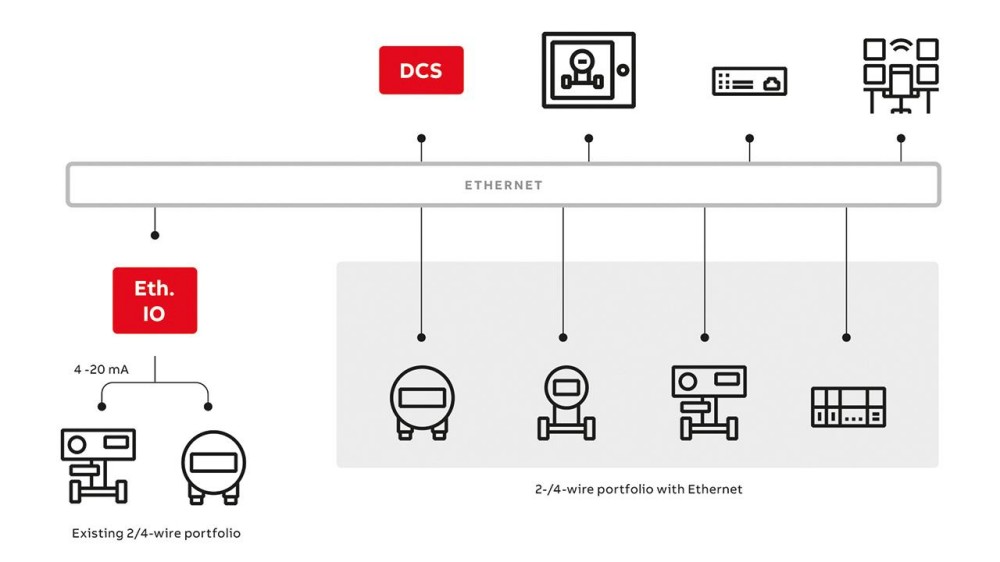 ABB And Boliden Advance DCS Modernization With Ethernet-APL Industrial Automation