100% Original, Ready to Ship!

ABB Robotics Advances Industrial Automation With Physical AI Technology For Smart Manufacturing
The industrial automation industry is entering a new stage of development as artificial intelligence continues to integrate with robotics, PLC systems, and intelligent manufacturing platforms. ABB Robotics has recently accelerated its development of Physical AI technologies, bringing advanced artificial intelligence capabilities closer to real industrial production environments.
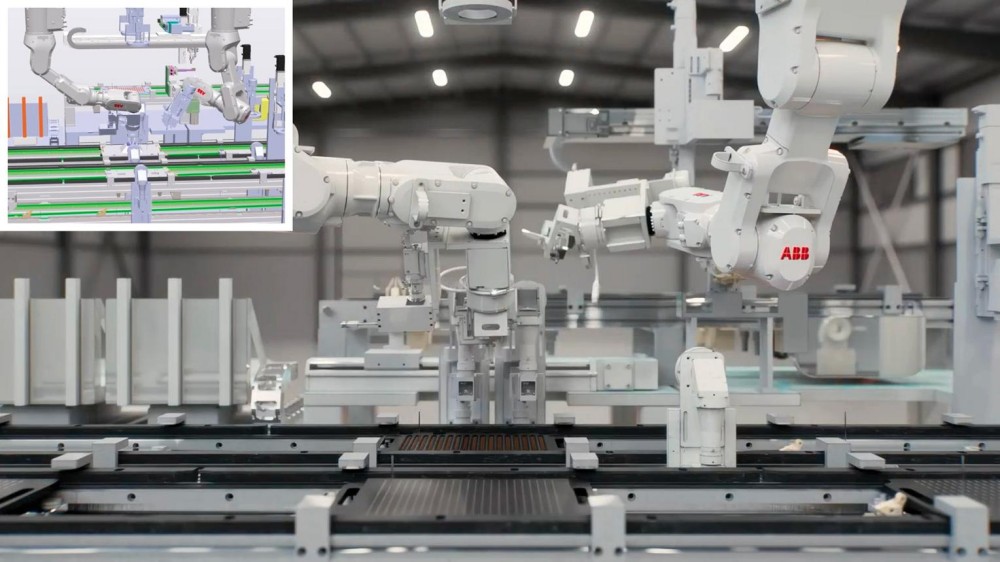
Physical AI represents a major evolution from traditional automation systems. Instead of relying only on pre programmed robot movements, modern industrial robots can use AI based perception, simulation, and learning technologies to better understand complex manufacturing conditions. This development is expected to improve flexibility, efficiency, and adaptability across industries such as automotive, electronics, logistics, and precision manufacturing.
ABB Robotics is focusing on combining robot simulation technology, digital twins, and AI driven control methods to reduce the gap between virtual programming and real world operation. Through advanced simulation environments, engineers can test robot movements, production processes, and automation solutions before deploying equipment on factory floors.
For industrial automation engineers, this technology creates significant advantages. Traditional robot commissioning often requires long testing periods, manual adjustments, and repeated production line optimization. With AI supported simulation and digital twin technology, manufacturers can shorten deployment cycles, reduce engineering costs, and improve production reliability.
The integration of Physical AI also creates new opportunities for PLC and DCS automation systems. Industrial robots are becoming increasingly connected with control platforms, industrial networks, sensors, and manufacturing execution systems. Future factories will rely on closer cooperation between robotic systems, PLC controllers, edge computing devices, and industrial software platforms.
Smart manufacturing is no longer only about automated machines performing repetitive tasks. The next generation of factories will combine intelligent robots, real time data analysis, predictive maintenance, and autonomous decision making.
For global automation equipment suppliers and system integrators, the development of AI powered robotics represents an important market opportunity. Companies that understand the combination of robotics, PLC automation, industrial communication, and digital transformation will be better positioned to support future manufacturing requirements.
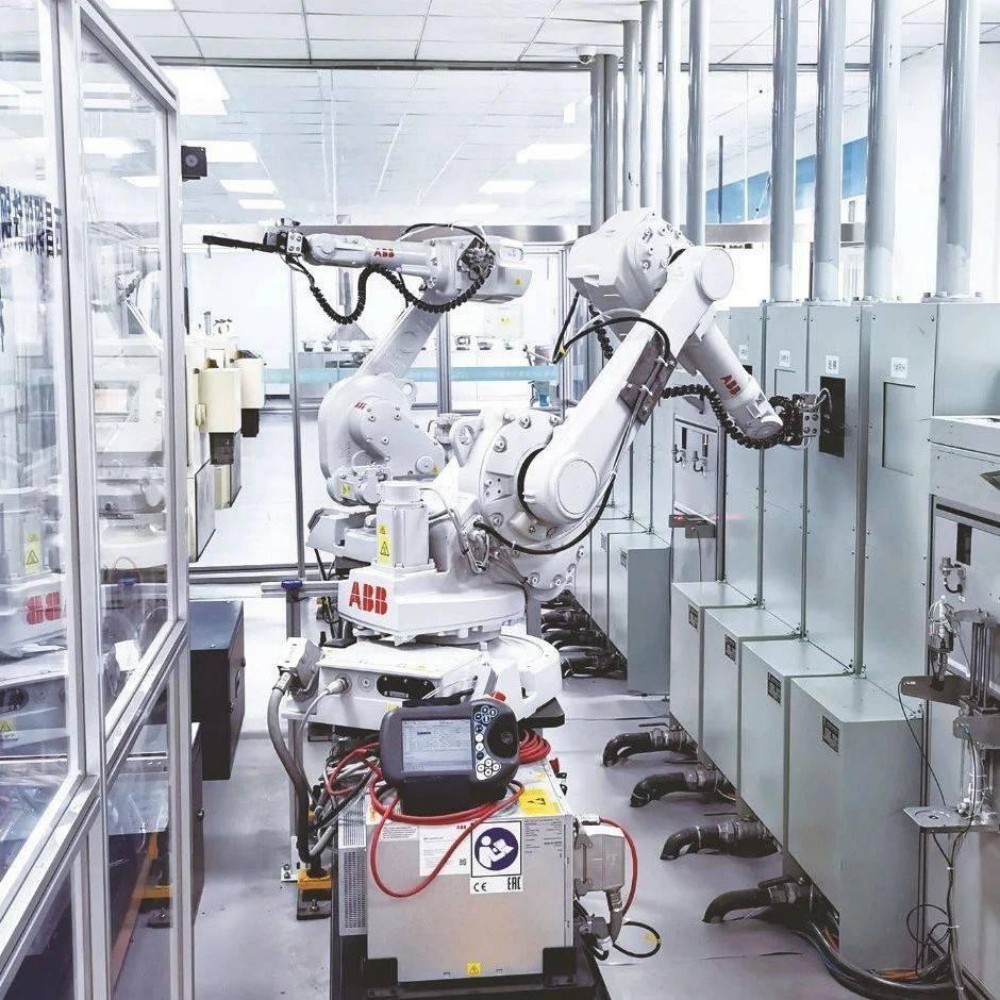
As industries continue upgrading toward intelligent factories, ABB Robotics and similar automation technology providers are helping manufacturers move from traditional automation toward flexible, AI enabled production systems.
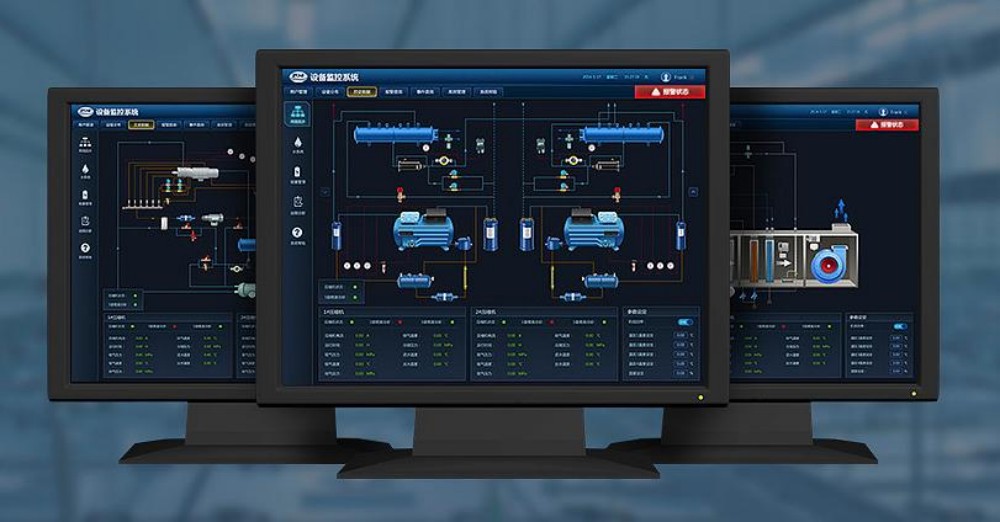 PLC And DCS Integration Becomes Key Technology Trend For Next Generation Industrial Automation Systems
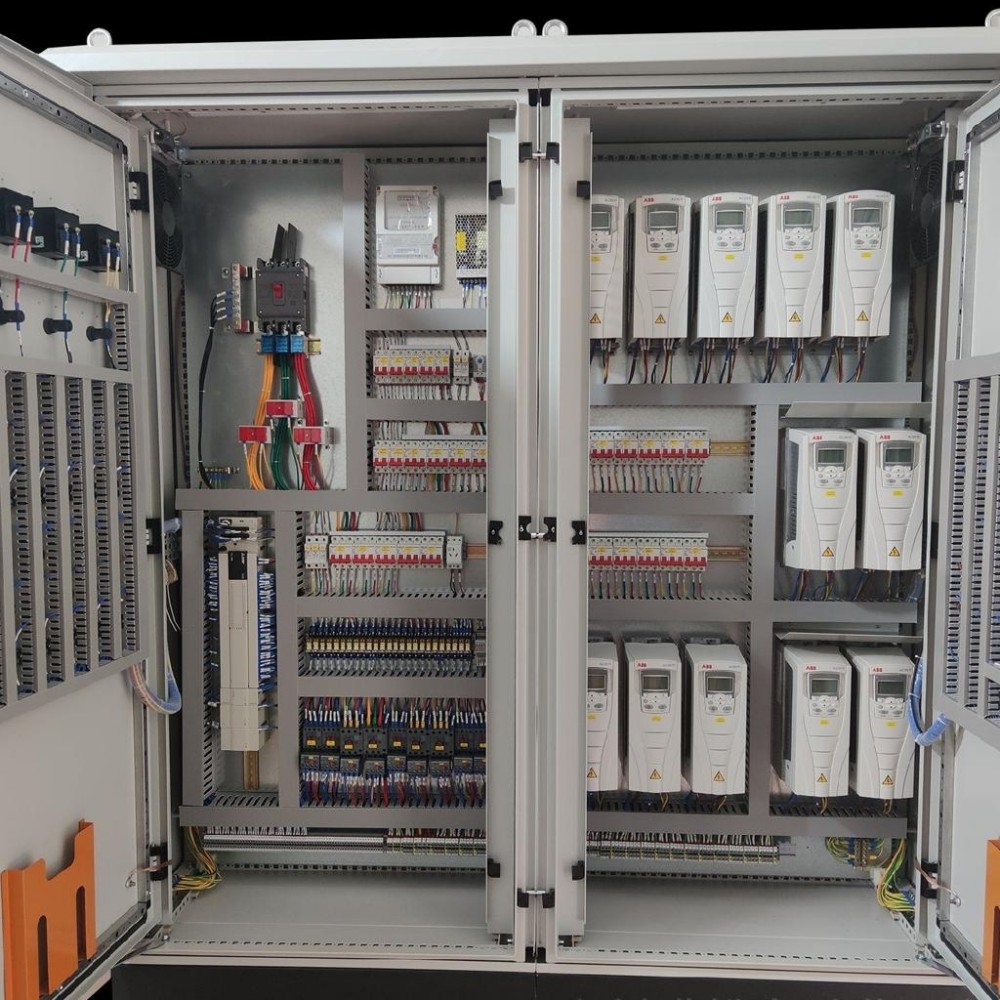 ABB Expands Industrial Automation Strategy With Advanced Electrification And Control Technology Development
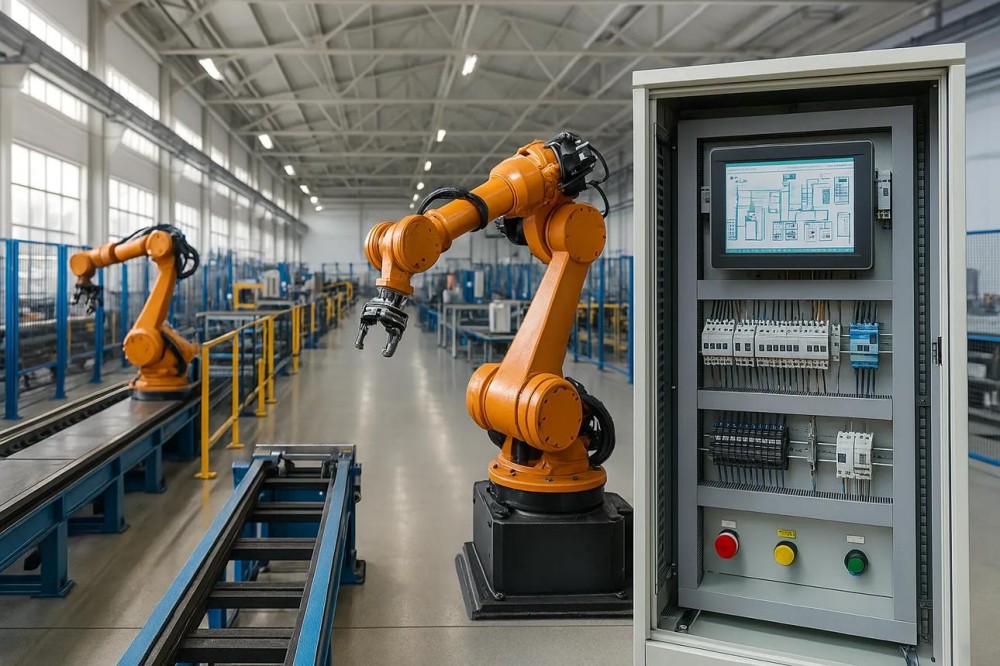 Industrial Automation Trends 2026: AI-Powered PLC And DCS Systems Accelerate Smart Factory Development
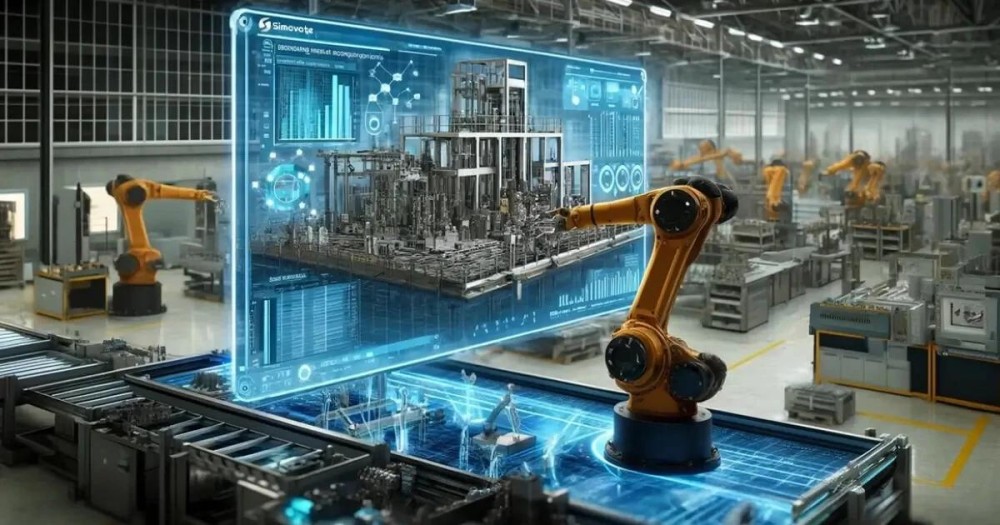 AI And Digital Twin Technologies Transform The Future Of Industrial Automation Systems