100% Original, Ready to Ship!

Emerson DeltaV Automation Platform Brings Unified PLC And DCS Control To AI Data Centers
The rapid expansion of artificial intelligence is creating a new challenge for industrial automation: how to control increasingly complex data center infrastructure with the same reliability expected from critical industrial facilities.
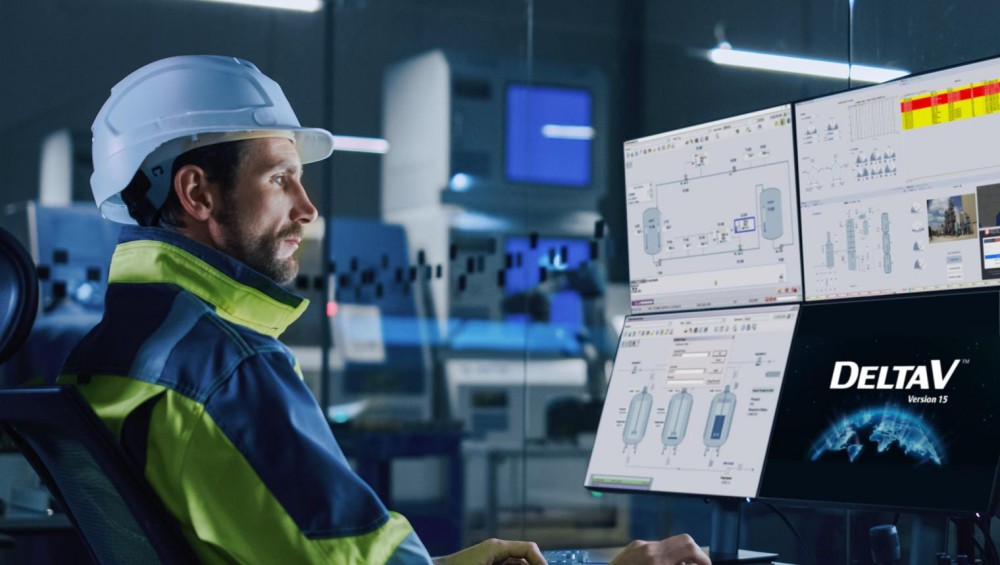
On August 3, 2026, Emerson introduced its DeltaV™ Automation Platform for Data Centers, a unified automation solution designed specifically for AI-scale data center infrastructure. The platform brings thermal, mechanical and electrical systems together within a common monitoring and control architecture.
Modern AI data centers can experience rapidly changing power and cooling requirements. Traditional automation architectures often rely on multiple independent systems for different subsystems, which can increase engineering complexity and make coordination more difficult. Emerson’s new approach is designed to provide centralized visibility and coordinated control across these systems.
The DeltaV Automation Platform combines Emerson’s distributed control system (DCS) with programmable logic controllers (PLCs). The PLCs provide localized and deterministic control for equipment and subsystems, while the DCS provides broader plant-level monitoring and coordination.
One of the key benefits of this architecture is real-time response to changing thermal and electrical loads. AI computing workloads can create significant fluctuations in energy consumption and heat generation. Precise control of chillers, cooling systems, pumps, fans and related equipment is therefore becoming increasingly important for data center reliability.
Emerson also highlights the use of AI-enabled capabilities within its automation portfolio. These technologies are designed to provide actionable operational insights, support engineering workflows and create a foundation for more autonomous operations.
For automation engineers, the development is notable because it demonstrates how PLC and DCS technologies are moving into new infrastructure markets. Data centers are increasingly being operated more like highly automated industrial facilities, with requirements for redundancy, cybersecurity, real-time control and continuous monitoring.
The platform also emphasizes standardized automation architectures. By reducing the number of isolated control systems and integrating equipment-level control with facility-wide automation, engineering teams can potentially simplify commissioning, maintenance and future expansion.
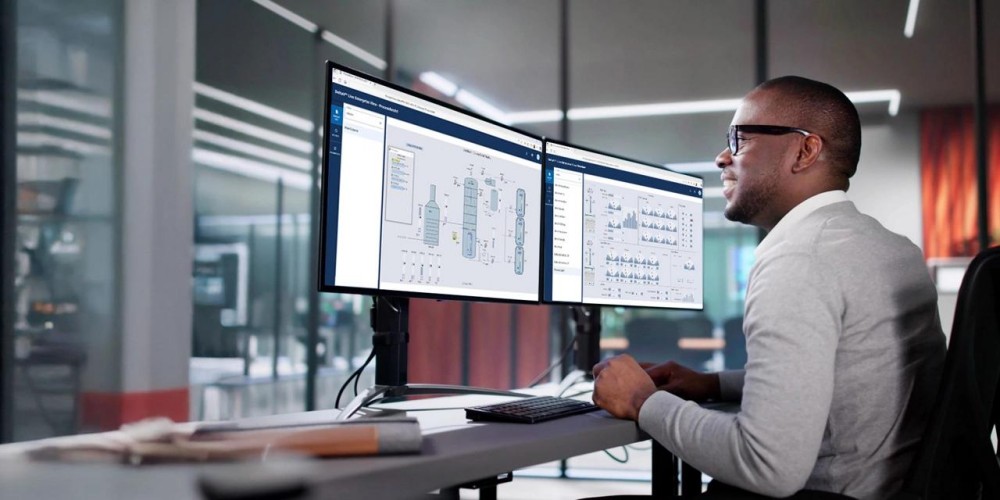
The development comes as AI continues to increase demand for high-performance computing infrastructure worldwide. As data centers grow larger and their power and cooling systems become more sophisticated, industrial automation technologies such as PLCs, DCS platforms, advanced control and real-time analytics are likely to play an increasingly important role.
Emerson’s latest DeltaV offering therefore represents more than a data center product expansion. It reflects a broader trend in industrial automation: applying proven process-control technologies to new, highly dynamic infrastructure where reliability, scalability and intelligent control are critical.
 AI-Powered Robots Demonstrate The Future Of Industrial Automation In Europe
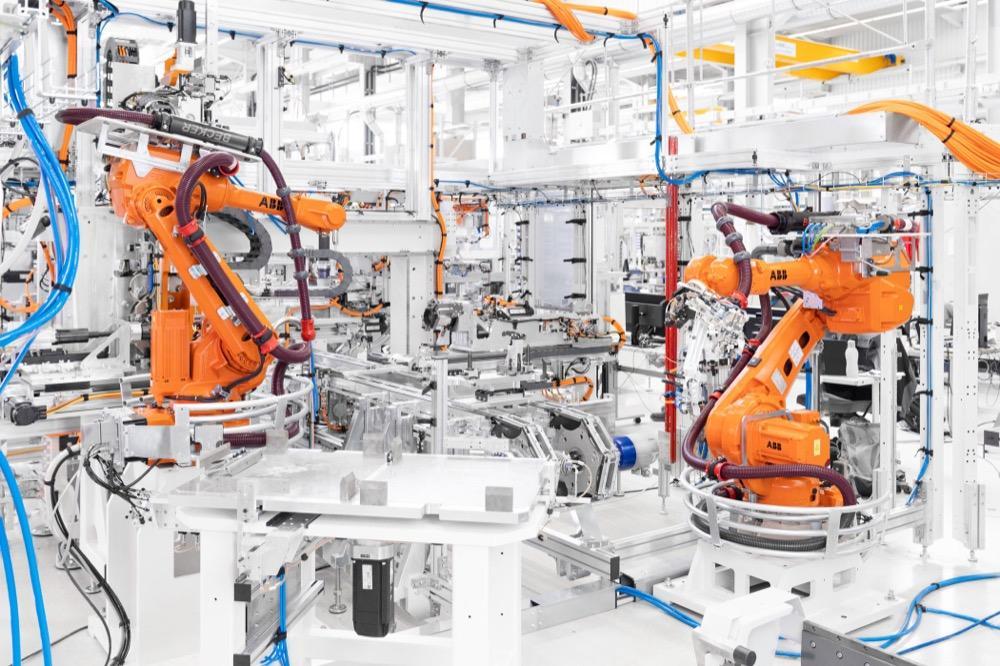 ABB Appoints New B&R President To Drive Machine Automation And Industrial Innovation
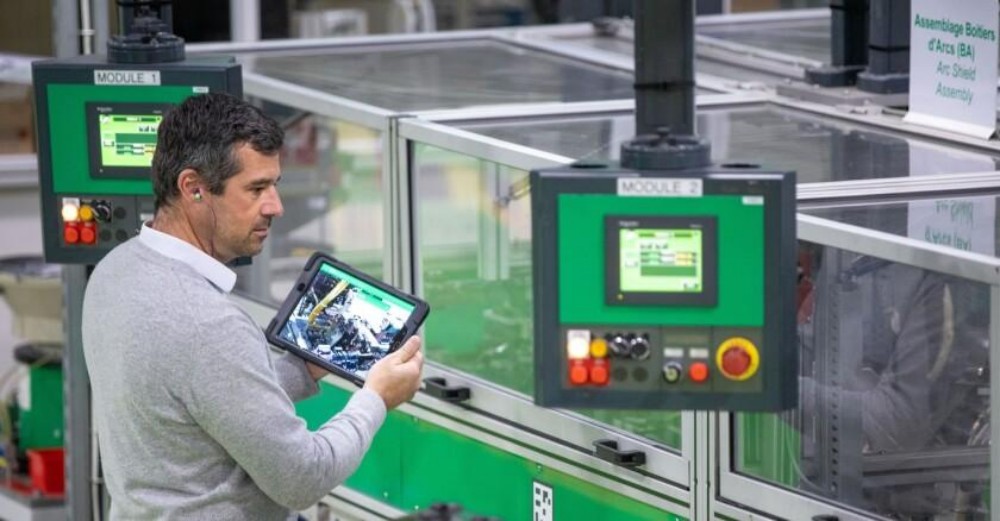 Schneider Electric Invests €150 Million In France To Strengthen Industrial Automation And Manufacturing
 Rockwell Automation Reports Rapid Growth In AI Adoption Across Smart Manufacturing