100% Original, Ready to Ship!

Emerson DeltaV DCS Alarm Management Cuts Refinery Alarms By More Than 95%
Alarm management is becoming an increasingly important part of modern DCS and process automation, as demonstrated by a recent project at Romania’s Petromidia refinery.
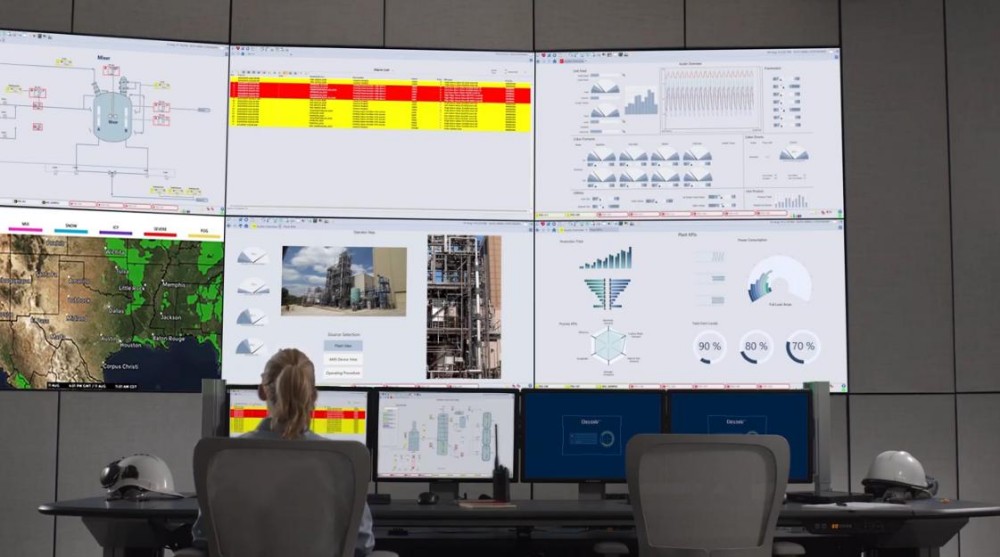
In July 2026, Emerson announced that its DeltaV AgileOps operations management software helped Rompetrol Rafinare reduce distributed control system alarm volumes by more than 95% at the Petromidia refinery in Năvodari, Romania.
Petromidia is Romania’s largest refinery, with an annual processing capacity of approximately five million tonnes. Like many large process facilities, the refinery operates a complex control environment with thousands of process variables and alarms.
A high number of alarms can create significant challenges for control room operators. During abnormal process conditions, hundreds or even thousands of alarms may be generated within a short period. This phenomenon, commonly referred to as alarm flooding, can make it difficult for operators to identify the most important events.
The implementation of DeltaV AgileOps helped address this problem by providing continuous alarm performance monitoring and analysis.
According to the reported project results, alarm generation at the refinery was reduced from more than two million alarms per month during normal operation to fewer than 50,000 alarms per month. This represents a reduction of more than 95%.
The improved alarm performance also brought the refinery’s alarm rates within the recommendations of EEMUA 191, an internationally recognized guideline for industrial alarm management.
For DCS engineers, the project provides an important example of how software optimization can improve an existing automation system without necessarily requiring a complete replacement of the underlying control infrastructure.
Effective alarm management is not simply about reducing the number of alarms. The objective is to ensure that operators receive useful information when action is required while reducing nuisance, repetitive and non-actionable alarms.
This can improve operator effectiveness and help control room personnel concentrate on abnormal conditions that could affect production, equipment or process safety.
The project also reflects a broader trend in industrial automation. Modern DCS platforms are increasingly being combined with advanced analytics and operations management software to turn large amounts of control-system data into actionable information.
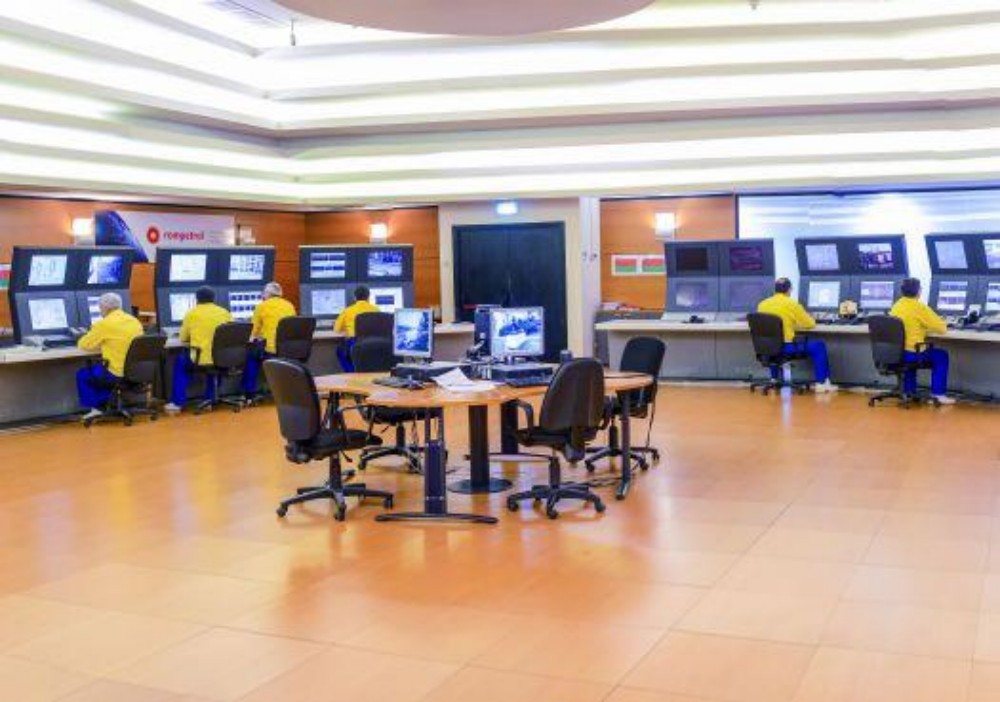
For refineries, chemical plants, power stations and other continuous-process facilities, this approach can be particularly valuable. Better alarm performance can support more stable operations, faster response to abnormal situations and improved maintenance planning.
As industrial plants continue their digital transformation, DCS optimization, alarm management and operational analytics are likely to become increasingly important. The Petromidia project demonstrates that significant improvements can be achieved by making existing control-system data more useful and manageable.
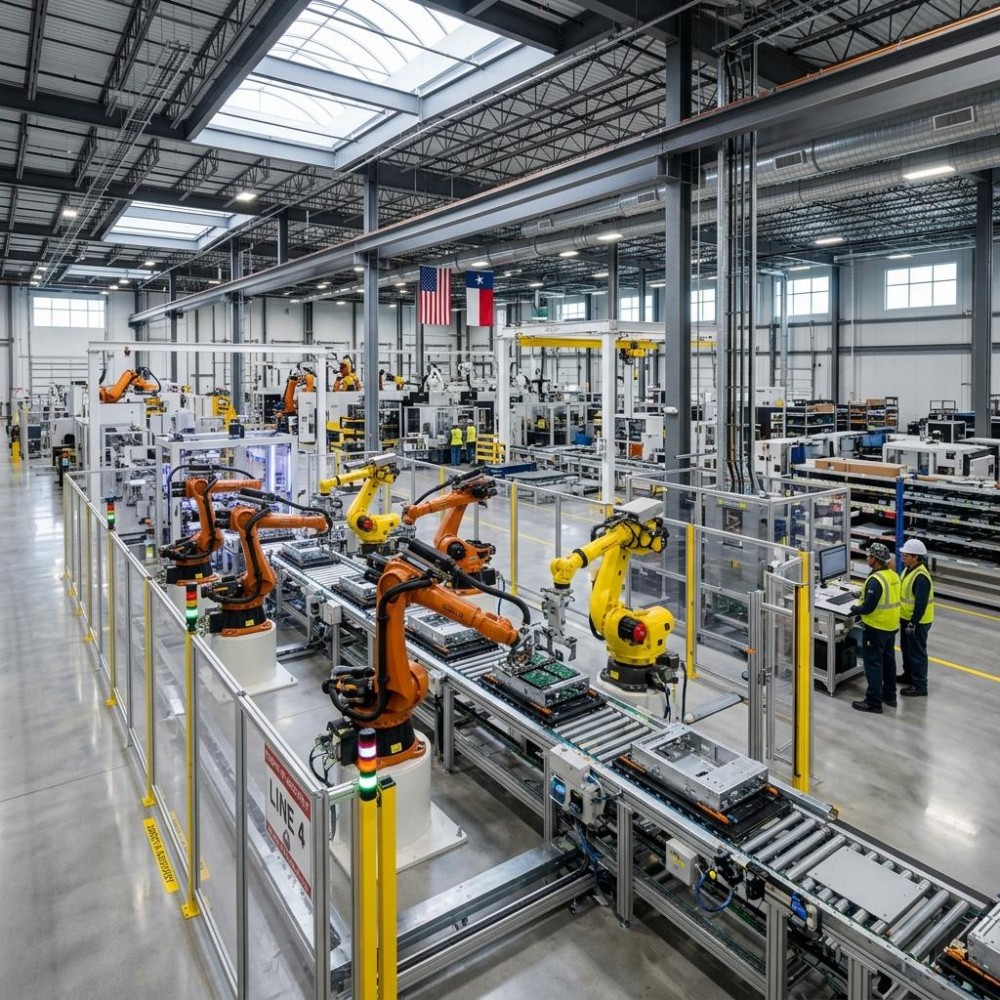 U.S. Industrial Robot Installations Rise 11% As Flexible Automation Expands
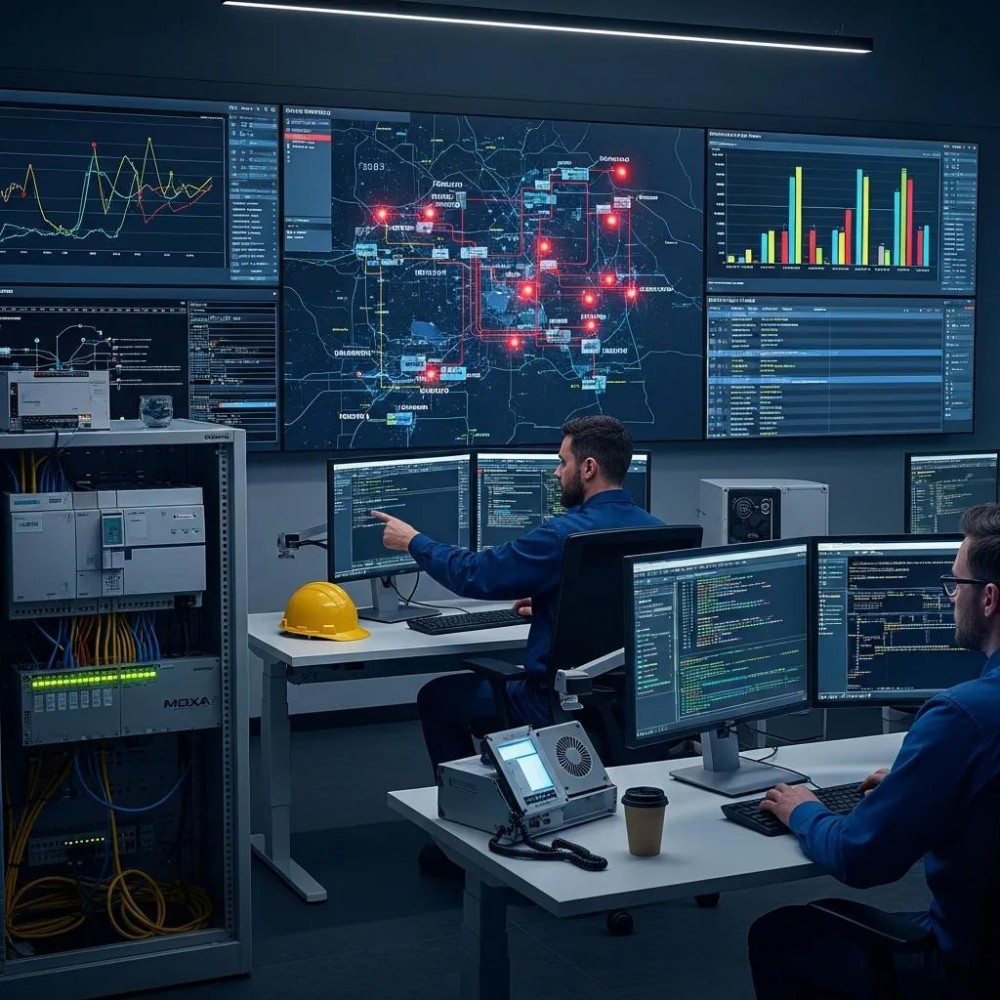 Siemens S7 PLC Cybersecurity Warning Highlights Growing OT Security Risks
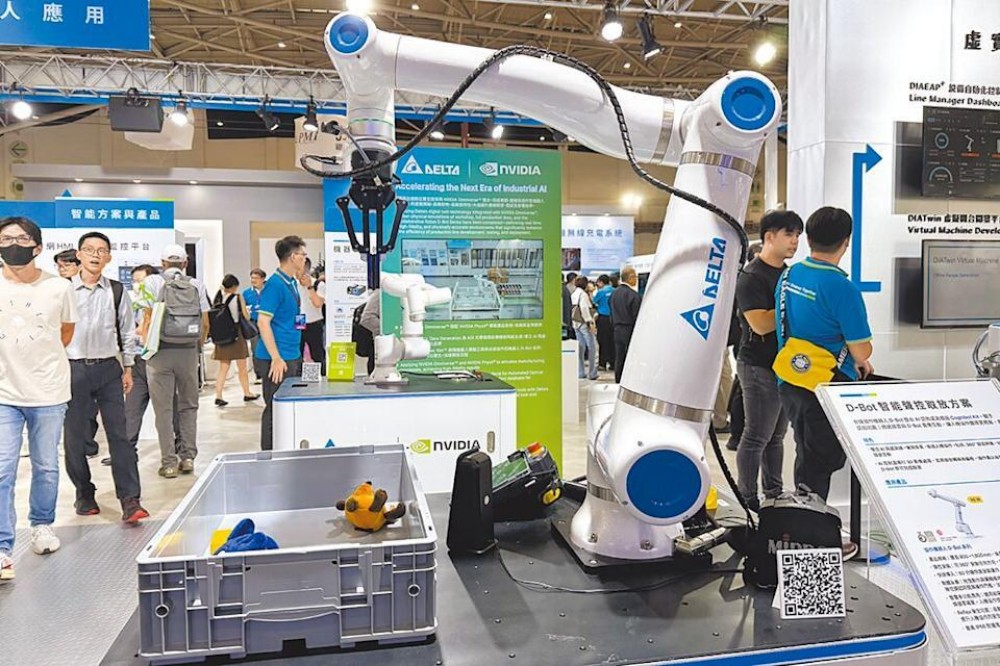 Delta’s Embodied AI And Digital Twins Signal A New Era For Industrial Automation
 Schneider Electric Advances Software-Defined Automation For PLC And DCS Modernization