100% Original, Ready to Ship!

FANUC Launches 5-Axis Integrated Technology Initiative To Improve CNC Automation And Manufacturing Efficiency
FANUC has launched a new 5-Axis Integrated Technology Initiative designed to improve productivity, machining accuracy, and repeatability for manufacturers producing complex components. The initiative was announced on August 24, 2026, and focuses on closer coordination between CNC machine tool builders, CAD/CAM companies, post-processor developers, and manufacturers.
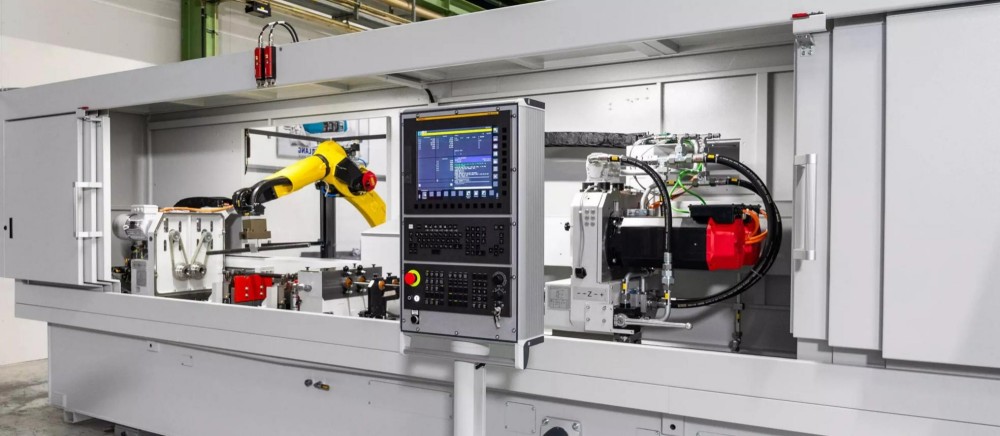
The new initiative addresses an important challenge in modern industrial automation: many manufacturers continue to operate machining processes that were developed years ago, even though CNC control, simulation, servo technology, and programming capabilities have advanced significantly. FANUC is encouraging the industry to adopt updated five-axis machining practices that can make better use of current CNC technology.
Five-axis machining is particularly important for industries that manufacture complex components, including aerospace, energy, automotive, and medical equipment. Compared with conventional machining methods, simultaneous five-axis processing can reduce the number of setups required for complicated parts while improving accessibility to difficult geometries.
The FANUC initiative covers several stages of the machining workflow, including CAD/CAM programming, post-processing, CNC control, simulation, machine setup, and actual production. By improving compatibility across these stages, manufacturers can achieve more predictable machining performance and reduce the engineering effort required to bring new parts into production.
For industrial automation professionals, the development is significant because modern manufacturing is increasingly moving toward integrated control architectures rather than isolated machines. CNC systems, servo drives, industrial robots, sensors, vision systems, and manufacturing software must work together to deliver consistent production results.
FANUC’s five-axis technology also includes functions designed to improve precision and operational efficiency. Its current technology portfolio supports features such as three-dimensional interference checking, continuous tool-length compensation, advanced contour control, and simulation-based machining optimization.
The initiative could also benefit manufacturers dealing with labor shortages and increasing pressure to reduce production cycle times. More standardized and optimized machining workflows can make machine commissioning easier and reduce the amount of manual adjustment required by experienced operators.
Another important aspect is repeatability. When manufacturers produce complex components for demanding applications, stable machining quality is just as important as maximum machine speed. Better integration between CAD/CAM software, post-processors, CNC controls, and machine tools can help reduce programming errors and improve consistency between production runs.
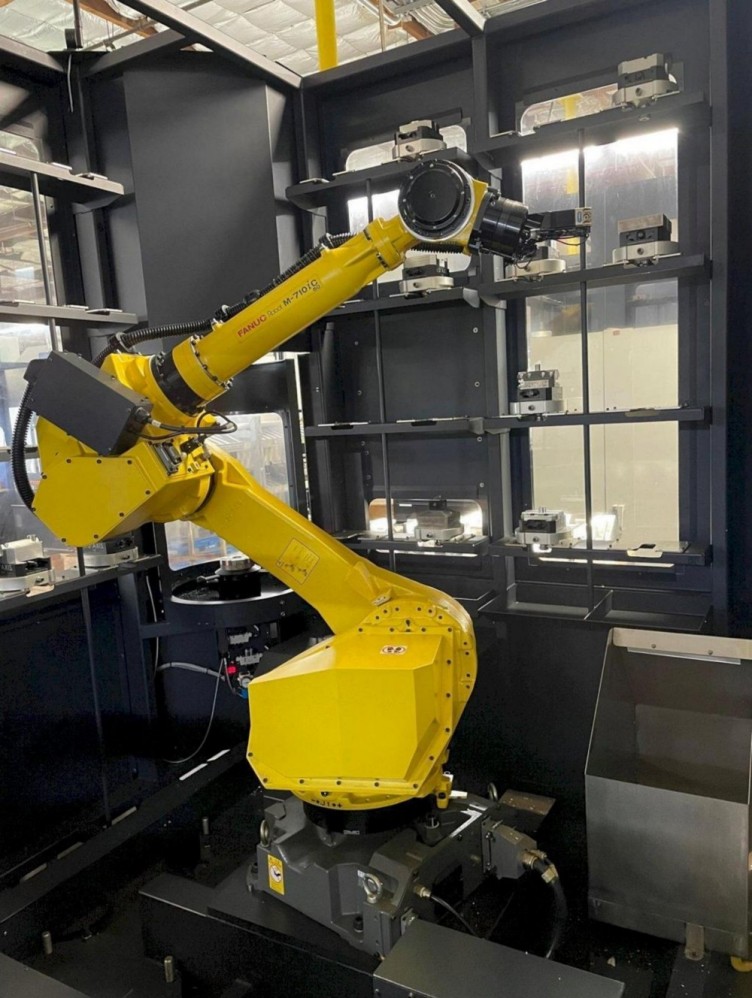
The launch reflects a broader direction in industrial automation: automation is moving beyond individual controllers toward connected, software-driven production systems. As factories adopt digital twins, advanced CNC controls, robotics, Industrial IoT, and AI-assisted engineering, interoperability between automation technologies will become increasingly important.
For manufacturers investing in CNC automation, five-axis machining, robotic machine tending, and intelligent production systems, FANUC’s latest initiative highlights the industry’s continuing shift toward higher precision, better integration, and more flexible manufacturing.
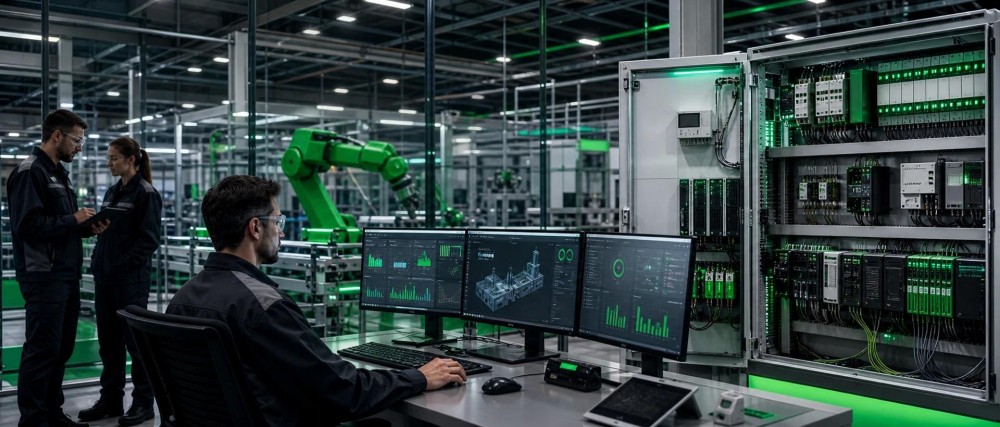 Software-Defined Automation Gains Momentum As Manufacturers Modernize Brownfield Industrial Systems
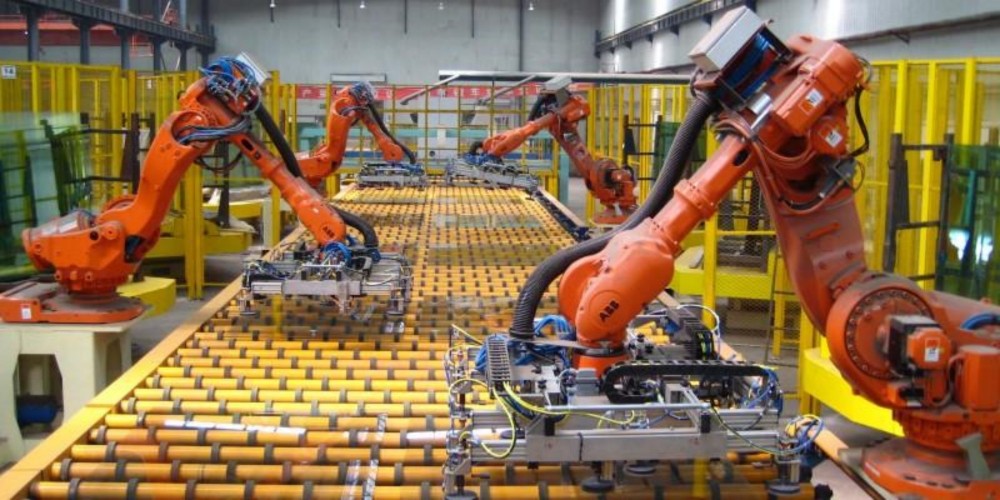 North American Robot Orders Reach $622 Million As Industrial Automation Demand Expands In 2026
 U.S. Industrial Robot Installations Rise 11% As Flexible Automation Expands
 Siemens S7 PLC Cybersecurity Warning Highlights Growing OT Security Risks