100% Original, Ready to Ship!

Industrial Automation AI Technology Drives Smart Factory Transformation In 2026
The global industrial automation industry is entering a new stage of digital transformation as artificial intelligence, industrial IoT, and advanced control technologies continue to reshape modern manufacturing. In 2026, smart factories are increasingly adopting AI-driven automation solutions that integrate PLC systems, DCS platforms, industrial sensors, robotics, and real-time data analytics.
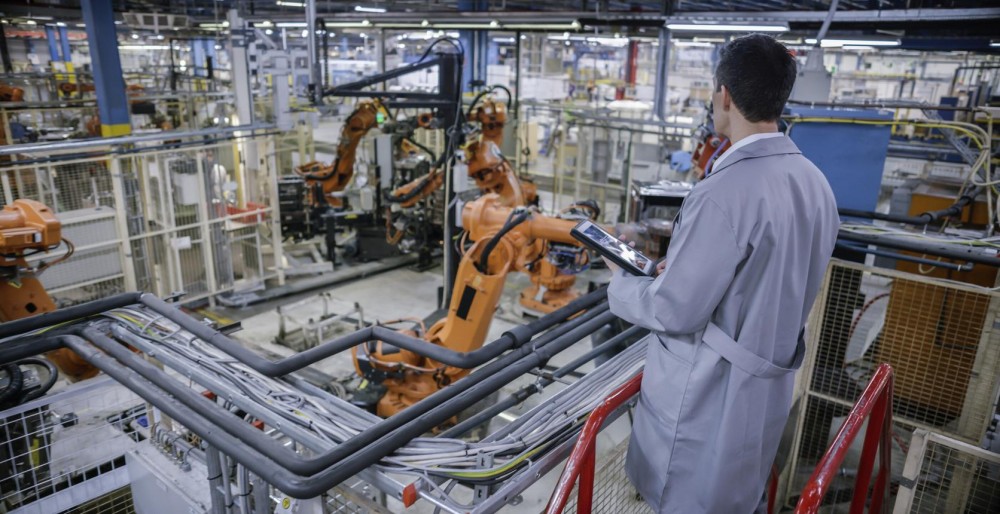
Traditional automation systems mainly focused on stable control and production efficiency. However, the latest generation of industrial automation technologies is moving toward intelligent decision-making. Manufacturers are now combining programmable logic controllers (PLC), distributed control systems (DCS), edge computing devices, and cloud-based platforms to create more flexible and efficient production environments.
Artificial intelligence integration has become one of the most important trends in the automation sector. Industrial companies are using AI technologies for predictive maintenance, process optimization, quality inspection, and energy management. By analyzing operational data collected from PLC modules, sensors, and industrial networks, AI systems can identify potential equipment failures before unexpected downtime occurs.
For automation engineers, this development means that PLC and DCS systems are no longer isolated control devices. Modern control architectures are becoming connected ecosystems where hardware, software, and data platforms work together. Industrial controllers now play a key role in collecting production information and supporting intelligent manufacturing strategies.
Leading automation manufacturers are investing heavily in digital platforms and smart manufacturing solutions. The market is seeing increased demand for advanced PLC controllers, industrial communication modules, remote monitoring systems, and intelligent field devices.
Another important development is the growing adoption of digital twin technology. Digital twins allow manufacturers to create virtual models of machines and production lines. Engineers can simulate operational conditions, test control programs, and optimize processes before making physical changes. This reduces engineering costs and improves commissioning efficiency.
For industries such as automotive manufacturing, energy, chemical processing, pharmaceuticals, and semiconductor production, intelligent automation has become a strategic investment. Companies are looking for automation solutions that provide higher reliability, better data visibility, and faster response times.
The future of industrial automation will focus on the combination of PLC control technology, AI analytics, industrial networking, and cybersecurity protection. As factories become more connected, automation suppliers and system integrators will continue developing smarter solutions to meet global manufacturing demands.
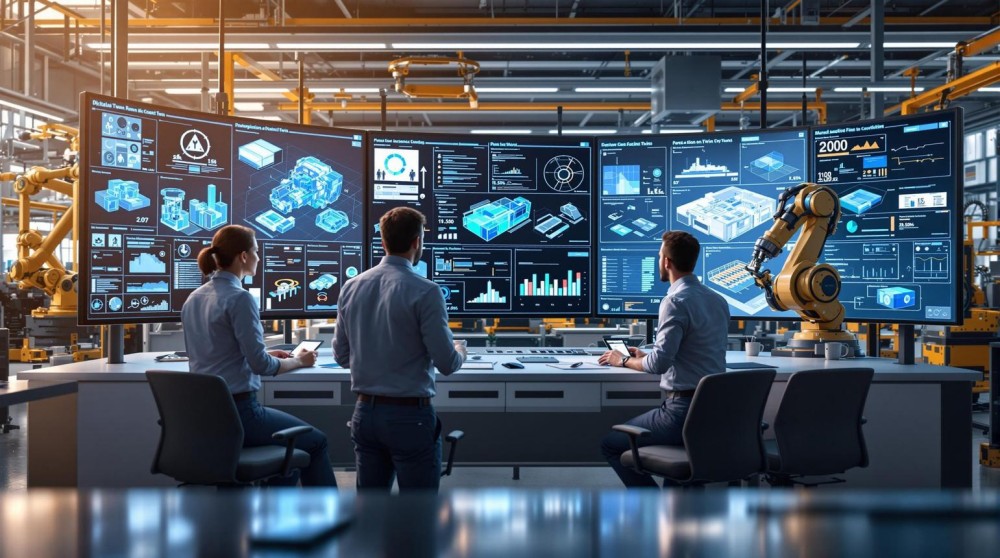
For international buyers and automation equipment suppliers, understanding these trends is essential. The demand for PLC modules, DCS components, industrial sensors, and automation spare parts will continue growing as companies upgrade existing facilities and build next-generation smart factories.
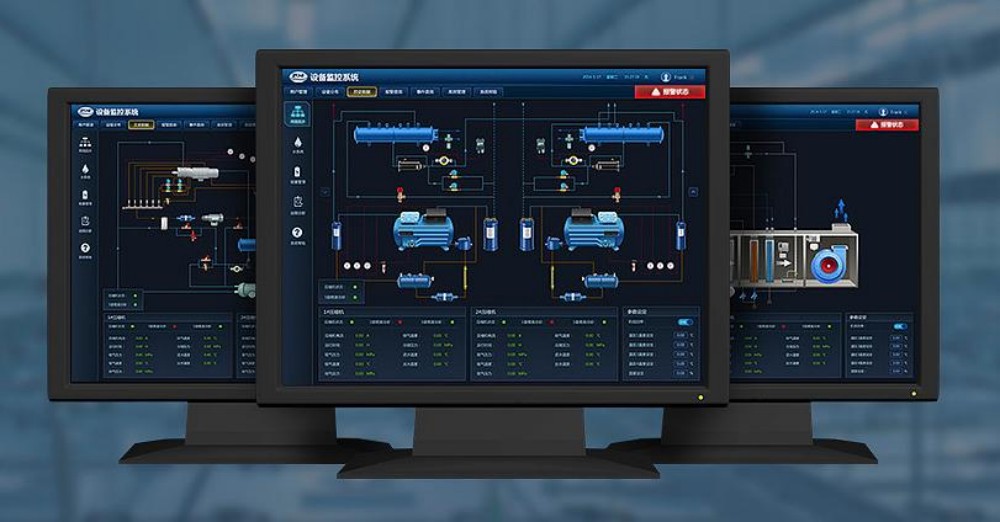 PLC And DCS Integration Becomes Key Technology Trend For Next Generation Industrial Automation Systems
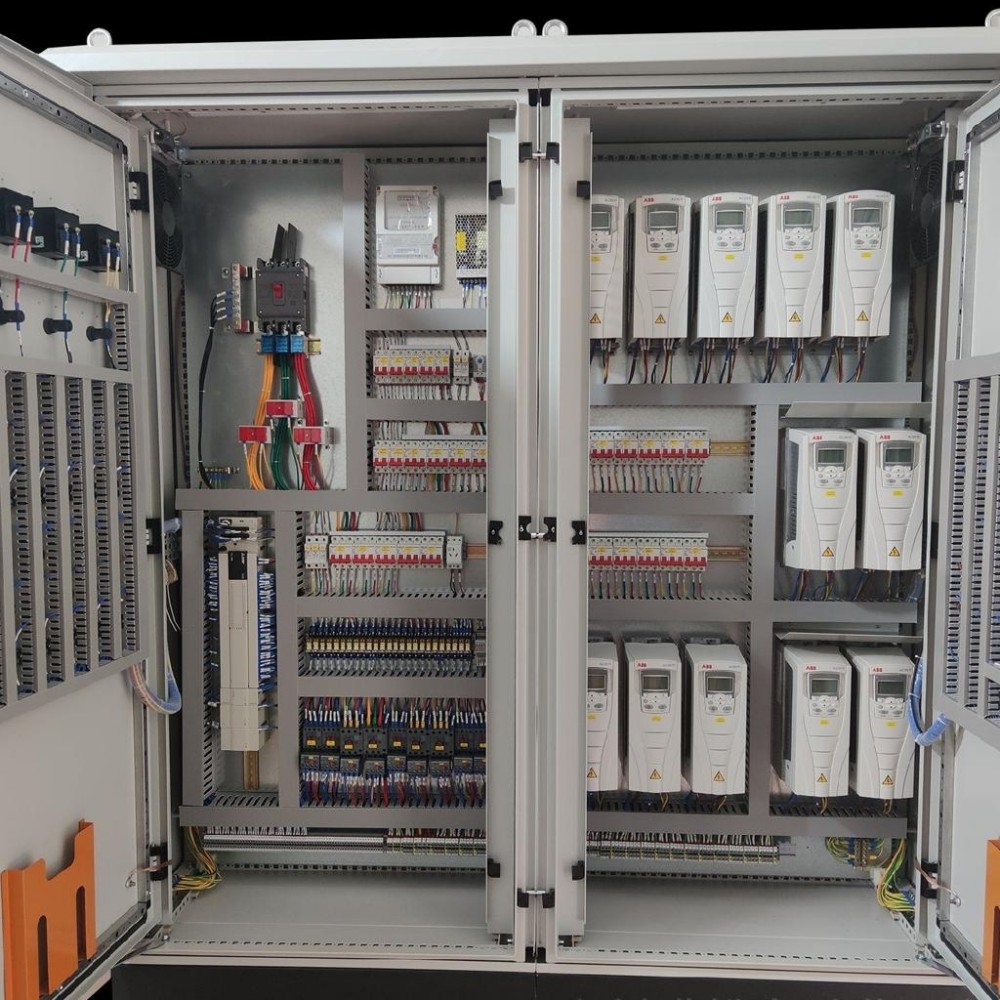 ABB Expands Industrial Automation Strategy With Advanced Electrification And Control Technology Development
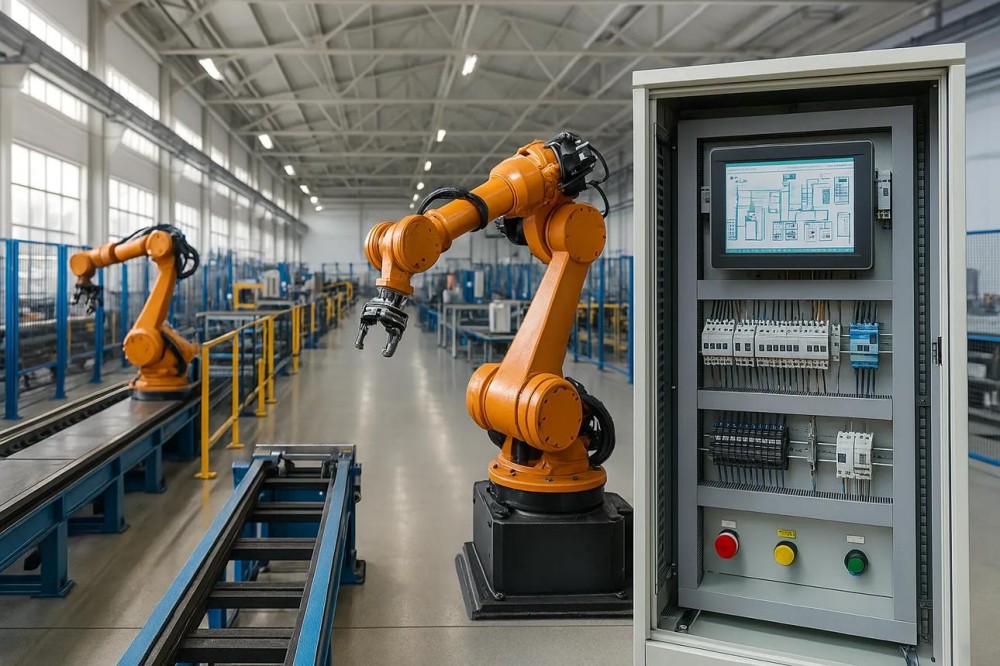 Industrial Automation Trends 2026: AI-Powered PLC And DCS Systems Accelerate Smart Factory Development
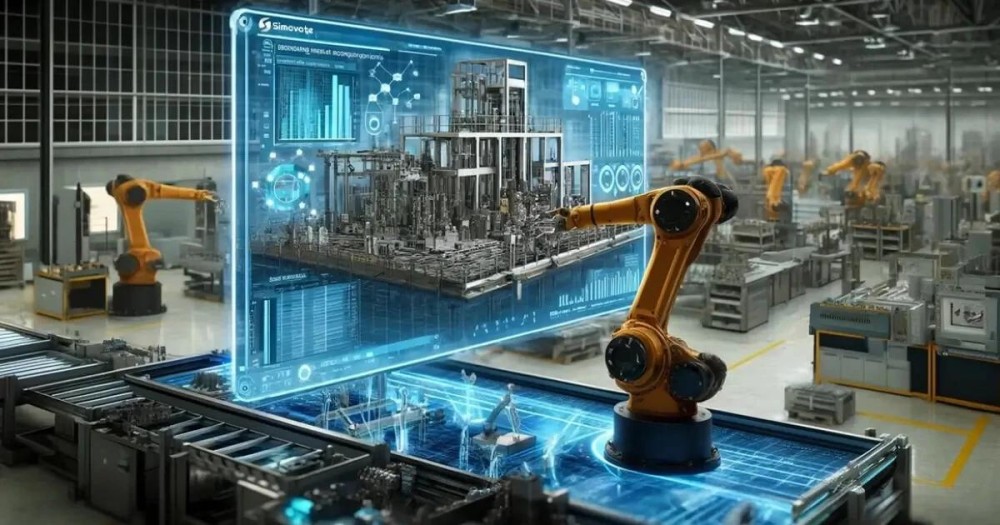 AI And Digital Twin Technologies Transform The Future Of Industrial Automation Systems