100% Original, Ready to Ship!

Industrial Automation Industry Enters New Growth Era With Smart Manufacturing Expansion
The global industrial automation market continues expanding as manufacturers increase investment in smart factories, automation modernization, and intelligent control technologies. The demand for PLC controllers, DCS systems, industrial sensors, and automation components is growing across different industries.

Manufacturing companies are facing increasing challenges, including rising production requirements, labor shortages, and the need for improved operational efficiency. Industrial automation provides effective solutions by increasing production accuracy, reducing manual errors, and enabling continuous equipment monitoring.
PLC systems remain one of the most important technologies in modern factory automation. Programmable logic controllers provide reliable control for machines, production equipment, and industrial processes. From small manufacturing systems to large industrial facilities, PLC technology continues serving as a core component of automation infrastructure.
Meanwhile, DCS control systems remain essential in process industries such as power generation, chemical production, oil and gas, and water treatment. These industries require highly stable and reliable control platforms to manage complex operations and maintain continuous production.
A major factor driving industrial automation development is the expansion of Industrial Internet technologies. Industrial IoT enables communication between machines, sensors, controllers, and software platforms. This connectivity allows manufacturers to collect real-time data and improve production decisions.
Industrial cybersecurity has also become an important consideration as automation systems become more connected. Modern factories require secure communication networks and reliable protection strategies to maintain safe industrial operations.
Another important trend is the modernization of existing automation systems. Many factories worldwide continue using automation equipment installed many years ago. Instead of replacing entire production systems, companies often upgrade individual components such as PLC modules, communication boards, control cards, and industrial sensors.
This creates strong demand for automation spare parts and technical services. Reliable replacement components help manufacturers maintain production continuity while reducing equipment upgrade costs.
The future of industrial automation will be influenced by artificial intelligence, robotics, edge computing, and advanced industrial software. These technologies will help factories become more flexible, efficient, and intelligent.
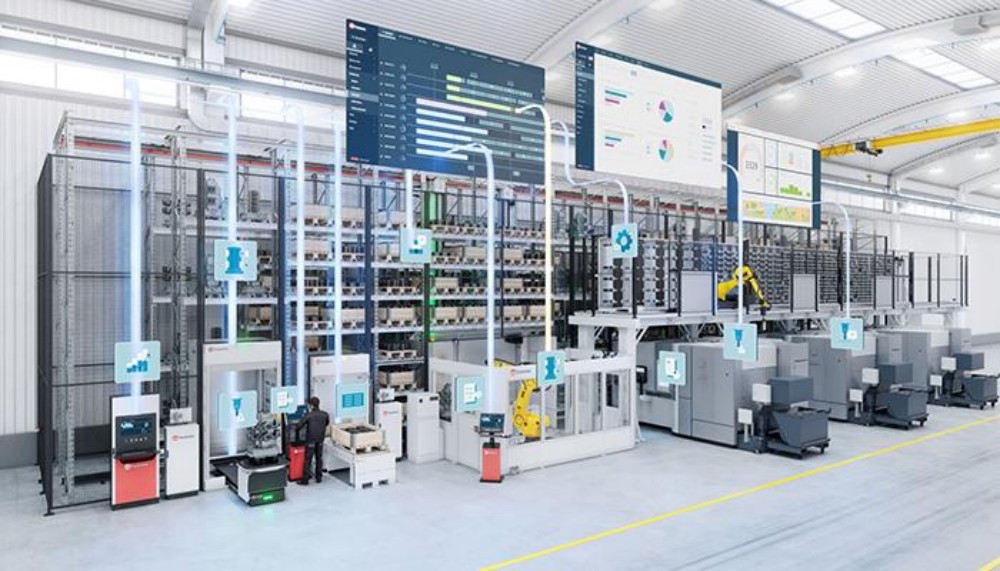
For international automation suppliers and industrial equipment distributors, the growing demand for PLC parts, DCS modules, control systems, and automation solutions creates valuable market opportunities.
As Industry 4.0 continues developing worldwide, industrial automation will remain a critical technology supporting the next generation of smart manufacturing.
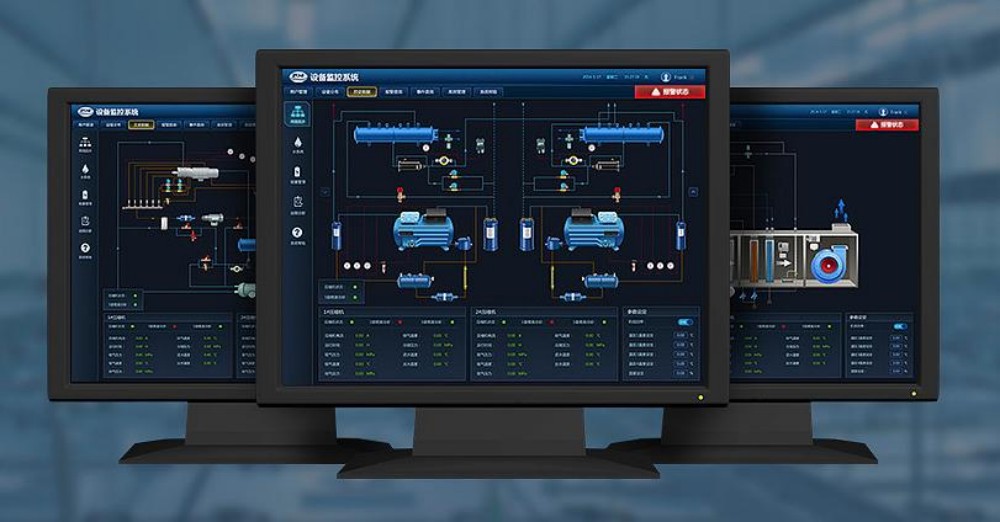 PLC And DCS Integration Becomes Key Technology Trend For Next Generation Industrial Automation Systems
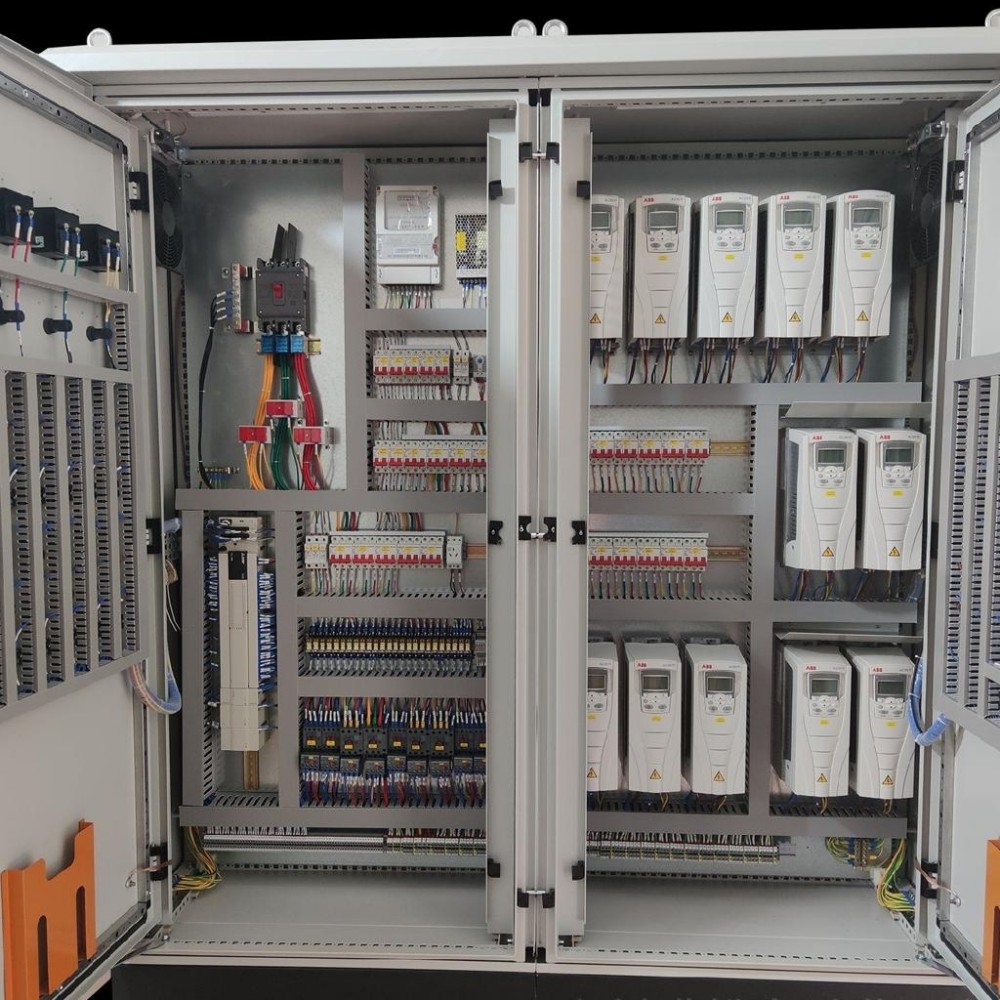 ABB Expands Industrial Automation Strategy With Advanced Electrification And Control Technology Development
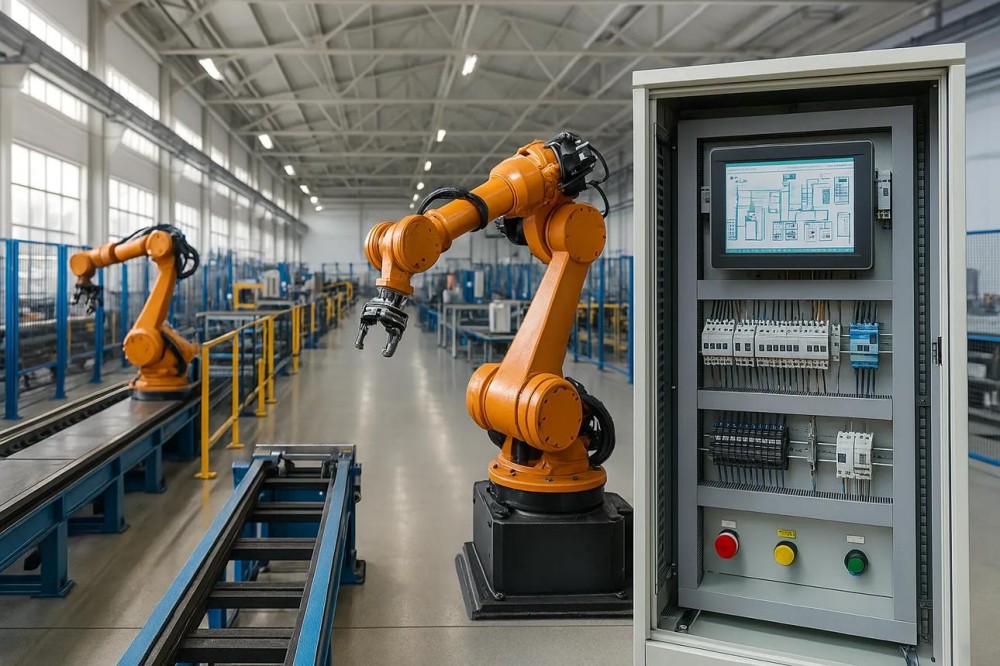 Industrial Automation Trends 2026: AI-Powered PLC And DCS Systems Accelerate Smart Factory Development
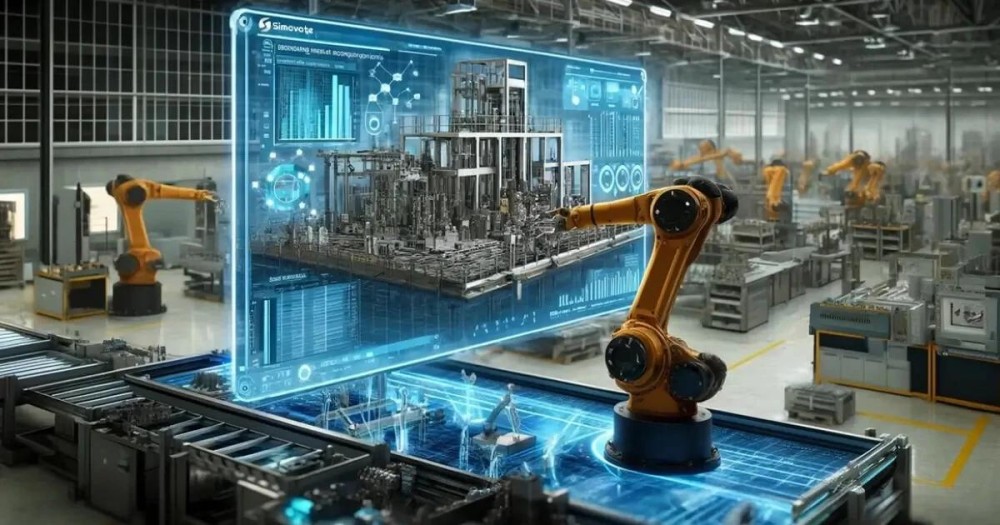 AI And Digital Twin Technologies Transform The Future Of Industrial Automation Systems