100% Original, Ready to Ship!

PLC And DCS Automation Market Growth Accelerates As Global Manufacturers Upgrade Control Systems
The global PLC and DCS automation market continues expanding as industries invest in modern control technologies, smart manufacturing, and digital transformation. Manufacturers around the world are upgrading aging automation systems to improve production efficiency, reduce downtime, and achieve better operational control.
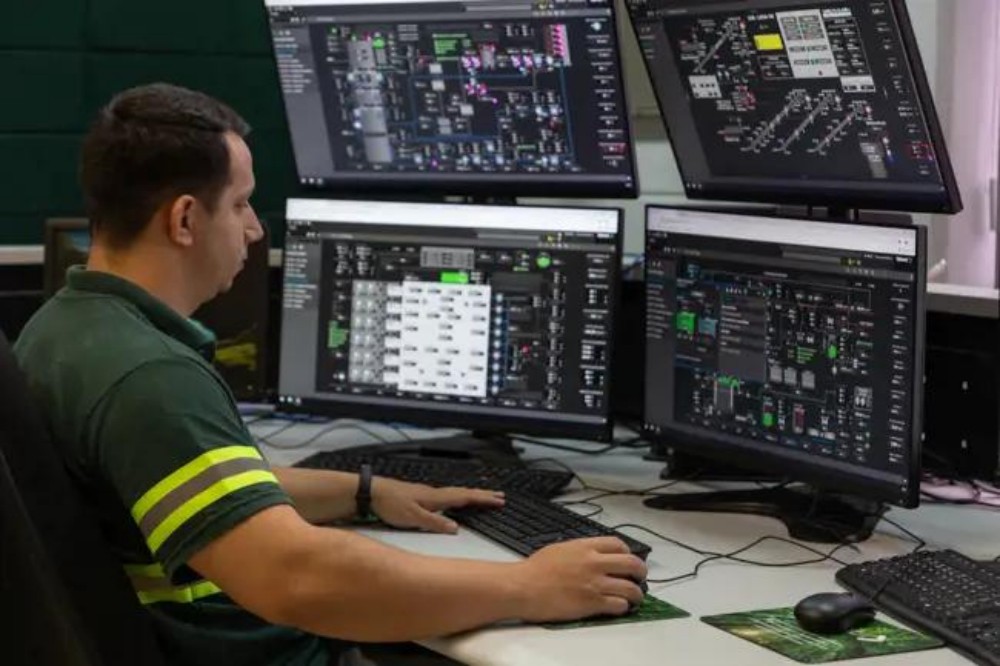
Programmable Logic Controllers (PLC) and Distributed Control Systems (DCS) remain the foundation of industrial automation. PLC technology is widely used for machine automation, production lines, packaging systems, and industrial equipment control. DCS solutions are commonly applied in process industries such as chemical plants, power stations, and oil and gas facilities where continuous operation and safety are critical.
Recent industrial developments show that companies are focusing on automation modernization projects. Many factories are replacing outdated controllers, communication modules, and hardware components with advanced systems that support industrial networking and real-time data analysis.
The growth of smart manufacturing is one of the major factors driving automation investment. Modern production facilities require better connectivity between machines, sensors, control systems, and management platforms. Industrial Ethernet, edge computing, and cloud technologies are becoming important parts of automation infrastructure.
Predictive maintenance is another important application area. By collecting data from PLC systems, sensors, and intelligent field devices, manufacturers can analyze equipment conditions and identify possible failures. This reduces unexpected shutdowns and improves overall factory reliability.
The increasing demand for automation upgrades is also creating opportunities in the industrial spare parts market. Many companies need replacement PLC modules, CPU units, communication boards, analog input modules, power supply units, and DCS components to maintain existing production systems.
Automation engineers are also paying more attention to cybersecurity. As industrial control systems become connected to enterprise networks, protecting PLC and DCS infrastructure from cyber risks has become a critical requirement. Future automation solutions will combine advanced control functions with stronger security technologies.
The development of artificial intelligence will further influence the automation industry. AI-based optimization tools can analyze large amounts of production data and provide recommendations for improving efficiency, quality, and energy consumption.

For international automation suppliers and industrial equipment distributors, the market outlook remains positive. Companies that provide reliable PLC, DCS, sensor, and automation replacement solutions will continue playing an important role in supporting global manufacturing modernization.
The future of industrial automation will be defined by intelligent control, connected systems, and sustainable manufacturing. PLC and DCS technologies will continue evolving as essential platforms for the next generation of smart factories.
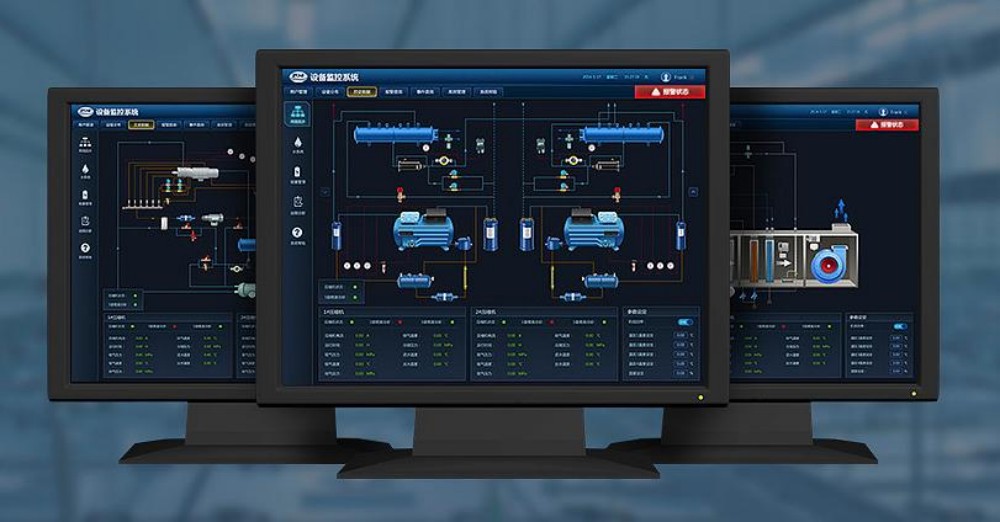 PLC And DCS Integration Becomes Key Technology Trend For Next Generation Industrial Automation Systems
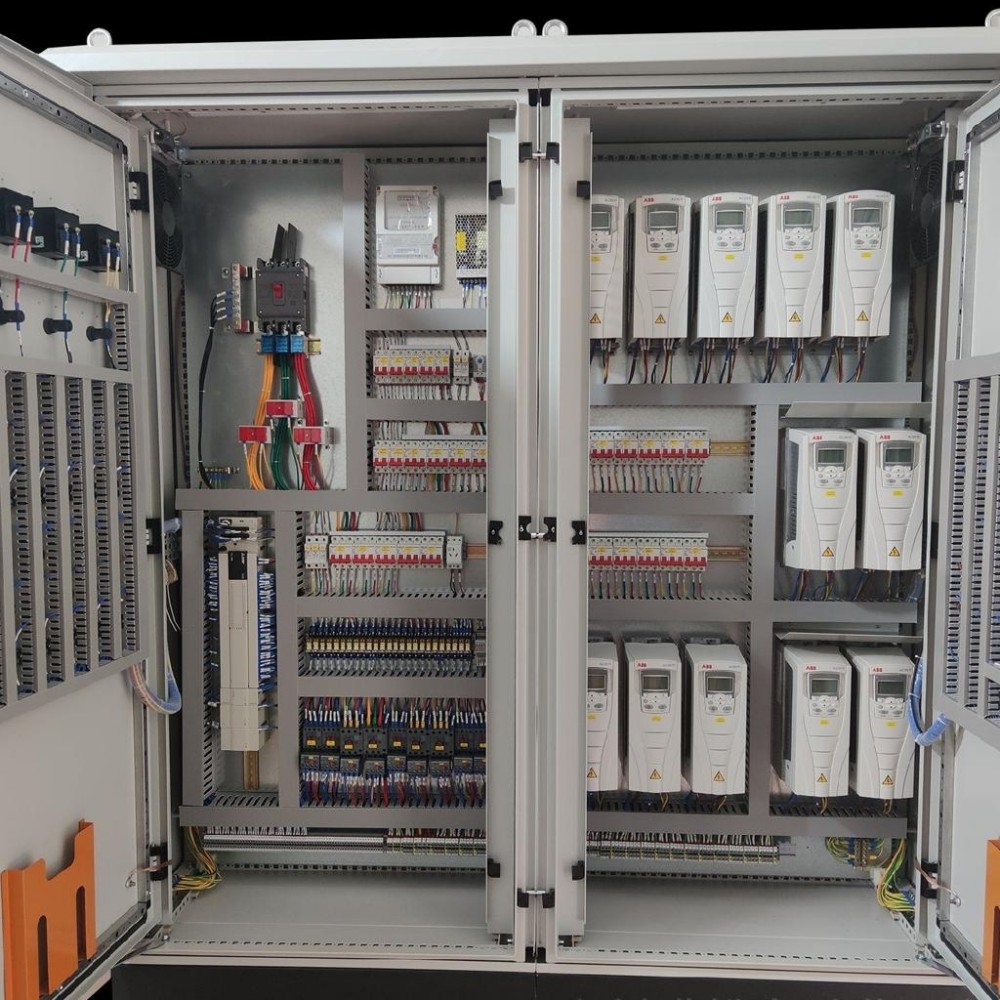 ABB Expands Industrial Automation Strategy With Advanced Electrification And Control Technology Development
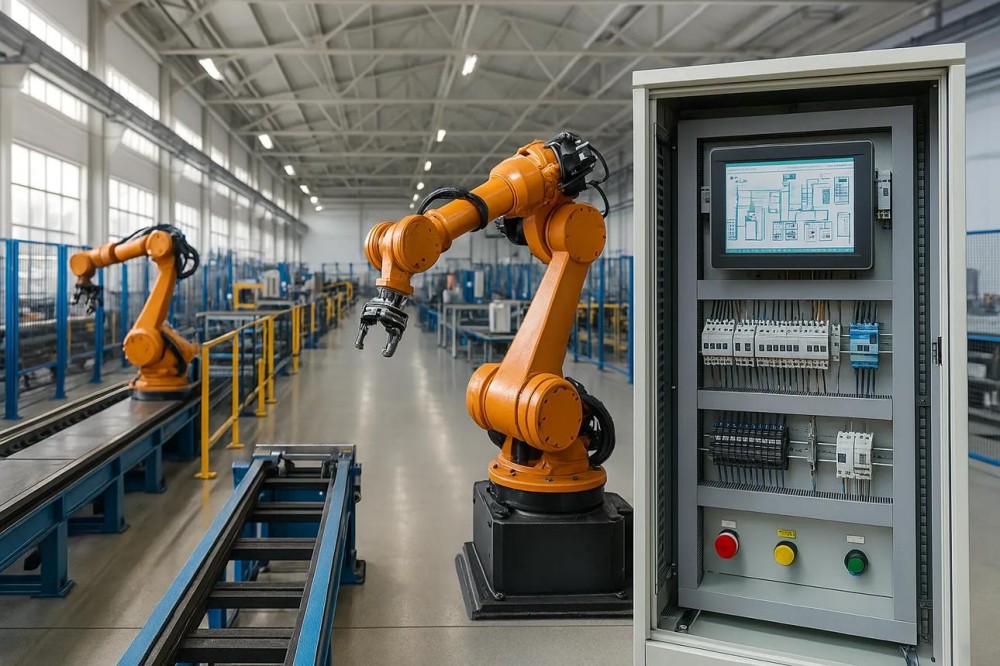 Industrial Automation Trends 2026: AI-Powered PLC And DCS Systems Accelerate Smart Factory Development
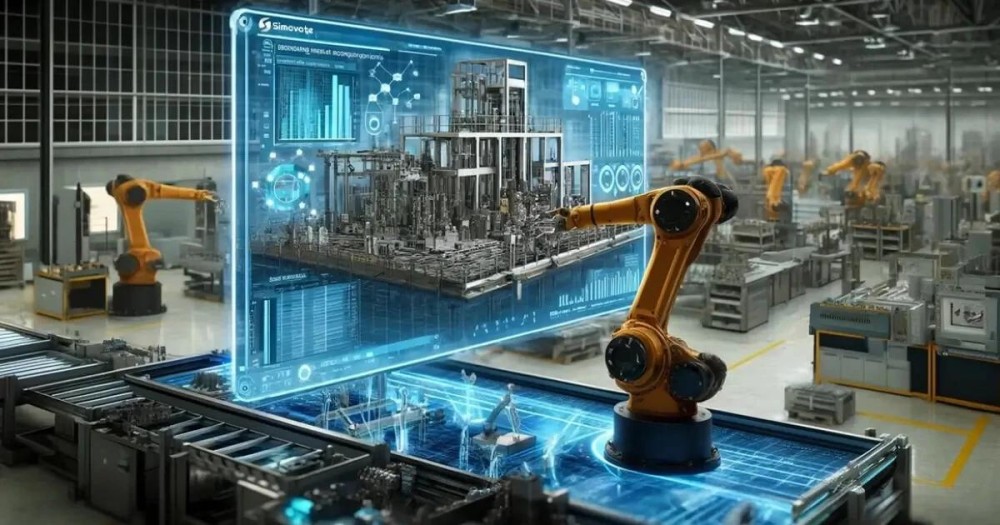 AI And Digital Twin Technologies Transform The Future Of Industrial Automation Systems