100% Original, Ready to Ship!

PLC Cybersecurity Alert: Internet-Exposed Industrial Controllers Face Growing Risks
Industrial automation cybersecurity has become a major concern for PLC engineers, system integrators, and critical infrastructure operators following recent warnings about malicious cyber activity targeting internet-facing programmable logic controllers.
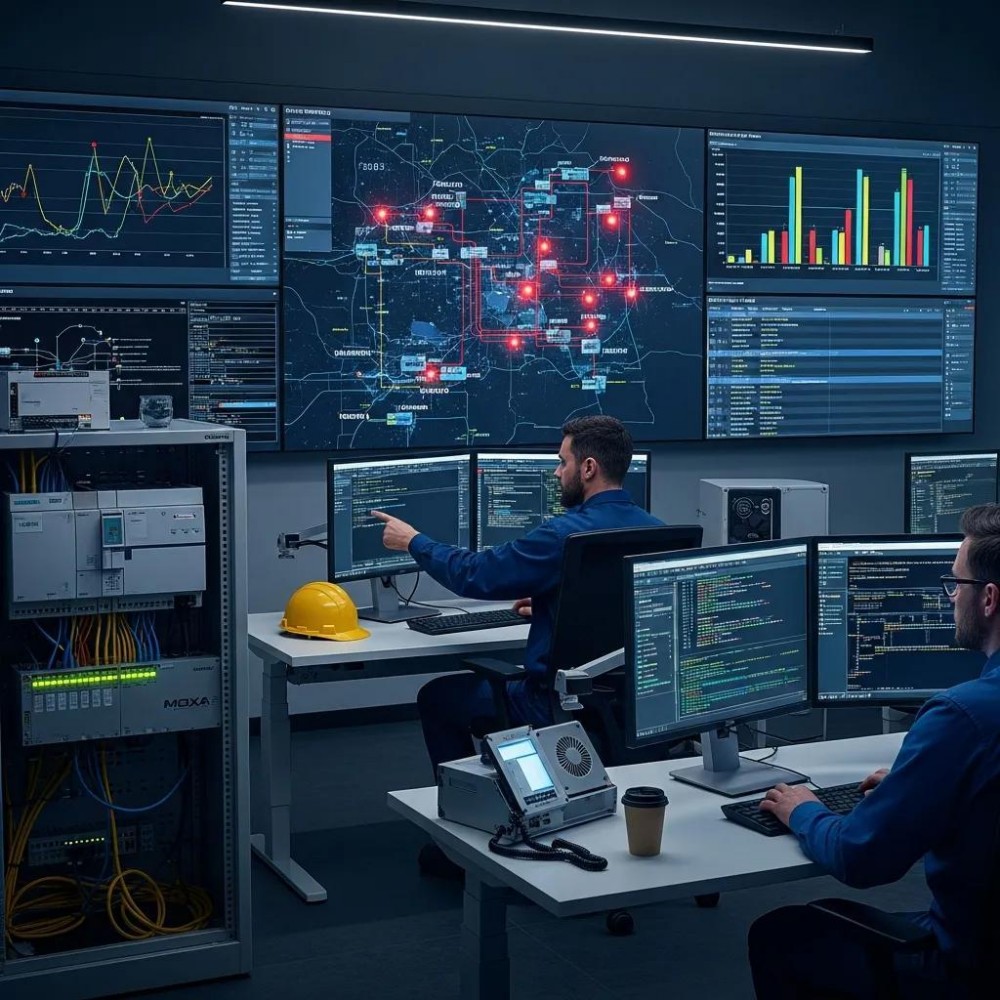
Recent incidents involving industrial control systems have highlighted the risks created when PLC devices are directly accessible from the public internet. Reported activity affected controllers used in the water and wastewater sector, demonstrating how cybersecurity incidents can potentially disrupt physical industrial operations.
In some cases, attackers were able to remotely access PLC devices and make unauthorized changes to network settings or authentication information. Such actions can interfere with an operator’s ability to monitor and control industrial equipment.
The incidents highlight a fundamental cybersecurity challenge in industrial automation. PLCs were originally designed primarily for reliable and continuous control of physical processes. However, modern automation systems are increasingly connected to enterprise networks, remote monitoring platforms, engineering workstations, and cloud-based applications.
Connectivity provides significant operational benefits, but it can also increase the potential attack surface.
For PLC and SCADA engineers, one of the most important security principles is to avoid directly exposing industrial controllers to the public internet. Industrial firewalls, secure gateways, network segmentation, VPN technologies, and controlled remote-access solutions should be considered when designing connected automation systems.
Strong authentication is equally important. Default passwords, shared accounts, and poorly controlled remote-access credentials can create unnecessary security risks. Industrial organizations should use unique credentials, carefully manage user permissions, and monitor unexpected changes to PLC programs, configurations, and network parameters.
Cybersecurity should also be considered throughout the entire automation lifecycle. Security is not simply an IT issue that can be addressed after a control system has been installed. It should be incorporated into system architecture, PLC commissioning, network configuration, maintenance, remote support, and equipment replacement.
Although recent incidents have involved specific PLC products and industrial sectors, the underlying security principles apply broadly across automation platforms. Siemens, ABB, Schneider Electric, Rockwell Automation, Mitsubishi Electric, Omron, and other manufacturers all operate within an increasingly connected industrial environment.
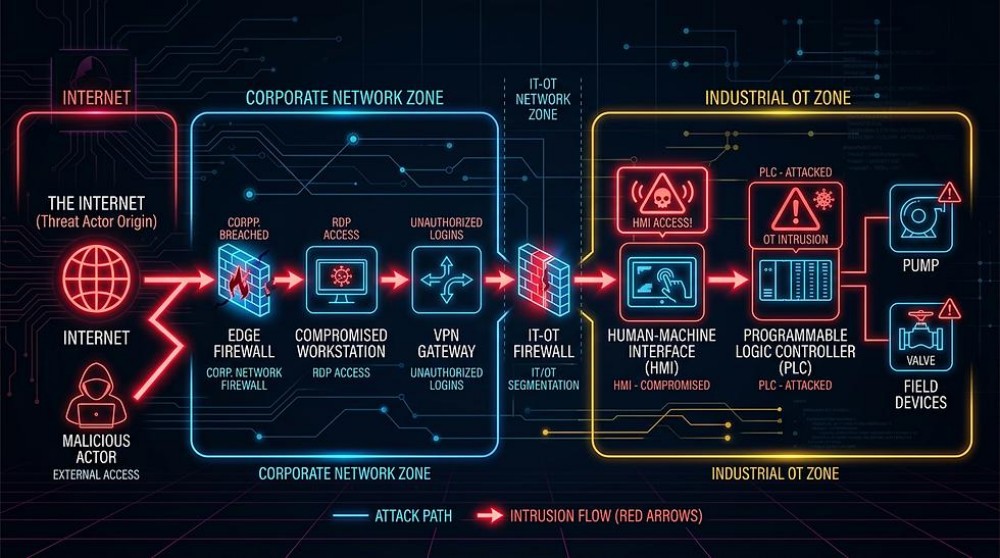
The growing number of connected industrial devices means that OT cybersecurity is becoming just as important as controller performance and system availability.
For industrial automation companies, protecting PLCs, HMIs, SCADA systems, DCS platforms, remote I/O, and industrial networks will remain a critical engineering priority. As factories and infrastructure become smarter and more connected, secure automation architecture will be essential for maintaining reliable and resilient operations.
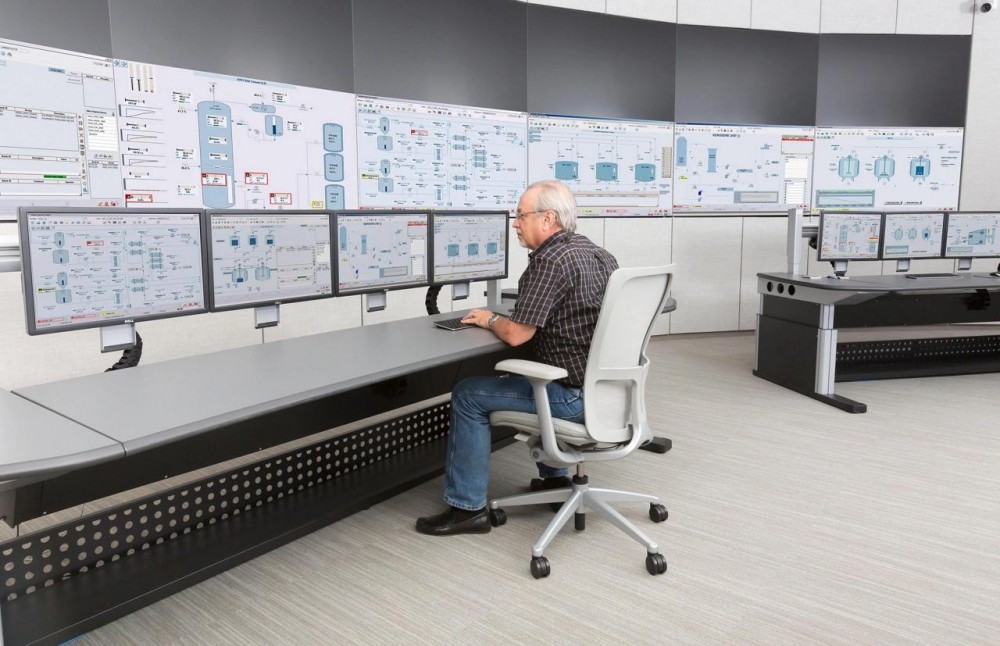 Schneider Electric Launches Foxboro Software-Defined DCS To Advance Industrial Automation
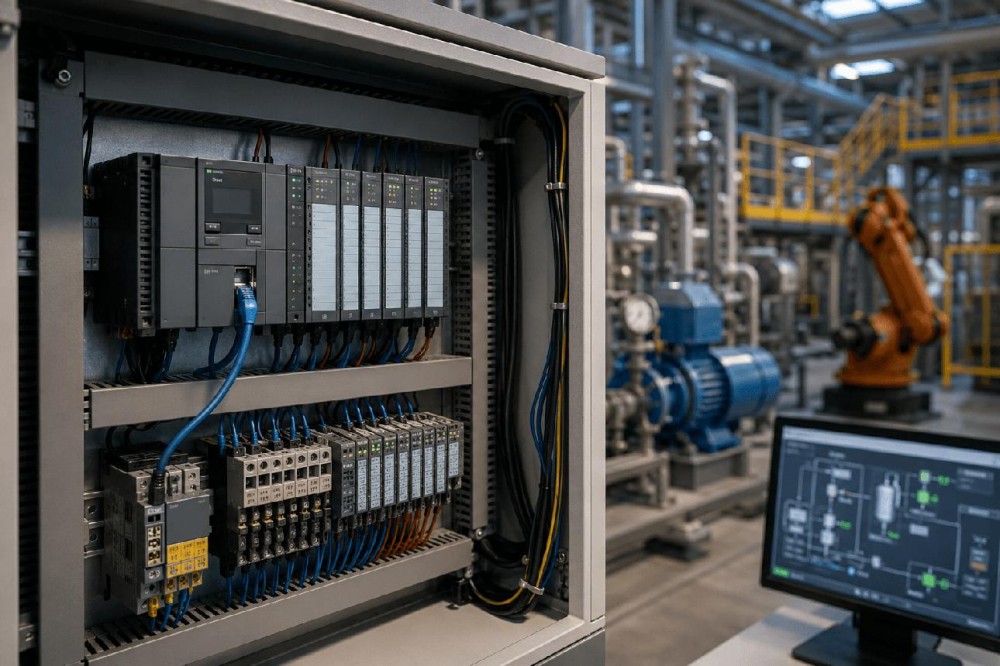 Rockwell Automation Introduces FactoryTalk Conductor: A New AI Platform For Industrial Automation
 Rockwell Automation Expands Industrial AI Capabilities With NVIDIA Nemotron Support
 Rockwell Automation Introduces FactoryTalk Conductor To Advance AI-Driven Industrial Automation