100% Original, Ready to Ship!

Rockwell Automation Advances Cloud Connected Factory Solutions For Industrial Automation And Smart Manufacturing
The demand for connected manufacturing solutions is increasing rapidly as industrial companies accelerate digital transformation. Modern factories are adopting cloud-connected automation technologies to improve production visibility, optimize processes, and enhance overall operational efficiency.
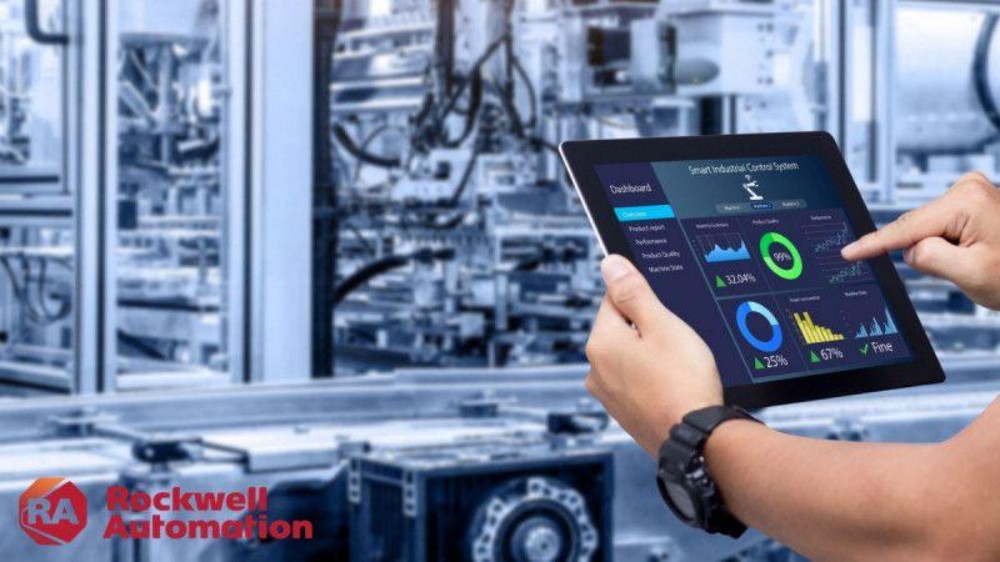
Industrial automation systems are evolving from traditional standalone control architectures into connected digital ecosystems. PLC controllers, industrial sensors, SCADA systems, DCS platforms, and manufacturing software are increasingly integrated to provide real-time production information and intelligent analysis.
For many years, automation systems mainly focused on local machine control and process execution. However, Industry 4.0 manufacturing requires stronger connectivity between field devices, control systems, enterprise platforms, and cloud-based applications.
Cloud-connected factory solutions allow manufacturers to monitor equipment performance, analyze operational data, and make faster decisions. Engineers can identify production problems more efficiently, improve maintenance strategies, and optimize manufacturing processes based on accurate industrial information.
Industrial data analytics is becoming a key technology for modern factories. By collecting information from PLC modules, sensors, drives, and control systems, companies can gain valuable insights into equipment conditions, energy consumption, and production performance.
Cybersecurity has also become an essential part of industrial automation development. As factories become more connected, manufacturers must implement secure communication methods, network protection technologies, and reliable access management to protect critical industrial infrastructure.
Digital transformation does not always require completely replacing existing automation systems. Many companies are upgrading current PLC and DCS installations by adding industrial gateways, edge computing devices, smart sensors, and advanced software platforms.
Connected automation technologies are being widely adopted in industries such as automotive, food and beverage, water treatment, energy, chemical processing, and pharmaceutical manufacturing. These industries require highly reliable control systems that can operate continuously while providing valuable operational data.
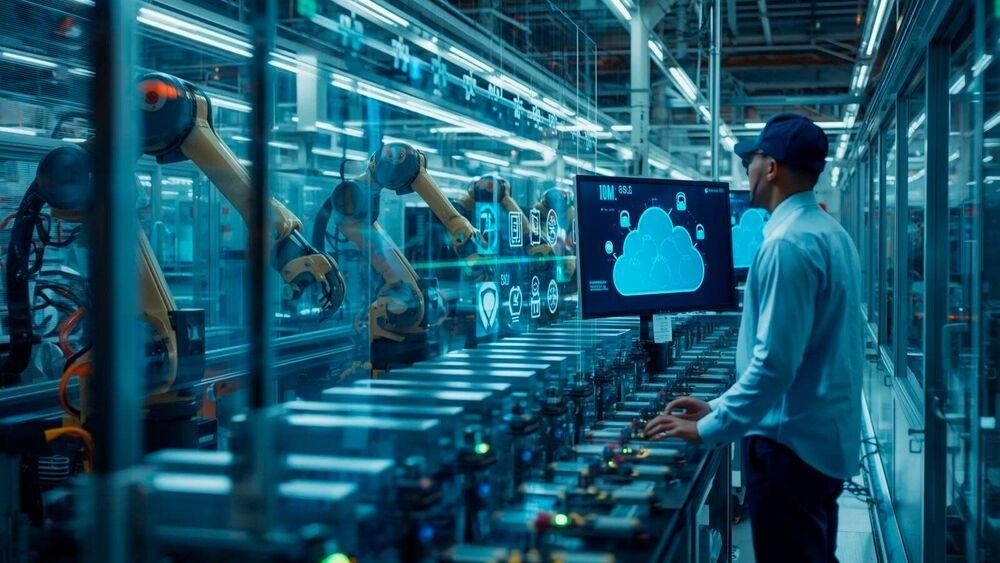
The future of industrial automation will depend on the combination of hardware, software, and intelligent technologies. PLC controllers, industrial communication networks, cloud platforms, and AI analytics will create more efficient, flexible, and sustainable manufacturing environments.
As global industries continue their digital transformation journey, smart factory technologies will remain one of the most important development directions in the automation sector.
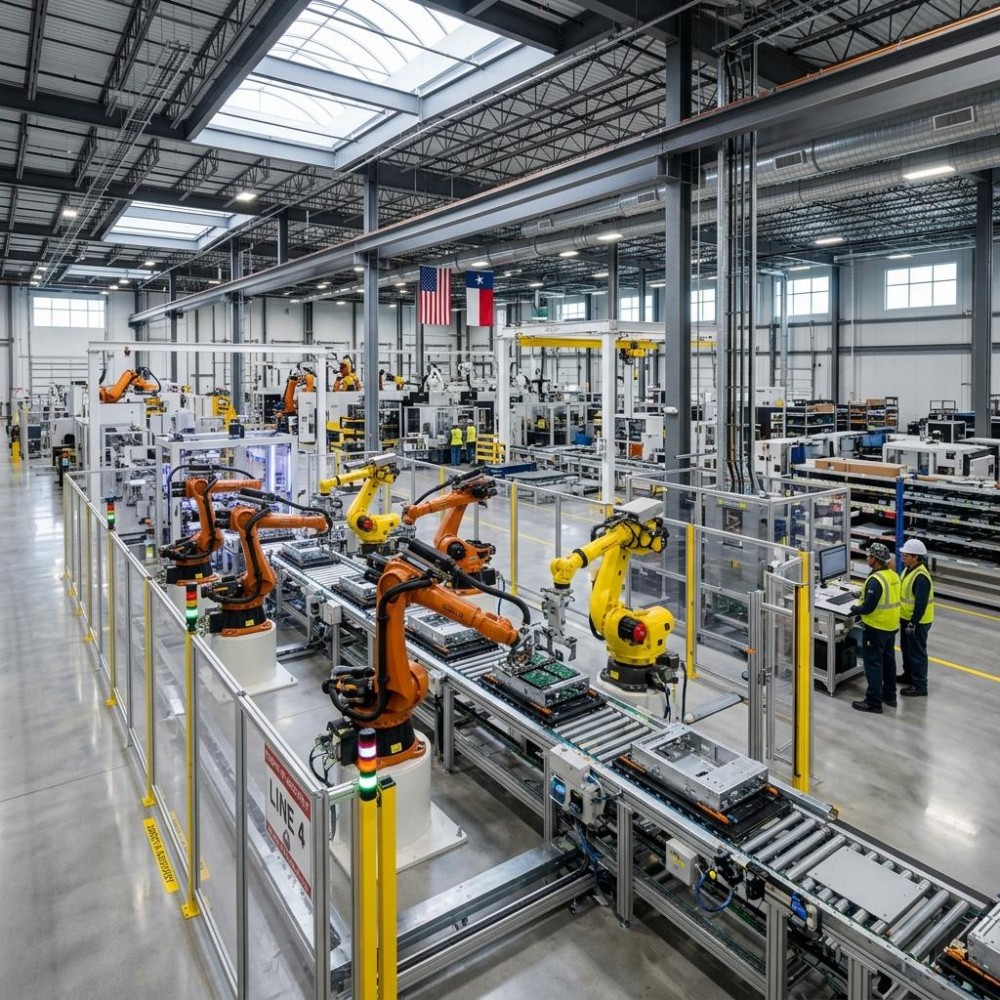 U.S. Industrial Robot Installations Rise 11% As Flexible Automation Expands
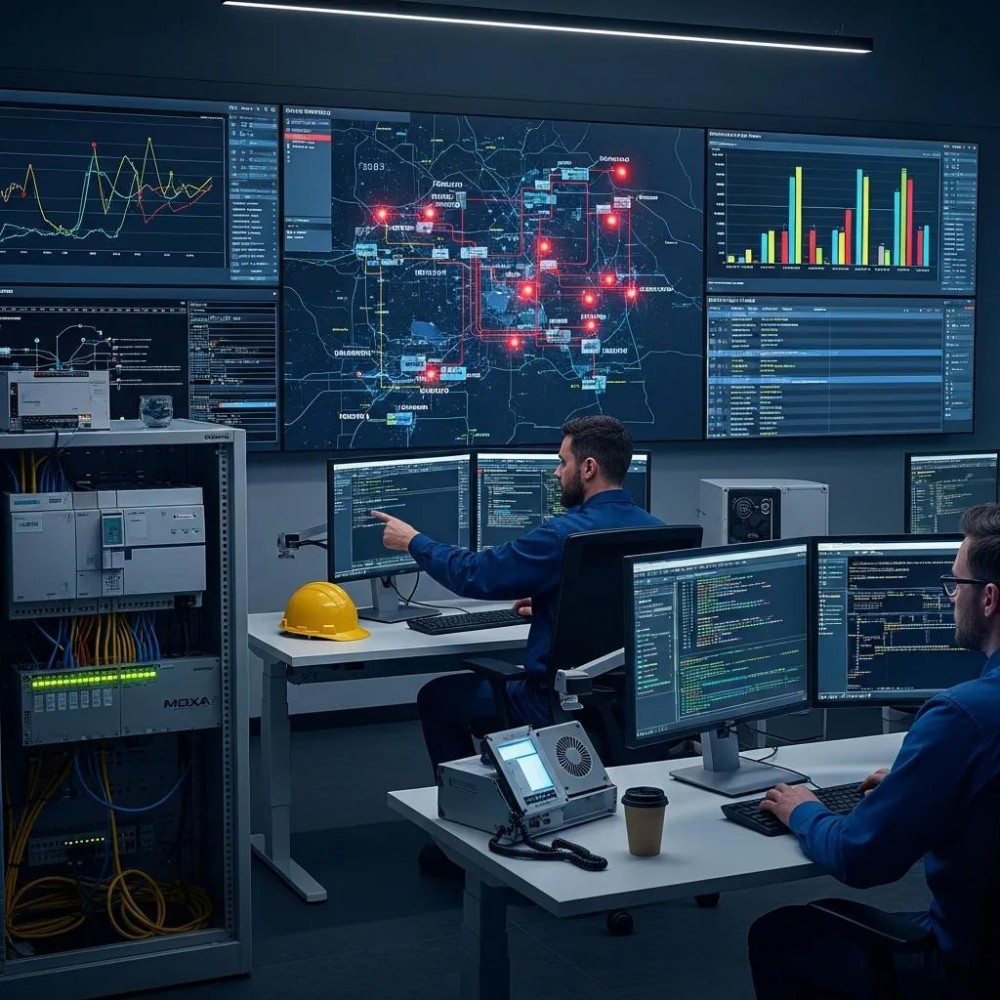 Siemens S7 PLC Cybersecurity Warning Highlights Growing OT Security Risks
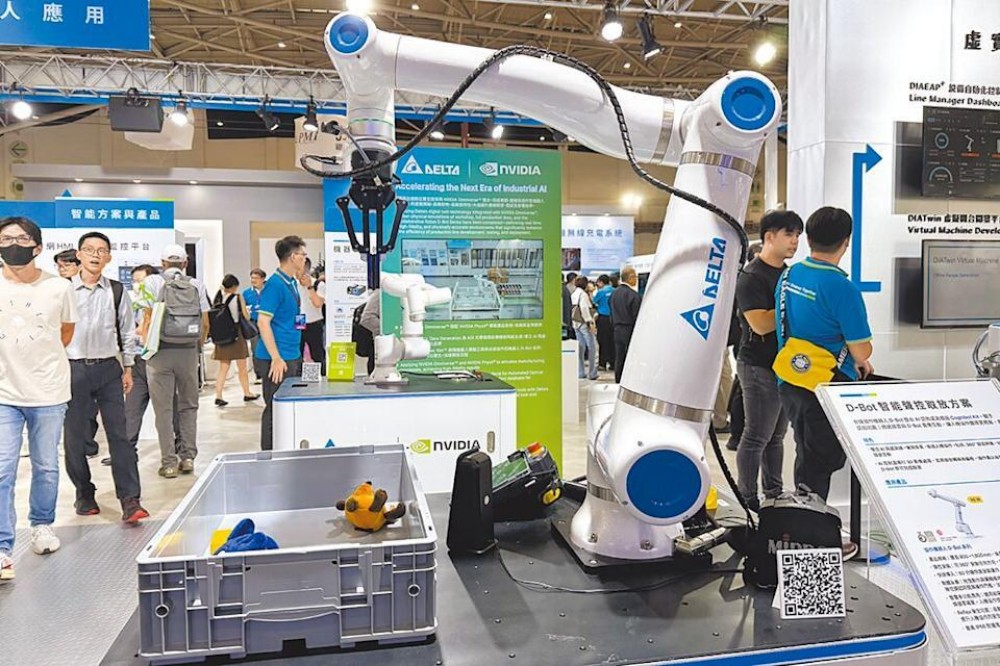 Delta’s Embodied AI And Digital Twins Signal A New Era For Industrial Automation
 Schneider Electric Advances Software-Defined Automation For PLC And DCS Modernization