100% Original, Ready to Ship!

Rockwell Automation Highlights AI-Powered Factory Engineering For Smart Manufacturing Transformation
Artificial intelligence is becoming one of the most influential technologies shaping the future of industrial automation. From PLC programming assistance to digital twin simulation, AI is changing the way factories are designed, operated, and optimized.
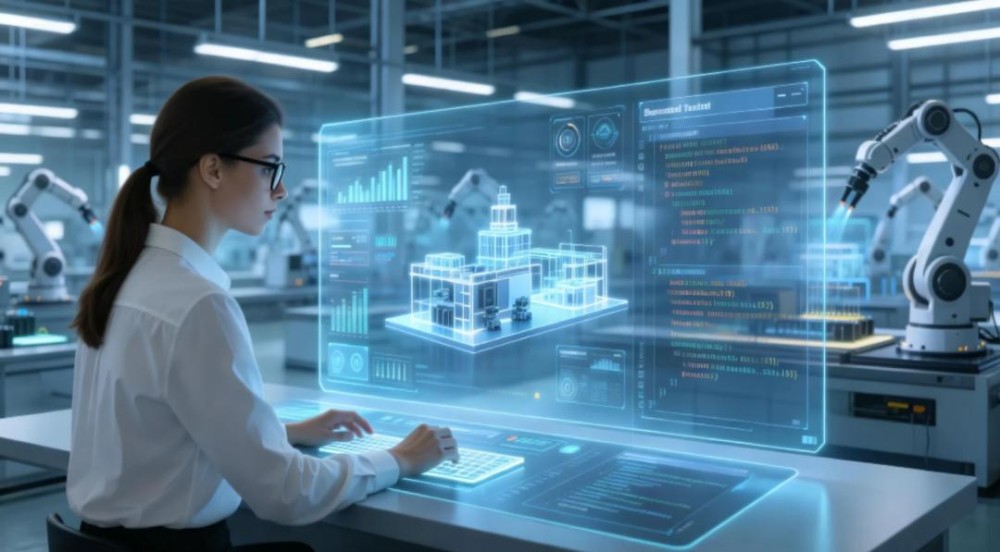
Rockwell Automation has continued exploring AI-based factory engineering technologies that combine intelligent software, automation systems, and digital simulation to improve manufacturing efficiency.
Traditional factory automation projects require multiple engineering stages, including mechanical design, electrical engineering, PLC programming, testing, and commissioning. These processes often require significant time and coordination between different technical teams.
AI-assisted automation engineering provides new methods to improve these workflows. Engineers can use intelligent tools to analyze production requirements, simulate automation processes, and identify potential problems before physical installation.
One of the biggest advantages of AI technology in manufacturing is reducing engineering time. By improving design accuracy and automation testing efficiency, companies can accelerate project implementation and reduce development risks.
Digital twin technology is also becoming an important part of smart manufacturing. A digital twin creates a virtual model of machines, production lines, or entire factories, allowing engineers to test PLC logic, optimize processes, and evaluate performance before real operation.
For PLC engineers and automation specialists, AI is not replacing human expertise. Instead, it provides additional support by helping engineers analyze complex industrial data, improve programming efficiency, and make better technical decisions.
The combination of AI, PLC control systems, industrial networks, robotics, and cloud technologies is creating a new generation of intelligent manufacturing environments.
For automation companies and industrial suppliers, this transformation creates new business opportunities. Customers increasingly require advanced PLC solutions, DCS integration, industrial communication products, and professional automation support services.
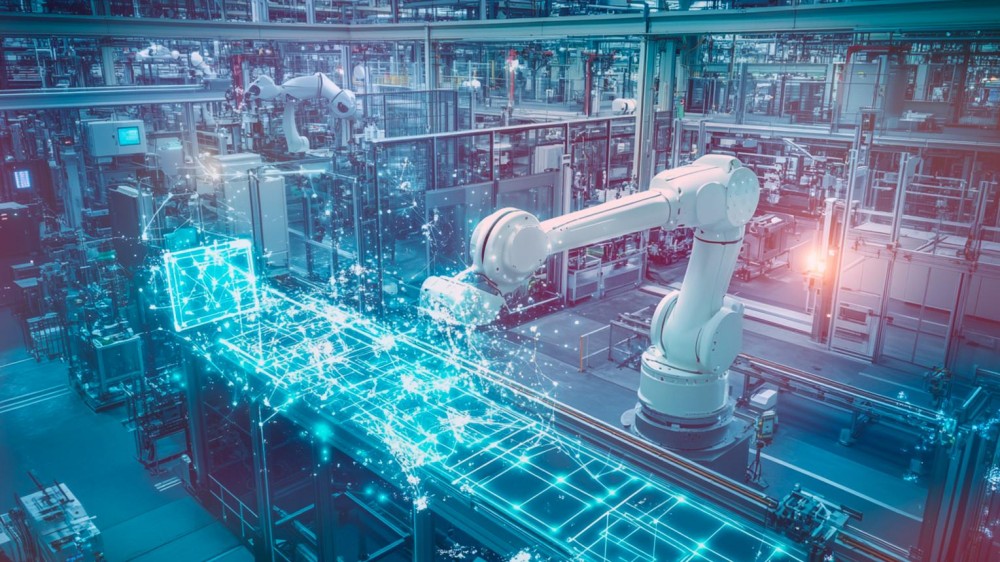
As global manufacturing competition increases, companies adopting intelligent automation technologies will achieve advantages in production flexibility, efficiency, and reliability.
AI-powered factory engineering represents an important step toward the future of smart manufacturing. The integration of artificial intelligence with industrial automation will continue driving innovation across factories, production systems, and industrial control applications worldwide.
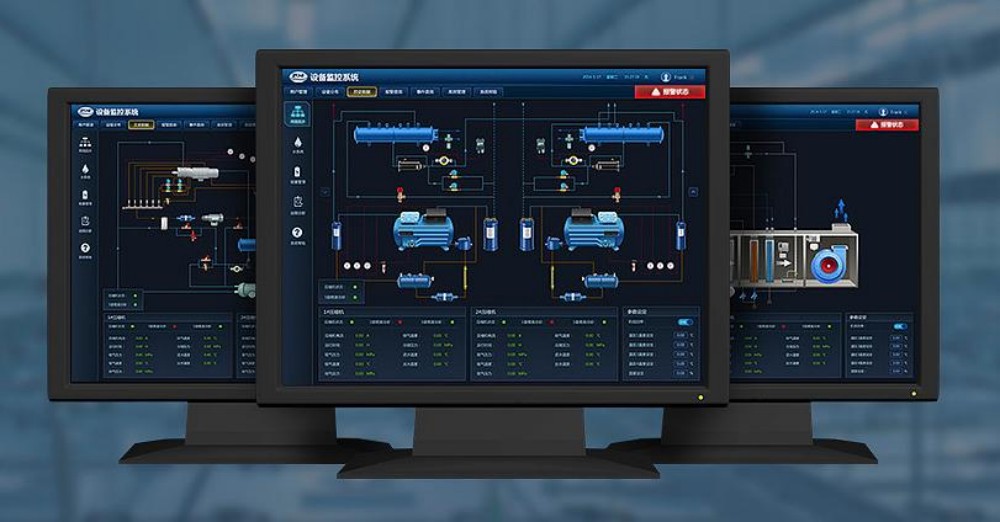 PLC And DCS Integration Becomes Key Technology Trend For Next Generation Industrial Automation Systems
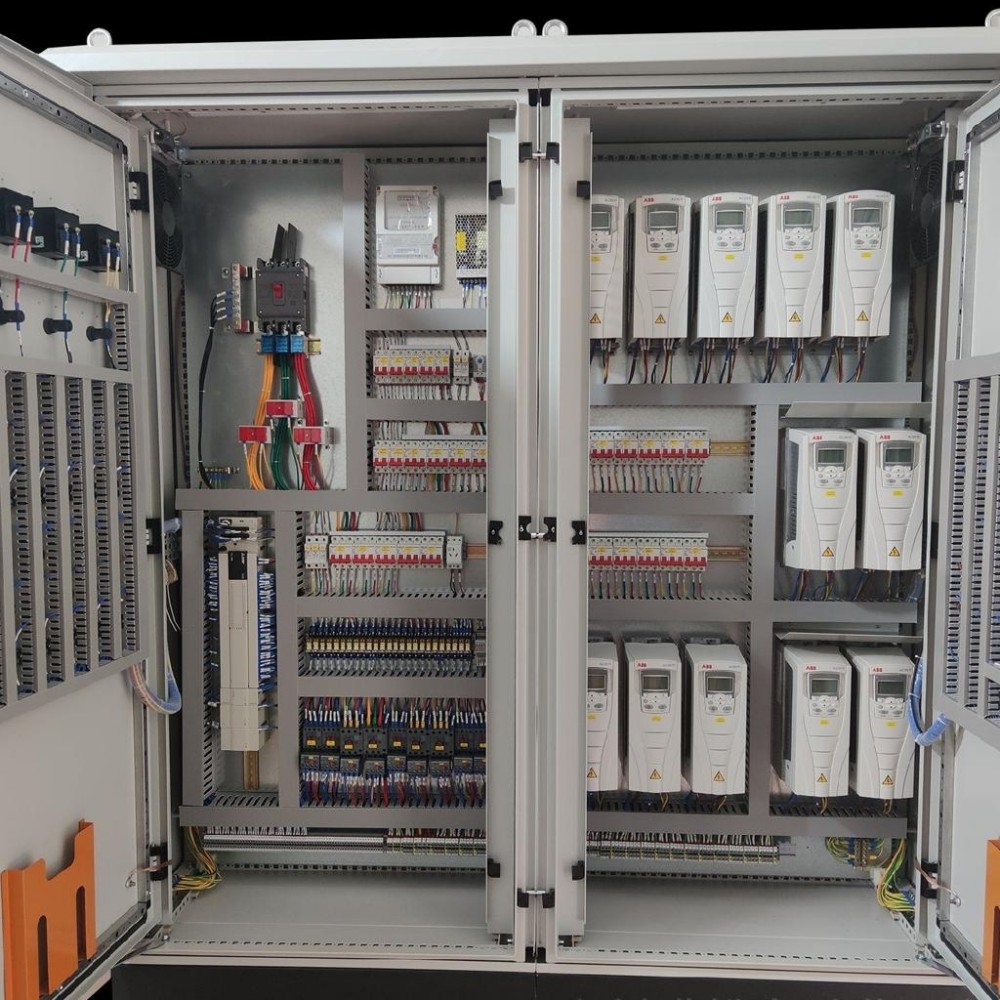 ABB Expands Industrial Automation Strategy With Advanced Electrification And Control Technology Development
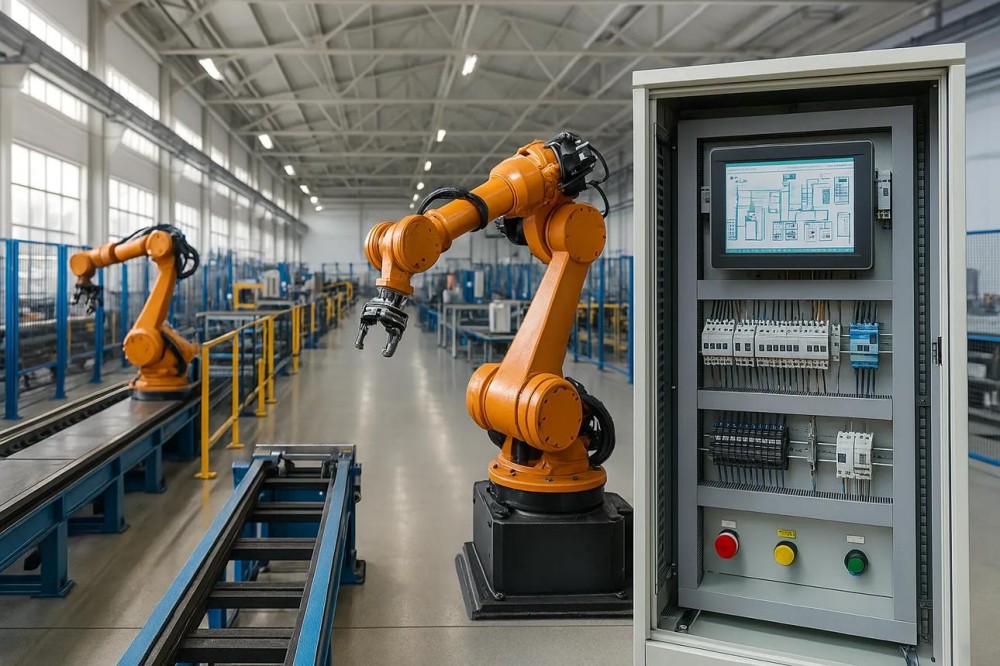 Industrial Automation Trends 2026: AI-Powered PLC And DCS Systems Accelerate Smart Factory Development
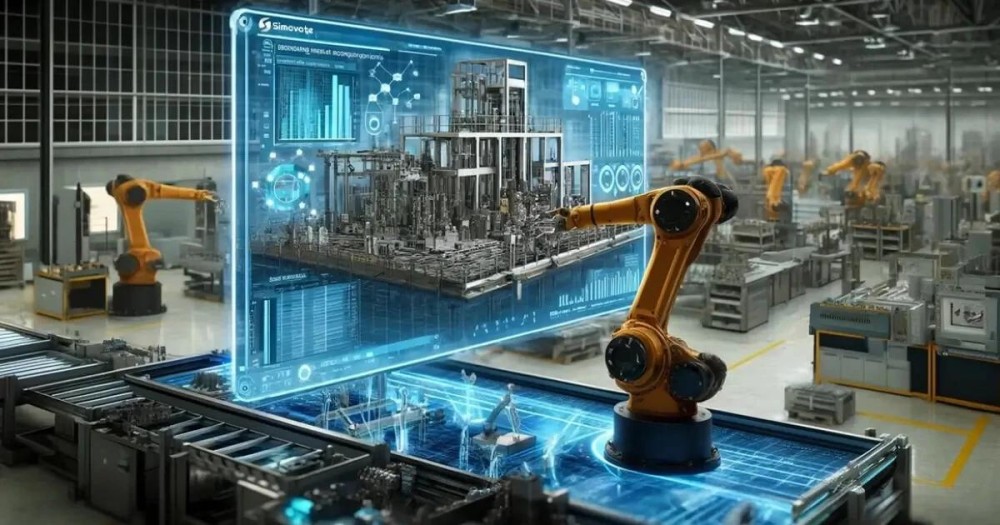 AI And Digital Twin Technologies Transform The Future Of Industrial Automation Systems