100% Original, Ready to Ship!

Rockwell Automation PlantPAx AI Cuts Industrial Refrigeration Energy Use By 17%
Artificial intelligence is becoming increasingly important in industrial automation, with manufacturers looking for practical ways to reduce energy consumption while improving equipment performance. A recent application developed by Actemium and deployed on Rockwell Automation’s PlantPAx distributed control system demonstrates how AI can be used directly within an industrial process.
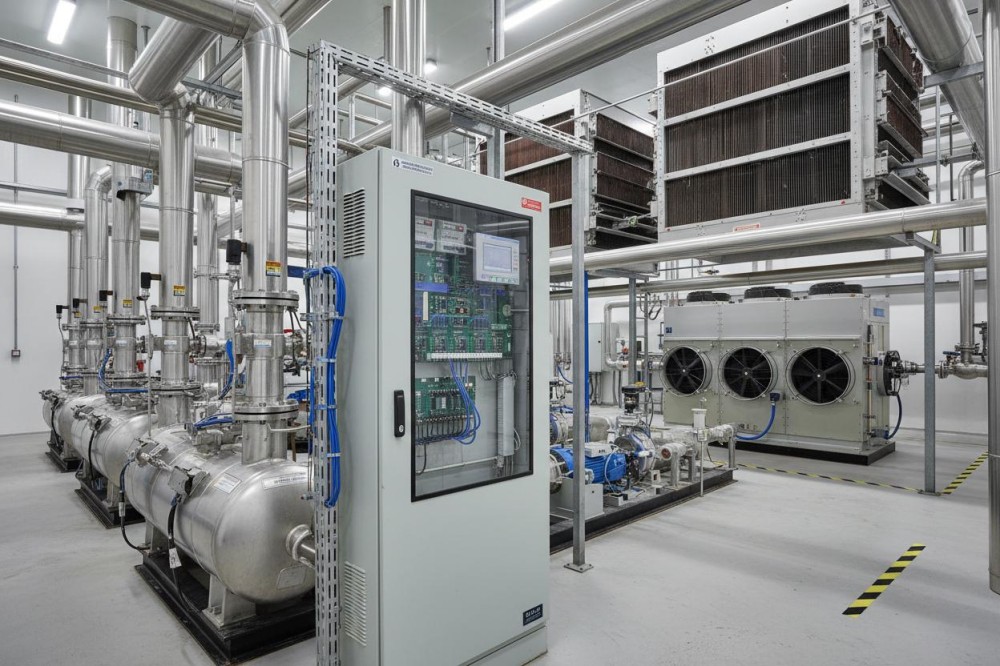
The solution, known as Real-Time Coefficient of Performance, or RtCOP, was developed for a large frozen French fry producer. It continuously analyzes refrigeration system conditions and determines more energy-efficient combinations of compressors, condensers and evaporators.
The deployment has achieved approximately 17% energy savings and an estimated annual cost saving of about $130,000 per site. At the same time, optimized refrigeration operation reduces unnecessary strain on critical equipment, potentially supporting longer equipment life and improved reliability.
Industrial refrigeration is one of the largest energy consumers in many food manufacturing facilities. In some plants, refrigeration can account for up to 70% of total electricity consumption. Traditionally, refrigeration systems are controlled mainly to satisfy cooling demand. Operators may have limited time to continuously compare equipment efficiency and determine the best operating combination.
The AI-based RtCOP application changes this approach by continuously evaluating operating conditions. It functions similarly to a virtual operator, using real-time process information to determine how refrigeration equipment should be operated more efficiently.
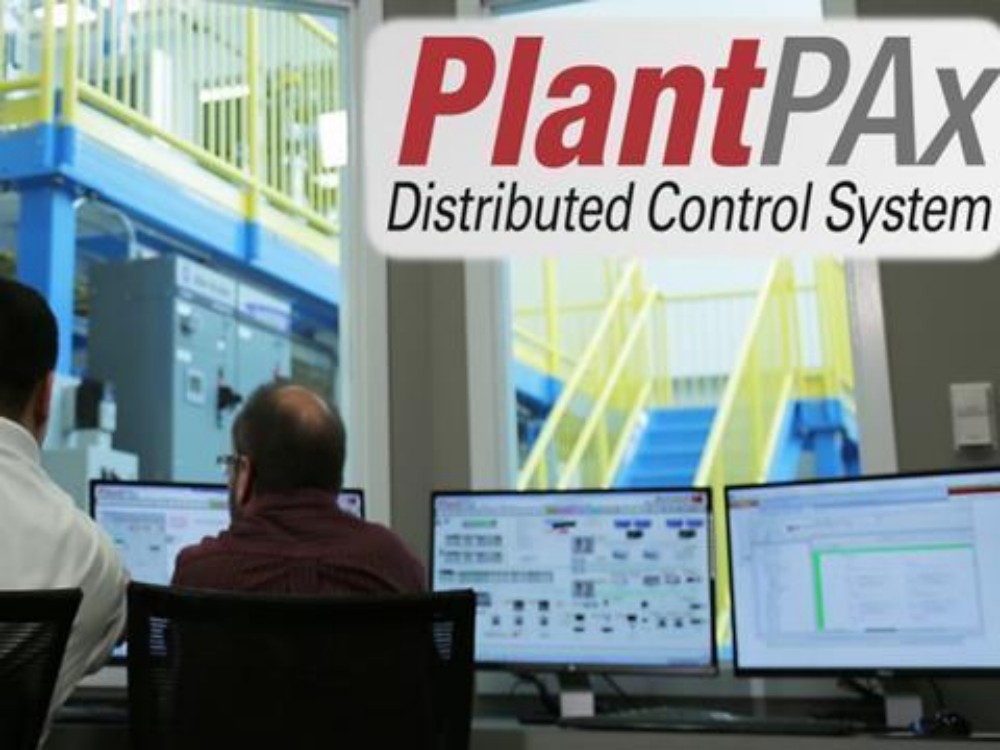
The technology is particularly interesting from a DCS perspective. Instead of replacing the existing control architecture, the AI application works with the PlantPAx system and uses its real-time data, processing capabilities and control environment.
This development highlights an important direction for industrial automation. AI is moving beyond dashboards and data analysis toward real-time operational optimization. For manufacturers, this means existing PLC, PAC and DCS systems can potentially become platforms for more intelligent energy management.
The approach could also help address the growing shortage of experienced industrial technicians. Automated optimization can continuously evaluate operating conditions and provide consistent decision-making that would be difficult for human operators to perform around the clock.
As energy prices, sustainability requirements and production efficiency become increasingly important, AI-assisted industrial control is likely to receive greater attention. The combination of DCS technology, industrial data and intelligent optimization could become an important part of the next generation of smart manufacturing systems.
 Schneider Electric Launches Foxboro Software-Defined DCS To Advance Industrial Automation
 Rockwell Automation Introduces FactoryTalk Conductor: A New AI Platform For Industrial Automation
 Rockwell Automation Expands Industrial AI Capabilities With NVIDIA Nemotron Support
 Rockwell Automation Introduces FactoryTalk Conductor To Advance AI-Driven Industrial Automation