100% Original, Ready to Ship!

Rooted In China’s Industrial Transformation Over Five Years: A Dialogue With ABB Process Industries Global President Joachim Braun
In the context of accelerating global industrial restructuring, China continues to stand at the center of manufacturing transformation, digitalization, and sustainable development. Over the past five years, the country has not only strengthened its industrial foundation but also become a key innovation hub for process automation and smart manufacturing. Against this backdrop, ABB continues to deepen its long-term commitment to the Chinese market, aligning its global expertise with local industrial evolution.
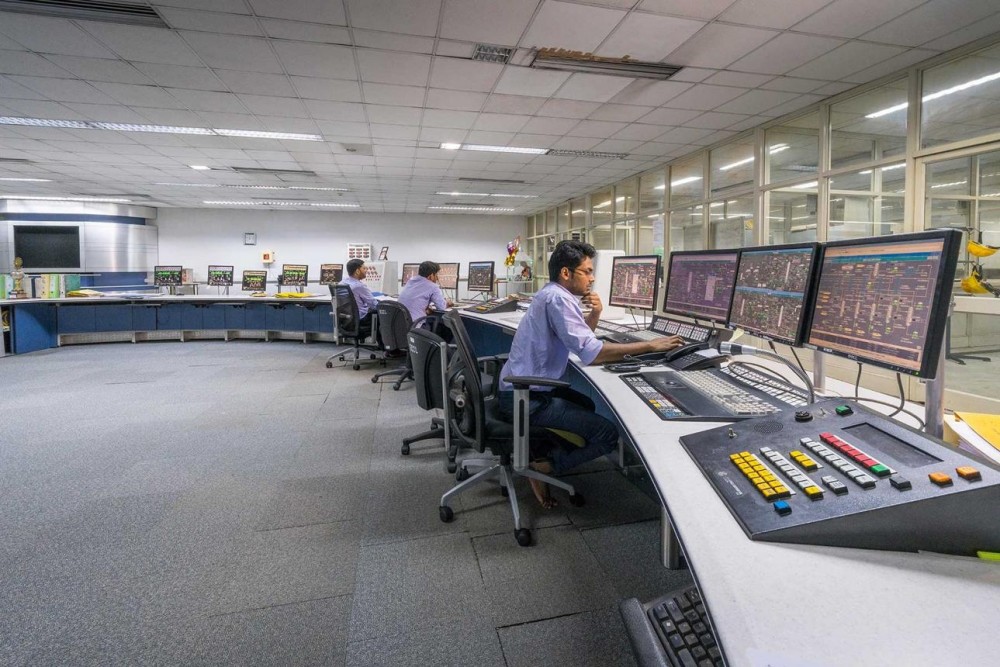
As one of the world’s leading technology companies in electrification and automation, ABB has played a significant role in enabling intelligent, efficient, and sustainable industrial operations. In a recent dialogue, Joachim Braun, Global President of ABB Process Industries, shared strategic insights into how ABB views China’s industrial transformation over a five-year horizon and beyond.
China as a Strategic Anchor in Global Industrial Transformation
According to Joachim Braun, China is no longer just a manufacturing base—it is a driver of next-generation industrial innovation. Over the past five years, industries such as chemicals, mining, pulp and paper, and metals have rapidly adopted digital technologies, reshaping traditional production models.
He emphasized that the evolution of process industries in China is characterized by three key trends: automation upgrade, energy efficiency optimization, and rapid adoption of industrial digital platforms. These trends are not only reshaping local production systems but also influencing global best practices in process automation.
For ABB, this transformation reinforces the importance of maintaining a long-term localized strategy in China, ensuring that global technologies are adapted to meet the specific needs of Chinese industrial users.
Five-Year Perspective: From Automation to Autonomous Operations
Looking ahead over the next five years, ABB sees a clear transition from conventional automation to increasingly autonomous industrial systems. This evolution is driven by advances in artificial intelligence, edge computing, and integrated control systems.
Joachim Braun highlighted that process industries are entering a new phase where data-driven decision-making becomes central to operational efficiency. Instead of isolated automation systems, factories are moving toward fully connected ecosystems where sensors, control systems, and enterprise platforms work seamlessly together.
This shift is particularly relevant for China’s industrial base, where large-scale production facilities are under pressure to improve productivity while reducing carbon emissions. ABB’s strategy focuses on delivering integrated solutions that combine electrification, automation, and digitalization to support this dual objective.
Sustainability and Energy Transition in Process Industries
Sustainability remains a core pillar of ABB’s global strategy. In China, the push toward carbon neutrality has accelerated investments in energy-efficient technologies and green manufacturing systems.
According to ABB’s process industry leadership, electrification and advanced automation play a crucial role in reducing industrial carbon footprints. By optimizing energy consumption and enabling real-time process monitoring, industrial operators can significantly improve efficiency while reducing emissions.
The company’s solutions in process control, electrification systems, and digital optimization tools are increasingly being deployed in heavy industries to support China’s long-term sustainability goals.
Localization and Long-Term Commitment in China
A key theme emphasized in the dialogue is ABB’s long-term commitment to localization in China. Over the past decades, ABB has built strong local R&D capabilities, manufacturing bases, and service networks across the country.
This localized ecosystem allows ABB to respond more quickly to industry-specific requirements while maintaining global technology standards. Joachim Braun noted that innovation in China is not only about adopting global technologies but also about co-developing solutions with local partners to address real industrial challenges.
This collaborative approach has become a defining factor in ABB’s success in the Chinese market, particularly in process industries where customization and reliability are critical.
Digitalization as the Core Growth Driver
Digital transformation remains at the core of ABB’s process industry strategy. The integration of industrial IoT, AI-driven analytics, and cloud-based control systems is reshaping how production plants operate.
ABB’s digital portfolio enables predictive maintenance, real-time optimization, and enhanced asset performance management. These capabilities are especially important for large-scale industrial operators in China, where operational efficiency directly impacts competitiveness.
Joachim Braun stressed that the future of process industries will depend on the ability to transform raw industrial data into actionable intelligence. This shift is expected to define the next wave of industrial productivity growth over the coming five years.
Conclusion: A Shared Path Toward Industrial Modernization
The dialogue with Joachim Braun highlights a clear message: China’s industrial transformation and ABB’s strategic evolution are deeply interconnected. Over the next five years, the convergence of automation, electrification, and digitalization will continue to redefine the process industries landscape.
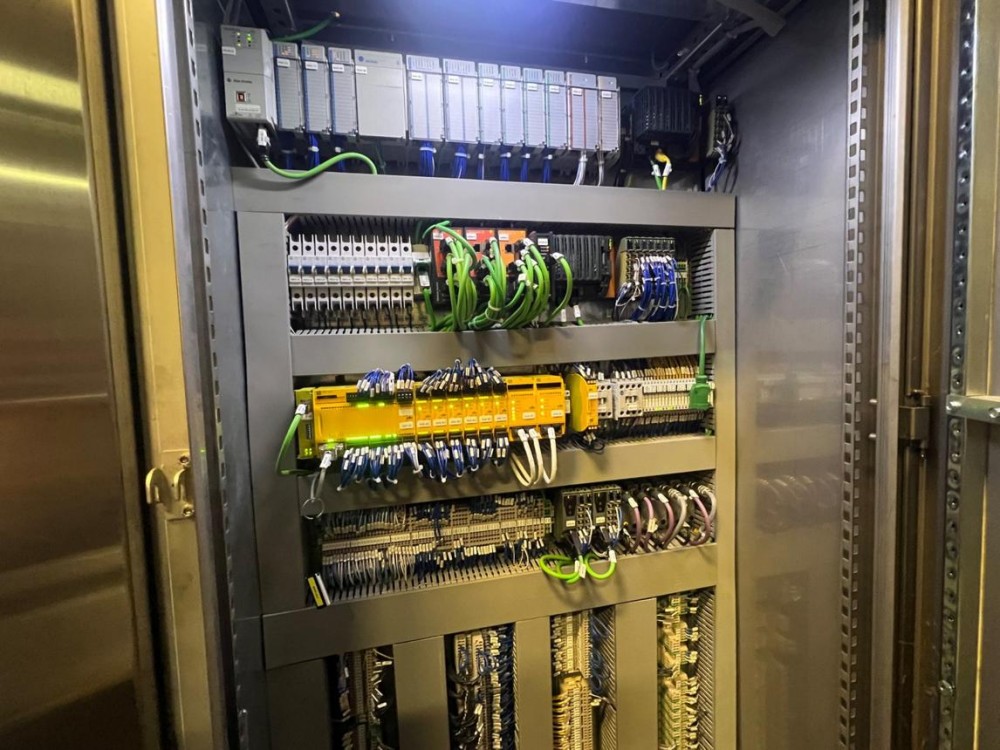
With a strong global foundation and deep local integration, ABB is positioned to play a pivotal role in supporting China’s journey toward smarter, greener, and more autonomous industrial systems.
As industrial transformation accelerates, the partnership between global technology leaders and China’s manufacturing ecosystem will remain a key driver of innovation in the global process industries sector.
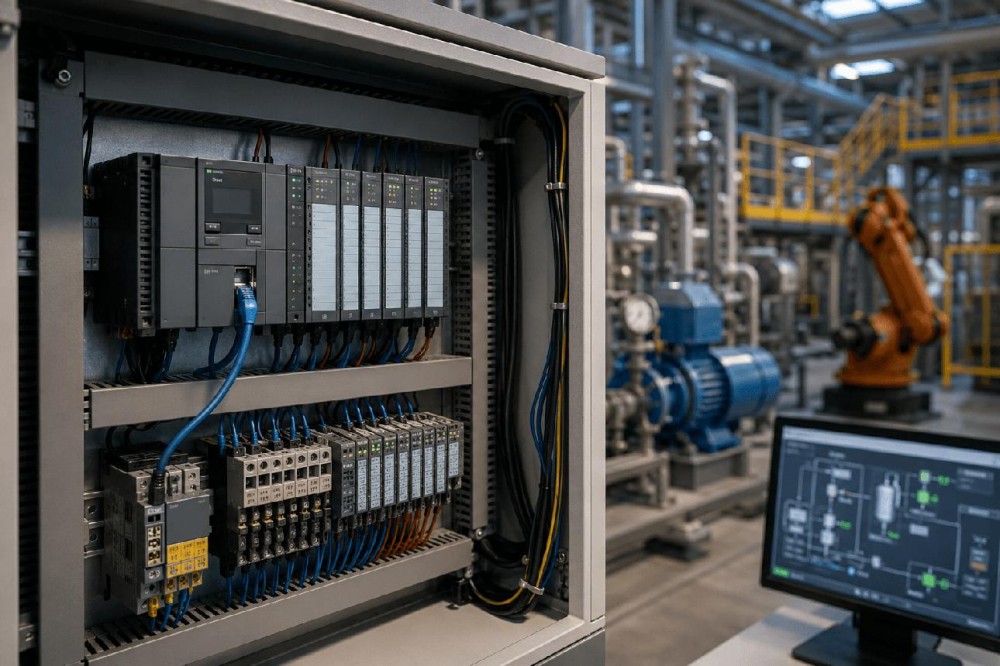 Rockwell Automation Introduces FactoryTalk Conductor: A New AI Platform For Industrial Automation
 Rockwell Automation Expands Industrial AI Capabilities With NVIDIA Nemotron Support
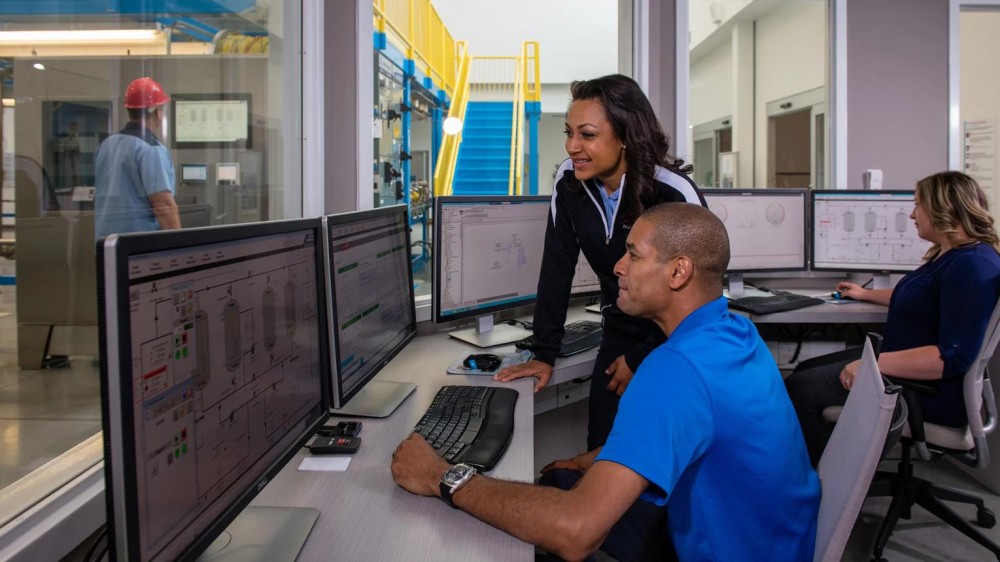 Rockwell Automation Introduces FactoryTalk Conductor To Advance AI-Driven Industrial Automation
 ABB And Boliden Advance DCS Modernization With Ethernet-APL Industrial Automation