100% Original, Ready to Ship!

Schneider Electric Accelerates Software-Defined Automation And DCS Modernization In 2026
Introduction
The global industrial automation market is undergoing a major transformation in 2026, driven by the rapid adoption of software-defined control systems, hybrid cloud integration, and AI-enabled process optimization. One of the key leaders in this transition is Schneider Electric, which continues to push forward the evolution of Distributed Control Systems (DCS) and industrial automation platforms.
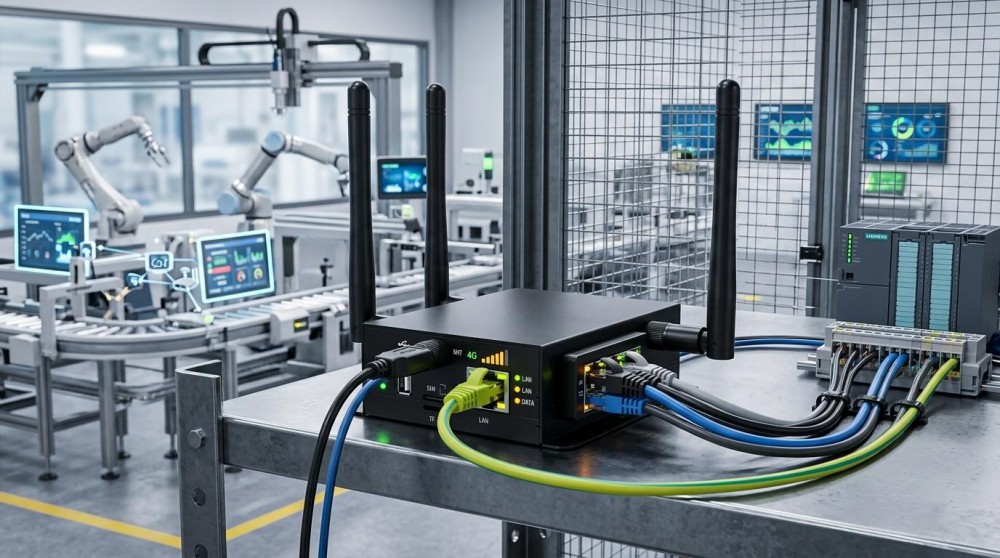
Recent developments highlight a clear industry shift: traditional hardware-centric PLC and DCS architectures are being replaced or extended by software-defined automation ecosystems that combine cloud computing, edge control, and real-time data intelligence.
Software-Defined DCS Becomes a Core Industry Direction
In early 2026, Schneider Electric introduced its new generation of open and software-defined automation systems designed to modernize legacy industrial environments without disrupting production lines. This approach allows industrial operators to gradually transition from traditional DCS architectures toward more flexible, modular systems.
The new automation model focuses on:
- Decoupling control software from hardware infrastructure
- Enabling hybrid cloud and edge computing integration
- Improving cybersecurity at system level
- Supporting incremental modernization of existing PLC/DCS installations
This evolution is particularly important for process industries such as oil & gas, chemicals, power generation, and water treatment, where downtime costs are extremely high.
Industry Impact on PLC and DCS Systems
The shift toward software-defined automation does not eliminate PLC or DCS systems but instead integrates them into a broader ecosystem. PLCs continue to handle deterministic real-time control, while higher-level orchestration and analytics are increasingly handled by edge and cloud platforms.
This hybrid model improves:
- Operational flexibility
- Predictive maintenance capability
- System scalability
- Data-driven decision-making
Manufacturers are now focusing on interoperability between legacy PLC systems and modern digital platforms.
Digital Transformation and Industrial Cloud Integration
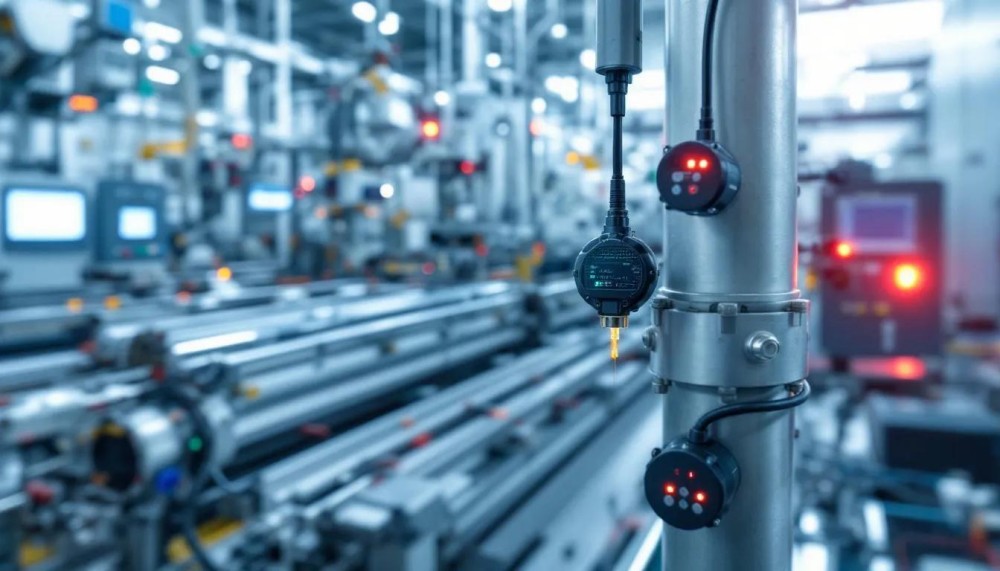
Another major trend is the integration of industrial automation with hybrid cloud infrastructure. Modern DCS platforms are increasingly designed to connect directly with enterprise IT systems, enabling real-time production visibility and AI-based optimization.
This convergence of OT (Operational Technology) and IT (Information Technology) is reshaping factory architecture worldwide.
Conclusion
The 2026 industrial automation landscape clearly shows a transition from traditional control systems toward software-defined, cloud-connected, and AI-enhanced automation environments. Companies like Schneider Electric are leading this transformation by modernizing DCS systems while maintaining compatibility with existing PLC infrastructure.
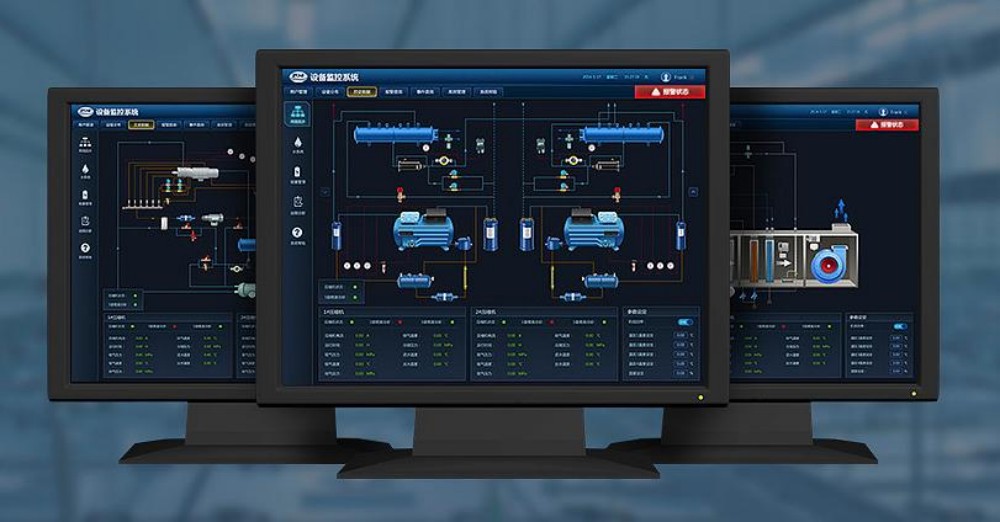 PLC And DCS Integration Becomes Key Technology Trend For Next Generation Industrial Automation Systems
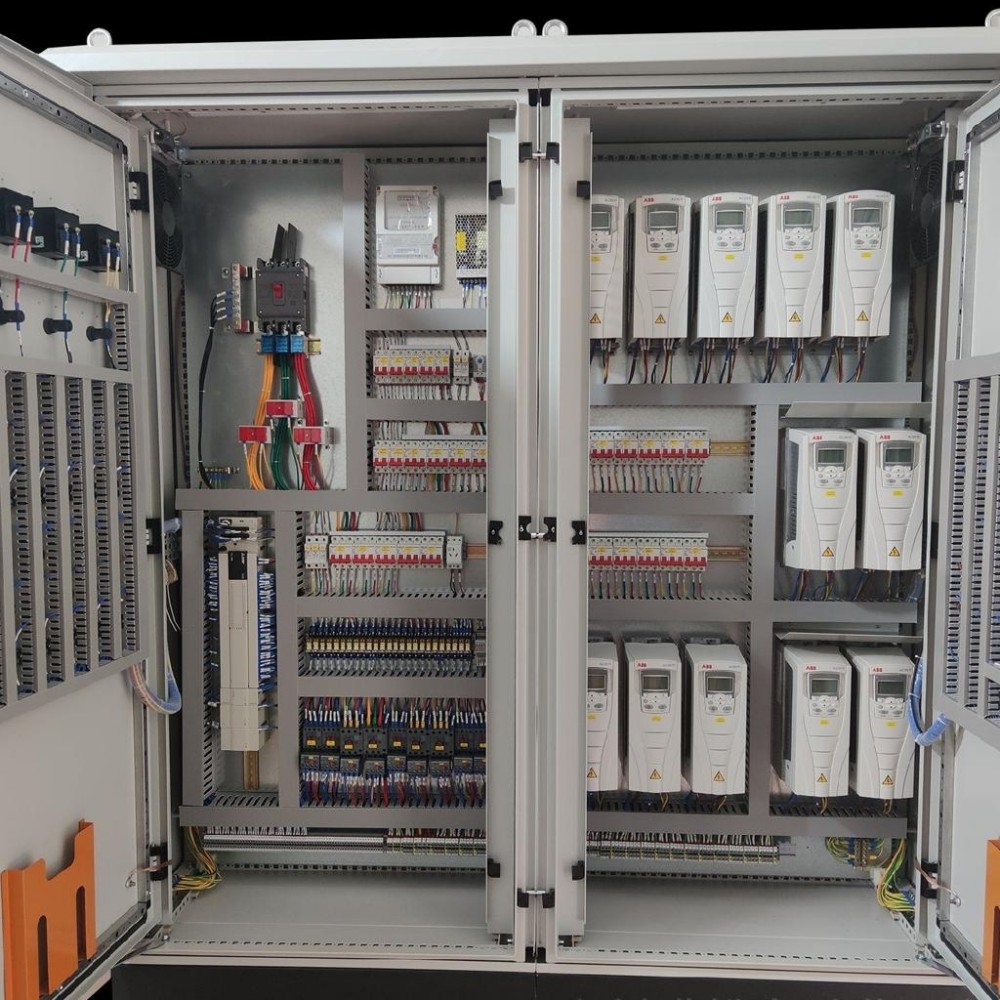 ABB Expands Industrial Automation Strategy With Advanced Electrification And Control Technology Development
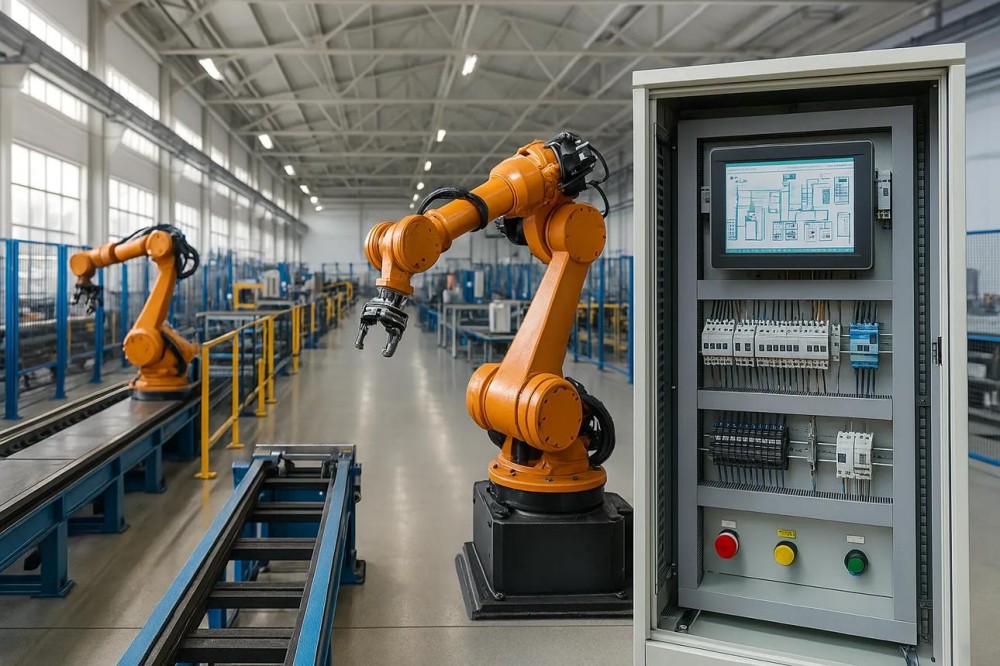 Industrial Automation Trends 2026: AI-Powered PLC And DCS Systems Accelerate Smart Factory Development
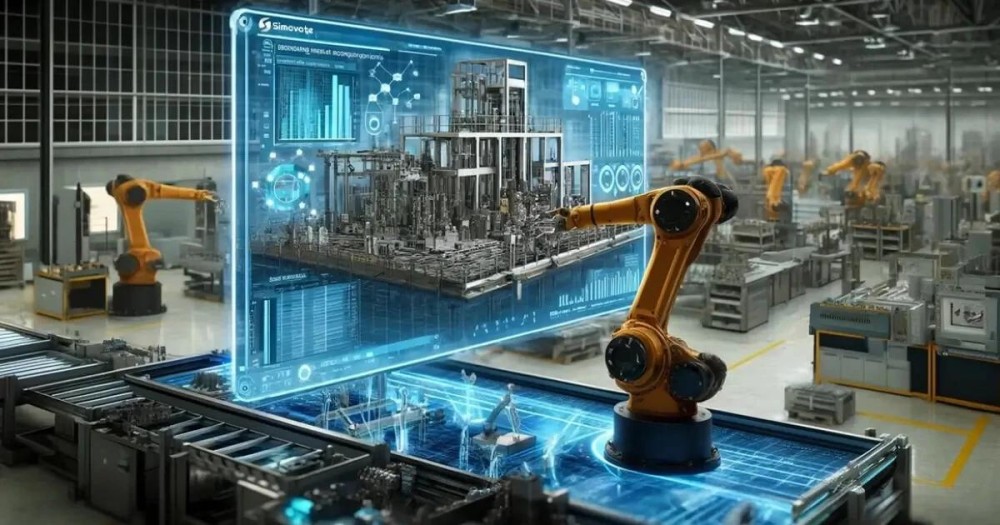 AI And Digital Twin Technologies Transform The Future Of Industrial Automation Systems