100% Original, Ready to Ship!

Schneider Electric Advances PLC Cybersecurity And Digital Automation For Water Utilities
Schneider Electric has announced new industrial automation and cybersecurity developments for water and wastewater operations, highlighting updated Modicon programmable logic controller (PLC) capabilities and digital technologies designed to improve the resilience of critical infrastructure.
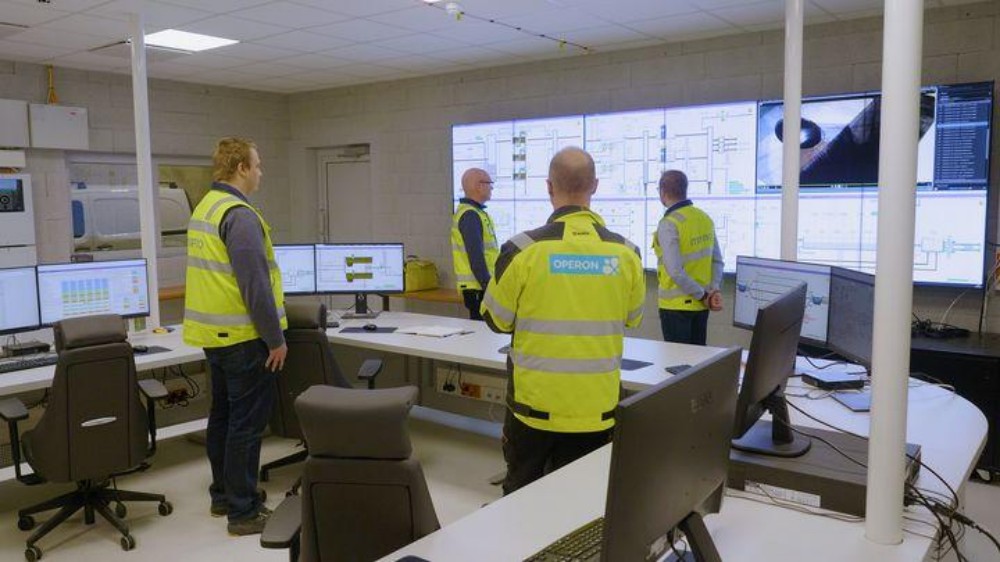
The company presented these technologies at WEFTEC 2026, held in New Orleans from September 26 to 30. Water utilities face growing challenges, including aging infrastructure, water scarcity, rising energy costs, workforce constraints, and increasing cybersecurity risks. These pressures are encouraging operators to modernize control systems while maintaining reliable water treatment and distribution services.
A key element of Schneider Electric’s announcement is an updated Modicon PLC release designed to strengthen cybersecurity across industrial automation architectures. The release includes encrypted firmware, network authentication, and role-based access control. Schneider Electric states that the enhancements are certified to IEC 62443-3-3 Security Level 2 requirements.
These capabilities are relevant to facilities using industrial controllers, communication modules, Ethernet switches, and distributed I/O systems. In water treatment plants, PLCs frequently coordinate pumps, valves, chemical dosing equipment, filtration processes, and alarm handling. Protecting these control components helps operators reduce exposure to unauthorized access and improve the management of industrial networks.
The company also highlighted its Modicon M580 CPUs, related communication cards, Modicon Ethernet switches, and Modicon Edge I/O NTS distributed I/O platform. These components can form part of a broader control architecture for monitoring and managing distributed equipment across industrial sites.
Beyond controller hardware, Schneider Electric presented EcoStruxure Automation Expert, which supports open, software-defined automation, as well as EcoStruxure Water Advisor for connected water-management data and predictive analytics. The company also highlighted TeSys Tera motor protection and monitoring technology and Altivar Process ATV680 drives for fluid-handling applications such as pumping, aeration, and dosing.
Integrating these technologies can help water utilities improve equipment visibility and identify operating problems earlier. For example, monitoring pump performance, motor conditions, process measurements, and energy consumption can support maintenance planning and operational optimization. Actual results depend on equipment configuration, instrumentation quality, system integration, and operating conditions.
Modernization does not necessarily require replacing every existing controller or field device. A carefully planned project can begin with a cybersecurity assessment, followed by prioritized upgrades to network access controls, controller firmware, communication infrastructure, and supervisory monitoring.
For industrial automation engineers and system integrators, Schneider Electric’s announcement underscores the close relationship between PLC reliability, industrial cybersecurity, and infrastructure resilience. Water and wastewater facilities increasingly need control systems that combine dependable real-time operation with stronger security and improved data visibility.
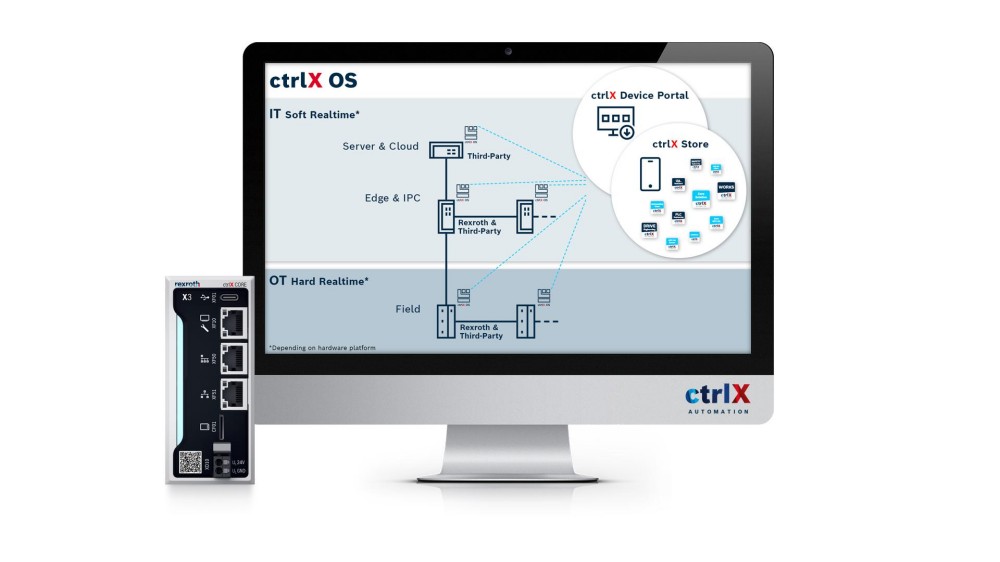
For automation suppliers, these requirements may support demand for PLCs, communication modules, industrial Ethernet switches, distributed I/O, drives, and control-system modernization services.
 Rockwell Automation Expands Industrial AI Capabilities With NVIDIA Nemotron Support
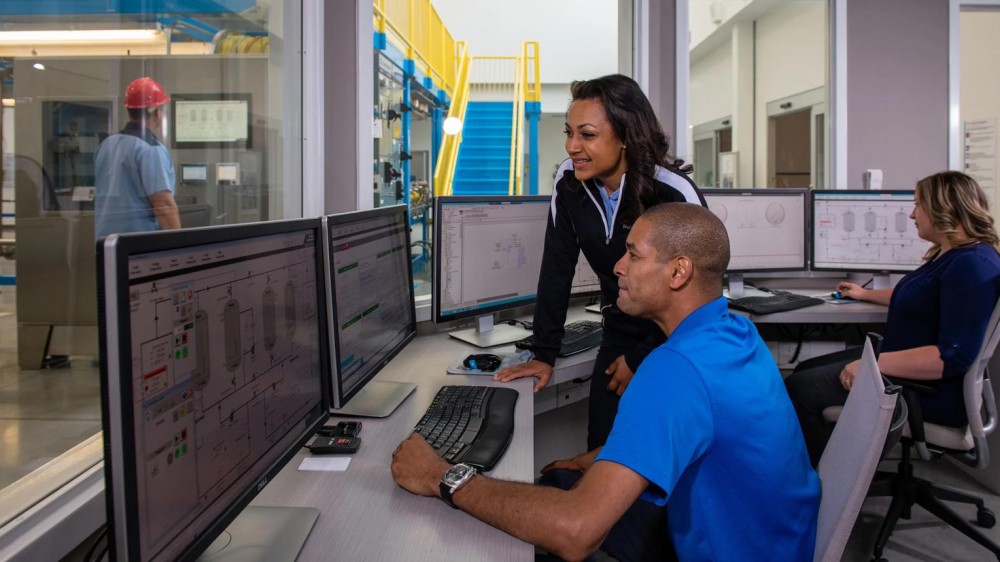 Rockwell Automation Introduces FactoryTalk Conductor To Advance AI-Driven Industrial Automation
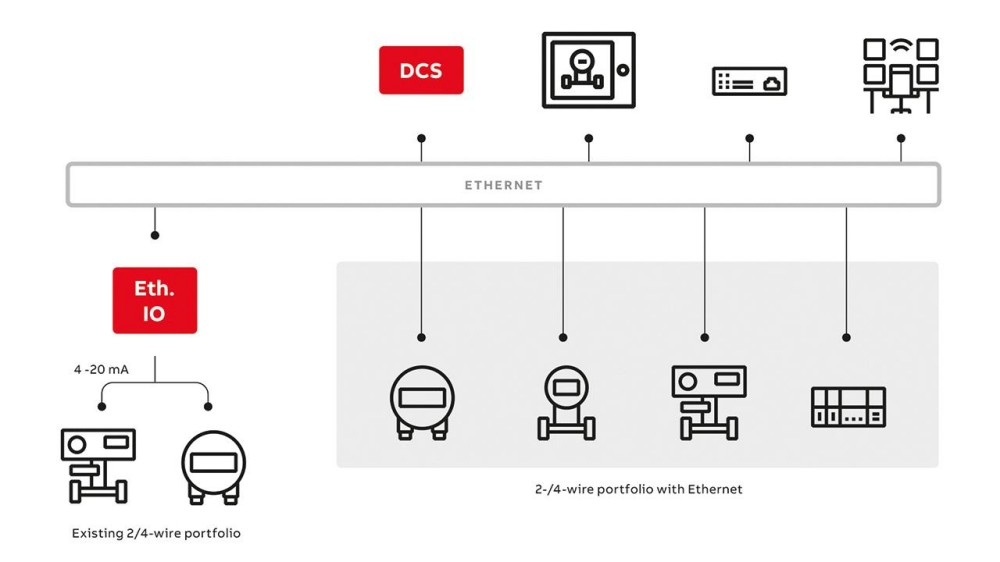 ABB And Boliden Advance DCS Modernization With Ethernet-APL Industrial Automation
 Bosch Rexroth Expands ctrlX AUTOMATION With New Safety PLC, Drive And Software Features