100% Original, Ready to Ship!

Siemens And NVIDIA Expand Industrial AI Partnership To Accelerate Smart Factory Automation And Digital Transformation
The global industrial automation industry is entering a new stage of intelligent manufacturing as artificial intelligence, digital twins, and advanced control technologies become deeply integrated into factory operations. Siemens and NVIDIA are expanding cooperation in Industrial AI technologies to accelerate the development of smarter manufacturing systems, improve engineering efficiency, and support digital transformation across industries.
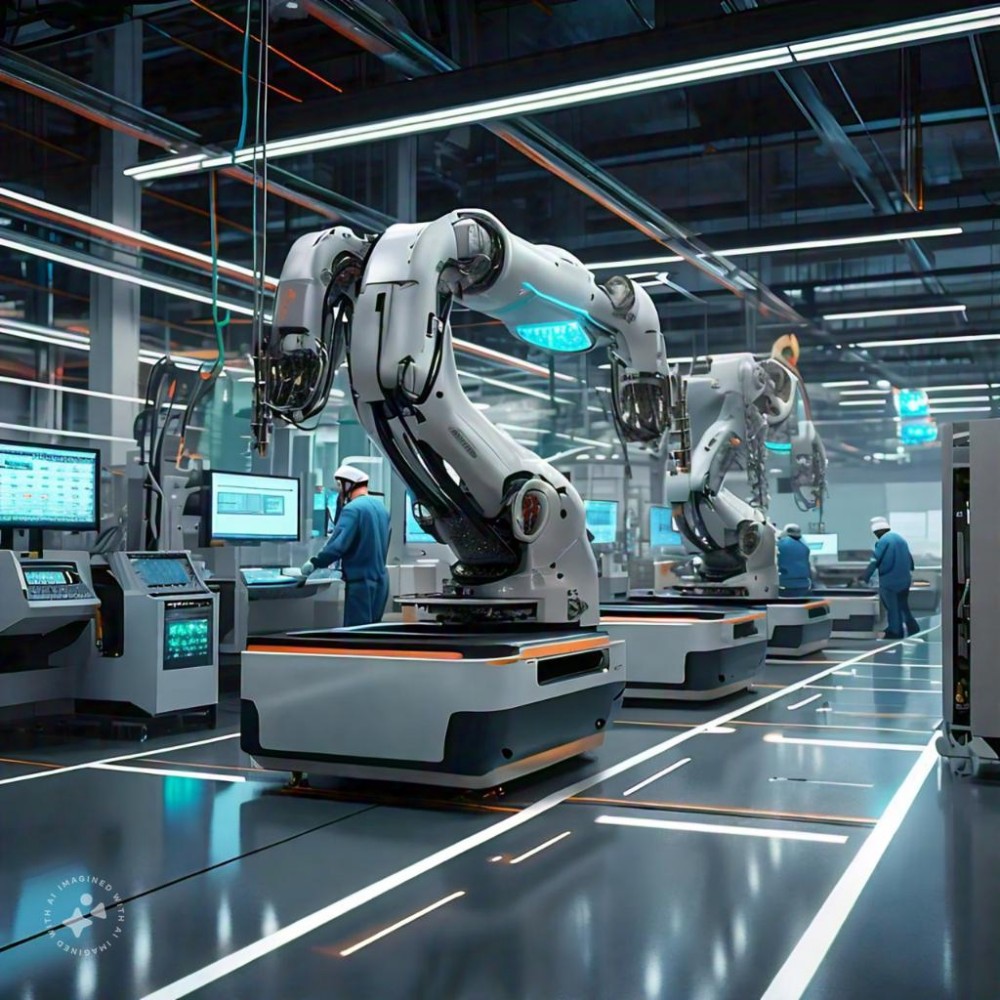
The integration of industrial automation expertise and artificial intelligence computing technology is expected to reshape traditional production environments. By introducing AI capabilities into automation systems, manufacturers can achieve improved process optimization, predictive maintenance, and more intelligent production management.
For PLC and DCS system users, Industrial AI represents a major development direction for future control architectures. Traditional PLC controllers mainly execute programmed logic and sequential operations, while modern automation platforms are evolving toward intelligent analysis, real-time optimization, and AI-assisted decision-making.
Digital twin technology is becoming a key element in smart manufacturing. By creating virtual models of machines, production lines, and industrial processes, engineers can simulate operations, analyze performance, and optimize systems before making physical adjustments. This helps reduce commissioning time, improve reliability, and increase production efficiency.
AI-based industrial automation solutions can collect and analyze large amounts of operational data from PLC systems, sensors, SCADA platforms, and DCS control networks. Through advanced data processing, manufacturers can identify abnormal operating conditions, predict equipment failures, and reduce unexpected production interruptions.
The development of Industrial AI also highlights the importance of integrated automation ecosystems. Modern industrial solutions are no longer limited to hardware components such as PLC modules, industrial controllers, and I/O systems. Instead, they combine automation hardware, engineering software, cloud connectivity, cybersecurity, and intelligent analytics.
Industries including automotive manufacturing, energy, chemical processing, pharmaceutical production, and semiconductor industries are actively adopting intelligent automation technologies. These solutions help companies improve productivity while building more flexible and sustainable manufacturing environments.
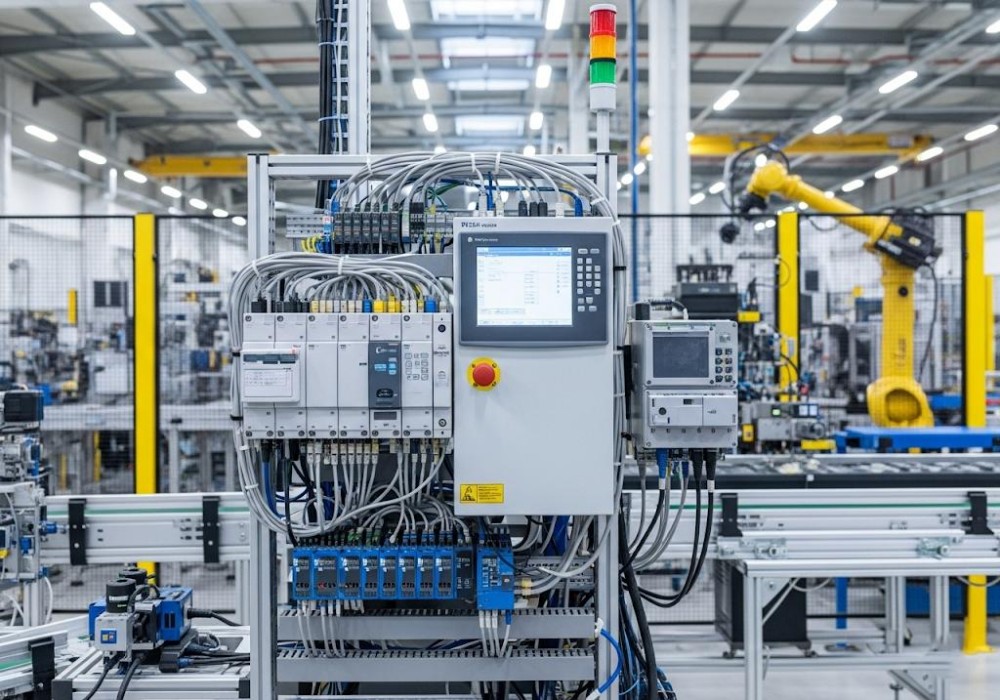
The future of industrial automation will continue moving toward intelligent, connected, and autonomous factories. PLC, DCS, robotics, artificial intelligence, and digital twin technologies will work together to create the next generation of smart manufacturing systems.
For automation engineers, system integrators, and industrial equipment suppliers, understanding these technology trends is essential for developing reliable and future-ready automation solutions.
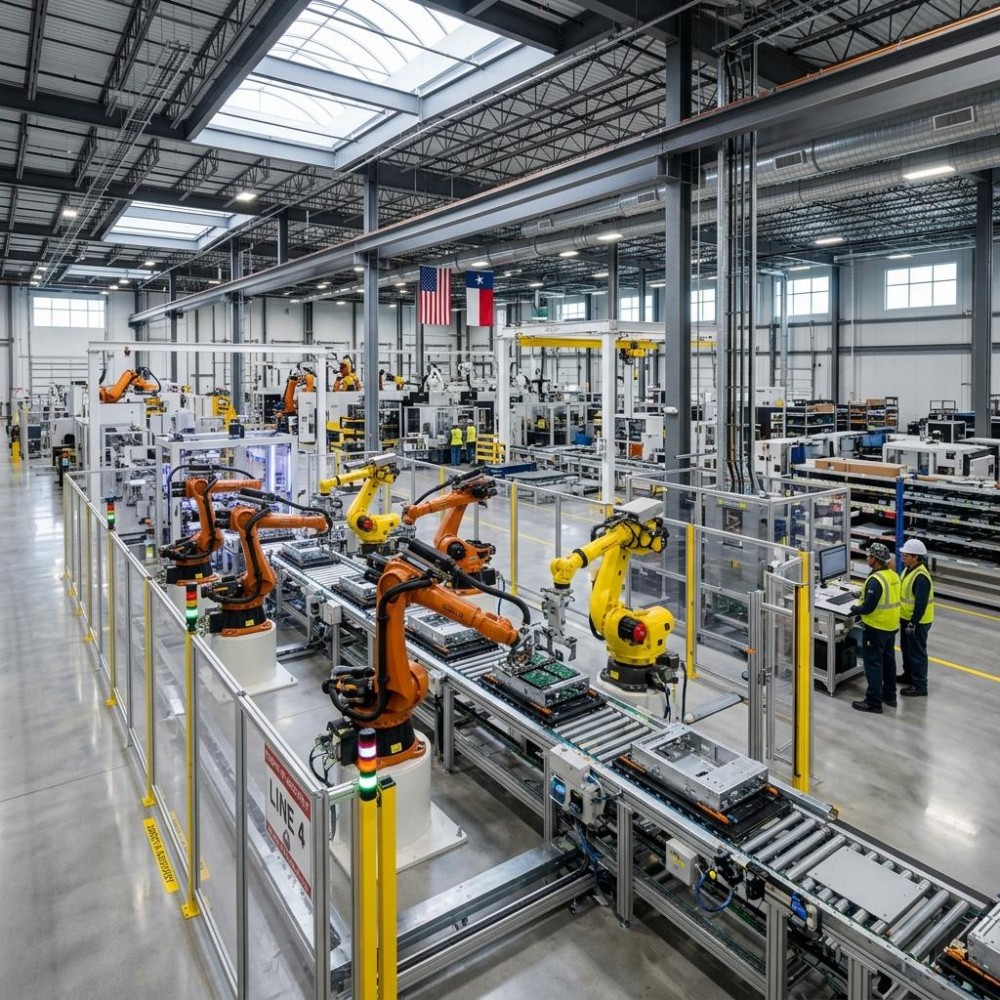 U.S. Industrial Robot Installations Rise 11% As Flexible Automation Expands
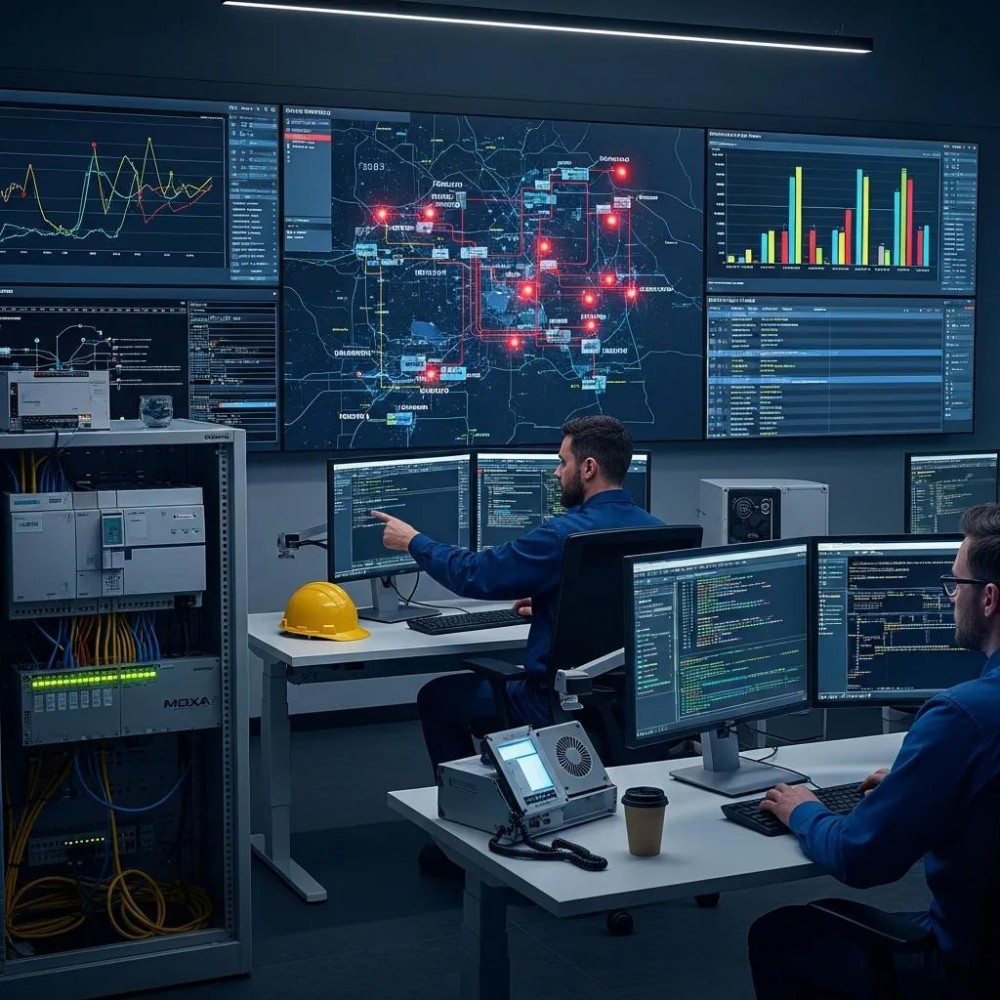 Siemens S7 PLC Cybersecurity Warning Highlights Growing OT Security Risks
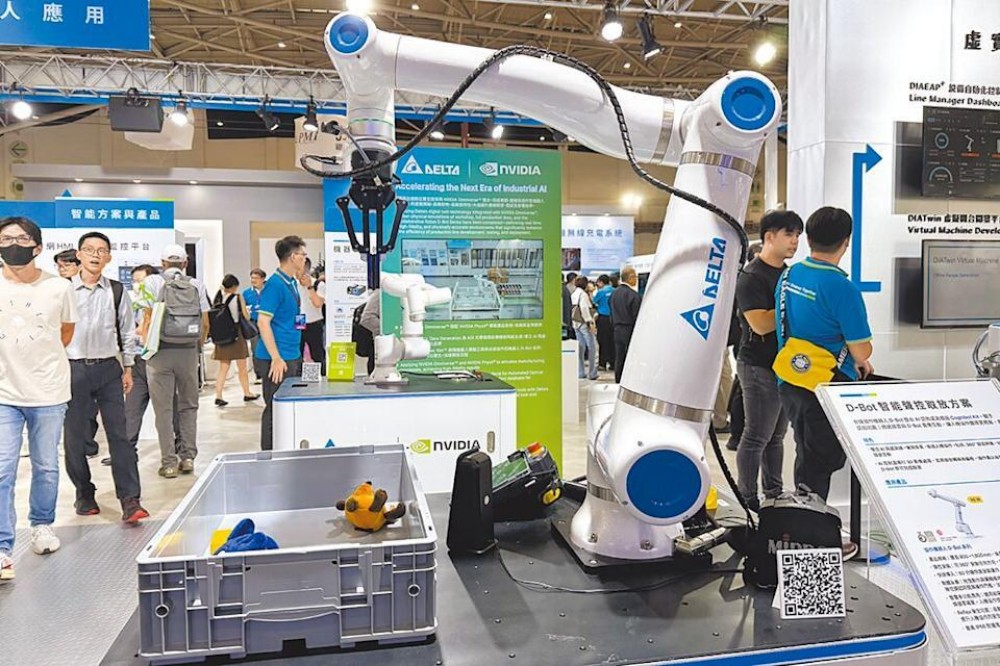 Delta’s Embodied AI And Digital Twins Signal A New Era For Industrial Automation
 Schneider Electric Advances Software-Defined Automation For PLC And DCS Modernization