100% Original, Ready to Ship!

Siemens Expands Industrial AI Integration To Next-Generation PLC And DCS Systems In 2026
In 2026, industrial automation continues to shift toward intelligent, software-defined control systems, with major technology providers accelerating the integration of Artificial Intelligence (AI) into Programmable Logic Controllers (PLC) and Distributed Control Systems (DCS). One of the most significant developments is the expansion of AI-assisted engineering tools and real-time decision-making systems across industrial environments.
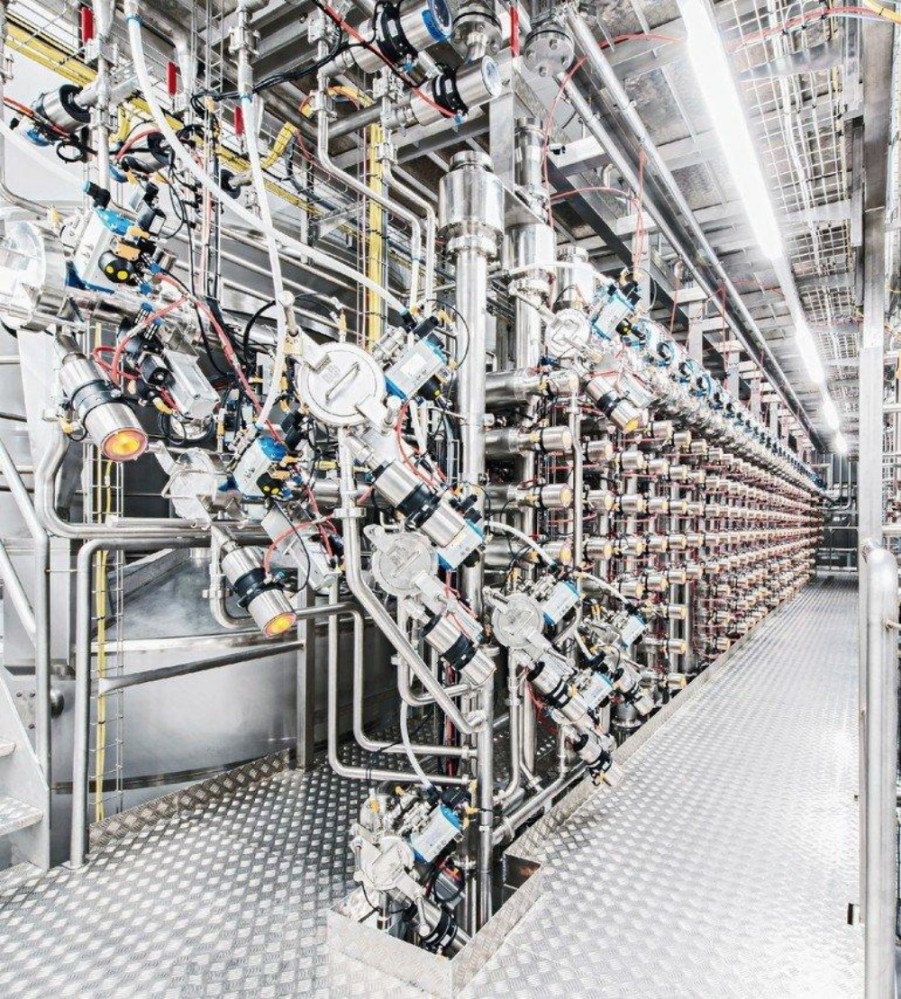
Siemens has been at the forefront of this transformation, embedding industrial AI capabilities into its automation ecosystem, including PLC programming environments, industrial edge devices, and DCS platforms used in process industries such as chemicals, oil & gas, and power generation.
The core objective of this evolution is to move beyond traditional rule-based automation toward adaptive systems that can analyze production data, predict failures, and optimize processes without constant human intervention. This is particularly important for industries that rely on continuous production and high system reliability.
AI-Driven PLC Programming and Automation Logic Optimization
Modern PLC systems are no longer limited to simple ladder logic execution. Instead, they are increasingly supported by AI-based engineering assistants that help automate code generation, fault detection, and system optimization.
Engineers can now use AI tools to translate process requirements into PLC logic faster than traditional manual programming. This reduces engineering workload and improves consistency across large-scale industrial projects.
AI-assisted PLC systems also improve troubleshooting by analyzing historical runtime data and detecting anomalies before they result in system failure. This predictive capability is becoming a key requirement in smart factories.
DCS Evolution Toward Autonomous Process Control
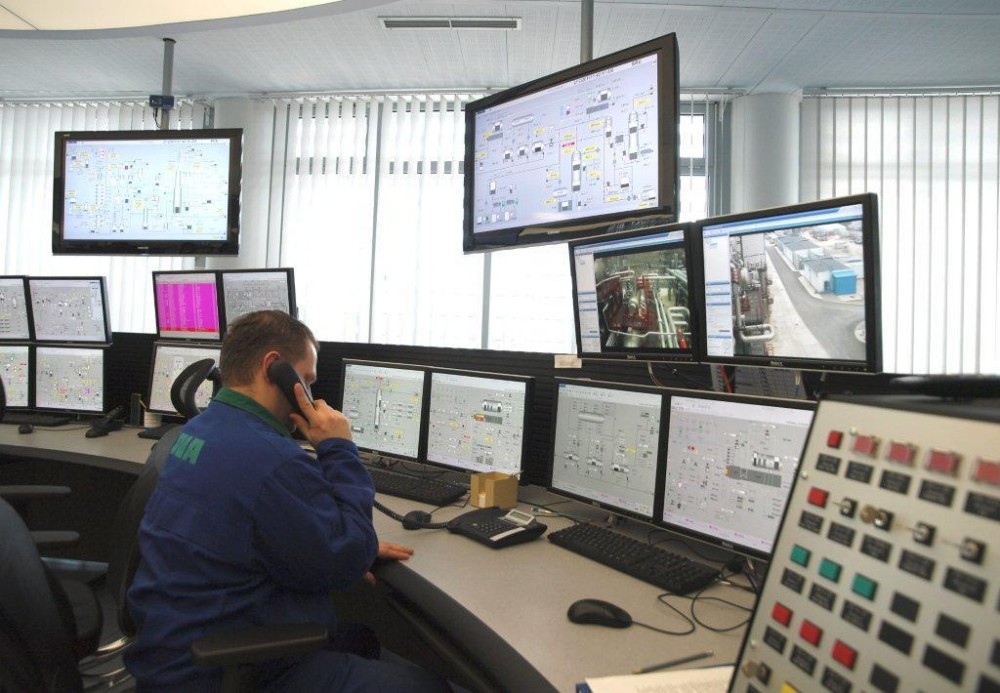
Distributed Control Systems (DCS) are also undergoing major upgrades. Traditionally used in large-scale process industries, DCS platforms are evolving into highly integrated digital control environments.
Modern DCS architectures now integrate edge computing nodes, cloud analytics, and AI-based optimization engines. These enhancements allow process plants to adjust operating parameters dynamically based on real-time conditions such as temperature, pressure, and energy consumption.
This shift is especially important in industries like petrochemicals and power generation, where small efficiency improvements can lead to significant cost savings.
Edge Computing Becomes the Core of Industrial Automation
One of the most important trends supporting AI-driven PLC and DCS systems is edge computing. Instead of sending all data to centralized cloud servers, industrial systems now process data locally at the machine or controller level.
This reduces latency, improves system reliability, and enables real-time decision-making in mission-critical environments.
Edge-enabled PLCs can now perform tasks such as:
- Real-time quality inspection
- Predictive maintenance alerts
- Energy optimization
- Machine self-diagnostics
Impact on Global Manufacturing Industry
The integration of AI and edge computing into industrial automation systems is reshaping global manufacturing. Factories are becoming more autonomous, flexible, and efficient.
Key benefits include:
- Reduced downtime through predictive maintenance
- Lower operational costs via optimized energy usage
- Faster production changeovers
- Improved product quality consistency
- Enhanced cybersecurity through localized data processing
As a result, manufacturers adopting AI-enabled PLC and DCS systems are gaining significant competitive advantages.
Conclusion
The convergence of AI, PLC, DCS, and IIoT technologies marks a new era in industrial automation. In 2026, the focus is no longer just on automation, but on autonomous industrial intelligence systems capable of self-optimization and real-time adaptation.
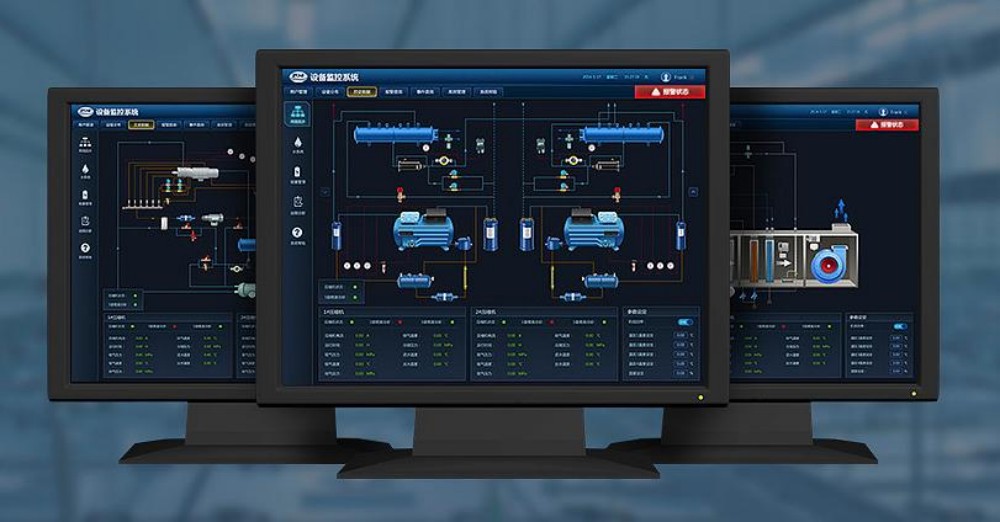 PLC And DCS Integration Becomes Key Technology Trend For Next Generation Industrial Automation Systems
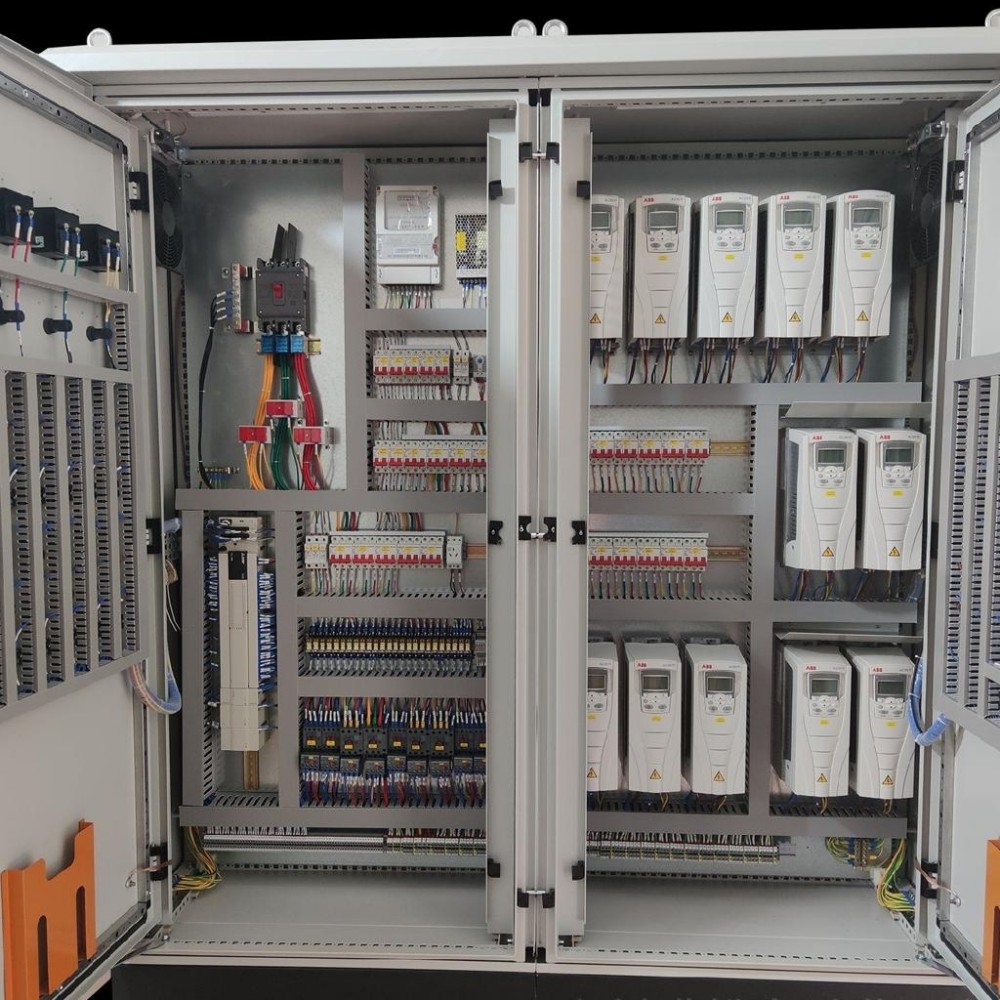 ABB Expands Industrial Automation Strategy With Advanced Electrification And Control Technology Development
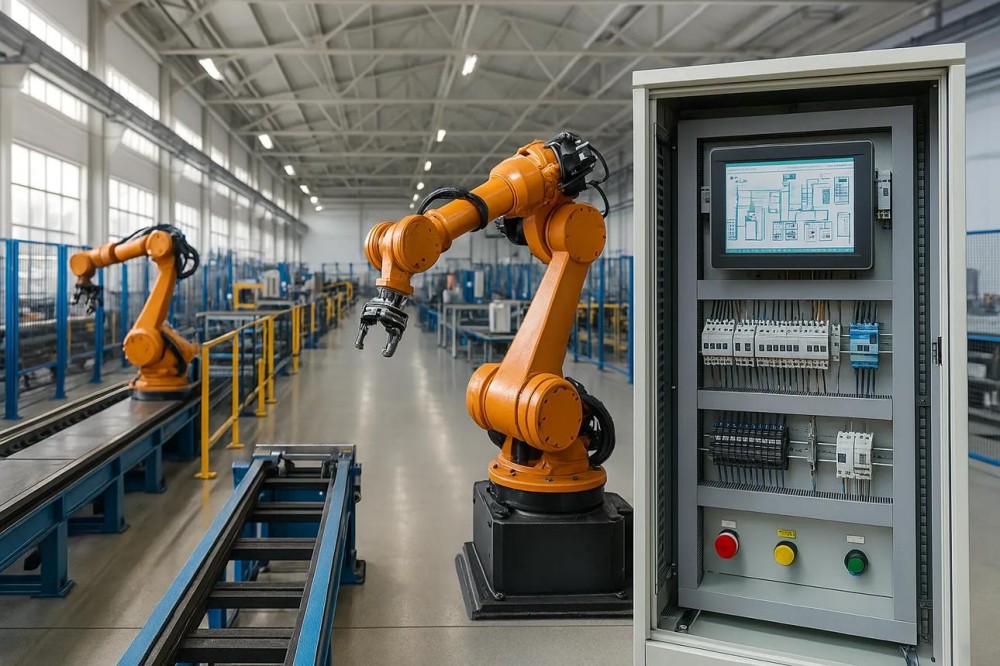 Industrial Automation Trends 2026: AI-Powered PLC And DCS Systems Accelerate Smart Factory Development
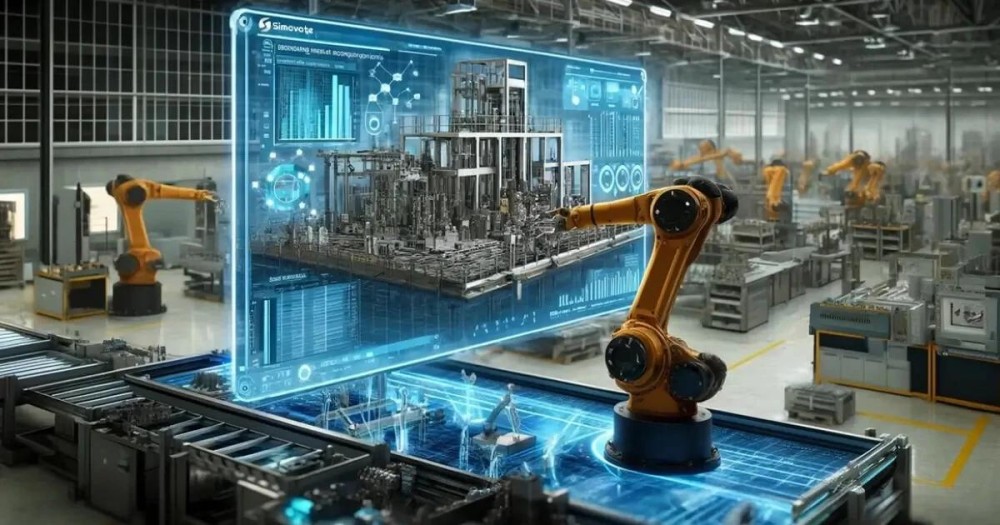 AI And Digital Twin Technologies Transform The Future Of Industrial Automation Systems