100% Original, Ready to Ship!

Siemens Industrial Automation Advances With AI-Powered Smart Manufacturing Solutions For Digital Factories
The global manufacturing industry is entering a new stage of digital transformation as artificial intelligence, industrial software, and automation technologies continue to reshape modern production environments. Siemens is expanding its industrial automation solutions by integrating AI technologies, digital twin systems, and intelligent engineering platforms to help manufacturers develop more efficient and flexible smart factories.
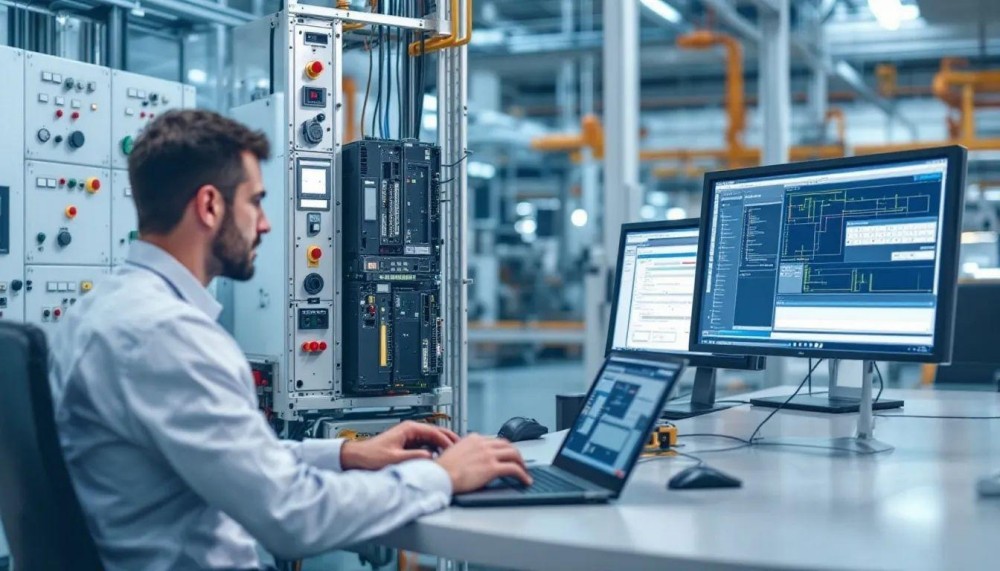
Traditional automation systems based on PLC controllers, industrial networks, and SCADA platforms are evolving toward intelligent automation architectures. Modern factories are no longer focused only on automatic control but also on real-time data analysis, predictive maintenance, and production optimization.
One of the most important trends in industrial automation is the combination of PLC systems with artificial intelligence and industrial data platforms. By collecting operating information from machines, sensors, and control devices, manufacturers can analyze equipment conditions, identify potential problems, and improve production reliability.
Digital twin technology is also becoming a key solution in Industry 4.0 manufacturing. Engineers can create virtual models of machines and production processes, allowing them to simulate operations, test automation programs, and optimize system performance before implementing changes in real production environments.
For automation engineers and system integrators, the development of intelligent manufacturing technologies creates new opportunities. PLC programming, DCS configuration, industrial communication, and machine monitoring are becoming increasingly connected with software-based solutions. Future automation projects will require knowledge of both industrial hardware and digital technologies.
The demand for advanced automation solutions continues to increase in industries including automotive manufacturing, semiconductor production, pharmaceuticals, energy, and process industries. Manufacturers are investing in intelligent control systems to improve productivity, reduce operational costs, and achieve more stable production performance.
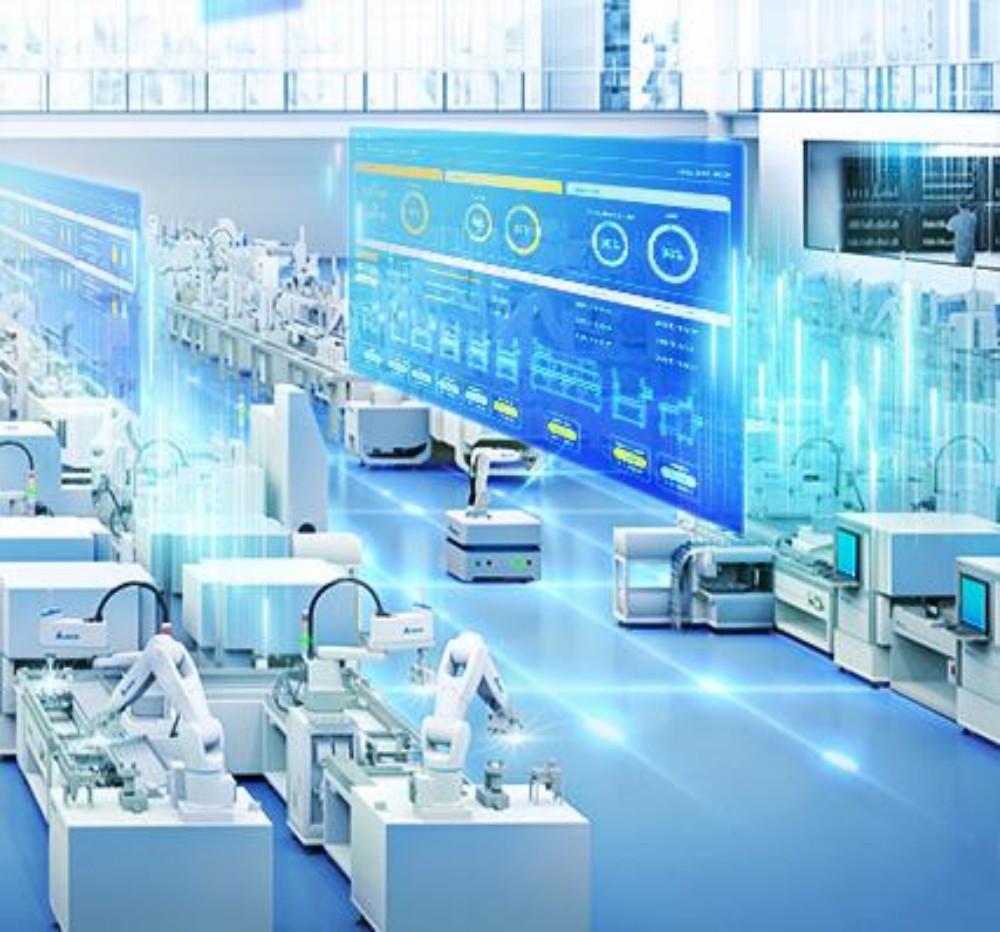
For global automation suppliers, products such as PLC modules, DCS components, industrial controllers, communication modules, and industrial sensors remain essential for factory modernization. Many companies are upgrading existing automation systems, creating strong demand for reliable industrial components and replacement parts.
The future of industrial automation will be driven by the integration of control systems, artificial intelligence, and industrial data technologies. Smart factories based on intelligent automation will provide manufacturers with higher efficiency, improved quality, and stronger competitiveness in the global market.
 Schneider Electric Advances Software-Defined Automation For PLC And DCS Modernization
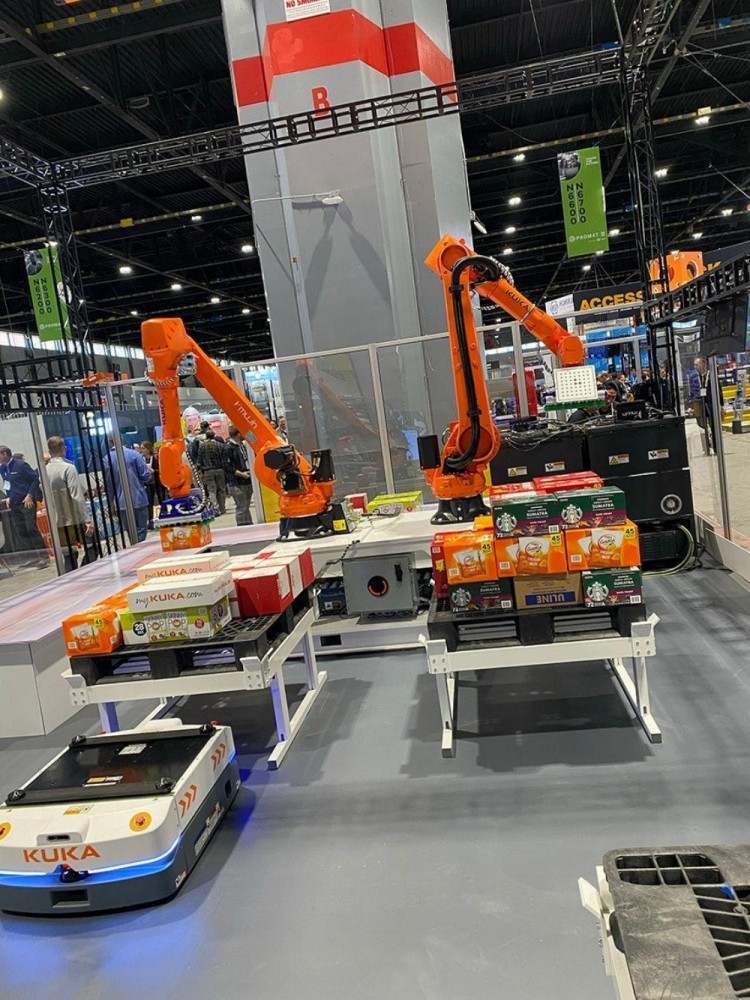 KUKA Robotics Brings Advanced Packaging Automation To PACK EXPO 2026
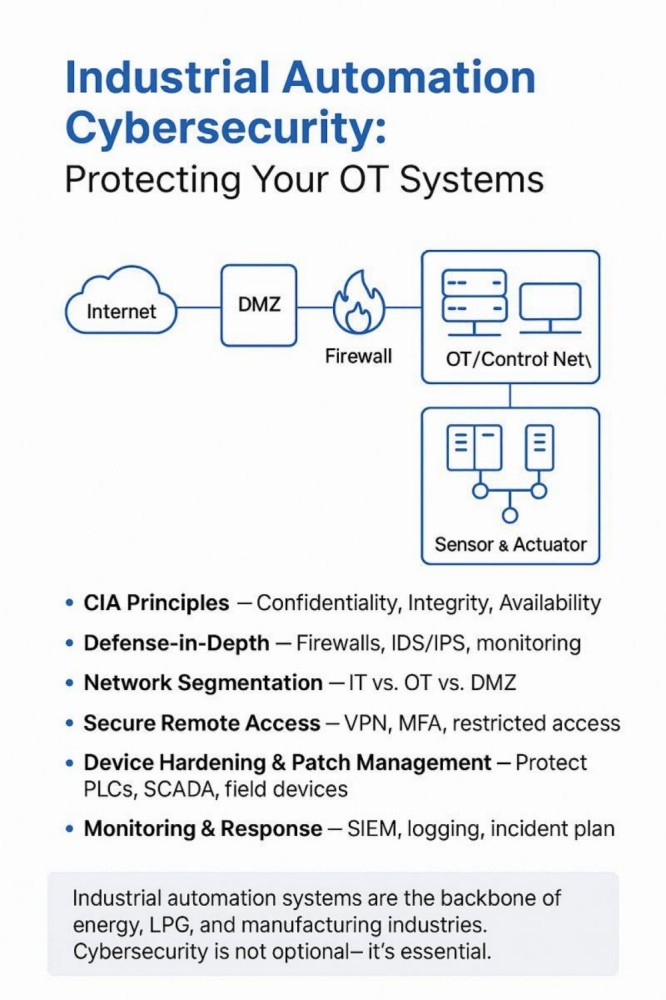 Siemens S7 PLC Cybersecurity Alert Highlights Growing Risks In Industrial Automation
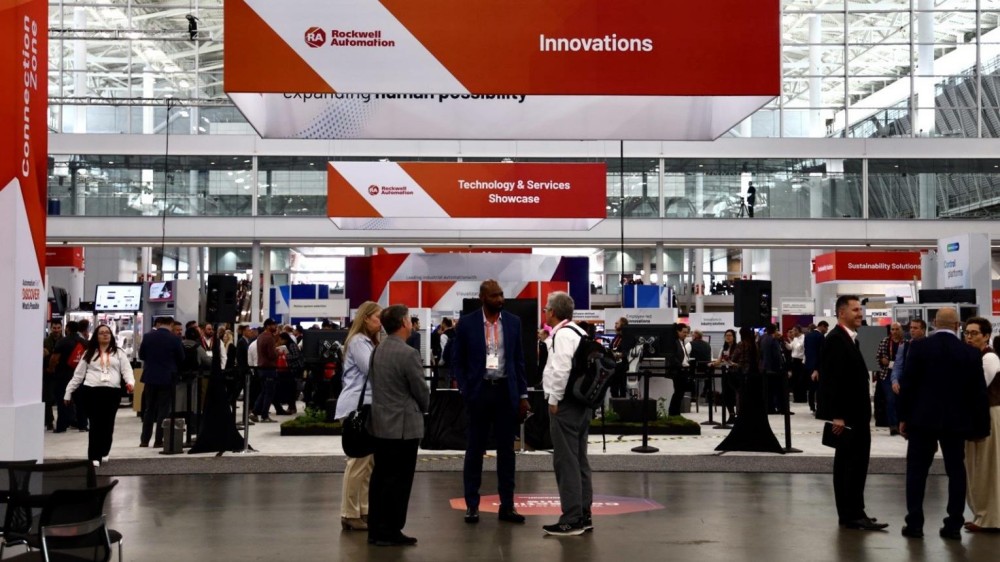 Rockwell Automation Opens Registration For Automation Fair 2026 In Boston