100% Original, Ready to Ship!

Edge Computing And IIoT Drive The Next Wave Of Smart Factory Automation In 2026
The global industrial automation industry is experiencing a rapid transformation driven by Industrial Internet of Things (IIoT), edge computing, and intelligent control systems. In 2026, manufacturers are increasingly adopting connected production systems that integrate PLCs, sensors, SCADA platforms, and cloud analytics into unified digital ecosystems.
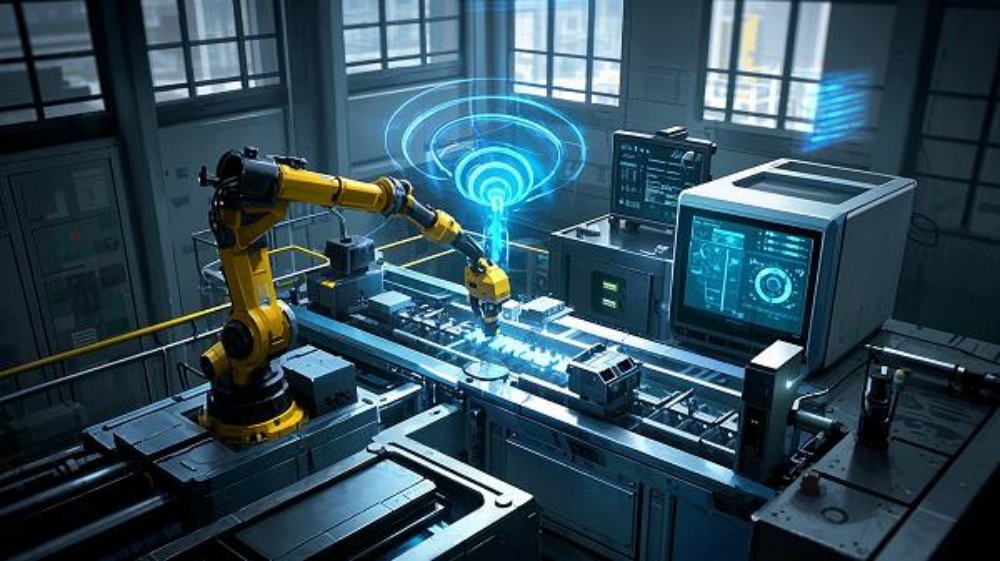
This shift is enabling factories to become more data-driven, efficient, and resilient against supply chain disruptions and operational risks.
IIoT Becomes the Backbone of Smart Manufacturing
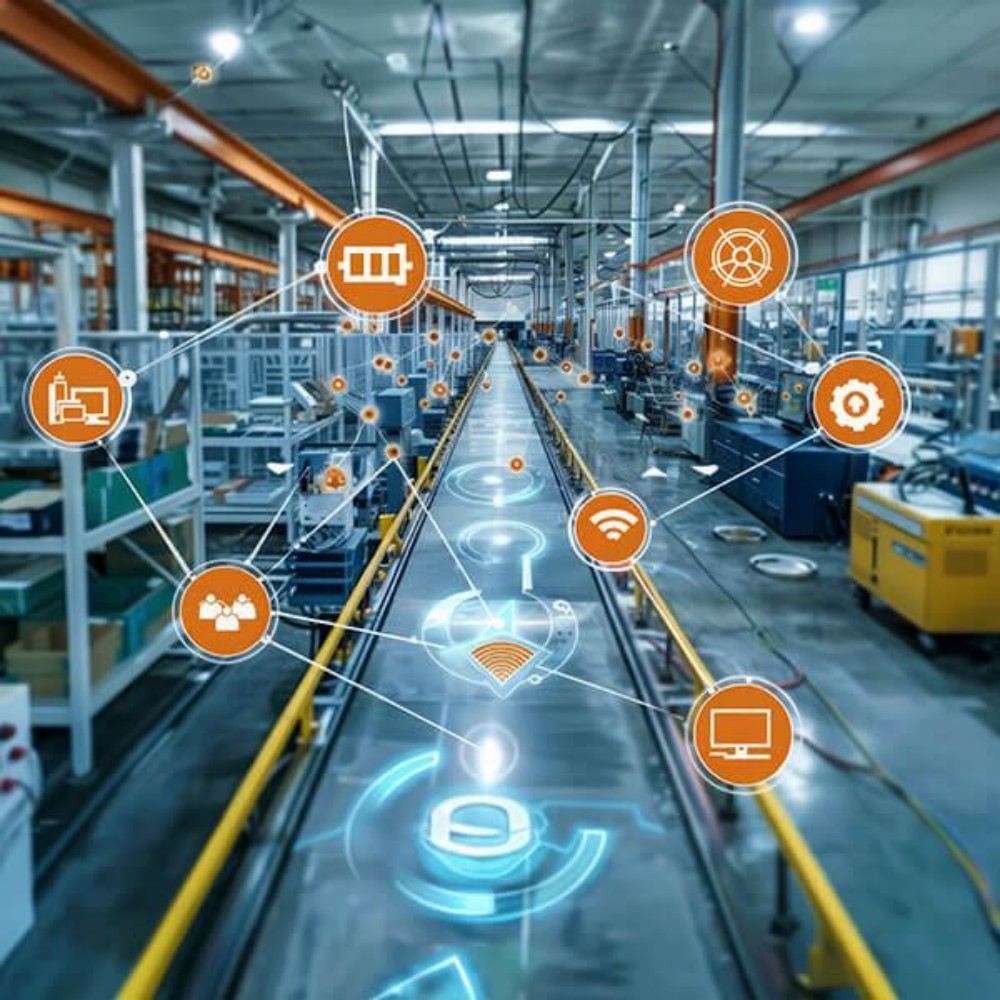
The Industrial Internet of Things (IIoT) connects physical industrial devices such as sensors, actuators, PLCs, and controllers into a unified communication network.
These interconnected systems allow continuous data collection from production lines, enabling real-time monitoring of:
- Machine performance
- Production efficiency
- Energy consumption
- Equipment health
The collected data is then analyzed to optimize production processes and reduce operational waste.
PLC Systems Evolve into Connected Edge Controllers
Traditional PLC systems were designed for isolated control tasks. However, modern PLC architectures now function as intelligent edge devices capable of communication with cloud platforms and industrial data systems.
These advanced PLCs support:
- MQTT and OPC UA communication protocols
- Real-time analytics integration
- Remote programming and diagnostics
- Cybersecurity-enhanced architecture
This evolution allows PLCs to become central nodes in smart factory networks.
Edge Computing Reduces Latency and Improves Reliability
One of the biggest challenges in industrial automation is latency in data processing. Cloud-only systems are often too slow for real-time control applications.
Edge computing solves this issue by processing data locally within industrial gateways or PLC systems.
Benefits include:
- Faster decision-making
- Reduced network dependency
- Improved system uptime
- Enhanced security
Edge computing is especially important in high-speed manufacturing environments such as automotive production and semiconductor fabrication.
Digital Twin Technology Enhances Industrial Optimization
Digital twin technology is increasingly integrated into IIoT systems, enabling real-time simulation of physical assets.
Manufacturers can simulate production scenarios, predict failures, and optimize system configurations before implementing changes in real-world operations.
This reduces downtime and improves engineering efficiency.
Industrial Cybersecurity Becomes a Critical Priority
As connectivity increases, cybersecurity risks also grow. Industrial automation systems are now common targets for cyber threats.
To address this, companies are implementing:
- Network segmentation
- Secure PLC communication protocols
- Real-time intrusion detection systems
- Encrypted industrial communication channels
Security is now a core design principle in modern automation systems.
Conclusion
The combination of IIoT, edge computing, and advanced PLC systems is redefining industrial automation. Smart factories are evolving into fully connected ecosystems capable of real-time adaptation and autonomous optimization.
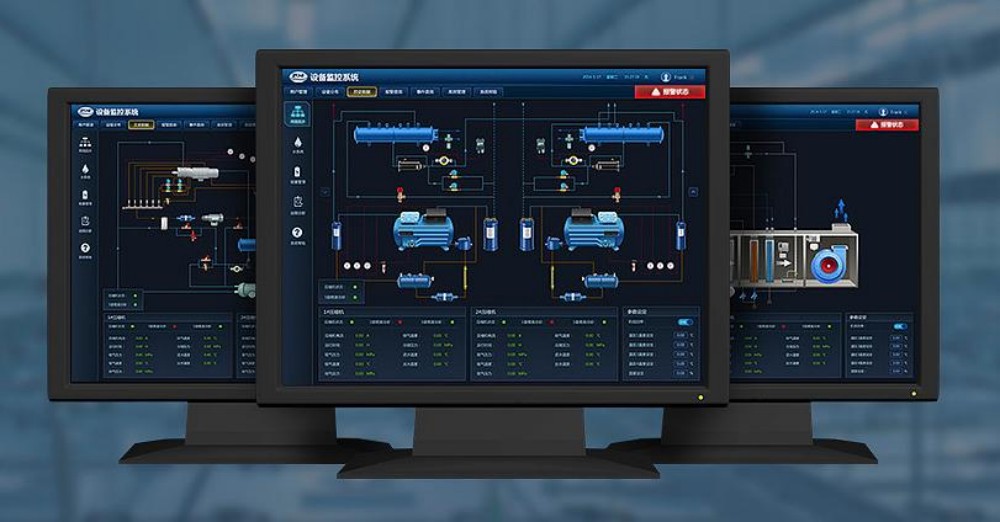 PLC And DCS Integration Becomes Key Technology Trend For Next Generation Industrial Automation Systems
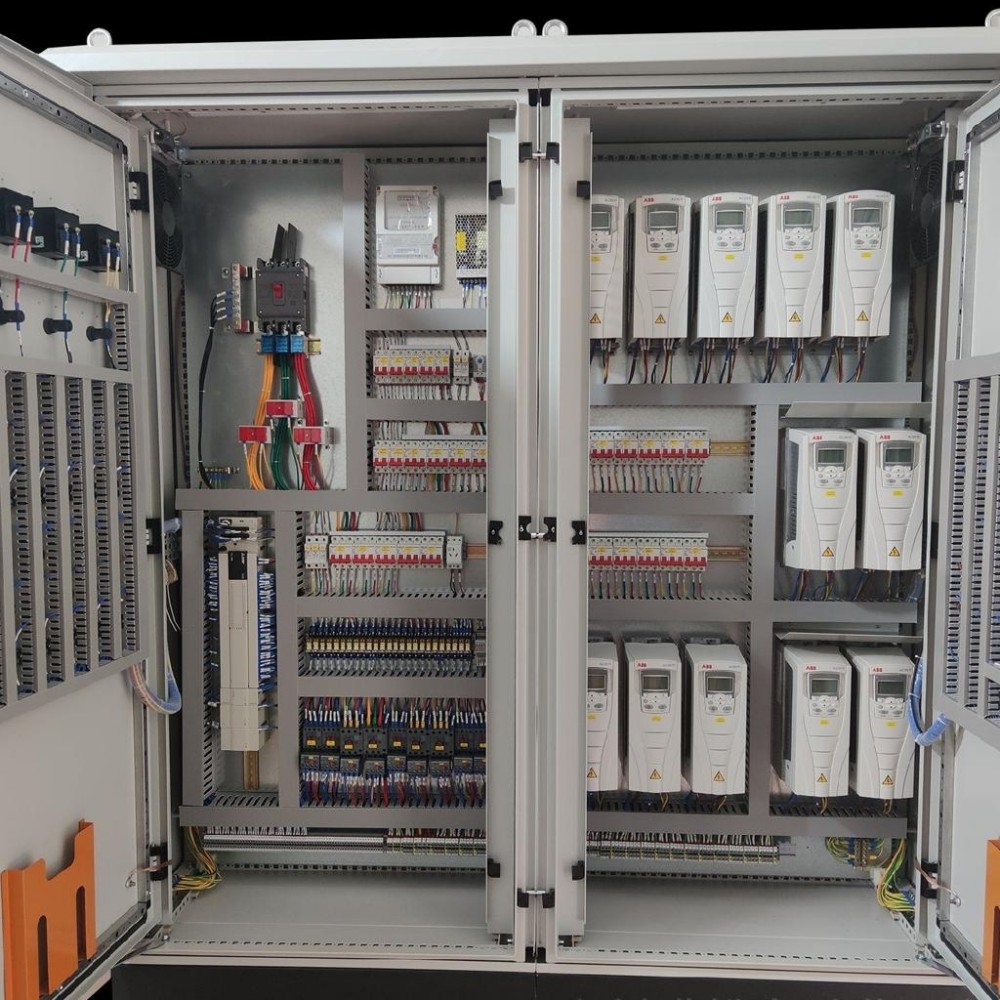 ABB Expands Industrial Automation Strategy With Advanced Electrification And Control Technology Development
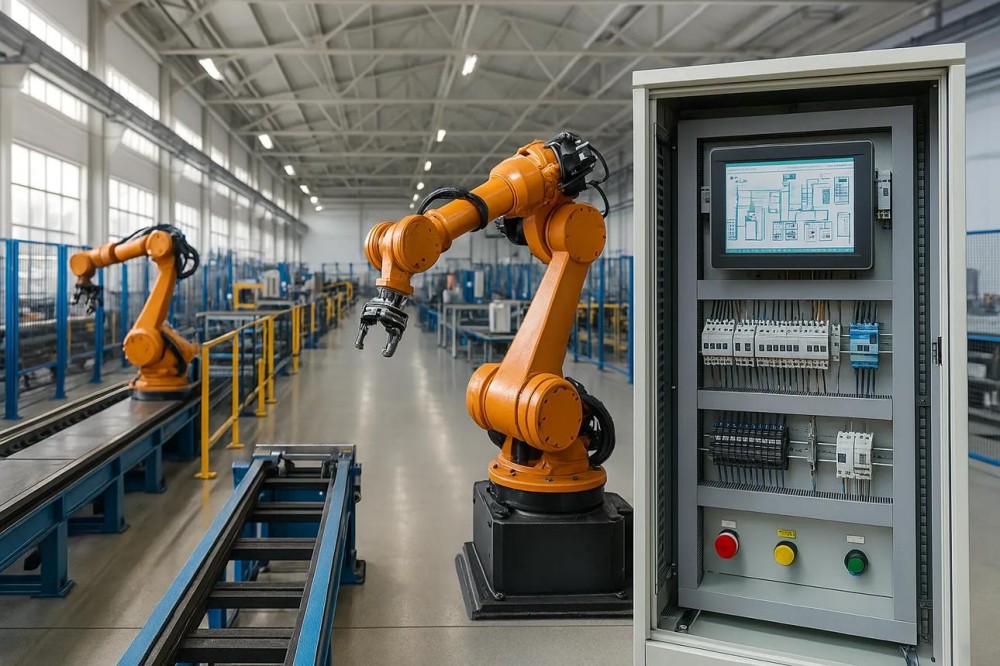 Industrial Automation Trends 2026: AI-Powered PLC And DCS Systems Accelerate Smart Factory Development
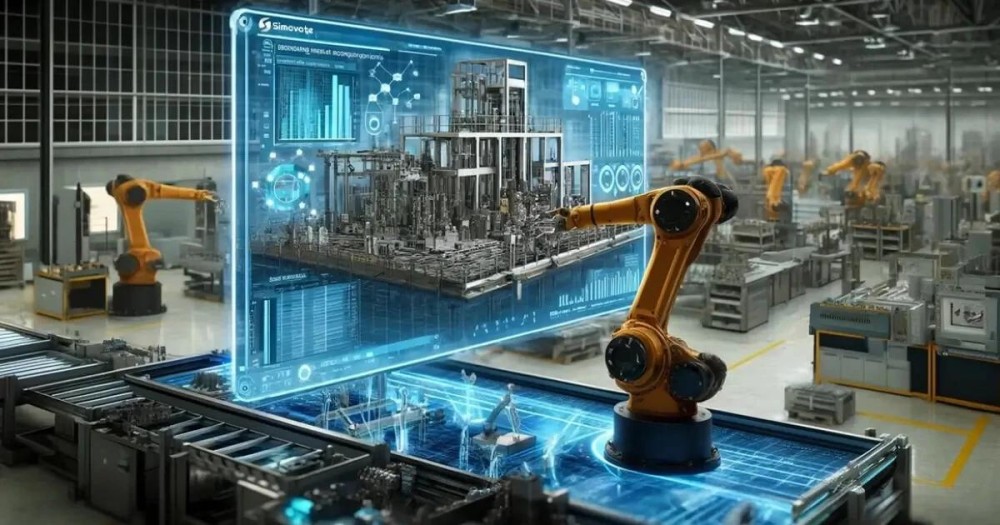 AI And Digital Twin Technologies Transform The Future Of Industrial Automation Systems