100% Original, Ready to Ship!

Industrial IoT And Edge Computing Are Redefining PLC And SCADA Systems In 2026
Introduction
Industrial automation systems are evolving rapidly as Industrial IoT (IIoT) and edge computing technologies become deeply integrated with traditional PLC and SCADA architectures.

In 2026, industrial operators are shifting toward distributed intelligence models instead of centralized control systems.
Rise of Edge Computing in Automation
Edge computing is transforming how data is processed in industrial environments. Instead of sending all data to the cloud, processing is now performed closer to the machines.
Key benefits include:
- Real-time decision-making at the production level
- Reduced network latency
- Improved system reliability
- Lower cloud dependency
- Enhanced cybersecurity
This is especially important for time-critical industrial operations.
PLC and SCADA Evolution
Traditional PLC and SCADA systems are no longer standalone control platforms. They are now part of larger digital ecosystems that include:
- Cloud analytics platforms
- IIoT sensor networks
- AI-based monitoring tools
- Digital twin simulations
This integration allows factories to achieve end-to-end visibility and control.
Industrial Cybersecurity Becomes Critical
As industrial systems become more connected, cybersecurity is now a top priority. Modern automation systems include:
- Encrypted communication protocols
- Secure remote access systems
- Network segmentation strategies
- AI-based anomaly detection
Protecting critical infrastructure has become essential in modern automation design.
Industry Applications
These technologies are widely used in:
- Energy and power generation
- Oil and gas facilities
- Water treatment plants
- Automotive manufacturing
- Pharmaceutical production

Future Outlook
The future of PLC and SCADA systems will be defined by distributed intelligence, cloud integration, and real-time edge analytics, making industrial systems smarter and more autonomous.
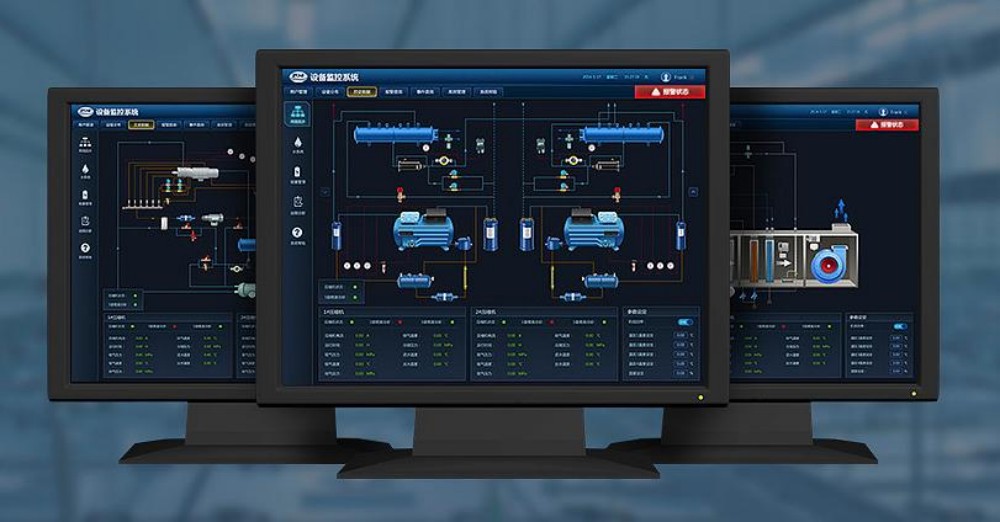 PLC And DCS Integration Becomes Key Technology Trend For Next Generation Industrial Automation Systems
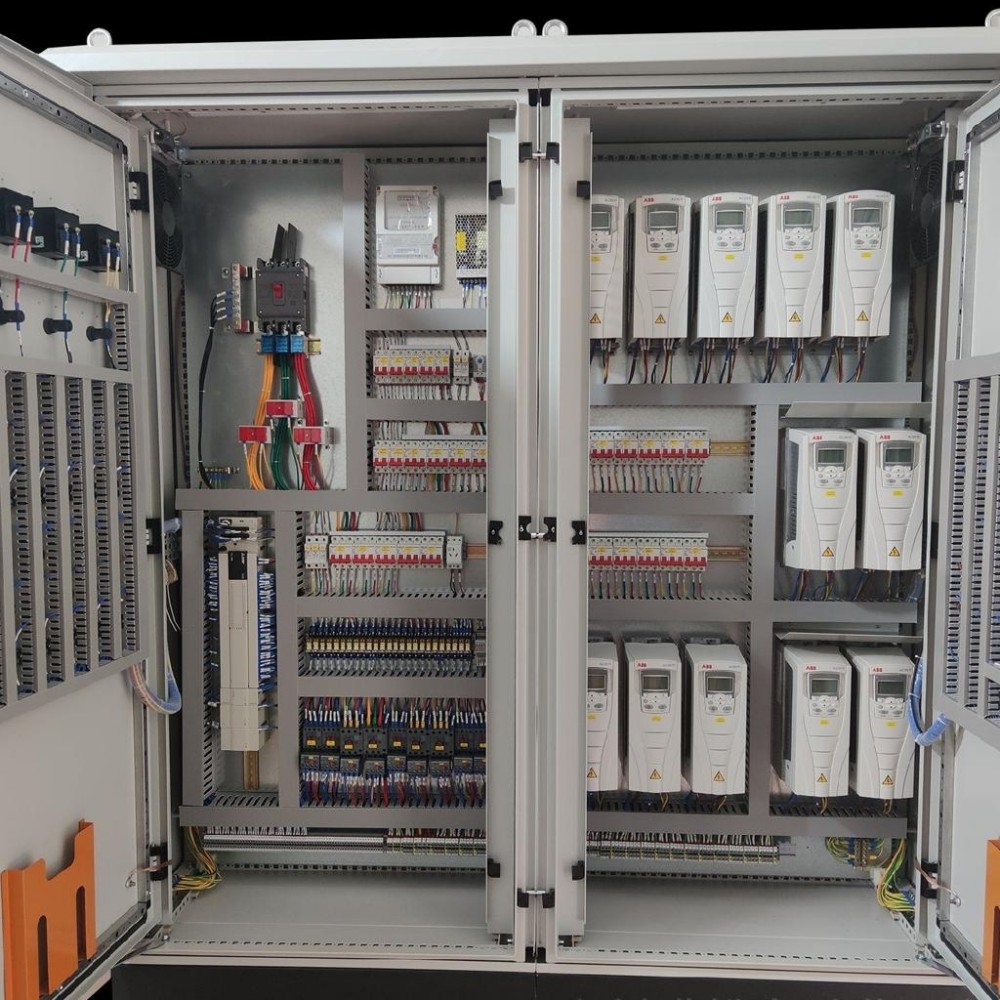 ABB Expands Industrial Automation Strategy With Advanced Electrification And Control Technology Development
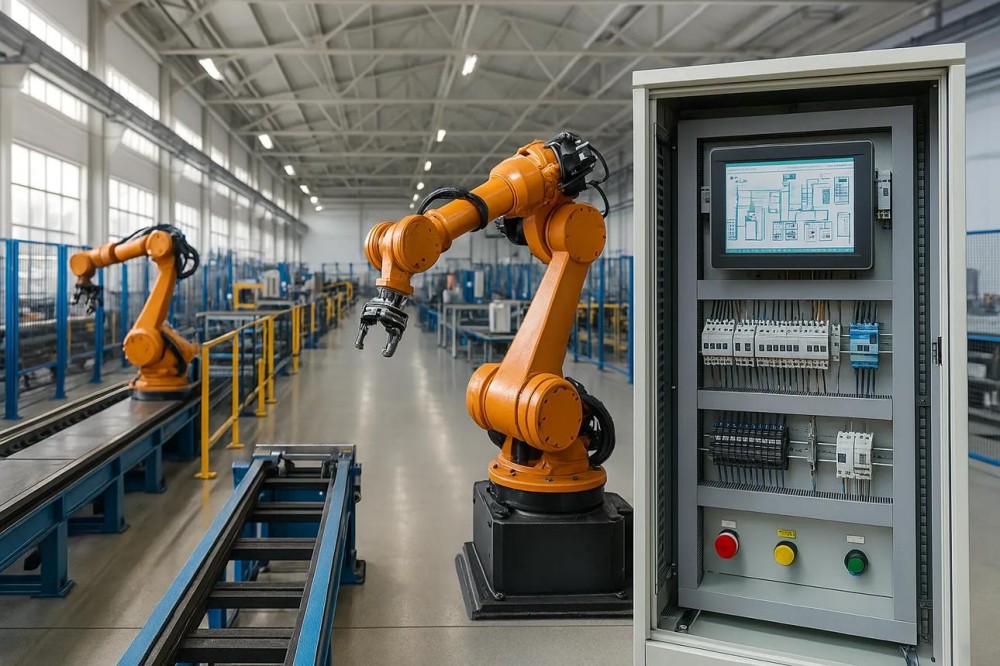 Industrial Automation Trends 2026: AI-Powered PLC And DCS Systems Accelerate Smart Factory Development
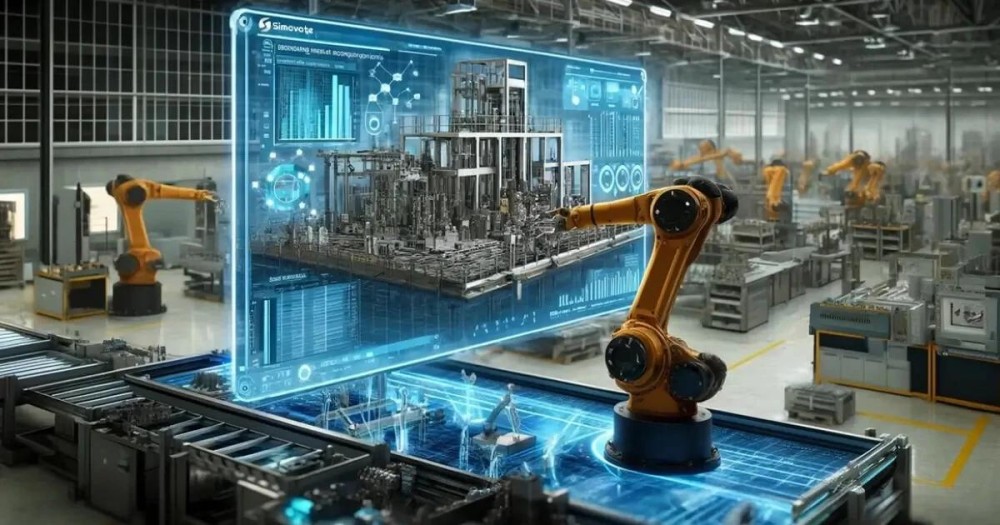 AI And Digital Twin Technologies Transform The Future Of Industrial Automation Systems