100% Original, Ready to Ship!

Industrial Cybersecurity Becomes A Critical Focus In PLC, SCADA, And DCS Systems
Introduction
Cybersecurity has become one of the most critical challenges in industrial automation systems in 2026. As PLC, SCADA, and Distributed Control Systems become increasingly connected to IT networks and cloud platforms, the attack surface of industrial environments continues to expand.

Recent industry reports indicate a significant increase in ransomware and targeted attacks on manufacturing and critical infrastructure sectors.
Rising Cyber Threats in Industrial Control Systems
Industrial Control Systems (ICS), including PLC, SCADA, and DCS environments, are no longer isolated systems. Modern factories rely heavily on remote access, cloud monitoring, and IIoT connectivity.
This connectivity introduces new risks such as:
- Ransomware targeting production lines
- Unauthorized remote PLC access
- Supply chain attacks on automation software
- Data manipulation in SCADA systems
- OT network intrusion via IT systems
As a result, cybersecurity is now a core design requirement rather than an optional layer.
Convergence of OT and IT Security Models
Traditionally, industrial networks were physically isolated (“air-gapped”). However, Industry 4.0 has eliminated most of these barriers.
Modern security strategies now include:
- Zero-trust architecture for industrial networks
- Network segmentation between OT and IT layers
- Real-time anomaly detection using AI
- Secure remote access for maintenance engineers
- Encrypted communication protocols for PLC and SCADA systems
This convergence is driving demand for integrated cybersecurity platforms specifically designed for industrial environments.
Impact on Automation System Design
Automation vendors are now embedding cybersecurity directly into PLC, DCS, and SCADA platforms. Instead of being added externally, security functions are built into:
- Controller firmware
- Engineering software
- Communication protocols
- Cloud connectivity layers
This approach significantly reduces vulnerabilities caused by legacy systems.

Future Outlook
As digital transformation accelerates, cybersecurity will remain one of the most important investment areas in industrial automation. Companies that fail to modernize their OT security systems risk production downtime, financial loss, and safety incidents.
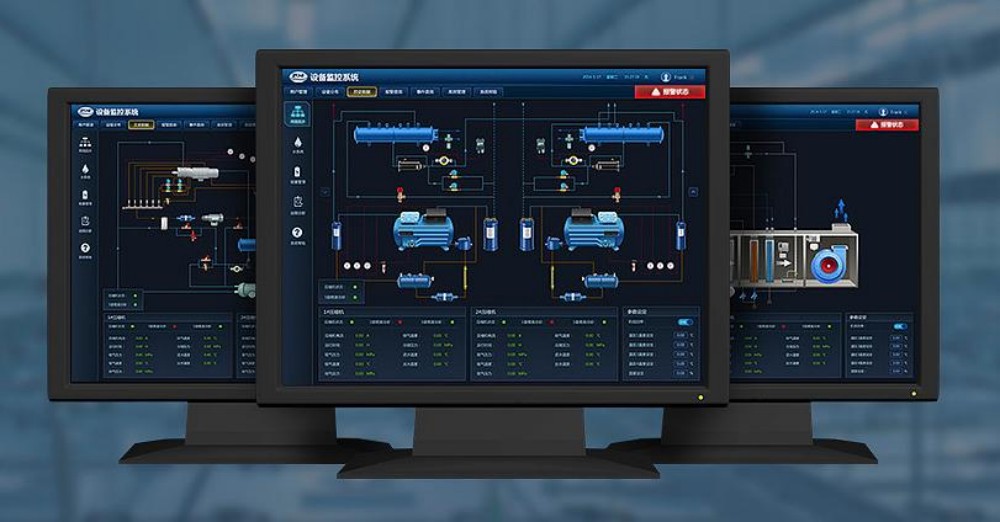 PLC And DCS Integration Becomes Key Technology Trend For Next Generation Industrial Automation Systems
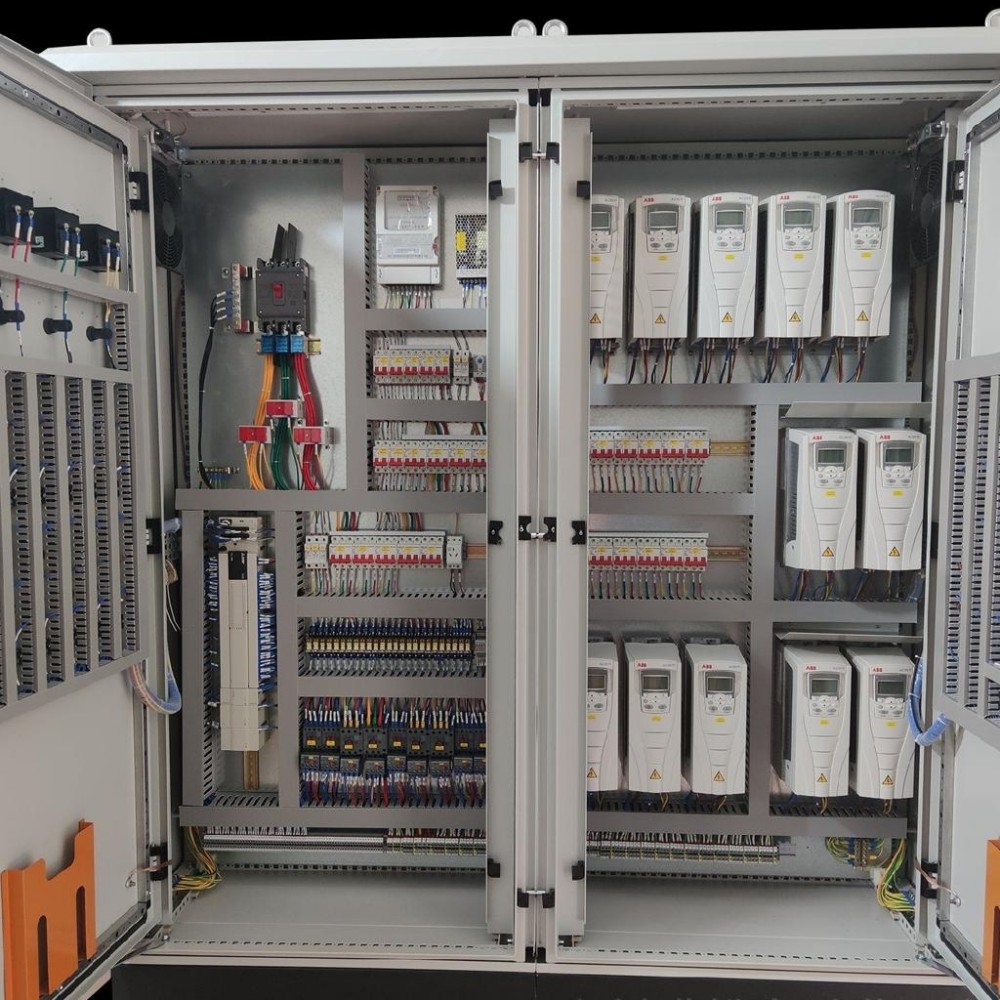 ABB Expands Industrial Automation Strategy With Advanced Electrification And Control Technology Development
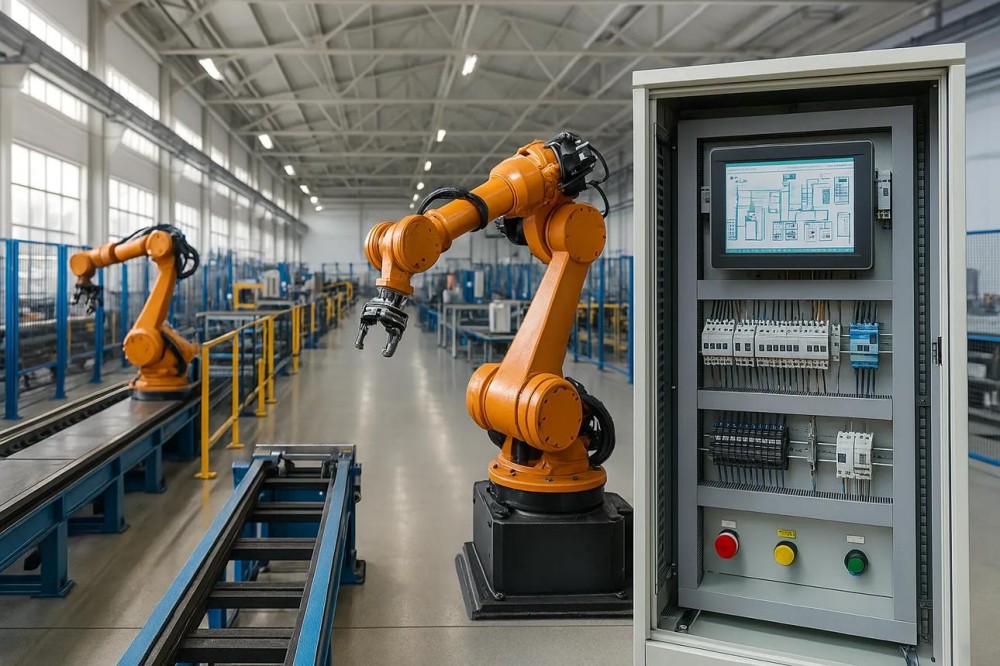 Industrial Automation Trends 2026: AI-Powered PLC And DCS Systems Accelerate Smart Factory Development
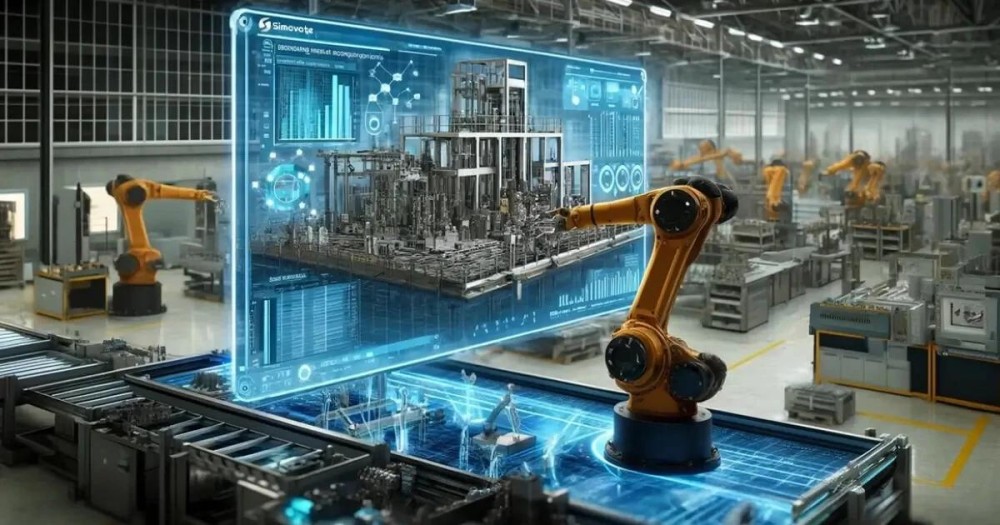 AI And Digital Twin Technologies Transform The Future Of Industrial Automation Systems